


News
Choosing the right home fragrance for small rooms can change how a compact space feels every day.
A well-matched scent adds freshness, comfort, and personality without becoming heavy or irritating.
In small bedrooms, study corners, bathrooms, or entryways, balance matters more than intensity.
This guide explains how to choose home fragrance by room scene, airflow, odor level, and scent style.
It also reflects practical fragrance know-how from a growing daily chemical enterprise founded in 2015.
From a 400-square-meter start to more than 160 employees in Linyi, Shandong, the company expanded through multi-factory home care development.
Why small-room home fragrance needs a different approach
Small rooms concentrate scent faster than large spaces.
That means the best home fragrance should feel clean and noticeable, not dense and dominating.
The same diffuser that works in a living room may feel too strong in a guest bathroom.
Temperature, ventilation, fabric surfaces, and daily habits also affect fragrance performance.
For example, curtains, bedding, and rugs can hold scent longer in compact rooms.
When selecting home fragrance, think first about the space, then about the scent family.
How to judge the right scent by room scene
Bedroom: choose calming and soft home fragrance
A small bedroom benefits from light, relaxing notes.
Lavender, cotton, soft floral, and gentle woody blends often work well.
Avoid sharp spice or overly sweet scents before sleep.
If the room has limited airflow, use a lower fragrance output.
Bathroom: prioritize odor control and freshness
Bathrooms need home fragrance that does more than smell pleasant.
It should help manage moisture-related odors and leave a clean impression.
Citrus, aquatic, eucalyptus, and fresh linen profiles are usually effective.
Heavy gourmand scents can feel trapped in a small bathroom.
Study or home office: keep the scent clear and focused
A compact work area needs home fragrance that supports attention.
Tea, light herbs, green notes, and subtle citrus can feel energizing.
Strong perfume-like scents may distract during long work sessions.
Choose a controlled format that stays steady throughout the day.
Entryway or closet: focus on first impression
These tight spaces benefit from crisp home fragrance with a welcoming feel.
Fresh cotton, soft citrus, or airy floral blends create a neat first impression.
Because the area is small, a little fragrance goes a long way.
Different small-room needs call for different fragrance choices
What to look for in a home fragrance product
In small rooms, product design matters as much as fragrance type.
Look for formulas that support odor reduction, even scent release, and lasting performance.
Plant-based deodorizing ingredients are useful in compact spaces with recurring odor buildup.
A balanced fragrance system can proactively purify the air and degrade unpleasant odors.
Products with 360-degree fragrance diffusion often create a more uniform scent experience.
An example is Holiday, designed for car and home use.
Its ink gradient glass bottle also adds decorative value in small visible spaces.
With Swiss pure spices and plant-based deodorizing ingredients, it suits users seeking delicate, long-lasting home fragrance.
Practical home fragrance matching tips for compact spaces
- Match light scents with rooms under frequent daily use.
- Choose deodorizing performance for bathrooms, shoe areas, and closed corners.
- Use fewer reeds or lower diffusion settings in narrow rooms.
- Test fragrance near fabric-heavy areas before full placement.
- Refresh the scent profile by season to avoid olfactory fatigue.
Common mistakes when choosing home fragrance for small rooms
One common mistake is assuming stronger fragrance means better freshness.
In reality, too much scent can make a small room feel stuffy.
Another mistake is ignoring room purpose.
A scent that feels luxurious in a hallway may feel tiring in a sleeping area.
Some people also choose fragrance by bottle appearance alone.
Visual design matters, but performance, ingredients, and scent strength matter more.
Finally, do not overlook airflow.
A windowless room needs a different home fragrance strategy than a ventilated studio corner.
How to take the next step with confidence
Start by identifying the exact small-room scene you want to improve.
Then define whether your priority is relaxation, odor control, focus, or a welcoming impression.
Choose home fragrance with moderate intensity, clean diffusion, and suitable deodorizing support.
If you want a refined option that combines natural character, decoration, and lasting comfort, explore Holiday.
The right home fragrance will not overpower a small room.
It will make the space feel cleaner, calmer, and more enjoyable every day.
Related Products
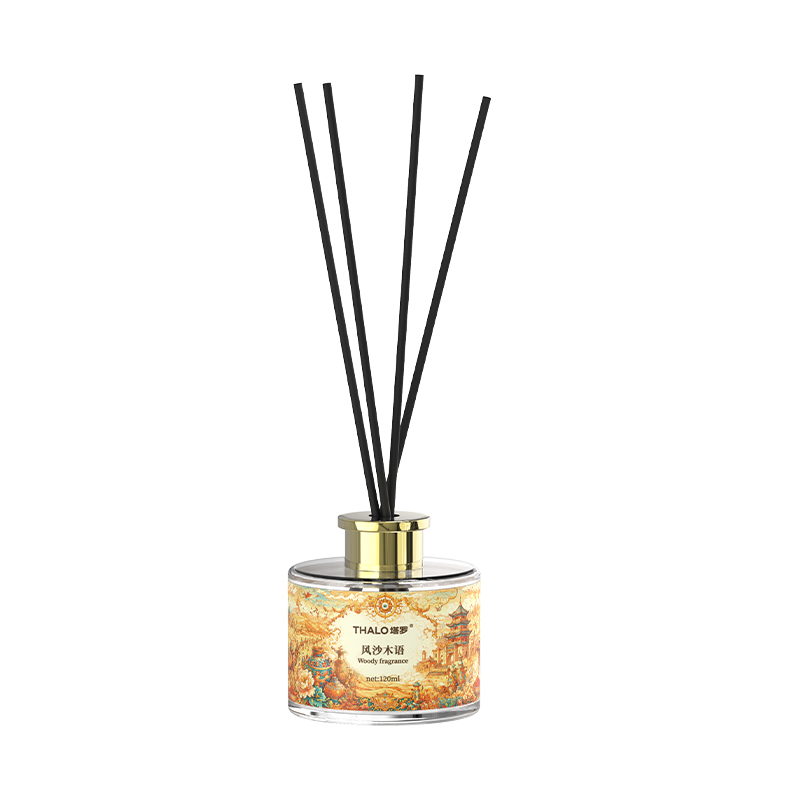
 Silk Road Flower LanguageA Fragrance Journey Along the Silk Road
Step into a world where ancient Silk Road culture meets modern home fragrance. Thalo Silk Road Reed Diffuser transforms your space with an elegant Oriental-inspired aroma, bringing warmth, sophistication and a sense of discovery to everyday moments.
Designed as a flameless home fragrance, it continuously releases fragrance through natural diffuser reeds, creating a calm and inviting atmosphere without fire or electricity. The artistic bottle and premium gift box make it a beautiful addition to bedrooms, entryways, living rooms, boutiques and hotels.
Let every breath become a journey through fragrance. GuoyangYour Car Deserves Better Than That "New Car Smell"
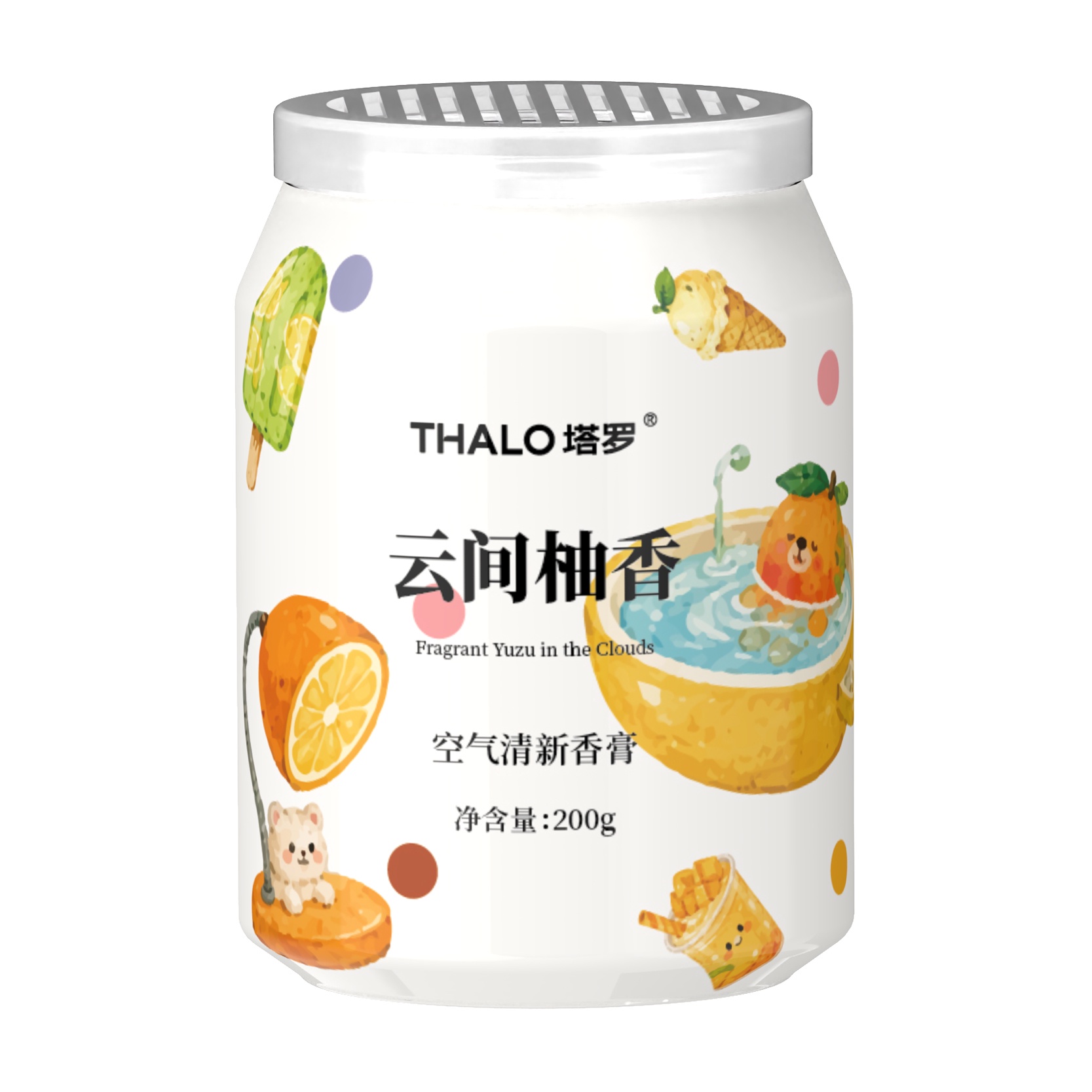
Ever step into your car and wish it smelled like a sunlit orchard instead of stale air.Meet THALO's Fruit Scent Collection — a solid car air freshener that turns every drive into a mini fruit paradise. No sprays, no plugs, no mess. Just unscrew the ventilated lid, and let the 200g fragrance gel slowly release pure, juicy aroma for weeks.
Pick your mood: White Peach in the Snow (soft, creamy, dreamy), Fragrant Yuzu in the Clouds (bright citrus that wakes you up), or Laurel Apple (warm apple-cinnamon comfort). Each jar is hand-illustrated with adorable fruit art that looks as good as it smells — a dopamine hit for your cup holder.
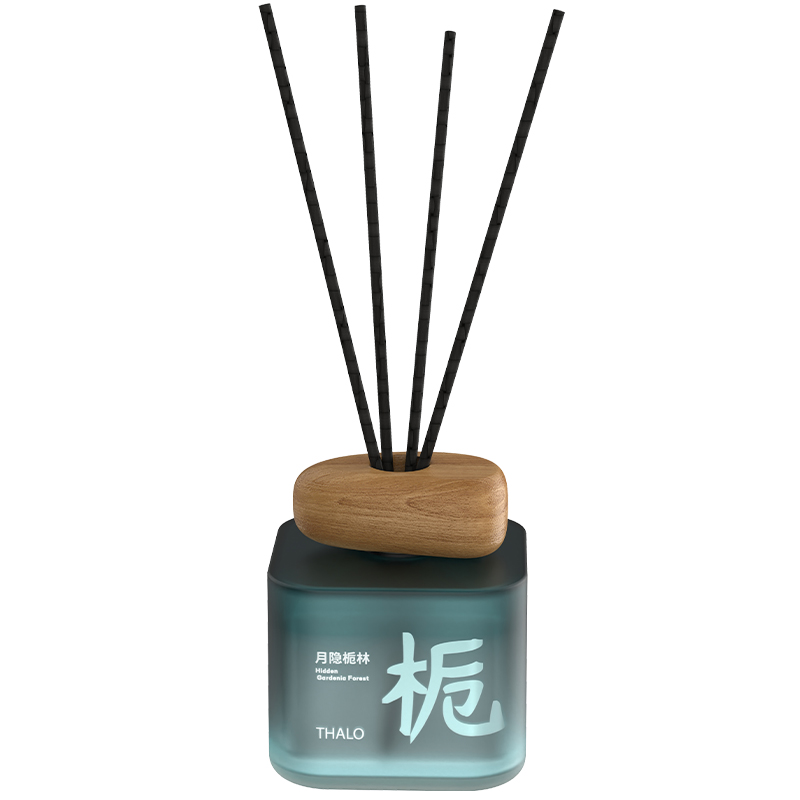
Safe for daily commutes, family trips, and long drives. Plant-based formula, IFRA-certified, crafted with Firmenich perfumers. Fresh air, one twist away. ZHICHUNLet Nature Fill Your Space With Fragrance,Turn an ordinary room into a peaceful fragrance retreat. Thalo “Spring Awakening” Reed Diffuser brings the beauty of Oriental-inspired scents into everyday life, creating a warm and elegant atmosphere without flame, smoke or electricity.
Inspired by nature, the 180ml Home Fragrance Collection features three distinctive scents: Moonlit Gardenia Forest, Wumu Gradually Becomes Spring, and Green Tea Reflection Spring. Each fragrance unfolds gently through high-density reed sticks, filling your space with a continuous and refined aroma.
The frosted glass bottle, wood-inspired cap and minimalist design add a sophisticated decorative touch to any interior. Perfect for bedrooms, living rooms, bathrooms, offices, boutiques and hotels, this Natural Reed Diffuser creates a relaxing fragrance experience while helping refresh indoor air.
Bring a touch of spring, nature and tranquility into every moment with Thalo. XiaoxiangyuTitle: The Car Air Freshener That Keeps Every Mile Fresh
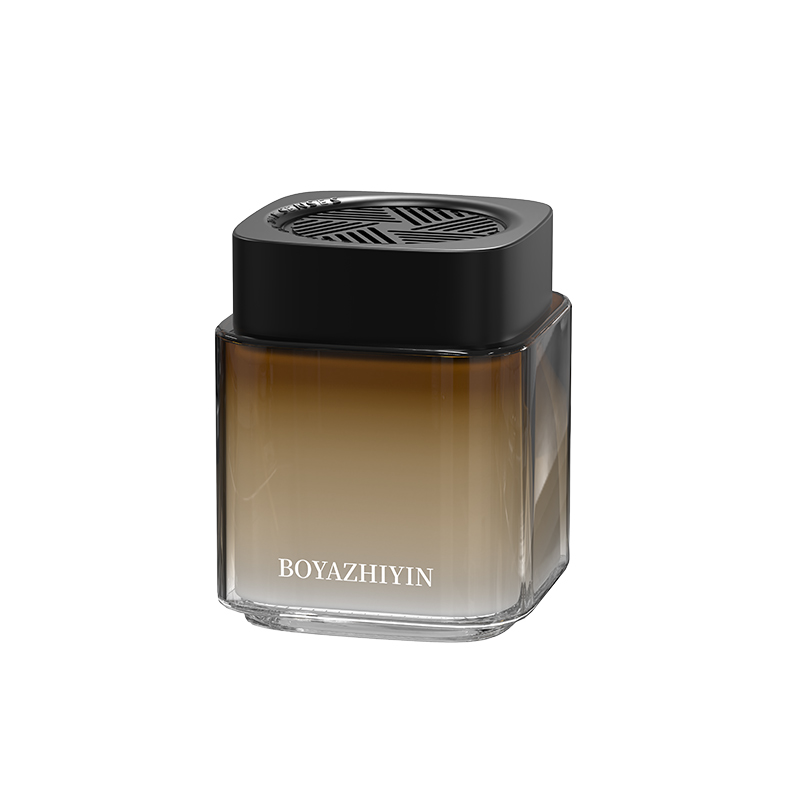
Every drive deserves a fresh, calming atmosphere. The BOYAZHIYIN car air freshener turns your car into a private sanctuary of natural scent. Crafted specifically for small spaces, this long lasting car air freshener delivers pure botanical fragrance without the dizzying intensity of ordinary car perfumes. Our solid gel formula releases scent steadily for weeks, keeping your cabin inviting from the first mile to the last. Each glass jar is built to impress, with a crystal-clear body and a striped diffusion lid that spreads fragrance evenly through every corner. Choose from four refined scents: Oud Rose, Wild Cologne, Dew Gardenia, or High Mountain White Tea. Made with plant essential oils, it is a natural car air freshener you can trust every single day. Breathe easier, drive happier, and enjoy a car that always smells as good as it looks.
Can't find what you're looking for ?
Leave a Message we will call you back quickly!
Professional Service
Interested? Leave your contact details.
Search Starts Here

