


Introduction
Choosing the right fragrance for your home, car, or personal care products can be challenging. Understanding the key differences between high-quality fragrances and hypoallergenic options is crucial for consumers, especially for those with sensitivities. This guide breaks down 5 essential distinctions to help information researchers, end-users, and business evaluators make informed decisions about fragrance selection.
1. Ingredient Composition: Natural vs. Synthetic
High-quality fragrances often utilize a blend of natural essential oils and synthetic compounds to create complex scent profiles. These formulations prioritize olfactory richness, with ingredients like bergamot, sandalwood, or jasmine absolutes. In contrast, hypoallergenic fragrances undergo rigorous molecular screening to eliminate common irritants such as phthalates, benzyl alcohol, or cinnamal. A 2022 study by the International Fragrance Association revealed that 78% of hypoallergenic variants replace traditional allergens with plant-derived alternatives like bisabolol or ethyl vanillin.
Key Considerations for Automotive Applications
When selecting a Hanxu fragrance for car interiors, note how its natural energy principles align with hypoallergenic standards. The product's ability to smooth out restlessness without synthetic irritants makes it ideal for enclosed spaces where air quality matters.
2. Longevity and Sillage Performance
Premium fragrances typically exhibit extended longevity (6-12 hours) through concentrated perfume oils and fixatives. Their sillage—the scent trail left behind—is carefully engineered for gradual diffusion. Hypoallergenic versions sacrifice some persistence (4-6 hours average) to maintain skin safety, using encapsulated fragrance technology that releases scent upon contact rather than continuous evaporation.
3. Certification and Compliance Standards
The regulatory landscape differs significantly:
- High-Quality: Adheres to IFRA and EU Cosmetics Regulation for general safety
- Hypoallergenic: Requires additional certifications like Dermatest® or Allergy UK Seal
For automotive use, products like Hanxu bypass ignition requirements while meeting indoor air quality guidelines—a critical factor for fleet managers evaluating occupational health compliance.
4. Target User Profiles
5. Price Positioning and Market Perception
While premium fragrances command higher prices due to rare ingredients and branding, hypoallergenic options incur costs from clinical testing and specialized formulations. Business buyers should note that mid-range products balancing both qualities—such as those offering a peaceful cabin experience without premium markups—are gaining traction in commercial vehicle segments.
Conclusion
Understanding these five distinctions enables smarter procurement decisions across personal care and automotive applications. For fleets or sensitive users, solutions like Hanxu demonstrate how innovative fragrance technology can merge safety with sensory satisfaction. Contact our industrial hygiene specialists to audit your current fragrance selection against these benchmarks.
Related Products
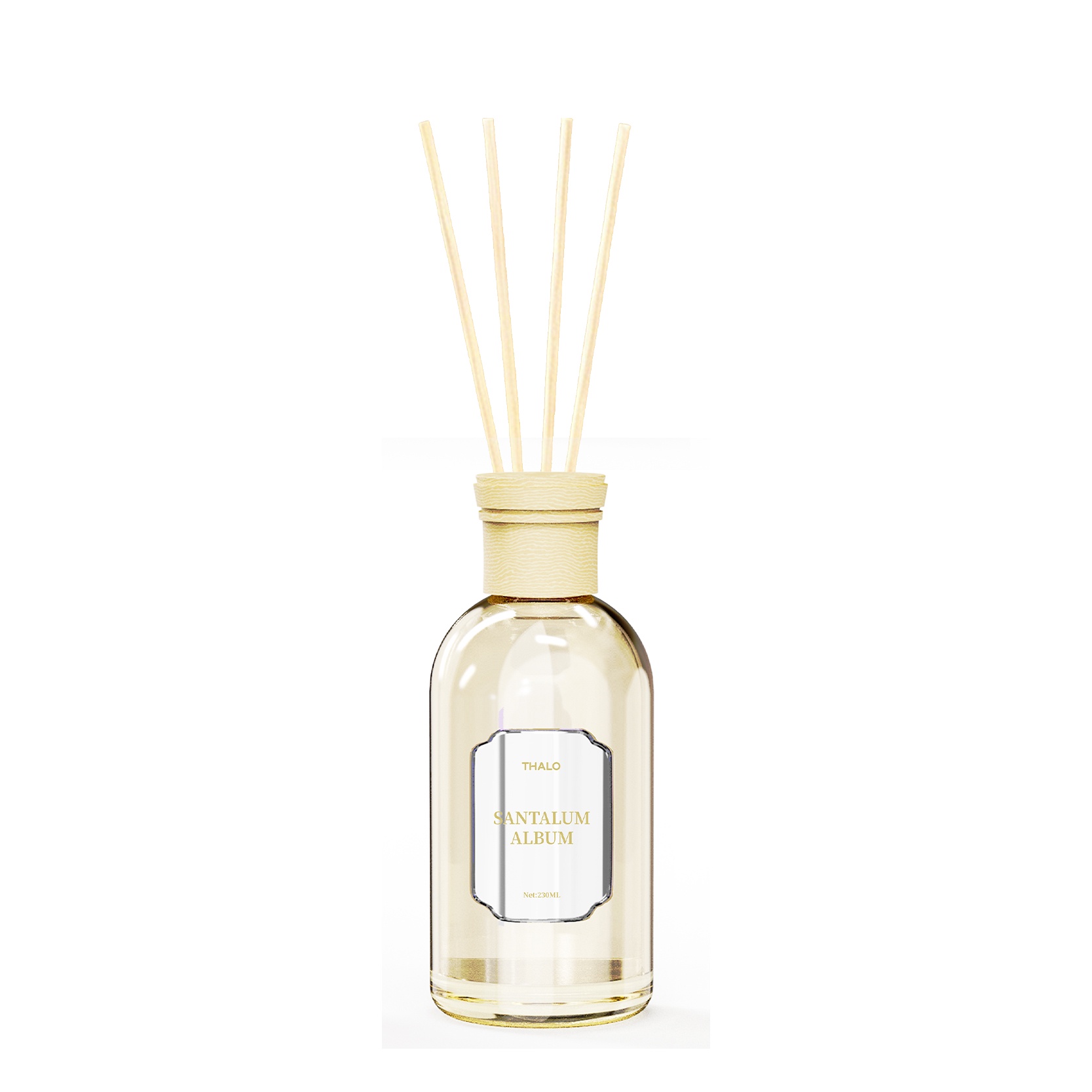
 SONGZHIFour seasons of elegance, hidden in one room
Song Zhi: Four Preface to Hidden Incense "uses incense as a pen to depict the four seasons of the human world, day and night, and mountains and fields. Not a superficial fragrance, but a breathable Eastern aesthetic.
The blooming of pink cherry blossoms, the refreshing purple kite, the tranquil sinking of sandalwood, and the warm crimson glow - one sequence and one fragrance, hiding the spirit of the four seasons.
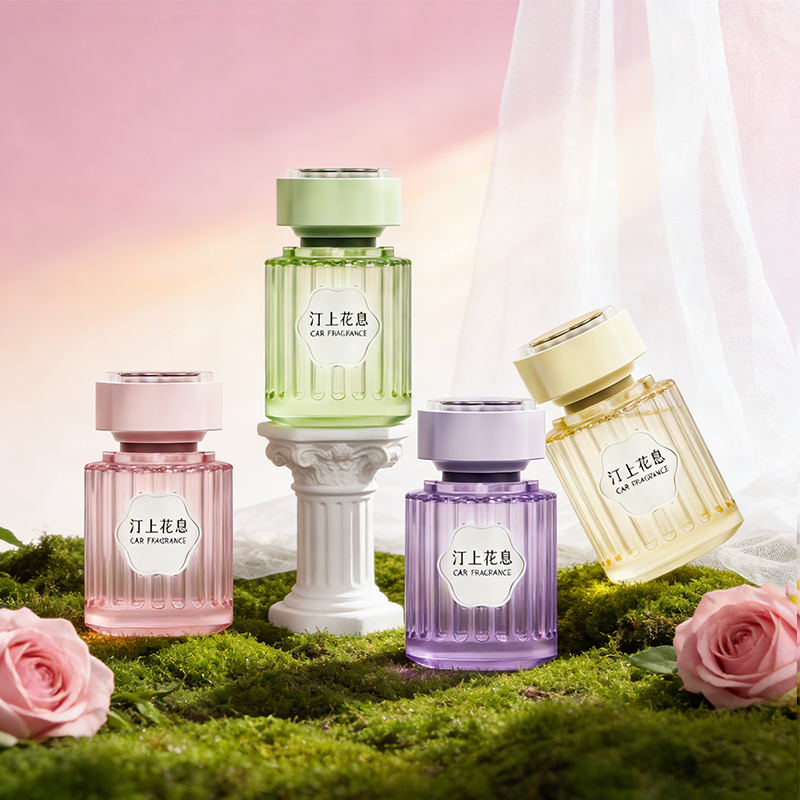
Placed in the study, with clear thinking; Placed in the bedroom, fully furnished and warm. Every breath is a journey of smell. Make home no longer just a space, but a breathing garden. Ting Shang Hua XiA fruity journey begins from the moment the car door is opened.
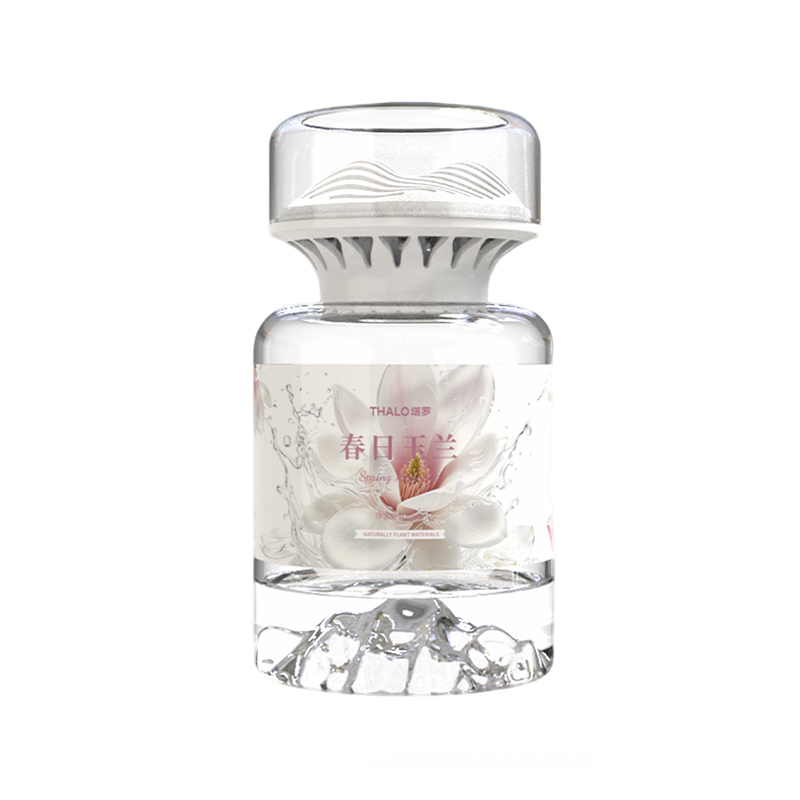
This car aromatherapy is inspired by the sweet aroma of tropical fruits, condensing sunlight, orchards, and breezes into a single inch. Elegant yet not overpowering, sweet and not cloying, easily dispelling the odor inside the car, making every trip full of joy. The exquisite and high-value bottle body paired with high-end color matching is not only a fragrance for the car, but also a fashionable ornament to enhance the style. Whether commuting, traveling, or weekend outings, the fragrance slowly releases, creating a comfortable and relaxing driving atmosphere, allowing the sense of relaxation and ceremony to accompany life all the way. GUOCHUANAs soon as you get on the car, the air should also have a sense of sophistication. When the car door gently closes, the sweetness of pineapple, the calmness of ancient dragon, the fruity aroma of grapes, and the elegance of magnolia slowly dissipate, making every departure feel like being in an exclusive fragrance space. THALO 120ml car liquid aromatherapy is not only an air freshener, but also an exquisite interior decoration that enhances the driving atmosphere.
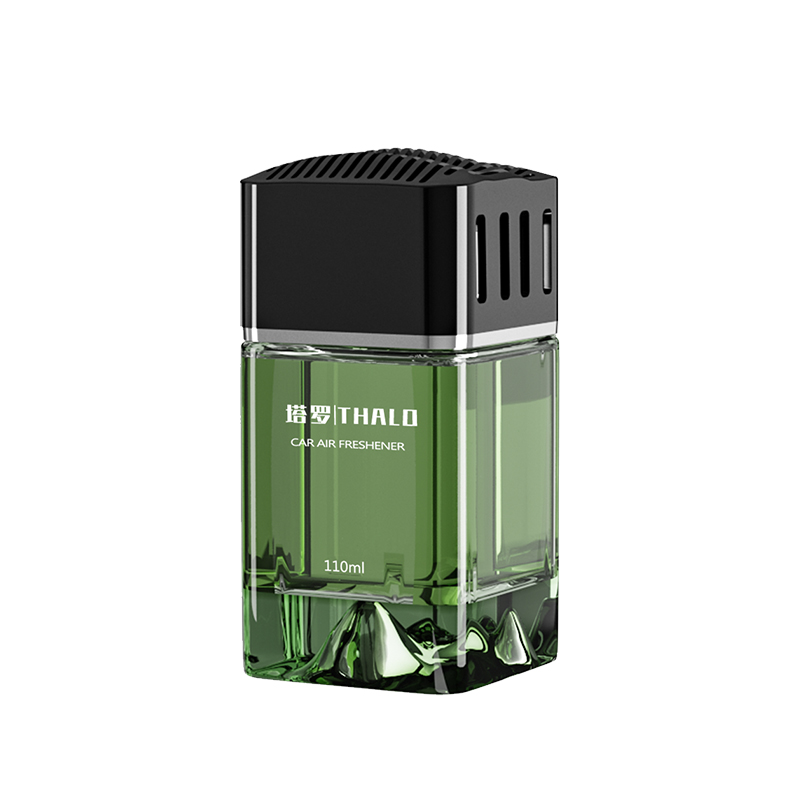
The crystal clear bottle body is paired with high-end color schemes, and when placed on the center console, it instantly enhances the texture of the car interior. It is simple yet particularly eye-catching. The plant fragrance formula evaporates evenly, effectively covering car odors such as smoke, food, and air conditioning odors, keeping the air fresh and comfortable at all times. Dream of Empty MountainThe wind and snow return, and the neon lights of the city gradually fade away.
When the car door gently closes, a strand of agarwood slowly disperses, like a gentle letter sent by the four seasons. 110ml liquid car aromatherapy, placed lightly on the cup holder, does not take up space, but fills the entire carriage with layered aroma. Whether commuting, night driving, or long-distance travel, it can purify odors and soothe emotions, making driving not only a departure, but also a romantic journey about smells. Riding the wind, the fragrance accompanies, making every return journey an expectation.
Can't find what you're looking for ?
Leave a Message we will call you back quickly!
Professional Service
Interested? Leave your contact details.
Search Starts Here

