


Choosing an Automotive Fragrance Series is less about adding perfume to a cabin and more about shaping the full in-car experience. Scent affects how people read cleanliness, comfort, and even product quality. In daily chemical products, this category matters because the right format and fragrance profile can support both personal use and branded vehicle environments.
That is why comparisons need to go beyond fragrance names. Hanging cards, vent clips, gel cans, and sprays behave differently in confined spaces. Their release speed, scent radius, and replacement cycle all influence whether an Automotive Fragrance Series feels refined, distracting, subtle, or short-lived.
What an Automotive Fragrance Series Really Includes
In practical terms, an Automotive Fragrance Series is a group of scent products developed for vehicle interiors. It usually includes several carrier formats, multiple fragrance directions, and different intensity levels for varied cabin sizes and climate conditions.
Unlike home fragrance, automotive use has tighter performance limits. Cars face heat, sunlight, limited air volume, and frequent door opening. A scent that performs well indoors may become too heavy, too weak, or unstable inside a vehicle.
This makes formulation and packaging especially important in the daily care sector. Product developers need to balance volatility, material compatibility, user safety, and sensory consistency rather than focusing on aroma alone.
Common Formats and How They Differ
Different formats solve different problems. Some aim for low-cost freshness. Others support controlled diffusion or stronger visual presentation inside the car.
Usually, no single format is ideal for every channel. Retail, gifting, private label, and online marketplaces often prefer different combinations within the same Automotive Fragrance Series.
Scent Profiles That Work in Vehicle Interiors
Vehicle scents need restraint. A pleasant fragrance in a showroom can become tiring during a forty-minute drive. The most successful scent profiles are clear, clean, and easy to revisit.
Fresh and clean directions
Citrus, aquatic, light green, and linen-inspired notes are common because they suggest ventilation and hygiene. They fit new-car maintenance, ride-share turnover, and routine commuting.
Comfort-focused profiles
Soft floral, tea, powder, and mild woody accords can make the cabin feel calmer. These profiles often suit family vehicles and longer drives where low irritation matters more than dramatic diffusion.
Cultural or premium expressions
Some lines use storytelling to create distinction. An example is Qingxu, a no fire fragrance concept that connects Eastern philosophy with a gentle, modern scent mood for automotive settings.
This kind of profile is less about strong masking and more about atmosphere. It can appeal when an Automotive Fragrance Series is expected to express taste, calmness, or cultural identity rather than just freshness.
Why the Category Draws More Attention
Several market signals explain the growing focus. Consumers increasingly expect cars to feel like personal space. At the same time, e-commerce has made scent formats easier to compare by style, lifespan, and visual design.
Operational capacity also matters. A company that started in 2015 and expanded from an early 400-square-meter setup to larger industrial park production, then added a second factory in 2021, reflects how daily chemical manufacturing has scaled around category diversification.
With more than 160 employees in Linyi, Shandong, plus channel development across platforms such as Alibaba, Tmall, and Pinduoduo, this background suggests a market where Automotive Fragrance Series products are no longer niche add-ons. They are part of a broader household and personal care manufacturing ecosystem.
How to Match Formats to Real Use Cases
The practical value of an Automotive Fragrance Series becomes clearer when format and fragrance are matched to actual use conditions.
- For daily commuting, vent clips and compact gels usually offer the best balance between continuity and control.
- For used-car preparation or rapid odor reset, sprays work better because they act immediately.
- For gifting or decorative placement, solid diffusers and styled ornaments can add visual value.
- For budget-sensitive campaigns, hanging cards remain useful, especially when scent duration is not the main decision point.
Climate should also be considered. High cabin temperatures can accelerate fragrance release, which may shorten product life or make dense compositions feel overpowering.
What to Check Before Comparing Options
A useful comparison starts with performance details, not just packaging appearance. Several points usually separate a workable Automotive Fragrance Series from a disappointing one.
- Initial scent intensity versus long-term stability
- Compatibility with dashboard, vent, or cup-holder placement
- Heat tolerance and leakage resistance
- Whether the scent masks odors or creates a layered atmosphere
- Replacement cycle, refill potential, and packaging consistency
It also helps to judge whether the fragrance direction fits the intended message. A bright citrus profile says something very different from a meditative woody line with ancient-inspired character.
A Clear Next Step for Evaluation
The best way to assess an Automotive Fragrance Series is to narrow the decision to three variables: cabin scenario, preferred scent mood, and expected replacement rhythm. Once those are defined, the choice between card, clip, gel, spray, or decorative diffuser becomes far easier.
From there, compare fragrance profiles under realistic vehicle conditions rather than on paper alone. That approach gives a more reliable basis for selecting an Automotive Fragrance Series that fits both sensory expectations and actual use.
Related Products
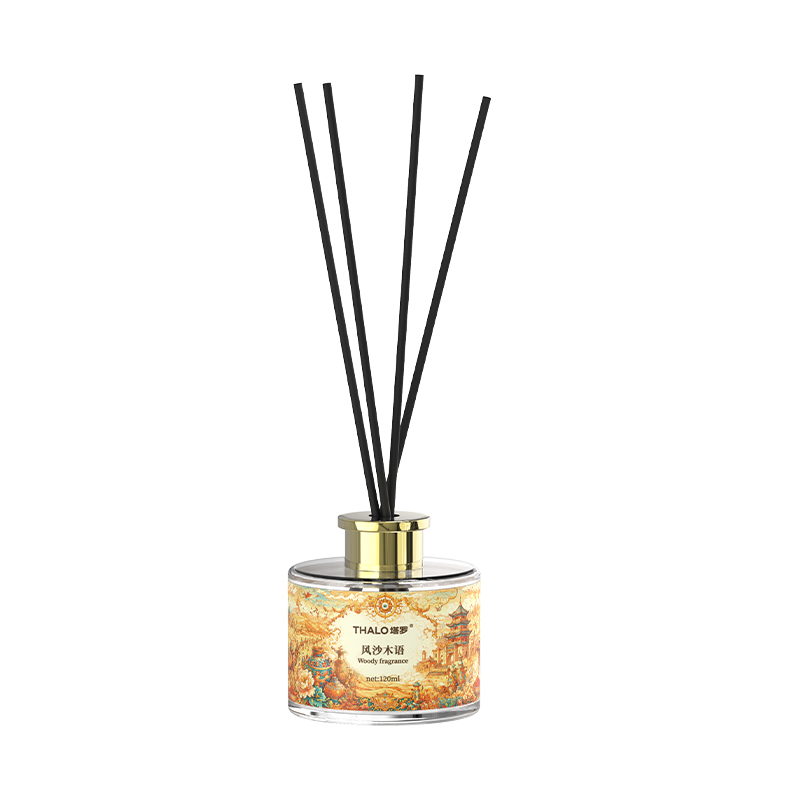
 Silk Road Flower LanguageA Fragrance Journey Along the Silk Road
Step into a world where ancient Silk Road culture meets modern home fragrance. Thalo Silk Road Reed Diffuser transforms your space with an elegant Oriental-inspired aroma, bringing warmth, sophistication and a sense of discovery to everyday moments.
Designed as a flameless home fragrance, it continuously releases fragrance through natural diffuser reeds, creating a calm and inviting atmosphere without fire or electricity. The artistic bottle and premium gift box make it a beautiful addition to bedrooms, entryways, living rooms, boutiques and hotels.
Let every breath become a journey through fragrance. GuoyangYour Car Deserves Better Than That "New Car Smell"
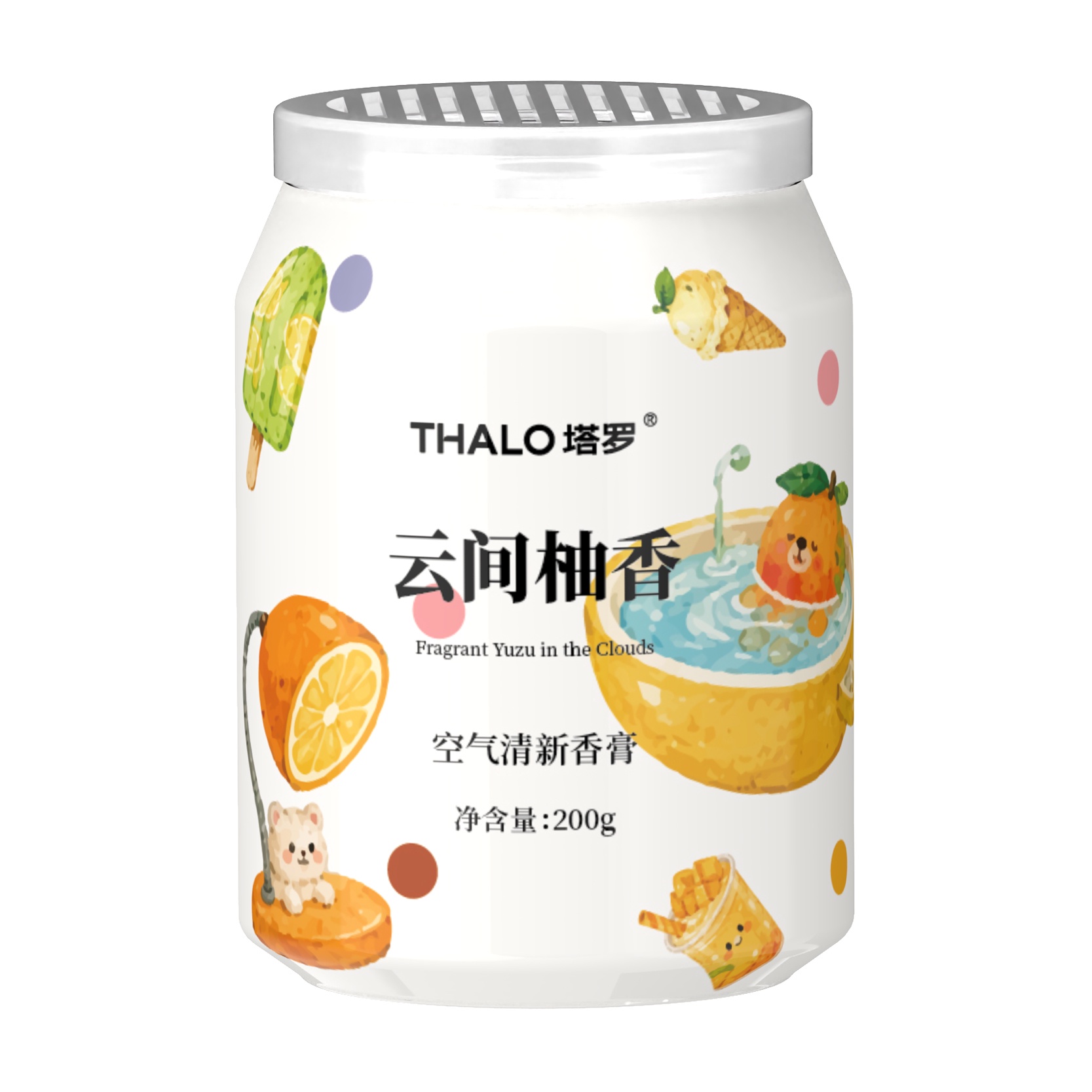
Ever step into your car and wish it smelled like a sunlit orchard instead of stale air.Meet THALO's Fruit Scent Collection — a solid car air freshener that turns every drive into a mini fruit paradise. No sprays, no plugs, no mess. Just unscrew the ventilated lid, and let the 200g fragrance gel slowly release pure, juicy aroma for weeks.
Pick your mood: White Peach in the Snow (soft, creamy, dreamy), Fragrant Yuzu in the Clouds (bright citrus that wakes you up), or Laurel Apple (warm apple-cinnamon comfort). Each jar is hand-illustrated with adorable fruit art that looks as good as it smells — a dopamine hit for your cup holder.
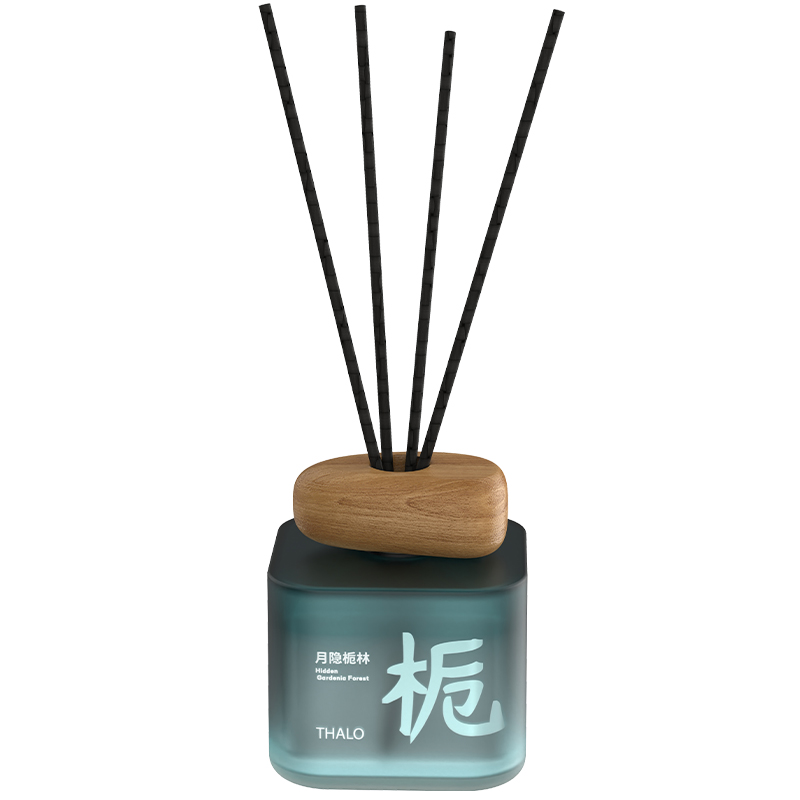
Safe for daily commutes, family trips, and long drives. Plant-based formula, IFRA-certified, crafted with Firmenich perfumers. Fresh air, one twist away. ZHICHUNLet Nature Fill Your Space With Fragrance,Turn an ordinary room into a peaceful fragrance retreat. Thalo “Spring Awakening” Reed Diffuser brings the beauty of Oriental-inspired scents into everyday life, creating a warm and elegant atmosphere without flame, smoke or electricity.
Inspired by nature, the 180ml Home Fragrance Collection features three distinctive scents: Moonlit Gardenia Forest, Wumu Gradually Becomes Spring, and Green Tea Reflection Spring. Each fragrance unfolds gently through high-density reed sticks, filling your space with a continuous and refined aroma.
The frosted glass bottle, wood-inspired cap and minimalist design add a sophisticated decorative touch to any interior. Perfect for bedrooms, living rooms, bathrooms, offices, boutiques and hotels, this Natural Reed Diffuser creates a relaxing fragrance experience while helping refresh indoor air.
Bring a touch of spring, nature and tranquility into every moment with Thalo. XiaoxiangyuTitle: The Car Air Freshener That Keeps Every Mile Fresh
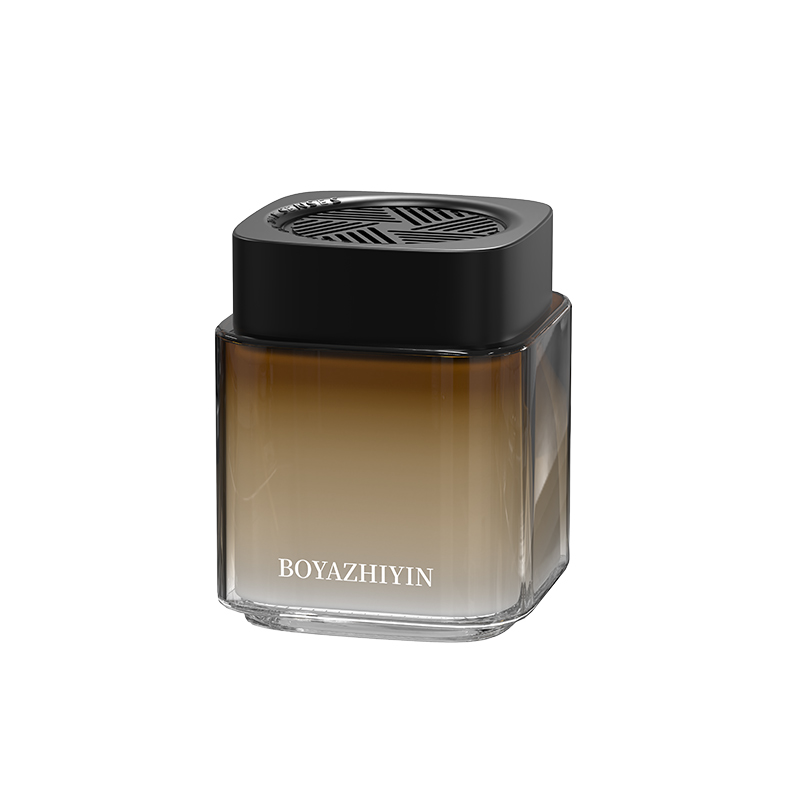
Every drive deserves a fresh, calming atmosphere. The BOYAZHIYIN car air freshener turns your car into a private sanctuary of natural scent. Crafted specifically for small spaces, this long lasting car air freshener delivers pure botanical fragrance without the dizzying intensity of ordinary car perfumes. Our solid gel formula releases scent steadily for weeks, keeping your cabin inviting from the first mile to the last. Each glass jar is built to impress, with a crystal-clear body and a striped diffusion lid that spreads fragrance evenly through every corner. Choose from four refined scents: Oud Rose, Wild Cologne, Dew Gardenia, or High Mountain White Tea. Made with plant essential oils, it is a natural car air freshener you can trust every single day. Breathe easier, drive happier, and enjoy a car that always smells as good as it looks.
Can't find what you're looking for ?
Leave a Message we will call you back quickly!
Professional Service
Interested? Leave your contact details.
Search Starts Here

