


Why car diffuser aromatherapy needs a different standard
Car diffuser aromatherapy works well because the space is small, airflow changes quickly, and scent stays close to the body.
That same advantage can also become a problem.
An oil that feels balanced in a living room may feel sharp, heavy, or distracting inside a closed cabin.
In daily chemical products, the better approach is not choosing the strongest aroma. It is choosing the right diffusion behavior for enclosed use.
This matters even more as car fragrance products move from simple masking toward washing, care, and mood-oriented routines.
A manufacturer that has expanded from early factory operations in Linyi to larger industrial production and multi-channel retail usually learns this quickly: repeat use depends on comfort, not novelty alone.
In real driving conditions, the same oil does not behave the same way
Temperature, trip length, and cabin ventilation change the performance of car diffuser aromatherapy more than many people expect.
A short city commute often needs a clean opening and quick fade.
A long highway drive usually needs scent stability without becoming tiring after an hour.
Cars carrying children, food, gym bags, or pet items also create different odor backgrounds. That affects which essential oils remain pleasant.
More importantly, enclosed spaces magnify top notes first. Citrus may feel bright at the start, while floral or woody notes may linger longer than expected.
Oils that usually suit enclosed automotive spaces
- Lavender: calming and soft, especially useful for stop-and-go traffic or evening drives.
- Sweet orange or bergamot: fresh and uplifting, better for daytime use than very sharp lemon blends.
- Tea tree in very light concentration: helpful when the goal is a cleaner-smelling cabin, not a perfume effect.
- Eucalyptus in moderation: suitable for drivers who prefer airy freshness, but it should not dominate.
- Mild floral notes such as gardenia-inspired blends: better when softened by powdery or green accents.
Heavier patchouli, intense cinnamon, and very sweet gourmand profiles are more likely to feel excessive in a compact cabin.
Short commutes and long drives call for different fragrance choices
For short commutes, car diffuser aromatherapy should feel immediate but restrained.
Bright citrus, soft herbal, and light floral blends are easier to accept when people enter and leave the vehicle often.
For long drives, the judgment changes.
A scent must stay smooth over time. Oils with a rounded middle note usually perform better than fragrances built only on a sharp first impression.
This is where product form matters as much as fragrance itself. Some car accessories release too fast under heat, which can distort even a good oil blend.
A design like Cat Claw Cup Pinch Aromatherapy fits naturally into this discussion because enclosed automotive use benefits from controllable scent release and lighter emotional styling.
Where usage scenes start to separate
The practical differences are easier to see side by side.
The key is not finding one universal scent. It is matching the oil profile to how the cabin is actually used.
What people often misjudge with car diffuser aromatherapy
One common mistake is choosing oils by popularity alone.
A fragrance that performs well in home washing and care products may be too full-bodied for a car.
Another mistake is focusing only on scent description and ignoring release method, refill cycle, and temperature response.
There is also a tendency to treat all floral notes the same.
In practice, a powdery floral, a green floral, and a perfume-style floral create very different enclosed-space experiences.
That is why some automotive fragrance products now use softer visual and emotional cues, such as a gentle kiss of dawn or an elegant breeze of gardenia, instead of relying on aggressive scent language.
How to choose a better fit before using it every day
A useful selection method is to check four points together.
- Cabin size and sealing: smaller cars need lower intensity.
- Driving duration: longer use needs smoother middle notes.
- Season and parking heat: warm conditions magnify sweet and spicy oils.
- Odor source: smoke, food, moisture, and upholstery each respond differently.
If the goal is a balanced everyday solution, car diffuser aromatherapy should support the cabin atmosphere rather than dominate it.
Products that awaken emotions with fragrance and keep the experience light tend to work better over time.
That is also why playful but controlled automotive formats remain relevant. Between pinching and loosening, the scent experience feels more adjustable and less forced.
A practical next step for scent matching
Good car diffuser aromatherapy starts with understanding the cabin as a changing environment, not a fixed display space.
The most suitable essential oils for enclosed spaces are usually soft citrus, light herbal, restrained floral, and carefully diluted clean-air notes.
Before settling on one fragrance, compare use frequency, heat exposure, passenger sensitivity, and how long the scent remains pleasant.
That simple review does more than improve comfort. It helps build a clearer standard for selecting automotive fragrance products that stay effective in everyday conditions.
For a more refined fit, test one mild profile first, then adjust intensity and format instead of switching immediately to a stronger oil.
Related Products
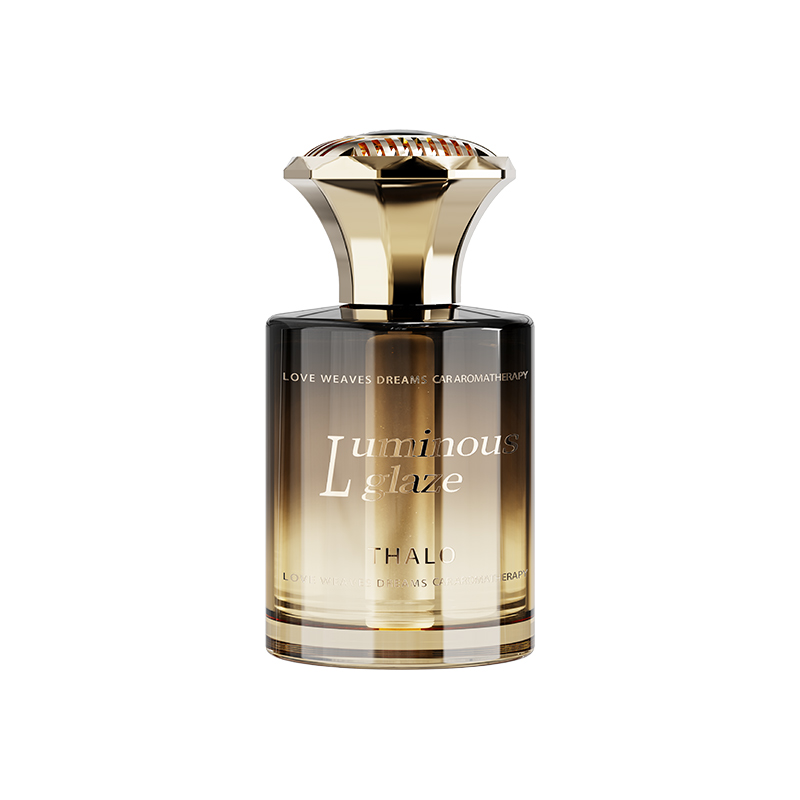
 Liu Guang YearsTurn Every Breath Into a Moment of Escape.
Leave the noise of everyday life behind and step into a world of rich, elegant fragrance. Thalo Liu Guang Years Fragrance Diffuser brings a luxurious scent experience to your car and personal space, transforming ordinary moments into relaxing rituals.
Crafted with premium imported fragrance oils, this flameless aromatherapy diffuser releases a refined and lasting aroma without fire or electricity. Inspired by the timeless beauty of agarwood and sophisticated Oriental fragrance, it creates a warm, elegant atmosphere wherever you go.
Place it in your car before a busy day, or enjoy its fragrance at home during your quiet moments. With a sophisticated bottle design and approximately 60 days of fragrance diffusion, it combines premium car fragrance, long-lasting scent and elegant decoration in one beautiful product.
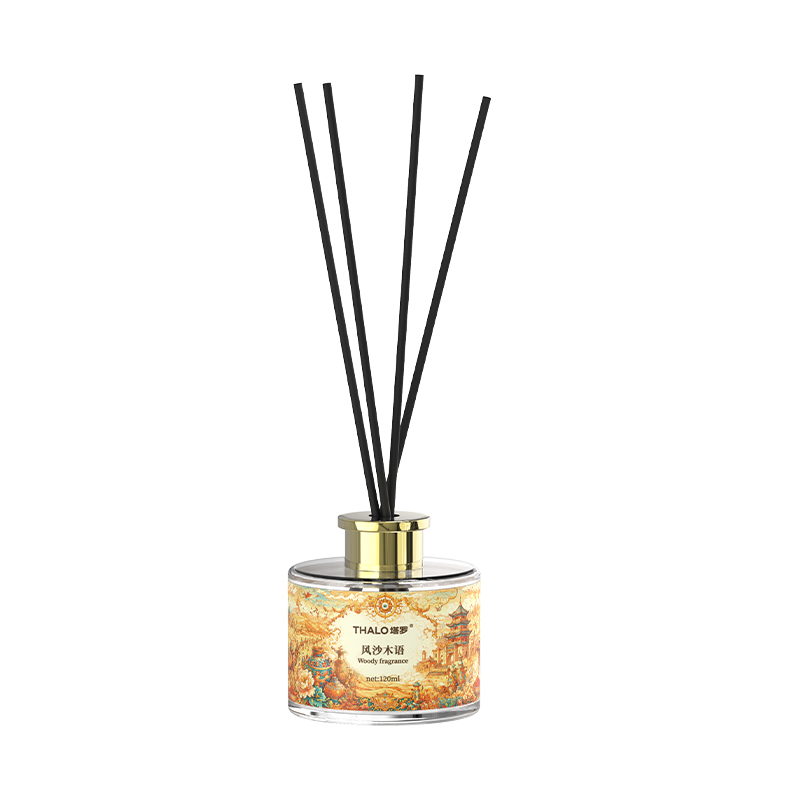
Thalo — fragrance that makes every moment feel extraordinary. Silk Road Flower LanguageA Fragrance Journey Along the Silk Road
Step into a world where ancient Silk Road culture meets modern home fragrance. Thalo Silk Road Reed Diffuser transforms your space with an elegant Oriental-inspired aroma, bringing warmth, sophistication and a sense of discovery to everyday moments.
Designed as a flameless home fragrance, it continuously releases fragrance through natural diffuser reeds, creating a calm and inviting atmosphere without fire or electricity. The artistic bottle and premium gift box make it a beautiful addition to bedrooms, entryways, living rooms, boutiques and hotels.
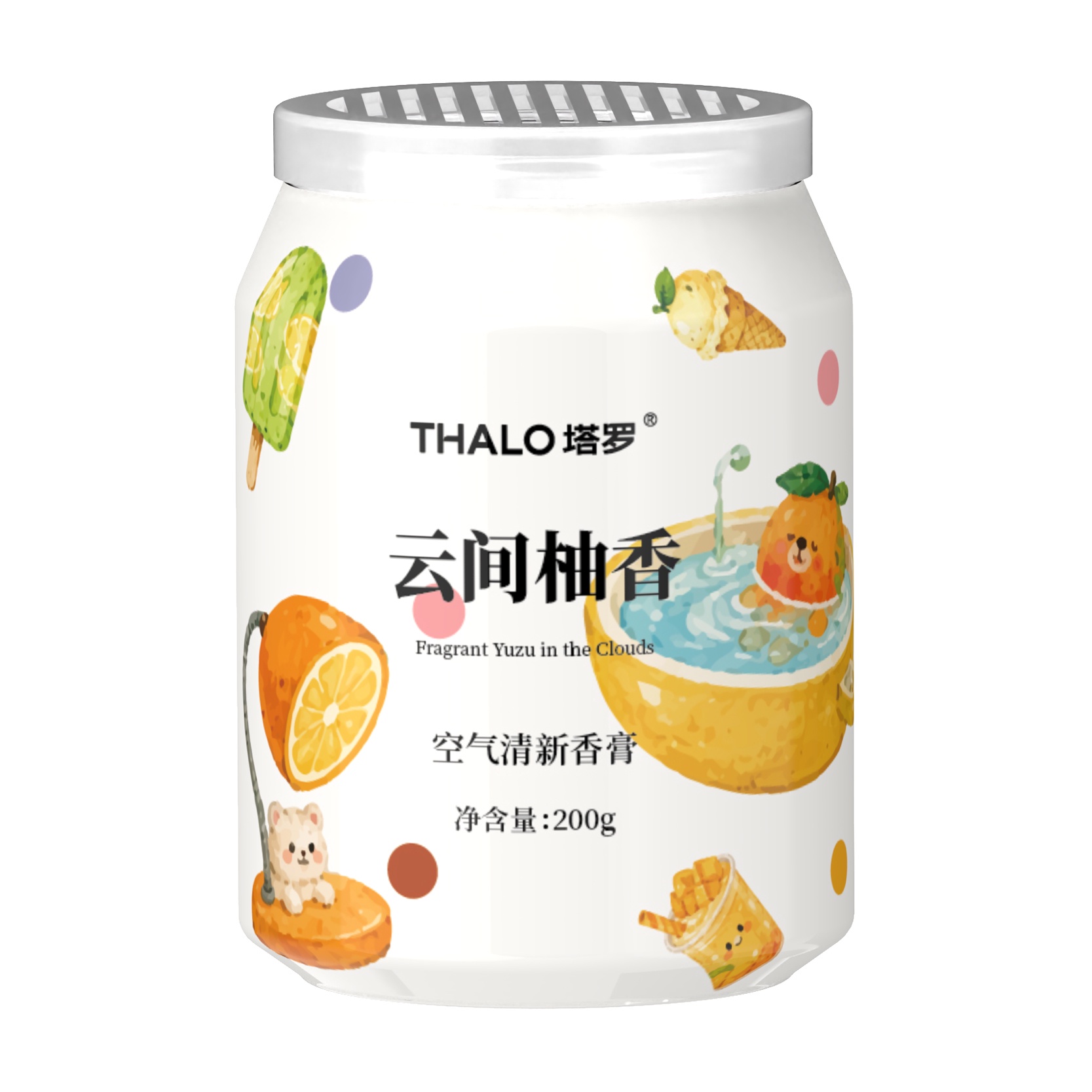
Let every breath become a journey through fragrance. GuoyangYour Car Deserves Better Than That "New Car Smell"
Ever step into your car and wish it smelled like a sunlit orchard instead of stale air.Meet THALO's Fruit Scent Collection — a solid car air freshener that turns every drive into a mini fruit paradise. No sprays, no plugs, no mess. Just unscrew the ventilated lid, and let the 200g fragrance gel slowly release pure, juicy aroma for weeks.
Pick your mood: White Peach in the Snow (soft, creamy, dreamy), Fragrant Yuzu in the Clouds (bright citrus that wakes you up), or Laurel Apple (warm apple-cinnamon comfort). Each jar is hand-illustrated with adorable fruit art that looks as good as it smells — a dopamine hit for your cup holder.
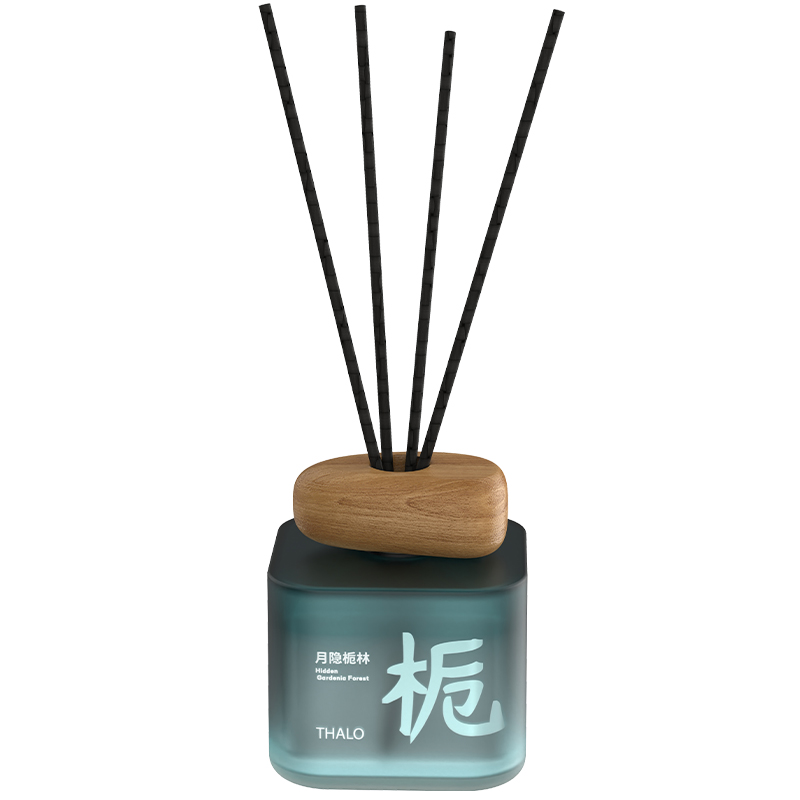
Safe for daily commutes, family trips, and long drives. Plant-based formula, IFRA-certified, crafted with Firmenich perfumers. Fresh air, one twist away. ZHICHUNLet Nature Fill Your Space With Fragrance,Turn an ordinary room into a peaceful fragrance retreat. Thalo “Spring Awakening” Reed Diffuser brings the beauty of Oriental-inspired scents into everyday life, creating a warm and elegant atmosphere without flame, smoke or electricity.
Inspired by nature, the 180ml Home Fragrance Collection features three distinctive scents: Moonlit Gardenia Forest, Wumu Gradually Becomes Spring, and Green Tea Reflection Spring. Each fragrance unfolds gently through high-density reed sticks, filling your space with a continuous and refined aroma.
The frosted glass bottle, wood-inspired cap and minimalist design add a sophisticated decorative touch to any interior. Perfect for bedrooms, living rooms, bathrooms, offices, boutiques and hotels, this Natural Reed Diffuser creates a relaxing fragrance experience while helping refresh indoor air.
Bring a touch of spring, nature and tranquility into every moment with Thalo.
Can't find what you're looking for ?
Leave a Message we will call you back quickly!
Professional Service
Interested? Leave your contact details.
Search Starts Here

