


Introduction to Commercial Aromatherapy Spray Technologies
As commercial aromatherapy spray technologies evolve rapidly, businesses must evaluate 2026's top 3 systems for efficacy, safety, and ROI. This technical comparison empowers procurement specialists and safety officers to make data-driven decisions about diffusion methods, ingredient stability, and compliance standards. Discover how next-gen misting technologies can enhance your facility's ambiance while meeting stringent commercial requirements.
Commercial aromatherapy systems have advanced significantly in recent years, offering businesses more efficient and safer solutions for creating pleasant environments. With over 78% of facilities now using some form of scent diffusion technology, understanding the latest innovations is crucial for making informed purchasing decisions.
Key Evaluation Criteria for Commercial Aromatherapy Systems
When comparing commercial aromatherapy spray technologies, several critical factors must be considered:
- Diffusion efficiency (coverage area per liter of solution)
- Ingredient stability and shelf life
- Energy consumption and operational costs
- Maintenance requirements and service intervals
- Compliance with safety and environmental regulations
The following table compares these key factors across the three leading technologies:
As shown in the comparison, HVAC-integrated systems offer the widest coverage with minimal additional energy requirements, making them ideal for large commercial spaces exceeding 10,000 square feet.
Technology 1: Advanced Ultrasonic Diffusion
Ultrasonic diffusion technology has evolved significantly since its introduction, with modern systems offering 40% greater efficiency than models from just five years ago. These systems use high-frequency vibrations to create a fine mist, typically operating at frequencies between 1.7-2.4 MHz.
Key Advantages
- Silent operation (below 35 dB)
- Low energy consumption (15-25W per unit)
- Precise scent control with programmable timers
- Compatible with most essential oil blends
For facilities requiring targeted scent solutions in specific areas, ultrasonic diffusers provide excellent zone control. They're particularly effective in spaces up to 5,000 square feet, with multiple units recommended for larger areas.
Technology 2: High-Efficiency Nebulizing Systems
Nebulizing technology represents the mid-range option in commercial aromatherapy, offering superior diffusion rates without requiring HVAC integration. These systems use compressed air to break essential oils into microscopic particles (0.5-5 microns).
Modern nebulizers now feature advanced filtration systems that extend component life by up to 60% compared to earlier models. The Pen and ink cleaner technology demonstrates how precise formulation can enhance cleaning performance - a principle similarly applied in advanced nebulizer maintenance solutions.
Technology 3: HVAC-Integrated Scent Delivery
For large commercial facilities, HVAC-integrated systems provide the most comprehensive solution. These systems inject scent molecules directly into air handling units, achieving uniform distribution throughout connected spaces.
Modern HVAC scent systems feature:
- Automated dosage control (0.5-5ml per 10,000 cu ft)
- Zone-specific scent programming
- Real-time air quality monitoring
- Remote management via IoT platforms
Safety and Compliance Considerations
Commercial aromatherapy systems must meet stringent safety standards, particularly in healthcare and food service environments. Key compliance areas include:
- OSHA air quality standards
- FDA GRAS (Generally Recognized As Safe) certification for scent compounds
- UL certification for electrical components
- Local fire codes regarding mist dispersion
The Pen and ink cleaner demonstrates how specialized formulations can address specific cleaning challenges - a principle equally important when selecting aromatherapy solutions for sensitive environments.
Implementation and Maintenance Best Practices
Proper installation and maintenance are crucial for optimal system performance. Follow these guidelines:
- Conduct a facility assessment to determine optimal unit placement
- Establish a regular cleaning schedule (weekly for high-traffic areas)
- Monitor scent intensity with employee feedback surveys
- Replace filters and wicks according to manufacturer specifications
- Maintain detailed usage logs for warranty compliance
Conclusion and Next Steps
Selecting the right commercial aromatherapy technology requires balancing performance, cost, and maintenance factors. For facilities under 5,000 sq ft, ultrasonic systems offer excellent value. Mid-sized spaces benefit from nebulizing technology, while large facilities should consider HVAC integration.
To determine the optimal solution for your specific requirements, consult with our commercial scent technology specialists. We can provide customized recommendations based on your facility size, budget, and operational needs.
Related Products
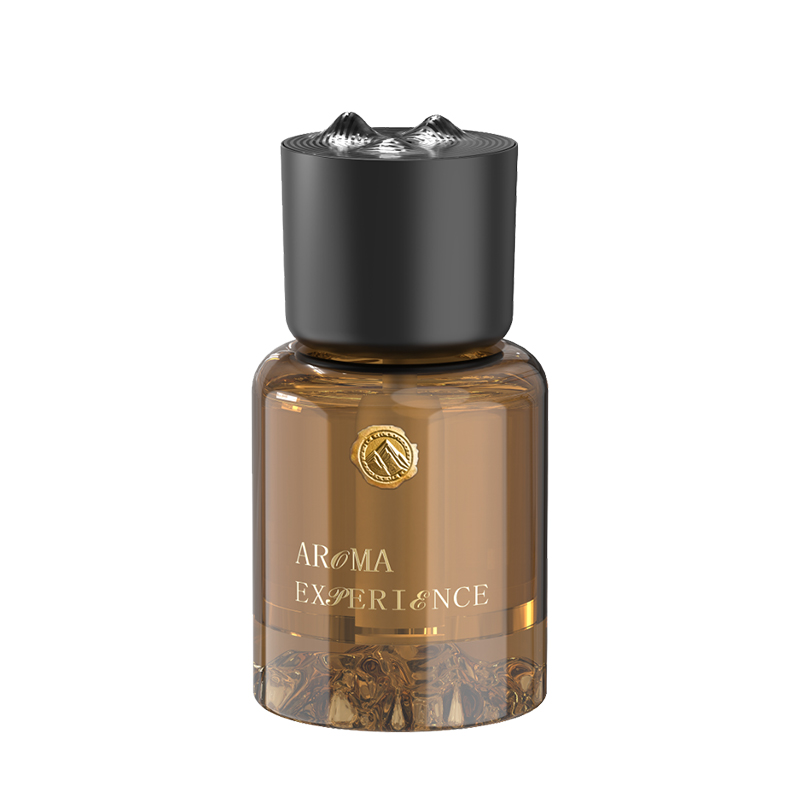
 lingwuImagine opening the car door and being greeted by a fresh and fragrant scent instead of yesterday's smoke, food, or pet odors. Our intelligent spray car fragrance transforms daily driving into a more comfortable sensory experience. The fashionable liquid fragrance bottle and delicate spray design can be evenly spread to all parts of the car, while setting off the elegant style of the cabin. Whether it's commuting, travel, fleet management, or retail display, this car fragrance can add exquisite embellishments. Its high-end appearance is also suitable for automotive parts stores, lifestyle retailers, promotional gifts, and private label projects.
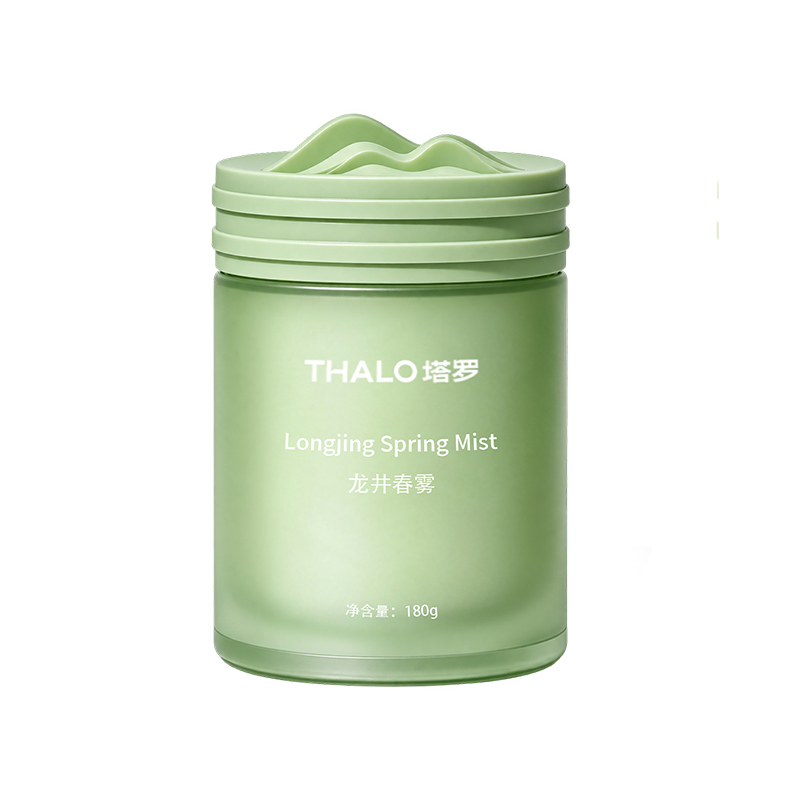
 QingyanLet every time you get on the car, start with a scent you like. THALO 180g car solid fragrance, integrated into the interior space with a simple and clean canned design, with five colors corresponding to different fragrance choices: pink, blue, yellow, black, and green. No need for complicated operations, placed on the dashboard or central armrest area, it can add a more comfortable atmosphere for daily commuting, long-distance travel, and in car rest. Choose your favorite fragrance to give the familiar cabin a more distinctive and exclusive atmosphere.
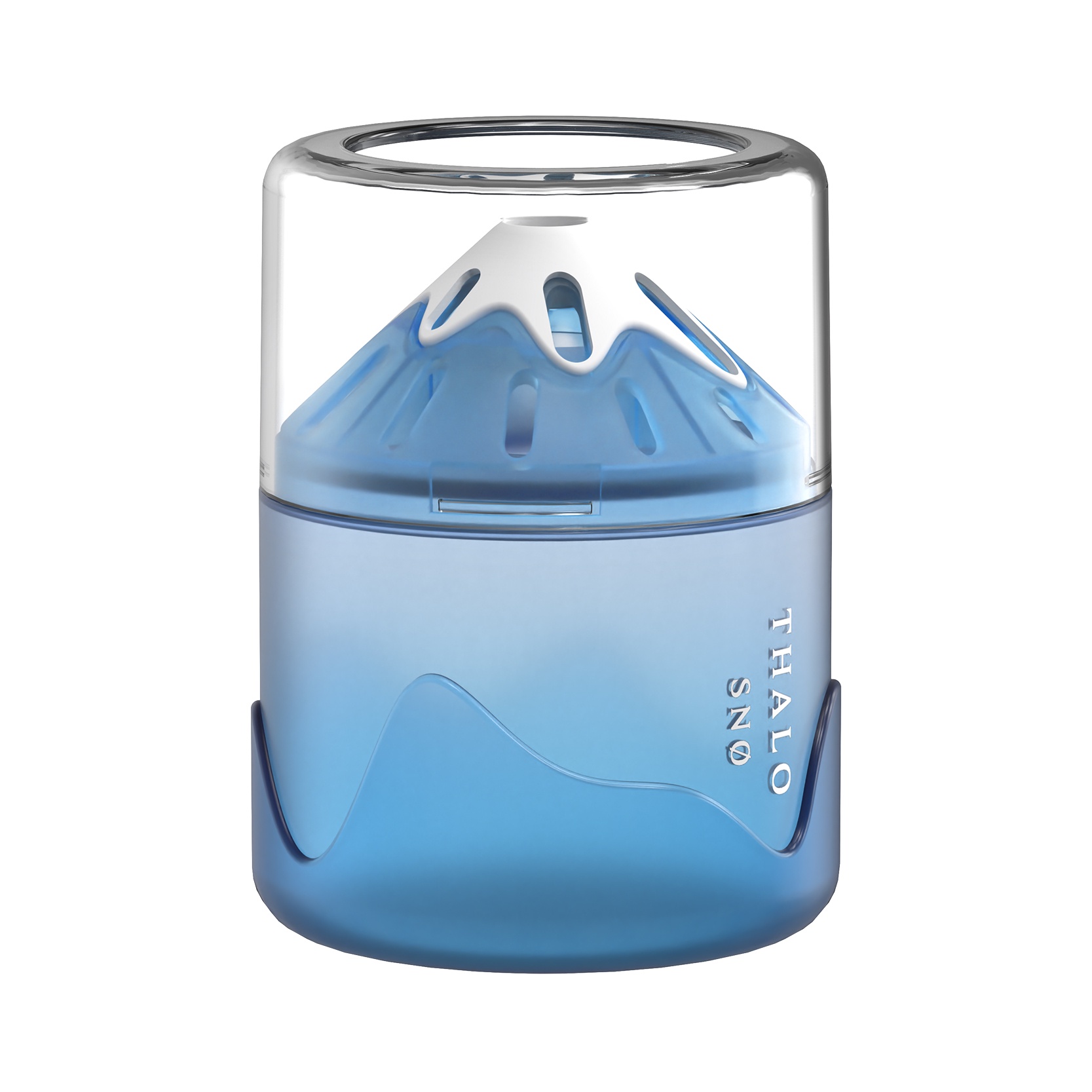
 KONGSHANDon't rush to leave as soon as you get on the car. Make a fresh atmosphere the first stop of every journey. The THALO mountain shaped car fragrance, with its unique mountain peak shape and transparent top cover, is placed in the dashboard or cup holder. It is not only an in car fragrance product, but also an exquisite decoration to enhance the cabin texture. To provide a more comfortable in car experience for daily commuting, weekend travel, and long-distance driving in response to odors and second-hand smoke. Blue, white, and gray colors are available for easy matching with different car interiors.
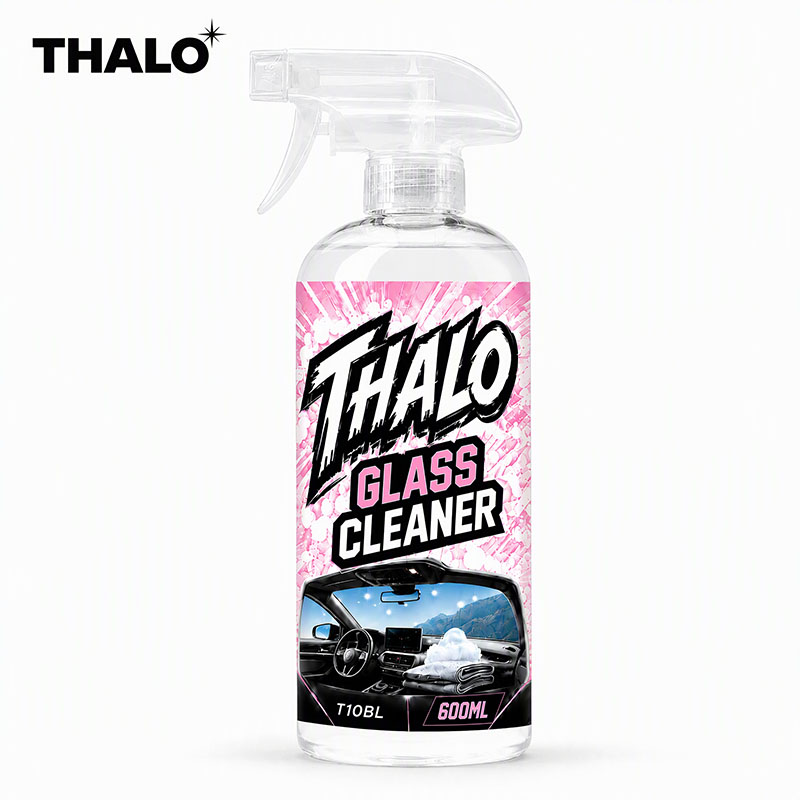
 Glass wiping solutionA clean view can change the feeling of every drive.
Dust, fingerprints and water marks can quickly build up on everyday car glass, making routine vehicle care feel like another chore. THALO Glass Cleaner Spray keeps the process simple: spray evenly, wipe with a cloth and refresh the look of your windshield, windows and mirrors.
The 600ml trigger bottle is easy to handle and fits naturally into a regular car-care routine at home, in the garage or before heading out. With its bold THALO design and practical spray format, it is a useful choice for drivers, detailing retailers and automotive-care collections.
Keep THALO nearby whenever your car glass needs a quick everyday refresh.
Can't find what you're looking for ?
Leave a Message we will call you back quickly!
Professional Service
Interested? Leave your contact details.
Search Starts Here

