


News
Choosing the right home fragrance strength is not just about picking a scent you like. It is about matching scent throw to the size, layout, and use of a room so the fragrance feels pleasant instead of distracting. For users and operators, the best approach is simple: smaller rooms need lighter diffusion, larger rooms need stronger coverage, and busy or odor-prone spaces often need better performance rather than just more fragrance.
When people search for a home fragrance guide like this, they usually want a practical answer. They want to know how strong a fragrance should be in a bedroom, bathroom, office, or larger shared space. They also want to avoid common problems such as weak scent performance, overpowering fragrance, fast scent fatigue, or poor product matching.
The most useful way to make that decision is to look at room size first, then consider airflow, ceiling height, fabric density, and the purpose of the space. A relaxing bedroom and a high-traffic bathroom do not need the same fragrance intensity, even if their square footage is similar.
What users really need to know before choosing home fragrance strength
The core search intent behind this topic is practical selection. Readers are not only asking what home fragrance is. They are asking how to choose the right strength for real spaces and daily use.
For operators and end users, the biggest concern is balance. If the scent throw is too light, the room feels empty and the product seems ineffective. If it is too strong, the space can feel heavy, artificial, or uncomfortable.
That is why fragrance strength should be evaluated as a performance match. The goal is not maximum intensity. The goal is a stable, comfortable scent presence that suits the room and supports how people use it.
Start with room size, but do not stop there
Room size is the easiest starting point. In general, small rooms need mild to medium scent throw, medium rooms need medium coverage, and large open spaces often need medium to strong diffusion to feel consistent.
As a simple guide, bathrooms, compact bedrooms, and small offices usually work best with lighter fragrance output. Standard bedrooms, private offices, and moderate living spaces often need a balanced mid-level throw. Large lounges, open-plan areas, or commercial-style spaces usually need stronger diffusion.
However, square footage alone does not tell the full story. A room with high ceilings will disperse fragrance more quickly. A room with strong air conditioning, open windows, or frequent door movement may also lose scent faster.
Soft materials matter too. Curtains, rugs, bedding, and upholstered furniture can absorb fragrance and reduce the initial impact. In these spaces, users may think they need a stronger product, when they may simply need better diffusion technology.
How to match scent throw to specific room types
Bedrooms usually benefit from softer fragrance strength. Most people want a calm atmosphere that supports rest, not a scent that dominates the air. Light botanical, clean, or comforting notes tend to work better than very sharp or heavy profiles.
Bathrooms are different. Even when the room is small, it often needs faster odor control and a clearer fragrance impression. In that case, a moderate throw can work better than a very light one, especially if ventilation is strong.
Offices need controlled consistency. A fragrance that is too weak may disappear behind paper, electronics, and conditioned air. A fragrance that is too strong can distract concentration. Medium throw with a fresh, clean character is often the safest choice.
For automotive use, scent behavior changes again because the space is enclosed but frequently affected by temperature shifts. A product designed for rapid yet balanced diffusion is often more effective than a general room fragrance.
In this kind of use case, products such as Wilderness can fit well because they are designed to instantly eliminate car odors, purify the air, and quickly fill the vehicle with refreshing fragrance while also supporting relaxation.
Why some fragrances feel too weak even when the product is good
Many users assume poor scent perception means poor product quality. Sometimes that is true, but often the issue is mismatch. The fragrance may be suitable in character but not in strength for the space.
Another common reason is scent fatigue. When people stay in one room for a long period, the nose adjusts and notices the fragrance less. This does not always mean the scent has disappeared. It may still be present for new entrants.
Placement also matters. If a fragrance source is hidden behind objects, placed in a stagnant corner, or too close to strong airflow, performance may drop. Better placement can improve scent throw without increasing intensity.
Product format also changes the result. Sprays, diffusers, gels, and vent-based systems release fragrance differently. A user who wants steady all-day coverage should not judge performance by the same standard used for a quick-refresh product.
How operators can judge the right fragrance intensity more accurately
For operators, a useful method is to assess the room in four steps: measure size, check airflow, define room purpose, and estimate odor load. This gives a more reliable basis than choosing fragrance strength by preference alone.
Step one is room size. Record whether the area is small, medium, or large. Step two is airflow. Identify windows, doors, fans, and air conditioning that may weaken scent concentration.
Step three is room purpose. Is the space for rest, work, hygiene, waiting, or transit? A restful space usually needs low to medium scent intensity, while an odor-control space may need medium to strong performance.
Step four is odor load. Kitchens, bathrooms, vehicles, and busy workspaces often carry more competing smells than bedrooms or storage rooms. In these cases, stronger functional performance is often more important than stronger sweetness.
If possible, test fragrance output in real conditions for several hours. Initial scent impact can be misleading. What matters is whether the room still feels balanced after normal use, movement, and ventilation.
What to look for in a home fragrance product beyond scent strength
Good home fragrance is not only about how far the scent travels. It is also about diffusion quality, odor management, comfort, and emotional effect. A harsh fragrance can fill a room quickly but still create a poor experience.
Many users now prefer natural-smelling scent profiles because they feel cleaner and easier to live with over time. Botanical-inspired fragrances often support this goal, especially in bedrooms, offices, and personal spaces.
Diffusion technology is another important factor. A well-designed system can spread fragrance more evenly, helping users avoid the common problem of strong scent near the source and weak scent elsewhere in the room.
For example, some products in the market use advanced diffusion methods to create more even coverage. A product like Wilderness combines carefully selected natural botanical scents with 3D diffusion technology to create a fresher and more balanced sensory experience.
Common mistakes when matching home fragrance to room size
The first mistake is choosing the strongest option for every space. Stronger is not always better. In small rooms, too much scent can feel stuffy and reduce comfort very quickly.
The second mistake is ignoring room function. A bathroom may need crisp odor-clearing performance, while a bedroom needs gentler support for relaxation. Using the same fragrance strength in both spaces often leads to disappointment.
The third mistake is testing for only a few minutes. Fragrance that seems pleasant at first can become tiring over time. Users should judge scent throw based on how the room feels after thirty minutes, two hours, and repeated daily use.
The fourth mistake is overlooking environmental changes. Temperature, humidity, and seasonal ventilation can all affect scent diffusion. A level that works in winter may feel too light or too heavy in summer.
A simple decision guide for everyday users
If your room is small and enclosed, start with light to medium home fragrance strength. If your room is medium-sized and used regularly, choose medium strength with steady diffusion. If your room is large, open, or odor-prone, consider medium to strong performance with good coverage technology.
If the space is mainly for sleep or quiet work, prioritize softness and comfort. If the space needs odor removal or quick freshness, prioritize effective diffusion and clean scent character. This is often the fastest way to narrow your options.
When in doubt, it is usually better to start slightly lighter and increase as needed. Overpowering fragrance is harder to correct than a scent that is simply a little too subtle.
Conclusion
Matching scent throw to room size is the key to making home fragrance work well in real life. The right choice depends on more than square footage alone. Room function, airflow, ceiling height, materials, and odor load all affect how a fragrance performs.
For users and operators, the best results come from choosing fragrance strength with purpose. Small restful rooms need restraint, practical spaces need balance, and larger or odor-heavy environments need stronger functional coverage. When these factors are aligned, home fragrance becomes more comfortable, more effective, and far more satisfying to use every day.
Related Products
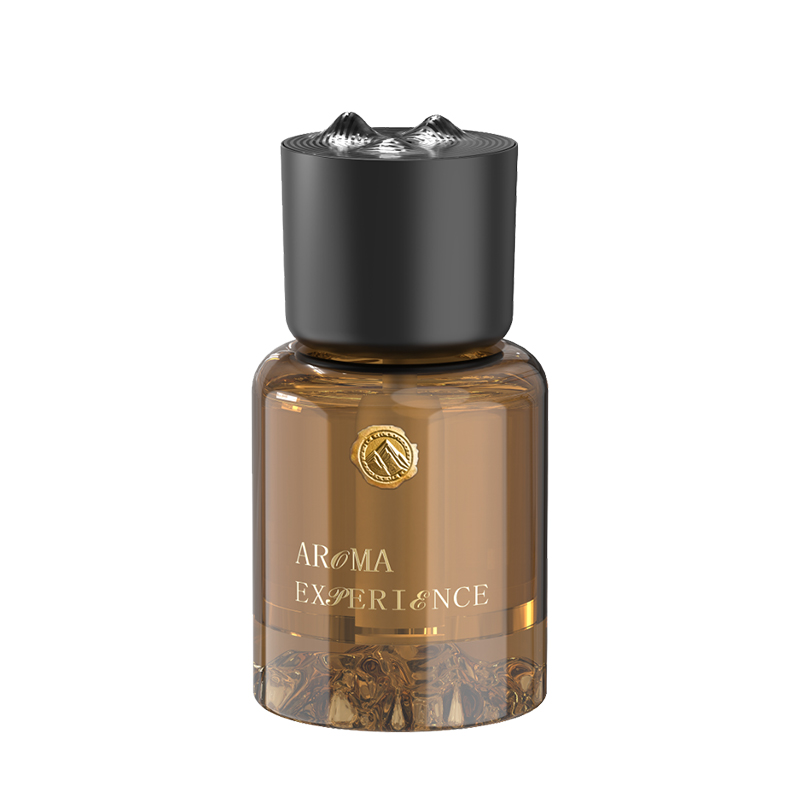
 lingwuImagine opening the car door and being greeted by a fresh and fragrant scent instead of yesterday's smoke, food, or pet odors. Our intelligent spray car fragrance transforms daily driving into a more comfortable sensory experience. The fashionable liquid fragrance bottle and delicate spray design can be evenly spread to all parts of the car, while setting off the elegant style of the cabin. Whether it's commuting, travel, fleet management, or retail display, this car fragrance can add exquisite embellishments. Its high-end appearance is also suitable for automotive parts stores, lifestyle retailers, promotional gifts, and private label projects.
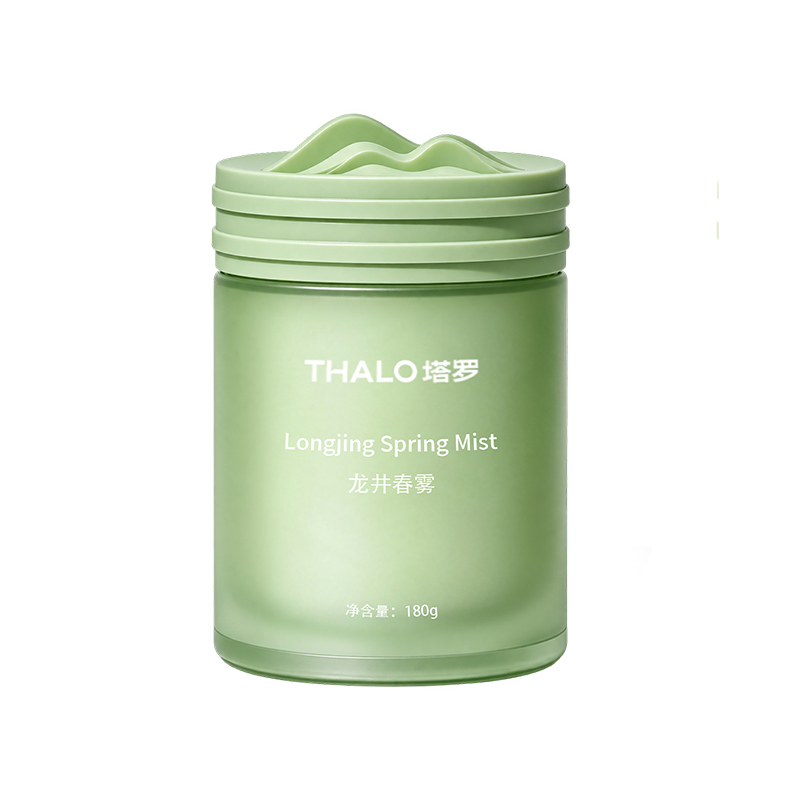
 QingyanLet every time you get on the car, start with a scent you like. THALO 180g car solid fragrance, integrated into the interior space with a simple and clean canned design, with five colors corresponding to different fragrance choices: pink, blue, yellow, black, and green. No need for complicated operations, placed on the dashboard or central armrest area, it can add a more comfortable atmosphere for daily commuting, long-distance travel, and in car rest. Choose your favorite fragrance to give the familiar cabin a more distinctive and exclusive atmosphere.
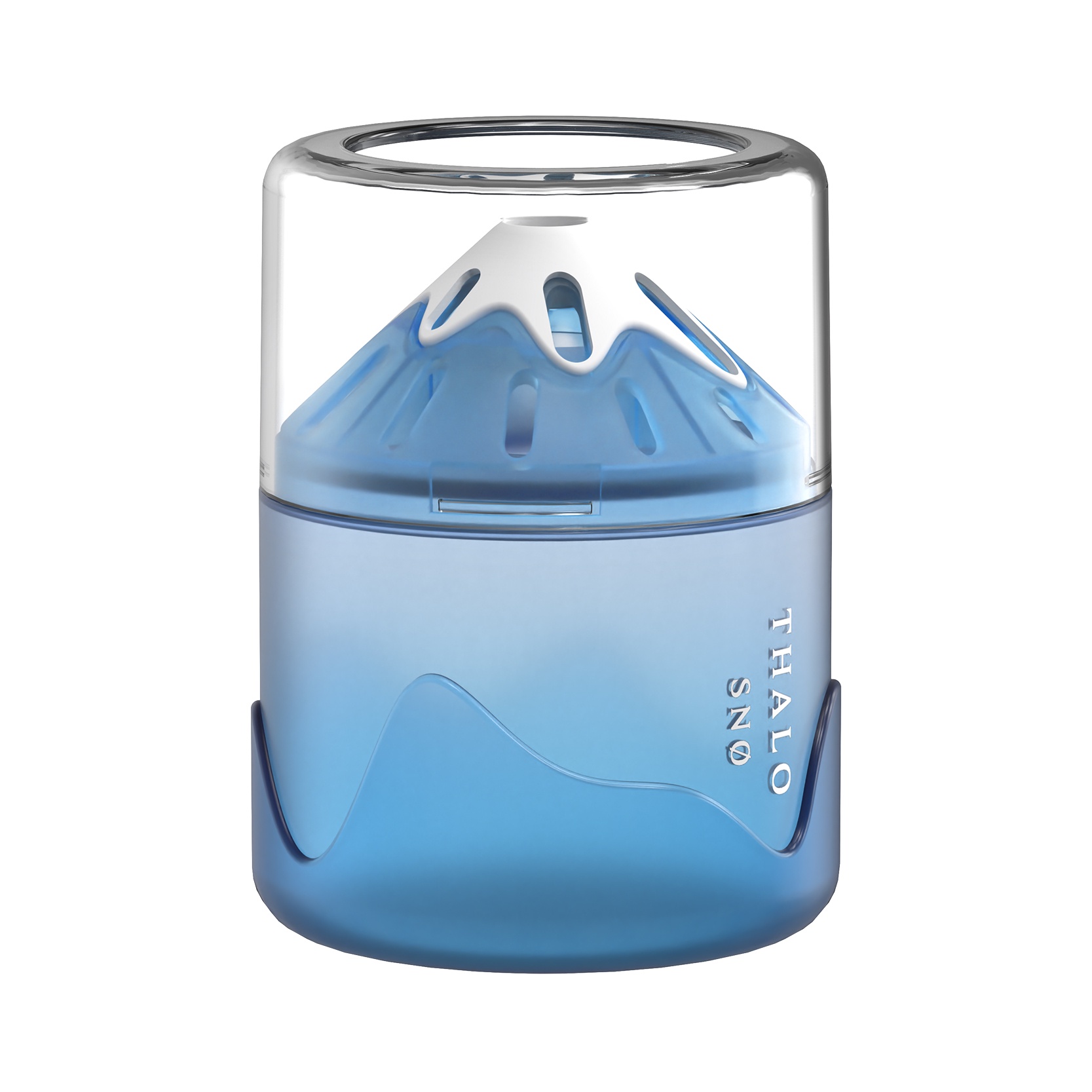
 KONGSHANDon't rush to leave as soon as you get on the car. Make a fresh atmosphere the first stop of every journey. The THALO mountain shaped car fragrance, with its unique mountain peak shape and transparent top cover, is placed in the dashboard or cup holder. It is not only an in car fragrance product, but also an exquisite decoration to enhance the cabin texture. To provide a more comfortable in car experience for daily commuting, weekend travel, and long-distance driving in response to odors and second-hand smoke. Blue, white, and gray colors are available for easy matching with different car interiors.
 Glass wiping solutionA clean view can change the feeling of every drive.
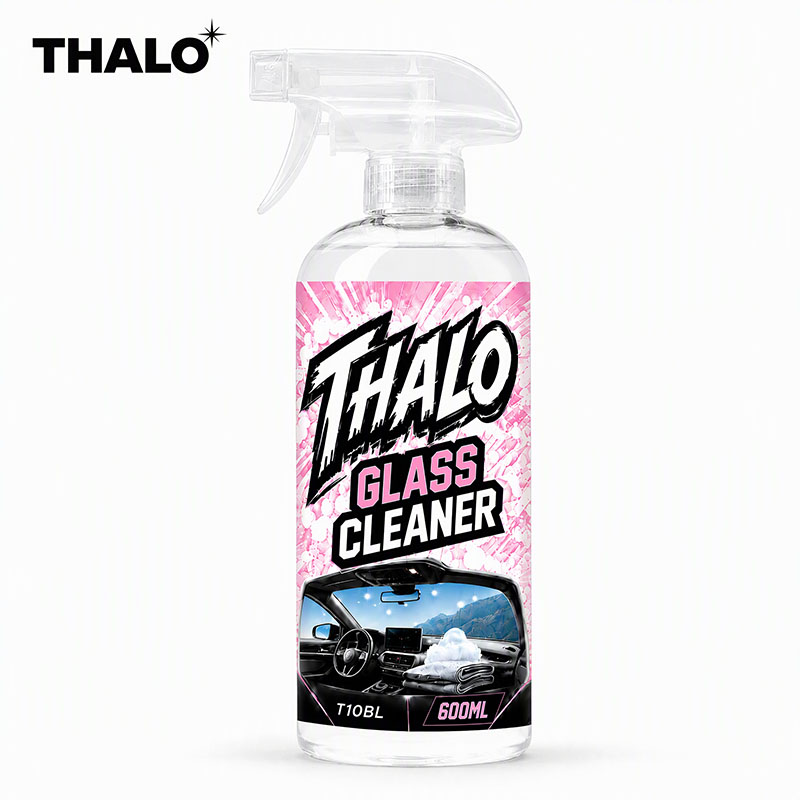
Dust, fingerprints and water marks can quickly build up on everyday car glass, making routine vehicle care feel like another chore. THALO Glass Cleaner Spray keeps the process simple: spray evenly, wipe with a cloth and refresh the look of your windshield, windows and mirrors.
The 600ml trigger bottle is easy to handle and fits naturally into a regular car-care routine at home, in the garage or before heading out. With its bold THALO design and practical spray format, it is a useful choice for drivers, detailing retailers and automotive-care collections.
Keep THALO nearby whenever your car glass needs a quick everyday refresh.
Can't find what you're looking for ?
Leave a Message we will call you back quickly!
Professional Service
Interested? Leave your contact details.
Search Starts Here

