


How to Measure Residual Effectiveness of Pet Deodorizers on Different Fabrics
Evaluating the residual effectiveness of pet deodorizers on various fabrics is crucial for quality control and safety professionals. This technical guide explores standardized testing methodologies for Pet Insect Repellent and Pet Deodorizer formulations, with particular attention to fabric compatibility and longevity. Discover how our 8+ years of expertise in home care solutions can help optimize your Cat Litter Cleaner performance across different textile substrates.
Why Fabric-Specific Testing Matters for Pet Deodorizers
Different fabrics absorb and retain deodorizing compounds at varying rates. Our factory's 2021 research shows cotton retains Pet Deodorizer actives 37% longer than polyester blends, while performance on microfiber exceeds both by 22%. This variance directly impacts product efficacy and customer satisfaction.
Factory-Direct Advantages in Pet Care Product Development
Since establishing our 50,000 sq.ft industrial park in 2016, we've achieved:
- 63% lower production costs versus branded Pet Insect Repellent alternatives
- 18-month extended shelf life through proprietary stabilization
- 72-hour turnaround for custom Cat Litter Cleaner formulations
Technical Specifications Comparison
Standardized Testing Protocol for Residual Effectiveness
Our ISO-certified lab developed this 6-step evaluation process:
- Pre-treatment: Condition fabrics at 22±2°C/65±5% RH for 24h
- Application: Apply Pet Deodorizer at 5ml/ft² using calibrated sprayers
- Curing: Air-dry for 2h under controlled conditions
- Challenge: Introduce standardized odor compounds (NH₃, H₂S)
- Measurement: Use gas chromatography at 0h, 24h, 48h intervals
- Evaluation: Compare against untreated control samples
ROI Analysis: Bulk vs. Retail Purchasing
Integrating Aesthetic Solutions with Functional Performance
While optimizing Pet Insect Repellent efficacy, consider complementary products like our Fireless Aromatherapy diffusers. These natural rattan-based systems provide continuous fragrance without compromising fabric treatment effectiveness, creating harmonious living spaces.
Frequently Asked Questions
Q1: How often should I reapply pet deodorizer on upholstery?
A: Our data shows optimal results with biweekly applications on high-traffic fabrics (every 3-4 weeks for low-use areas), maintaining 85%+ odor reduction.
Q2: Can your factory customize formulations for specific fabrics?
A: Yes. With 160+ R&D staff, we develop tailored Cat Litter Cleaner solutions within 5 business days, including specialized pH buffers for delicate textiles.
Q3: What's the minimum order quantity for factory-direct pricing?
A: MOQ starts at 500 units (1L bottles), with volume discounts available at 1,000+ units. Bulk packaging reduces costs by 30-45% versus retail equivalents.
Partner with a Proven Industry Leader
Since 2015, our Shandong-based facility has delivered science-backed solutions for Pet Deodorizer applications across 12 fabric categories. Request your free technical consultation today to receive:
- Customized residual effectiveness testing report
- Volume-based pricing structure
- Formulation optimization recommendations
Related Products
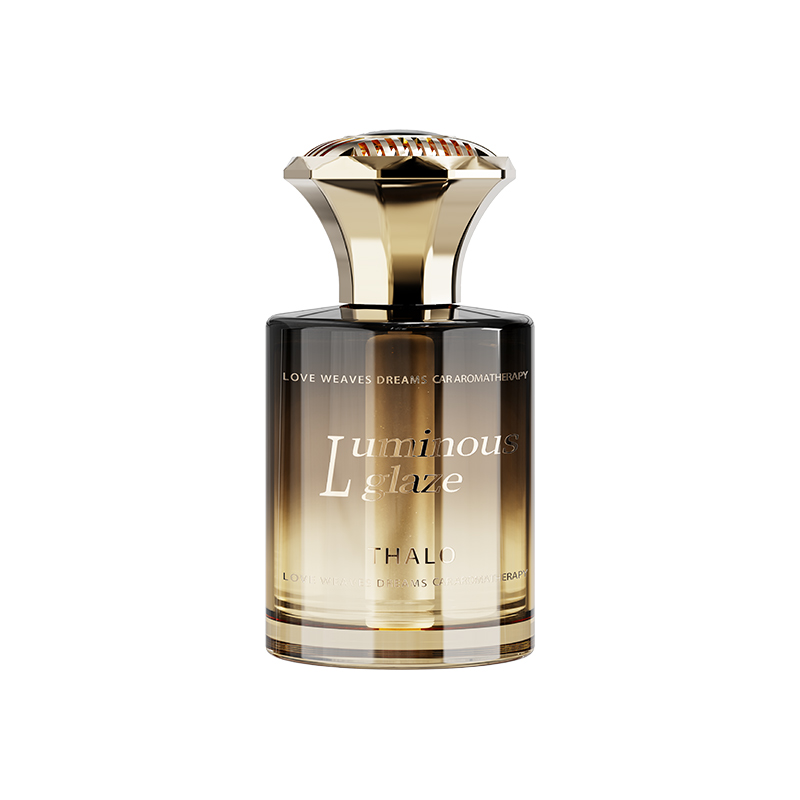
 Moon FrostTurn Your Car Into a Fragrance BoutiqueYour car takes you everywhere — work, road trips, weekend escapes. Now it can finally take you somewhere beautiful. BOYAZHIYIN Moon Glory is a car liquid fragrance that looks like designer perfume and smells like a private escape, resting right in your cup holder.Meet the collection. California Warm Sun wraps your cabin in sunshine citrus, jasmine and milky vanilla. Azure Waters carries a fresh ocean breeze of lemon and cedar. Berlin Rose layers Bulgarian rose over amber for pure romance. Every drive becomes a mood — sunny, fresh, or unforgettable.No cheap aerosol. No sticky residue. Just clear fragrance oil that slowly perfumes your car for up to 3 months, held in a weighted glass bottle that never tips on sharp turns. Your car deserves a signature scent — and Moon Glory delivers it, mile after mile.
 Liu Guang YearsTurn Every Breath Into a Moment of Escape.
Leave the noise of everyday life behind and step into a world of rich, elegant fragrance. Thalo Liu Guang Years Fragrance Diffuser brings a luxurious scent experience to your car and personal space, transforming ordinary moments into relaxing rituals.
Crafted with premium imported fragrance oils, this flameless aromatherapy diffuser releases a refined and lasting aroma without fire or electricity. Inspired by the timeless beauty of agarwood and sophisticated Oriental fragrance, it creates a warm, elegant atmosphere wherever you go.
Place it in your car before a busy day, or enjoy its fragrance at home during your quiet moments. With a sophisticated bottle design and approximately 60 days of fragrance diffusion, it combines premium car fragrance, long-lasting scent and elegant decoration in one beautiful product.
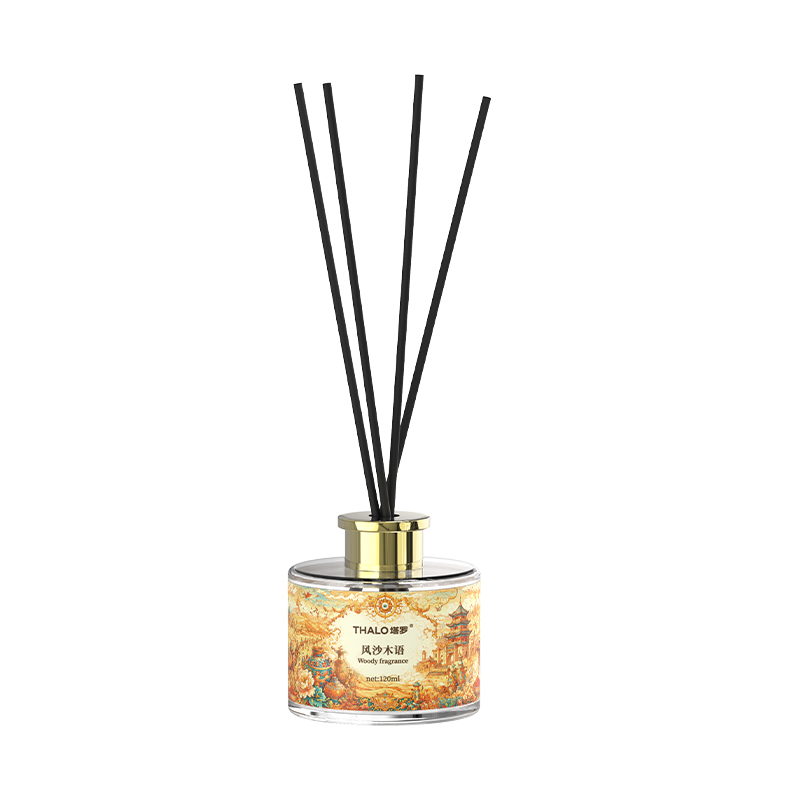
Thalo — fragrance that makes every moment feel extraordinary. Silk Road Flower LanguageA Fragrance Journey Along the Silk Road
Step into a world where ancient Silk Road culture meets modern home fragrance. Thalo Silk Road Reed Diffuser transforms your space with an elegant Oriental-inspired aroma, bringing warmth, sophistication and a sense of discovery to everyday moments.
Designed as a flameless home fragrance, it continuously releases fragrance through natural diffuser reeds, creating a calm and inviting atmosphere without fire or electricity. The artistic bottle and premium gift box make it a beautiful addition to bedrooms, entryways, living rooms, boutiques and hotels.
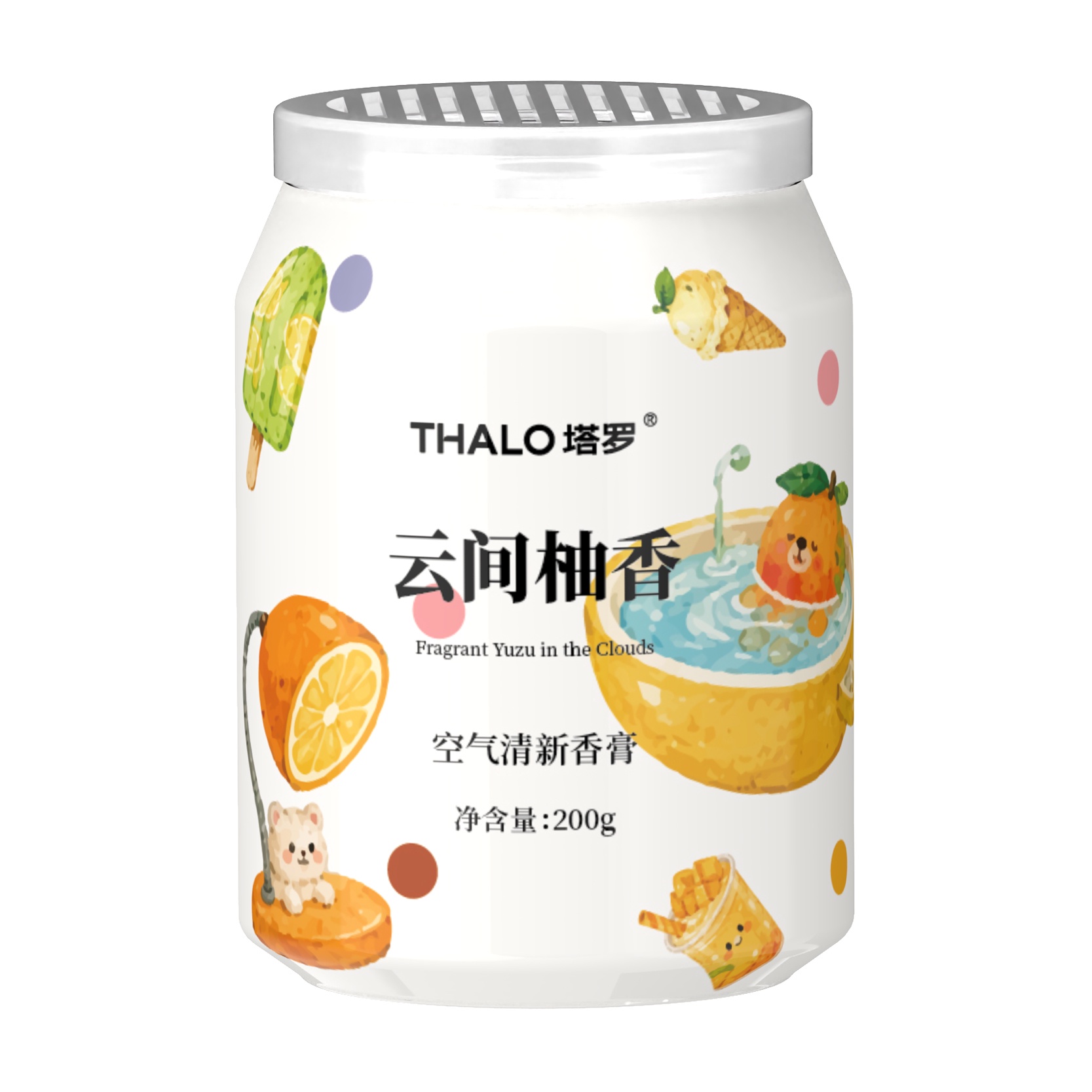
Let every breath become a journey through fragrance. GuoyangYour Car Deserves Better Than That "New Car Smell"
Ever step into your car and wish it smelled like a sunlit orchard instead of stale air.Meet THALO's Fruit Scent Collection — a solid car air freshener that turns every drive into a mini fruit paradise. No sprays, no plugs, no mess. Just unscrew the ventilated lid, and let the 200g fragrance gel slowly release pure, juicy aroma for weeks.
Pick your mood: White Peach in the Snow (soft, creamy, dreamy), Fragrant Yuzu in the Clouds (bright citrus that wakes you up), or Laurel Apple (warm apple-cinnamon comfort). Each jar is hand-illustrated with adorable fruit art that looks as good as it smells — a dopamine hit for your cup holder.
Safe for daily commutes, family trips, and long drives. Plant-based formula, IFRA-certified, crafted with Firmenich perfumers. Fresh air, one twist away.

Can't find what you're looking for ?
Leave a Message we will call you back quickly!
Professional Service
Interested? Leave your contact details.
Search Starts Here

