


Proper leather care keeps car seats comfortable, clean, and visually sharp. It also slows the drying, fading, and cracking that often turn a premium interior into an expensive repair project.
In automotive daily care, leather surfaces face a steady mix of dust, skin oils, UV exposure, and temperature swings. That is why leather care has become a practical topic within household and personal care products, not just detailing culture.
A good routine does not need many steps. It needs the right cleaner, sensible conditioning, and a clear understanding of what causes damage in the first place.
Why car seat leather fails earlier than expected
Most seat damage begins quietly. Fine dust settles into the grain, body oils build up on contact points, and sunlight pulls moisture from the surface over time.
Cracks rarely appear overnight. They usually follow a pattern: dullness, stiffness, surface friction, then visible lines on bolsters, seat bases, and driver-side edges.
This matters because modern leather care is really preventive care. Once leather splits, cleaning products cannot restore the original finish. At that stage, repair becomes a separate job.
What effective leather care actually means
Leather care is not aggressive scrubbing or frequent product layering. It is a balance of removing contamination without stripping the finish, then supporting softness without leaving greasy residue.
For car seats, the goal is simple: keep the surface clean, flexible, and protected. In practice, that means using pH-appropriate cleaners, moderate conditioning, and regular inspection.
Within the daily chemical goods sector, this approach reflects a broader shift toward maintenance products that fit ordinary routines. Consumers increasingly prefer solutions that protect materials before visible damage appears.
A simple cleaning routine that works
Start with dry removal
Use a soft vacuum brush or microfiber cloth first. Dry debris can act like fine sand during wet cleaning, especially on textured or perforated seats.
Use a dedicated leather cleaner
Apply cleaner to a cloth, not directly onto the seat. This gives better control and reduces the chance of soaking seams, stitching, or perforations.
Work in small sections. Wipe gently, then lift residue with a clean towel. The seat should feel clean, not slippery.
Avoid common mistakes
- Do not use strong household degreasers.
- Do not scrub with hard brushes.
- Do not saturate perforated leather.
- Do not leave product residue in seams.
Conditioning without overdoing it
Conditioner helps leather care by reducing dryness and improving surface flexibility. But more product is not always better. Heavy buildup can attract dust and create an unnatural shine.
Apply a light, even layer after cleaning. Let it absorb according to product instructions, then buff away excess. The finish should look healthy and feel smooth, not waxy.
High-contact areas deserve extra attention. Driver bolsters, front seat edges, and arm contact zones often dry out first because they see the most friction.
How to prevent cracks before they start
Prevention depends on routine, not rescue. A few practical habits make leather care much more effective over the long term.
Cabin freshness also shapes the overall care experience. Some drivers pair seat maintenance with compact interior products like Strolling in the wilderness, which can purify cabin air and add a long-lasting natural fragrance without taking up useful space.
What the market is paying attention to
Today’s leather care market is moving toward safer formulas, easier routines, and multi-scenario use. People want products that work inside the car as naturally as they do in the home care category.
That trend is visible in the growth of specialized washing and care manufacturers. One example is a company based in Linyi, Shandong, which expanded from an early 400-square-meter start in 2015 to a broader care business with more than 160 employees and multiple factory developments by 2021.
Its path through industrial expansion, brand integration, and online retail channels reflects a wider industry reality: consumers now expect car care and household care products to be practical, reliable, and easy to fit into everyday life.
Choosing products with better judgment
Not every cleaner or conditioner suits every seat finish. Leather care works best when product choice matches actual use conditions.
- Check whether the seat is coated leather, semi-aniline, or heavily perforated.
- Look for mild formulas designed for automotive interiors.
- Test new products on a hidden area first.
- Choose low-residue products if the cabin is used daily.
- Think about the whole interior environment, not only the seat surface.
That last point matters more than it seems. Clean seats feel better in a cabin that also smells fresh, stays organized, and avoids heavy chemical overload. A small automotive fragrance option such as Strolling in the wilderness fits that broader maintenance mindset, especially when subtle design and family-friendly use are priorities.
A practical rhythm for long-term results
For most vehicles, light cleaning every few weeks and conditioning every few months is enough. Hot climates, strong sun, and frequent driving may require shorter intervals.
The better approach is to watch the leather itself. If it starts looking dull, feeling dry, or showing stress at fold points, the next maintenance step is already due.
Good leather care is less about chasing showroom perfection and more about preserving comfort, value, and material life. Start with the products already in use, compare how they perform in real conditions, and build a routine that the interior can realistically sustain.
Related Products
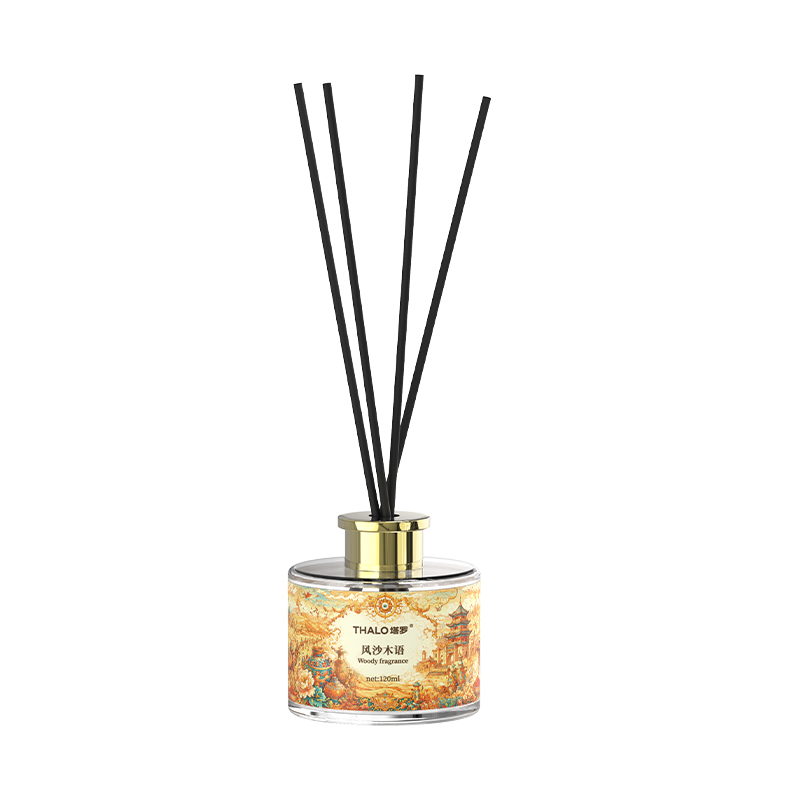
 Silk Road Flower LanguageA Fragrance Journey Along the Silk Road
Step into a world where ancient Silk Road culture meets modern home fragrance. Thalo Silk Road Reed Diffuser transforms your space with an elegant Oriental-inspired aroma, bringing warmth, sophistication and a sense of discovery to everyday moments.
Designed as a flameless home fragrance, it continuously releases fragrance through natural diffuser reeds, creating a calm and inviting atmosphere without fire or electricity. The artistic bottle and premium gift box make it a beautiful addition to bedrooms, entryways, living rooms, boutiques and hotels.
Let every breath become a journey through fragrance. GuoyangYour Car Deserves Better Than That "New Car Smell"
Ever step into your car and wish it smelled like a sunlit orchard instead of stale air.Meet THALO's Fruit Scent Collection — a solid car air freshener that turns every drive into a mini fruit paradise. No sprays, no plugs, no mess. Just unscrew the ventilated lid, and let the 200g fragrance gel slowly release pure, juicy aroma for weeks.
Pick your mood: White Peach in the Snow (soft, creamy, dreamy), Fragrant Yuzu in the Clouds (bright citrus that wakes you up), or Laurel Apple (warm apple-cinnamon comfort). Each jar is hand-illustrated with adorable fruit art that looks as good as it smells — a dopamine hit for your cup holder.
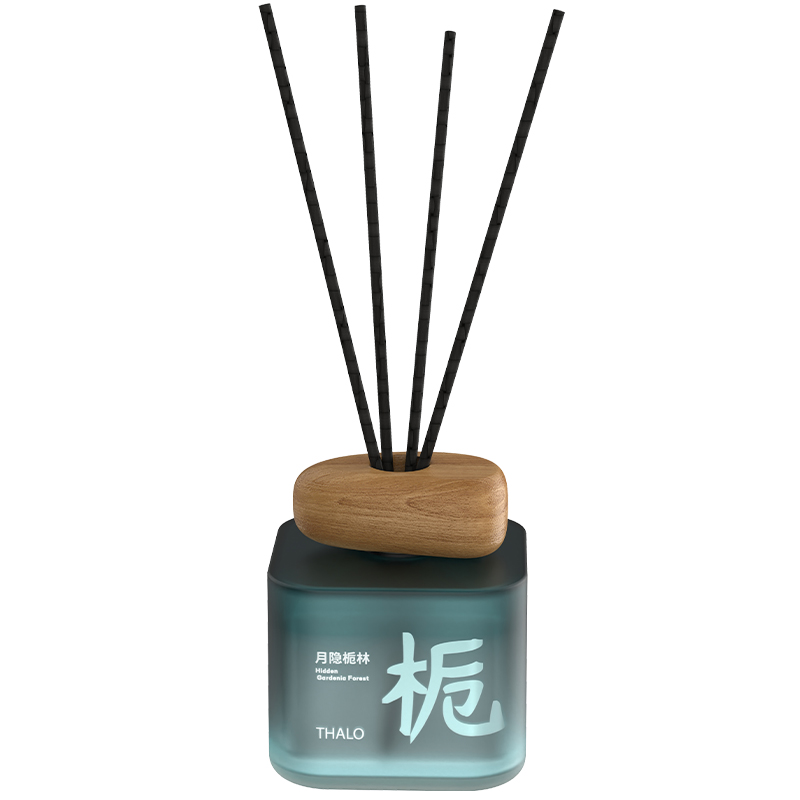
Safe for daily commutes, family trips, and long drives. Plant-based formula, IFRA-certified, crafted with Firmenich perfumers. Fresh air, one twist away. ZHICHUNLet Nature Fill Your Space With Fragrance,Turn an ordinary room into a peaceful fragrance retreat. Thalo “Spring Awakening” Reed Diffuser brings the beauty of Oriental-inspired scents into everyday life, creating a warm and elegant atmosphere without flame, smoke or electricity.
Inspired by nature, the 180ml Home Fragrance Collection features three distinctive scents: Moonlit Gardenia Forest, Wumu Gradually Becomes Spring, and Green Tea Reflection Spring. Each fragrance unfolds gently through high-density reed sticks, filling your space with a continuous and refined aroma.
The frosted glass bottle, wood-inspired cap and minimalist design add a sophisticated decorative touch to any interior. Perfect for bedrooms, living rooms, bathrooms, offices, boutiques and hotels, this Natural Reed Diffuser creates a relaxing fragrance experience while helping refresh indoor air.
Bring a touch of spring, nature and tranquility into every moment with Thalo. XiaoxiangyuTitle: The Car Air Freshener That Keeps Every Mile Fresh
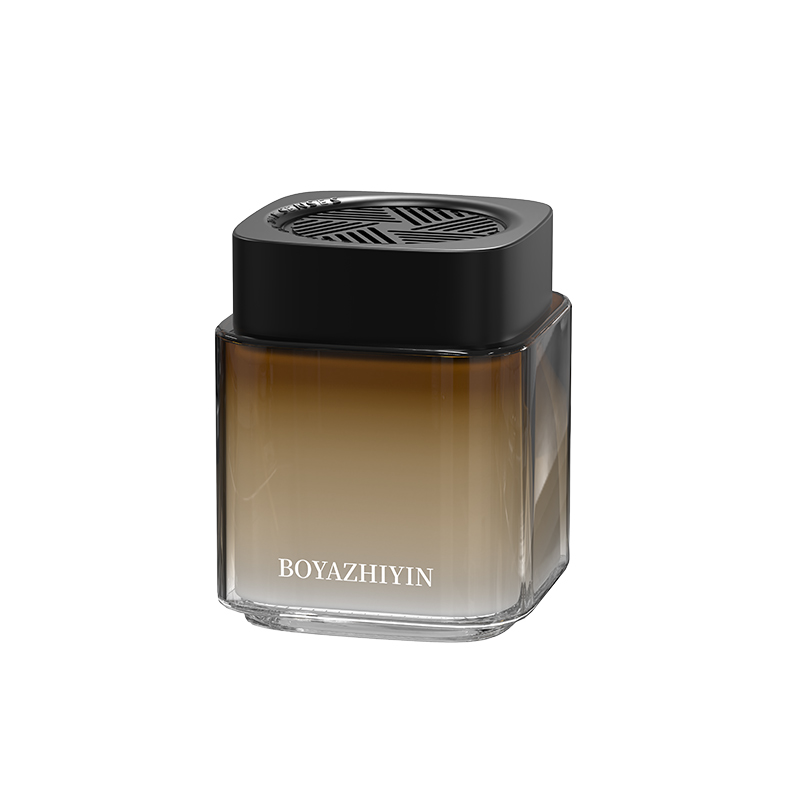
Every drive deserves a fresh, calming atmosphere. The BOYAZHIYIN car air freshener turns your car into a private sanctuary of natural scent. Crafted specifically for small spaces, this long lasting car air freshener delivers pure botanical fragrance without the dizzying intensity of ordinary car perfumes. Our solid gel formula releases scent steadily for weeks, keeping your cabin inviting from the first mile to the last. Each glass jar is built to impress, with a crystal-clear body and a striped diffusion lid that spreads fragrance evenly through every corner. Choose from four refined scents: Oud Rose, Wild Cologne, Dew Gardenia, or High Mountain White Tea. Made with plant essential oils, it is a natural car air freshener you can trust every single day. Breathe easier, drive happier, and enjoy a car that always smells as good as it looks.

Can't find what you're looking for ?
Leave a Message we will call you back quickly!
Professional Service
Interested? Leave your contact details.
Search Starts Here

