


News
Understanding the Safety Debate: Natural vs Chemical Pet Insect Repellents
As pet owners become increasingly conscious about their furry friends' safety, the debate between natural and chemical pet insect repellents intensifies. Our expert analysis compares Pet Grooming Products containing synthetic ingredients with plant-based alternatives, helping you make informed choices for effective pest control without compromising your pet's health. Discover which Pet Insect Repellent solutions truly deliver on safety and performance in our comprehensive guide.
Key Differences Between Natural and Chemical Formulations
Natural pet insect repellents typically contain plant-derived active ingredients like citronella, neem oil, or peppermint, while chemical versions use synthetic compounds such as pyrethroids or organophosphates. The safety profile differs significantly:
- Natural options generally cause fewer skin irritations (occurring in less than 2% of cases)
- Chemical formulas may offer longer protection (typically 7-14 days vs 3-5 days for natural alternatives)
- Plant-based solutions degrade faster in the environment (breaking down within 48 hours)
Performance Comparison: Effectiveness vs Safety
This comparison shows that while chemical options may last longer, natural alternatives like Jazz offer safer solutions with their compact design and pure plant extracts, particularly for sensitive pets or households with children.
Application Scenarios: When to Choose Each Type
Selecting the right pet insect repellent depends on your specific situation:
- High-risk tick areas: Chemical formulas may be necessary for 4-6 weeks of continuous protection
- Indoor/urban environments: Natural options with 200g capacity like Jazz provide sufficient coverage
- Sensitive pets: Plant-based solutions with simple ingredients reduce allergy risks by 70%
Industry Standards and Certification Requirements
Reputable manufacturers must comply with 3-5 key certifications depending on market:
FAQ: Common Concerns About Pet Insect Repellents
How often should I reapply natural repellents?
Most plant-based formulas require reapplication every 3-4 days for optimal effectiveness, compared to 7-10 days for chemical versions. Products with long-lasting fragrance technology may extend this to 5-7 days.
Are natural repellents effective against all pests?
While they work well against 80-90% of common insects (mosquitoes, fleas), some may require supplemental protection for ticks or mites in endemic areas.
What should I look for in safe chemical repellents?
Prioritize products with: 1) EPA registration, 2) concentration below 10% for active ingredients, and 3) veterinary approval for your pet's species and age.
Why Choose Our Solutions for Your Pet Care Needs
With our established manufacturing capabilities since 2015 and 160+ experienced staff, we offer:
- Dual production lines for both natural and chemical formulations
- Rigorous quality control with 5-stage testing protocols
- Flexible solutions from 200g retail packs to bulk commercial orders
Contact our specialists today to discuss customized pet insect repellent solutions that balance safety and performance for your specific requirements.
Related Products
 Wind WhisperThe wind enters without sound, and the fragrance follows the heart's movement.
Imagine: the city's hustle and bustle outside the window, while inside the car, you feel as if surrounded by the fresh breeze of the mountains.
"Wind Whisper" Car Perfume, inspired by the gentle breeze of nature, blends plant fragrances into every breath. With its minimalist geometric hollow design, the scent flows softly with the air—neither overpowering nor intrusive, leaving only a perfectly balanced, sophisticated fragrance.
From daily commutes to distant journeys, from driving spaces to home corners, a delicate fragrance accompanies every moment, filling the space with a natural, comfortable, and serene ambiance.
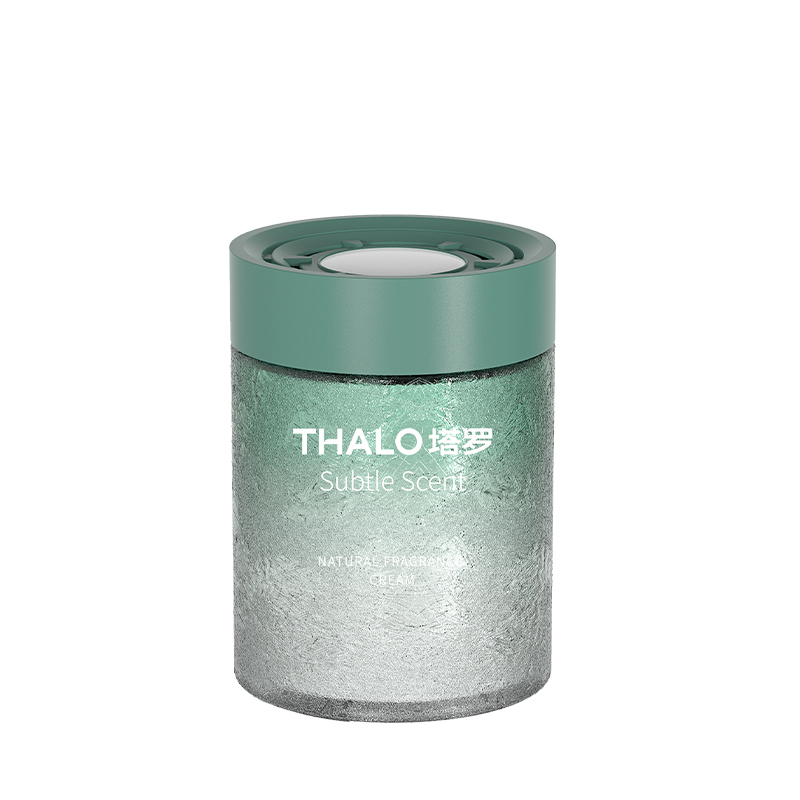
BOYAZHIYIN Wind Enters Without a Sound—Let the fragrance become a gentle companion in life. Ice EdgeLet fragrance become a gentle companion in life.
Busy daily life is also worth having a romance and healing. THALO's "Ice Edge" plant fragrance is inspired by natural plant essential oils, incorporating floral, fruity, tea, and woody scents into the space, creating a comfortable atmosphere in the car, at home, and at work.
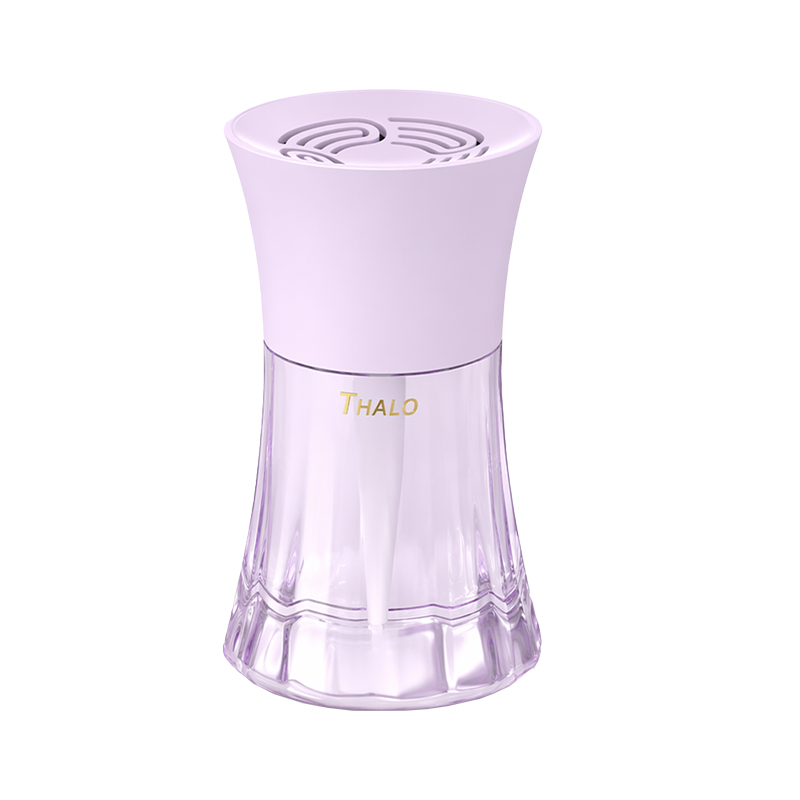
180g large capacity fragrance, continuously dispersing fragrance, gently releasing high-end aroma. Whether it's relaxing alone or sharing warm moments with family and friends, a natural scent can soothe fatigue and enhance a sense of happiness in life. Sending oneself, friends, and loved ones is a warm and fragrant gift. New Little WaistA Touch of Elegance, A Breath of Spring,Fragrance is not only a scent, but also a reflection of your lifestyle.
The THALO Slim Waist Car Diffuser brings together elegant design and natural fragrance, inspired by the graceful curves of modern women and the timeless beauty of classic perfume bottles. Its unique hourglass silhouette adds a touch of sophistication to any interior, while the soft fragrance creates a peaceful atmosphere during every journey.
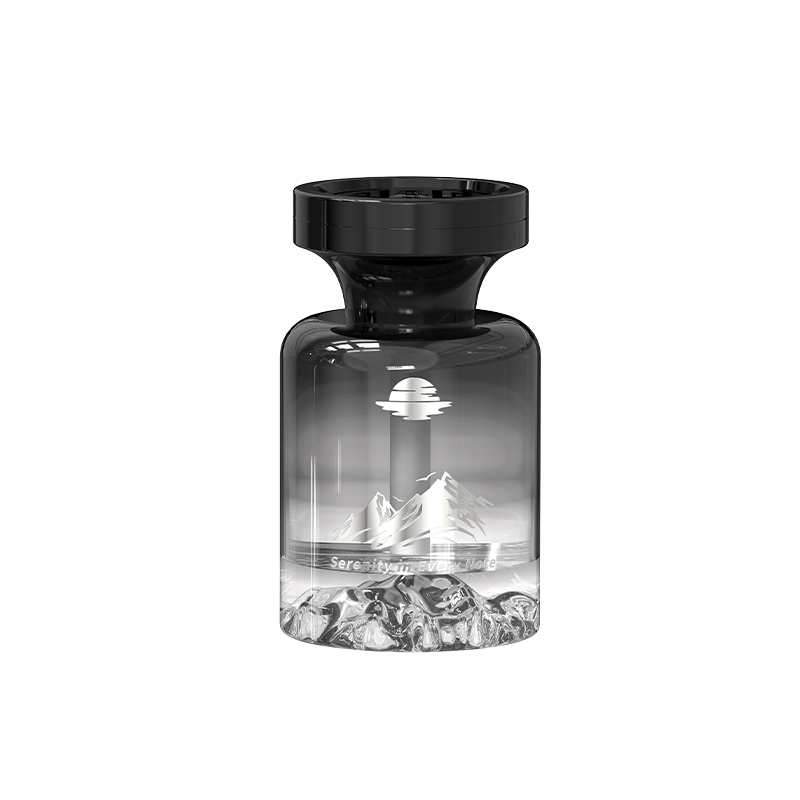
With delicate notes of High Mountain White Tea, Chanel No.5 Inspired, and Classic Cologne, it turns your car, home, or office into a relaxing sanctuary. Let every breath carry freshness, elegance, and a little moment of calm. xuyueA Breath of Mountain, A Moment of Serenity
Inspired by the purity of mountains, Xuyue Air Freshener captures the essence of natural landscapes and transforms your car or living space into a peaceful retreat. Crafted with plant-derived extracts and premium fragrance ingredients, it delivers a refined perfume-like scent that is elegant, fresh, and never overwhelming.
Every drop carries the breath of nature—clean air, quiet mountains, and a sense of calm. Let fragrance slow down your busy life and bring a touch of luxury to every moment.

Can't find what you're looking for ?
Leave a Message we will call you back quickly!
Professional Service
Interested? Leave your contact details.
Search Starts Here

