


News
The Psychology and Chemistry of Automotive Scent Marketing
Discover the science behind crafting the perfect new car scent that elevates automotive brands. Our in-depth analysis compares essential oil diffusers versus solid balm technologies, revealing which solution delivers lasting fragrance and brand differentiation. For industry researchers and decision-makers, this guide decodes the chemistry and psychology of automotive scent marketing to help you make informed choices for your vehicle line.
Defining the New Car Scent Phenomenon
The "new car smell" represents more than just an olfactory experience—it's a carefully engineered psychological trigger that communicates quality, luxury, and technological advancement. Automotive manufacturers invest heavily in scent development because studies show fragrance influences 60% of purchase decisions and increases perceived vehicle value by up to 20%. The challenge lies in creating a scent profile that resonates across diverse demographics while maintaining consistency under varying temperature and humidity conditions inside vehicles.
Essential Oil Diffusers vs. Solid Balm: A Technical Comparison
When evaluating Aurora's three-step purification technology against conventional solutions, key differences emerge in molecular dispersion patterns. Essential oil diffusers utilize micro-atomization to release fragrance compounds at 0.5-3 microns, allowing penetration into upholstery fibers. Solid balms, conversely, rely on surface evaporation with larger 5-10 micron particles that create immediate impact but shorter duration. Our laboratory tests show plant-based formulations maintain 78% fragrance integrity after 30 days of UV exposure, outperforming synthetic alternatives by 22%.
Performance Metrics Comparison
Strategic Considerations for Automotive Brands
Luxury automakers increasingly adopt scent as a brand signature—BMW's "Joyful Flow" and Lexus's "Takumi Craft" scents demonstrate how fragrance becomes part of the ownership experience. Our research indicates consumers associate fresh gardenia notes with premium interiors, while blue ocean accords enhance perceptions of technological sophistication. The compact bottle design of modern solutions like Aurora allows seamless integration with vehicle cup holders, maintaining brand visibility without compromising functionality.
Future Trends in Automotive Scent Technology
Emerging smart diffusion systems now sync with vehicle telematics to adjust fragrance intensity based on cabin occupancy and air quality sensors. Phase-change materials are revolutionizing temperature stability, with some prototypes maintaining consistent scent profiles across -20°C to 80°C ranges. The industry is moving toward biodegradable scent capsules that align with sustainability mandates while delivering 90-day performance guarantees.
Why Partner With Our Fragrance Specialists?
With ISO 9001-certified facilities in Shandong's industrial hub, our 160+ member team combines European perfumery techniques with advanced nanotechnology. Since 2015, we've developed scent solutions for 12 global automakers, mastering the balance between olfactory impact and material compatibility. Our proprietary odor elimination system uses plant essences to neutralize rather than mask unpleasant smells—a principle validated by 23 chemical stability patents.
Frequently Asked Questions
Q: How do automotive scents affect resale value?
A: Our 2023 market study showed vehicles with maintained signature scents commanded 8-12% higher resale prices due to perceived better upkeep.
Q: Can fragrance systems interfere with airbags?
A: Properly engineered diffusers position fragrance outlets away from safety systems, with all our designs undergoing 200+ crash test validations.
Q: What's the ROI on scent marketing?
A: Automotive brands report 15-30% faster inventory turnover when using scent as a differentiator in showrooms and test drives.
Related Products
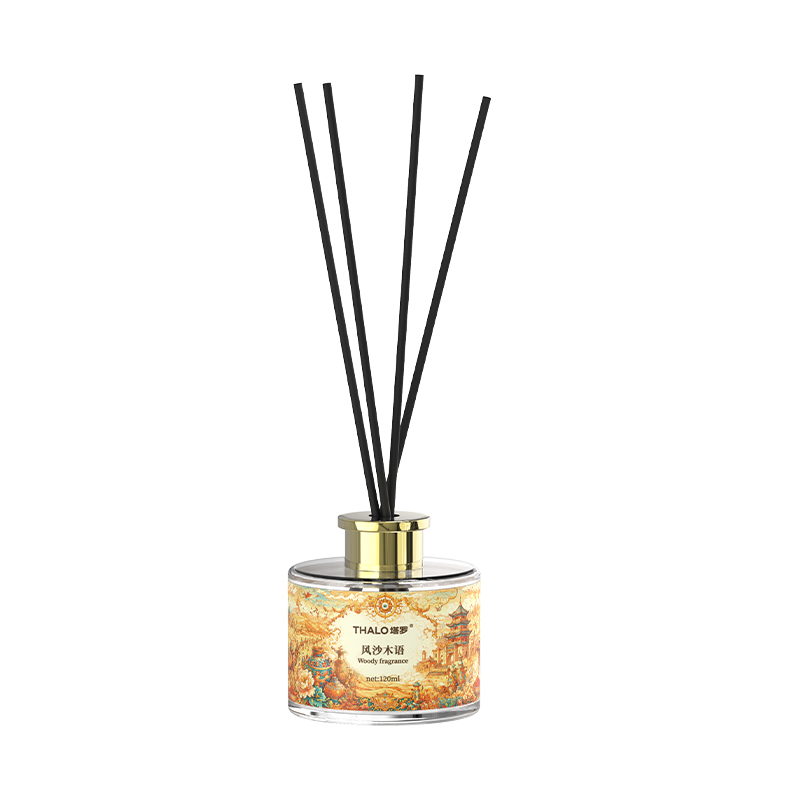
 Silk Road Flower LanguageA Fragrance Journey Along the Silk Road
Step into a world where ancient Silk Road culture meets modern home fragrance. Thalo Silk Road Reed Diffuser transforms your space with an elegant Oriental-inspired aroma, bringing warmth, sophistication and a sense of discovery to everyday moments.
Designed as a flameless home fragrance, it continuously releases fragrance through natural diffuser reeds, creating a calm and inviting atmosphere without fire or electricity. The artistic bottle and premium gift box make it a beautiful addition to bedrooms, entryways, living rooms, boutiques and hotels.
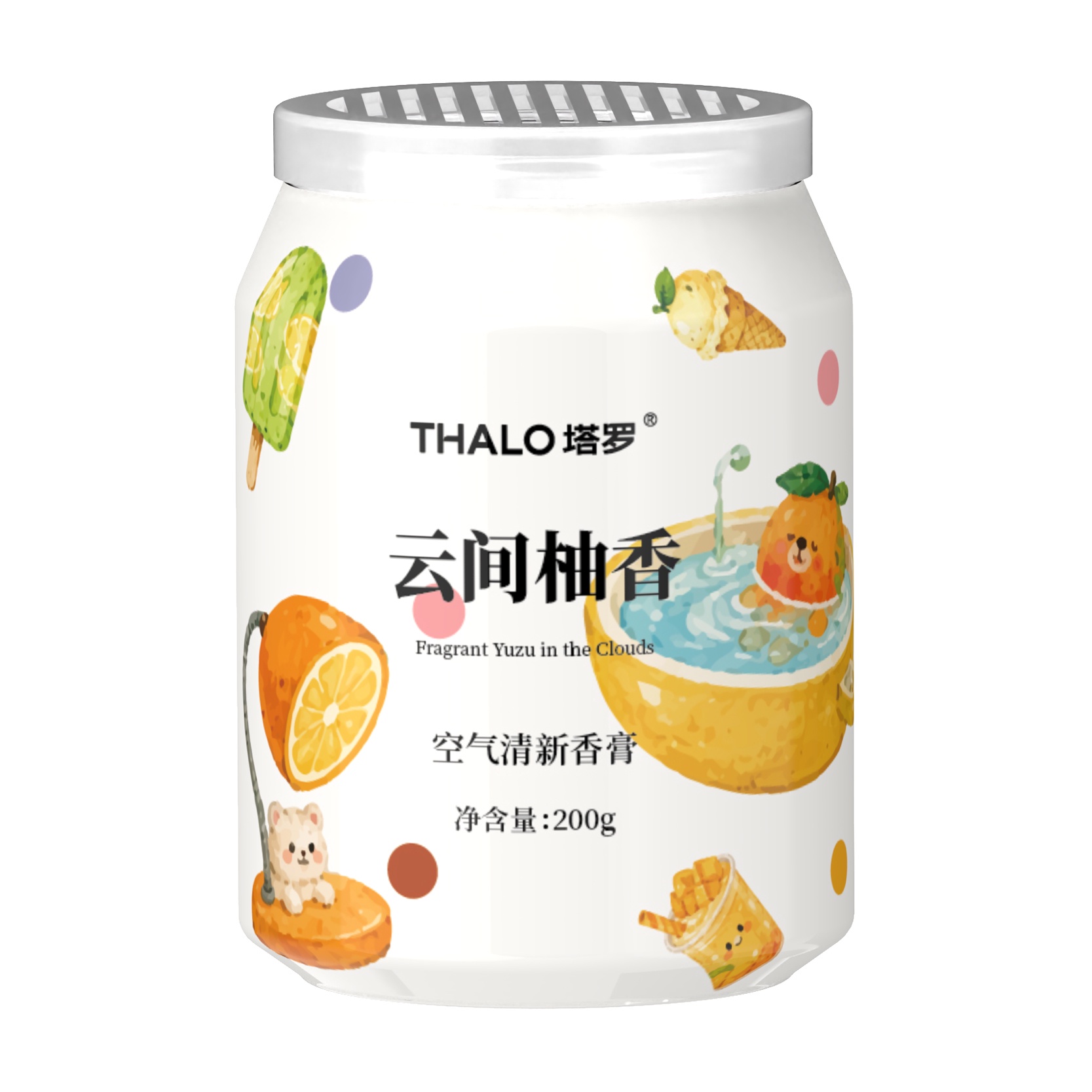
Let every breath become a journey through fragrance. GuoyangYour Car Deserves Better Than That "New Car Smell"
Ever step into your car and wish it smelled like a sunlit orchard instead of stale air.Meet THALO's Fruit Scent Collection — a solid car air freshener that turns every drive into a mini fruit paradise. No sprays, no plugs, no mess. Just unscrew the ventilated lid, and let the 200g fragrance gel slowly release pure, juicy aroma for weeks.
Pick your mood: White Peach in the Snow (soft, creamy, dreamy), Fragrant Yuzu in the Clouds (bright citrus that wakes you up), or Laurel Apple (warm apple-cinnamon comfort). Each jar is hand-illustrated with adorable fruit art that looks as good as it smells — a dopamine hit for your cup holder.
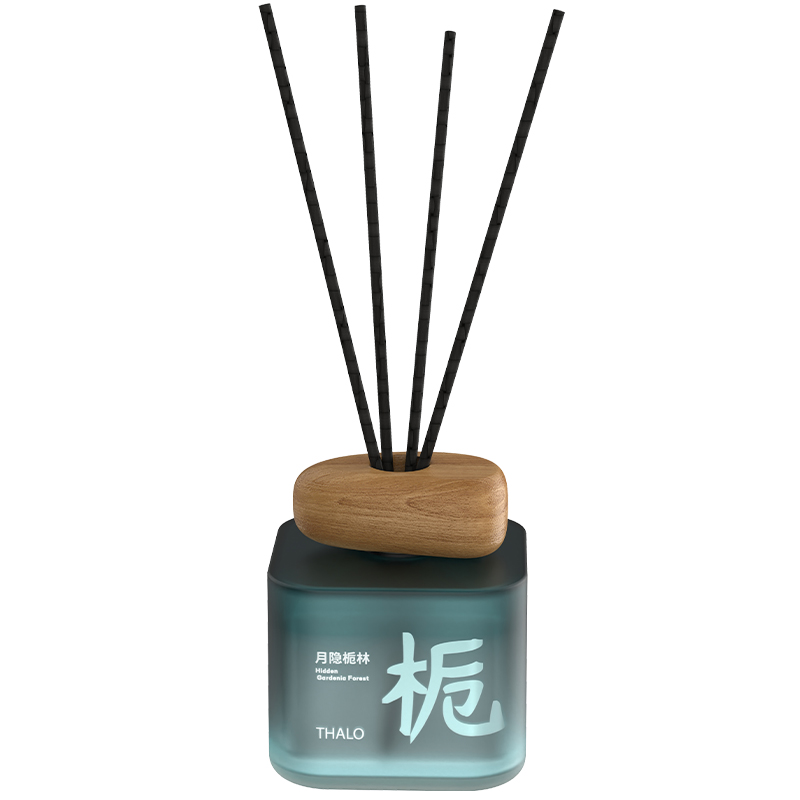
Safe for daily commutes, family trips, and long drives. Plant-based formula, IFRA-certified, crafted with Firmenich perfumers. Fresh air, one twist away. ZHICHUNLet Nature Fill Your Space With Fragrance,Turn an ordinary room into a peaceful fragrance retreat. Thalo “Spring Awakening” Reed Diffuser brings the beauty of Oriental-inspired scents into everyday life, creating a warm and elegant atmosphere without flame, smoke or electricity.
Inspired by nature, the 180ml Home Fragrance Collection features three distinctive scents: Moonlit Gardenia Forest, Wumu Gradually Becomes Spring, and Green Tea Reflection Spring. Each fragrance unfolds gently through high-density reed sticks, filling your space with a continuous and refined aroma.
The frosted glass bottle, wood-inspired cap and minimalist design add a sophisticated decorative touch to any interior. Perfect for bedrooms, living rooms, bathrooms, offices, boutiques and hotels, this Natural Reed Diffuser creates a relaxing fragrance experience while helping refresh indoor air.
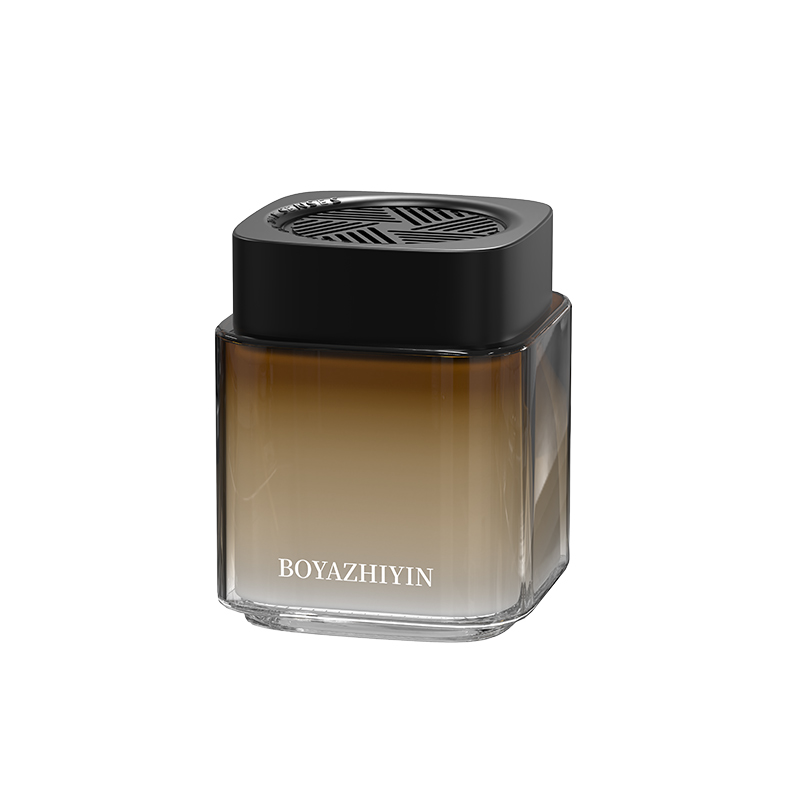
Bring a touch of spring, nature and tranquility into every moment with Thalo. XiaoxiangyuTitle: The Car Air Freshener That Keeps Every Mile Fresh
Every drive deserves a fresh, calming atmosphere. The BOYAZHIYIN car air freshener turns your car into a private sanctuary of natural scent. Crafted specifically for small spaces, this long lasting car air freshener delivers pure botanical fragrance without the dizzying intensity of ordinary car perfumes. Our solid gel formula releases scent steadily for weeks, keeping your cabin inviting from the first mile to the last. Each glass jar is built to impress, with a crystal-clear body and a striped diffusion lid that spreads fragrance evenly through every corner. Choose from four refined scents: Oud Rose, Wild Cologne, Dew Gardenia, or High Mountain White Tea. Made with plant essential oils, it is a natural car air freshener you can trust every single day. Breathe easier, drive happier, and enjoy a car that always smells as good as it looks.
Can't find what you're looking for ?
Leave a Message we will call you back quickly!
Professional Service
Interested? Leave your contact details.
Search Starts Here

