


News
What to Check Before You Call It the Best Car Fragrance for Long Drives
Long hours on the road can quickly turn uncomfortable when a car fragrance becomes too strong, fades too fast, or leaves the air feeling heavy. Choosing the best car fragrance for long drives means finding a scent that stays fresh, balanced, and pleasant for hours without overwhelming passengers. In this guide, you’ll learn what really affects lasting performance, comfort, and overall driving experience.
People usually test a car scent for five minutes in a store, then wonder why it feels wrong two hours into a highway trip. That is the first mistake. A fragrance for commuting and a fragrance for long drives are not judged the same way. On a long drive, scent fatigue, changing cabin temperature, sunlight, airflow, and the number of passengers all start to matter.
Start with scent strength, not just scent type
A fragrance can smell excellent and still be a poor choice for a six-hour drive. The real question is whether the intensity stays controlled inside a closed cabin. If the scent feels “impressive” right away, there is a fair chance it will become tiring later, especially with heat or low ventilation.
- Check whether the first 10 minutes feel sharper than necessary.
- Notice if the fragrance sits in the air or seems to coat the throat.
- If children, older passengers, or motion-sensitive riders will be in the car, stay on the lighter side.
Fresh, airy profiles usually work better than syrupy sweet or very dense woody scents for long-distance comfort. That is not a hard rule, but it is a useful filter.
Pay attention to how the scent changes after an hour
This is where many products lose the plot. Some start bright, then turn flat, powdery, sour, or oddly chemical once the top notes disappear. For drivers, that mid-stage matters more than the opening.
If you are comparing options, do not smell them only from the package. Let one run in the car for a full trip with normal air conditioning. A good long-drive fragrance should stay clean and readable without becoming loud. “Still pleasant after a few hours” is a better benchmark than “smells strong at first.”
Cabin heat changes everything
Cars parked in sun can amplify fragrance fast. A product that seems balanced in mild weather may become aggressive in summer. If you often drive in warm regions or leave the car outdoors, choose formulas and formats known for gradual release rather than sudden diffusion.
Vent clips, hanging cards, gel cups, and oil-based diffusers all behave differently. There is no universal winner, but for long drives, steady release tends to outperform “burst” performance. The best car fragrance for long drives should tolerate heat reasonably well without turning the cabin into a closed perfume box.
Do not confuse odor masking with real air comfort
A lot of buyers are really trying to solve stale air, food smells, smoke residue, pet odor, or damp interior fabric. In that situation, a stronger fragrance may seem like the answer, but it usually creates a layered smell problem instead of a cleaner experience.
Before choosing a scent, check the cabin itself:
- Replace or inspect the cabin air filter if it is overdue.
- Clear out lingering sources such as trash, wet mats, and old fabric odors.
- Use fragrance as a finishing layer, not a repair tool.
Some products are positioned around both fragrance and air-purifying appeal. For example, Heart-Touching is presented for automotive use with a concept that combines four fragrances with purifying power. That kind of positioning can be appealing for drivers who want more than a simple cover scent, but the practical test is still the same: does the cabin feel cleaner and easier to sit in after a few hours, not just more fragrant?
Check for passenger tolerance, not only personal preference
This point gets overlooked by solo drivers shopping for family travel. A scent that feels relaxing to one person can trigger headaches or nausea for someone else. On long drives, that discomfort builds slowly. You may not notice it until the back seat starts cracking windows.
As a rule of thumb, citrus, green, light aquatic, and soft linen-style scents are easier group choices than heavy vanilla, intense oud, syrupy fruit, or very spicy blends. Individual sensitivity varies, so keep claims modest and test with real passengers when possible.
Look at the release format like a control system
The fragrance itself matters, but the delivery format often decides whether it stays pleasant.
For long trips, control usually beats drama. A format that releases less but stays stable often gives the better result.
Watch for ingredient transparency and sensible labeling
Consumers rarely get full formulation disclosure in this category, so some caution is healthy. At minimum, look for clear product labeling, proper usage directions, and manufacturer identity. If a product makes broad purification or health-related claims without context, treat that carefully and verify against actual documentation where available. If regulatory or certification details are important for your market, they should be checked from current supplier materials rather than assumed【待核实】.
Established manufacturers usually improve consistency over time because fragrance products are sensitive to material choice, packaging fit, and production control. In this industry, that matters. One example from the household and automotive care side is a manufacturer based in Linyi, Shandong, with expansion from an early factory setup in 2015 to a larger team and additional factory development by 2021. That does not prove one product is automatically right for every driver, but it does suggest a background in scaled production rather than a one-off novelty item.
Small warning signs usually predict a bad road-trip experience
- You need to crack the window after 15 minutes.
- The scent sticks to clothes more than the cabin air.
- Passengers describe it as “thick,” “sticky,” or “too sweet.”
- The fragrance disappears fast, then returns in a hot burst.
- It competes with coffee, snacks, leather, or food smells instead of blending cleanly.
When those signs show up early, they usually get worse later in the trip.
A practical way to choose
If you want a clean decision process, narrow your options like this: pick a moderate scent family, choose a format with controlled release, test it in realistic weather, and judge it after one to three hours instead of after the first impression. If a product also aims to make the cabin feel more purified and emotionally pleasant, as with Heart-Touching, that can add value, but only if the ride stays easy on the senses the whole way.
In plain terms, the best car fragrance for long drives is not the strongest or the fanciest. It is the one that still feels comfortable deep into the trip, with no headache, no heavy air, and no need to think about it at all.
Related Products
 Moon FrostTurn Your Car Into a Fragrance BoutiqueYour car takes you everywhere — work, road trips, weekend escapes. Now it can finally take you somewhere beautiful. BOYAZHIYIN Moon Glory is a car liquid fragrance that looks like designer perfume and smells like a private escape, resting right in your cup holder.Meet the collection. California Warm Sun wraps your cabin in sunshine citrus, jasmine and milky vanilla. Azure Waters carries a fresh ocean breeze of lemon and cedar. Berlin Rose layers Bulgarian rose over amber for pure romance. Every drive becomes a mood — sunny, fresh, or unforgettable.No cheap aerosol. No sticky residue. Just clear fragrance oil that slowly perfumes your car for up to 3 months, held in a weighted glass bottle that never tips on sharp turns. Your car deserves a signature scent — and Moon Glory delivers it, mile after mile.
 Liu Guang YearsTurn Every Breath Into a Moment of Escape.
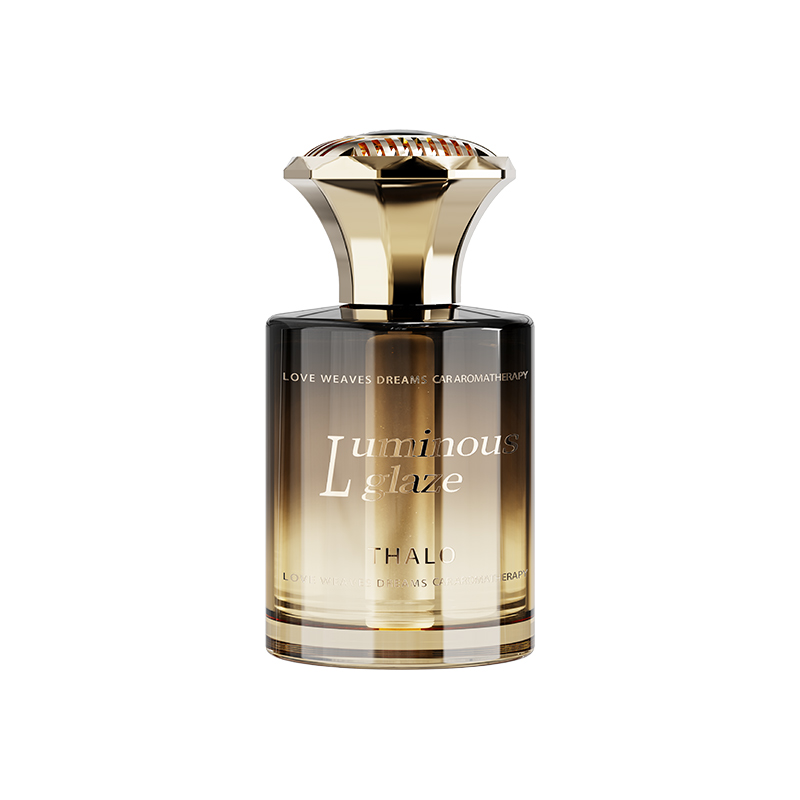
Leave the noise of everyday life behind and step into a world of rich, elegant fragrance. Thalo Liu Guang Years Fragrance Diffuser brings a luxurious scent experience to your car and personal space, transforming ordinary moments into relaxing rituals.
Crafted with premium imported fragrance oils, this flameless aromatherapy diffuser releases a refined and lasting aroma without fire or electricity. Inspired by the timeless beauty of agarwood and sophisticated Oriental fragrance, it creates a warm, elegant atmosphere wherever you go.
Place it in your car before a busy day, or enjoy its fragrance at home during your quiet moments. With a sophisticated bottle design and approximately 60 days of fragrance diffusion, it combines premium car fragrance, long-lasting scent and elegant decoration in one beautiful product.
Thalo — fragrance that makes every moment feel extraordinary. Silk Road Flower LanguageA Fragrance Journey Along the Silk Road
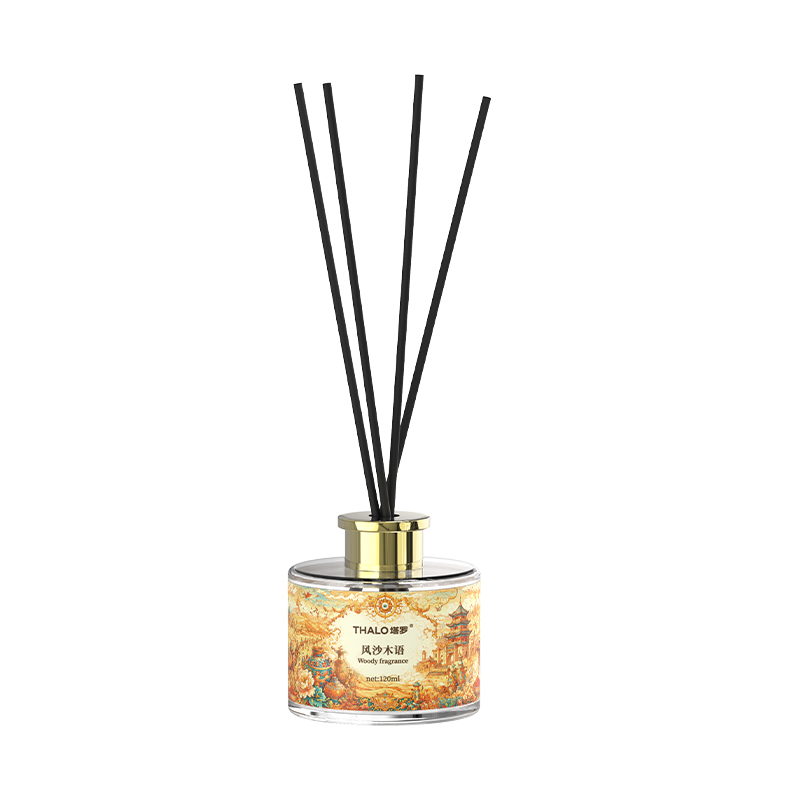
Step into a world where ancient Silk Road culture meets modern home fragrance. Thalo Silk Road Reed Diffuser transforms your space with an elegant Oriental-inspired aroma, bringing warmth, sophistication and a sense of discovery to everyday moments.
Designed as a flameless home fragrance, it continuously releases fragrance through natural diffuser reeds, creating a calm and inviting atmosphere without fire or electricity. The artistic bottle and premium gift box make it a beautiful addition to bedrooms, entryways, living rooms, boutiques and hotels.
Let every breath become a journey through fragrance. GuoyangYour Car Deserves Better Than That "New Car Smell"
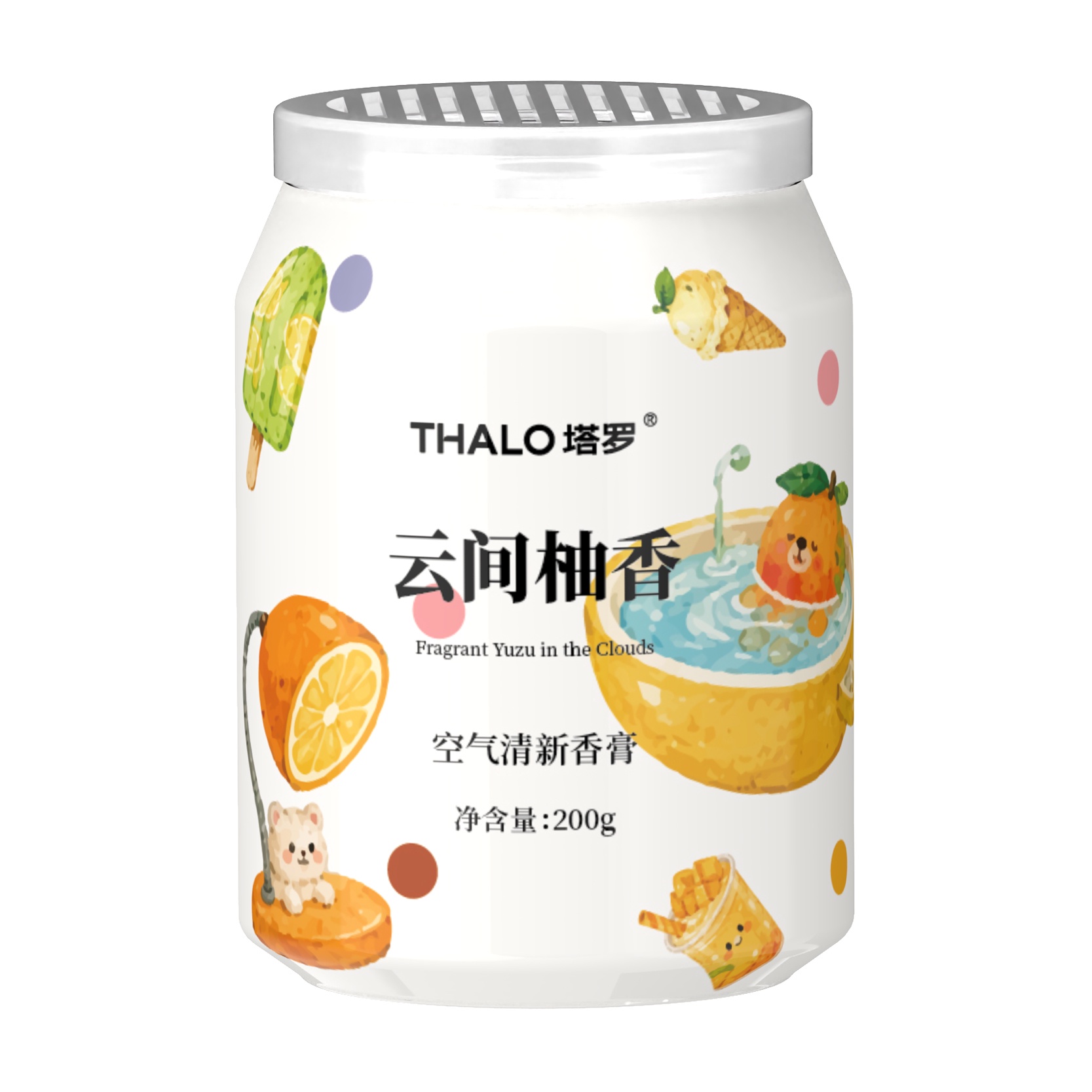
Ever step into your car and wish it smelled like a sunlit orchard instead of stale air.Meet THALO's Fruit Scent Collection — a solid car air freshener that turns every drive into a mini fruit paradise. No sprays, no plugs, no mess. Just unscrew the ventilated lid, and let the 200g fragrance gel slowly release pure, juicy aroma for weeks.
Pick your mood: White Peach in the Snow (soft, creamy, dreamy), Fragrant Yuzu in the Clouds (bright citrus that wakes you up), or Laurel Apple (warm apple-cinnamon comfort). Each jar is hand-illustrated with adorable fruit art that looks as good as it smells — a dopamine hit for your cup holder.
Safe for daily commutes, family trips, and long drives. Plant-based formula, IFRA-certified, crafted with Firmenich perfumers. Fresh air, one twist away.

Can't find what you're looking for ?
Leave a Message we will call you back quickly!
Professional Service
Interested? Leave your contact details.
Search Starts Here

