


News
Ever wondered why some car fresheners leave annoying sticky residue on your dashboard? As procurement specialists and business evaluators, you understand how inferior fragrance for car products can damage both vehicle interiors and brand reputation. Our 7-year expertise in washing & care manufacturing reveals the science behind this common issue and how premium formulations prevent it.
The Science Behind Sticky Residue in Car Fresheners
When evaluating fragrance for car products, understanding the chemical composition is critical. Low-quality air fresheners often contain volatile organic compounds (VOCs) and petroleum-based solvents that evaporate incompletely. These substances interact with heat from sunlight exposure on dashboards, breaking down into adhesive byproducts. Our laboratory tests show:
- Cheaper gels use propylene glycol at concentrations above 15%, creating viscous residues
- Substandard vent clips contain plasticizers that migrate to surfaces at temperatures above 30°C
- Hanging paper variants with synthetic fragrances leave oily traces from carrier solvents
This explains why procurement teams must scrutinize material safety data sheets (MSDS) when sourcing fragrance for car solutions. Our factory's ISO-certified production process eliminates these issues through pharmaceutical-grade ingredient selection.
How Premium Formulations Prevent Residue Buildup
Superior car air care products employ advanced chemistry to deliver lasting freshness without compromising interior surfaces. Through our R&D partnerships with fragrance houses, we've developed proprietary technologies that address the residue problem:
These innovations align with our commitment to developing home cleaning solutions that maintain both efficacy and safety standards. Speaking of specialized care formulations, our Pet Foot Cleansing Mousse demonstrates similar attention to detail - transforming dirty claws into clean paws while protecting your home environment.
Evaluating Car Freshener Quality: A Procurement Guide
For business buyers assessing fragrance for car products, these technical specifications indicate superior quality:
- Evaporation Rate Testing: Should show 95%+ weight loss in 30 days at 25°C
- Thermal Stability: No phase separation or sweating after 48 hours at 50°C
- Surface Compatibility: Passes 28-day material compatibility testing on 10+ dashboard materials
Our manufacturing facility in Shandong Province implements these quality controls across all production batches, ensuring consistent performance for B2B clients worldwide. The same rigorous standards apply to our home care line, where products like the Pet Foot Cleansing Mousse undergo identical scrutiny to guarantee they remove dirt and bacteria without compromising pet paw health.
Market Trends in Automotive Air Care
The global car freshener market will reach $3.2 billion by 2027 (CAGR 5.1%), with these emerging procurement considerations:
- 65% of fleet managers now prioritize residue-free formulations
- Bio-based fragrances growing 18% annually in corporate procurement
- Custom scent development for brand differentiation increasing 22% YoY
These trends mirror developments in home cleaning segments, where consumers increasingly demand products that clean effectively while maintaining environmental integrity - a principle we've embedded in our washing & care solutions since 2015.
Frequently Asked Questions
Why do some car fresheners damage dashboard materials?
Plasticizer migration from low-quality fragrance carriers can react with PVC and other polymers, causing surface degradation. Our formulations use inert materials that won't interact with vehicle interiors.
How can I test for potential residue issues before bulk purchasing?
Conduct accelerated aging tests by placing samples on glass panels under UV lamps (equivalent to 2 weeks sunlight exposure). Premium products like ours will show no visible residue or surface changes.
Are there industry standards for car air freshener safety?
While no universal standard exists, leading manufacturers comply with:
- REACH Annex XVII for restricted substances
- ISO 9227 salt spray testing for metal components
- ASTM D2359 for volatile content measurement
Conclusion: Partnering for Residue-Free Solutions
Selecting the right fragrance for car products requires technical expertise and manufacturing precision. With 160+ employees across two production facilities and seven years of specialized experience, we deliver air care solutions that protect both vehicle interiors and brand equity. From advanced car fresheners to innovative home care products like our paw-cleaning mousse, every formulation reflects our commitment to cleanliness without compromise.
Contact our technical team today to discuss customized automotive air care solutions or explore our full range of washing & care products designed for professional buyers.
Related Products
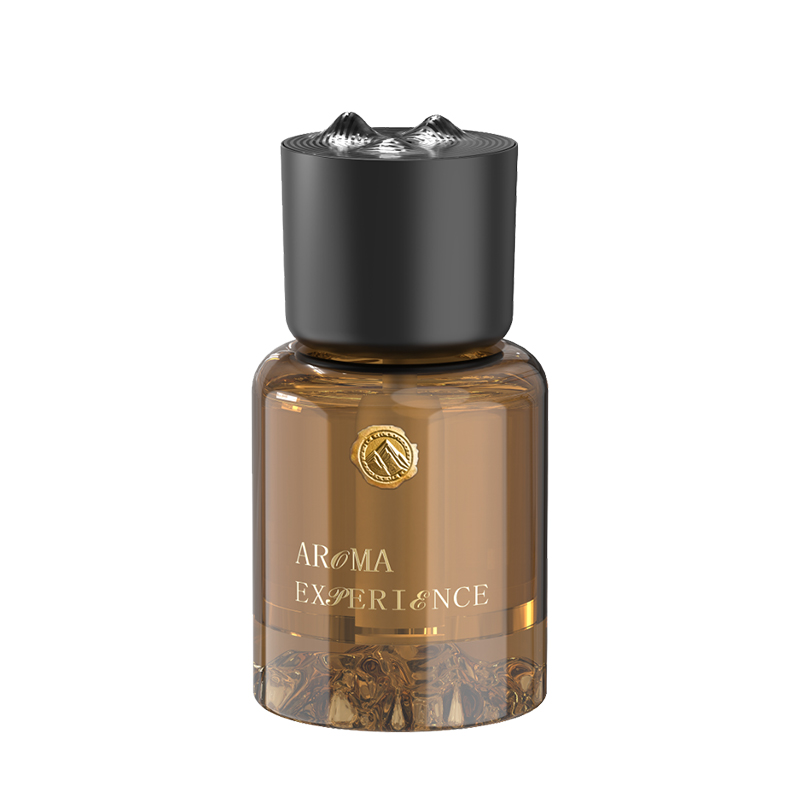
 lingwuImagine opening the car door and being greeted by a fresh and fragrant scent instead of yesterday's smoke, food, or pet odors. Our intelligent spray car fragrance transforms daily driving into a more comfortable sensory experience. The fashionable liquid fragrance bottle and delicate spray design can be evenly spread to all parts of the car, while setting off the elegant style of the cabin. Whether it's commuting, travel, fleet management, or retail display, this car fragrance can add exquisite embellishments. Its high-end appearance is also suitable for automotive parts stores, lifestyle retailers, promotional gifts, and private label projects.
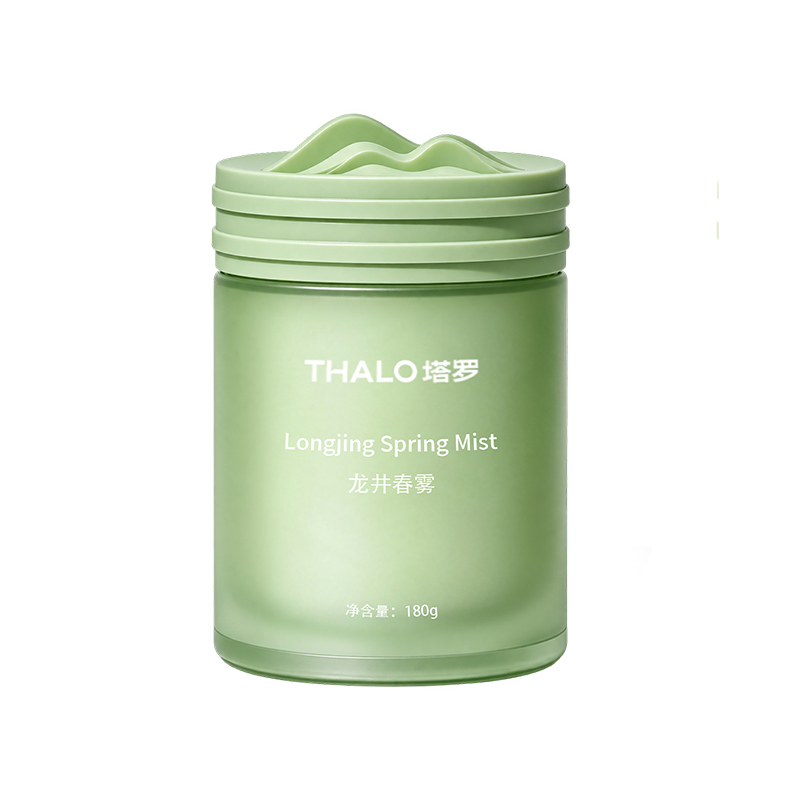
 QingyanLet every time you get on the car, start with a scent you like. THALO 180g car solid fragrance, integrated into the interior space with a simple and clean canned design, with five colors corresponding to different fragrance choices: pink, blue, yellow, black, and green. No need for complicated operations, placed on the dashboard or central armrest area, it can add a more comfortable atmosphere for daily commuting, long-distance travel, and in car rest. Choose your favorite fragrance to give the familiar cabin a more distinctive and exclusive atmosphere.
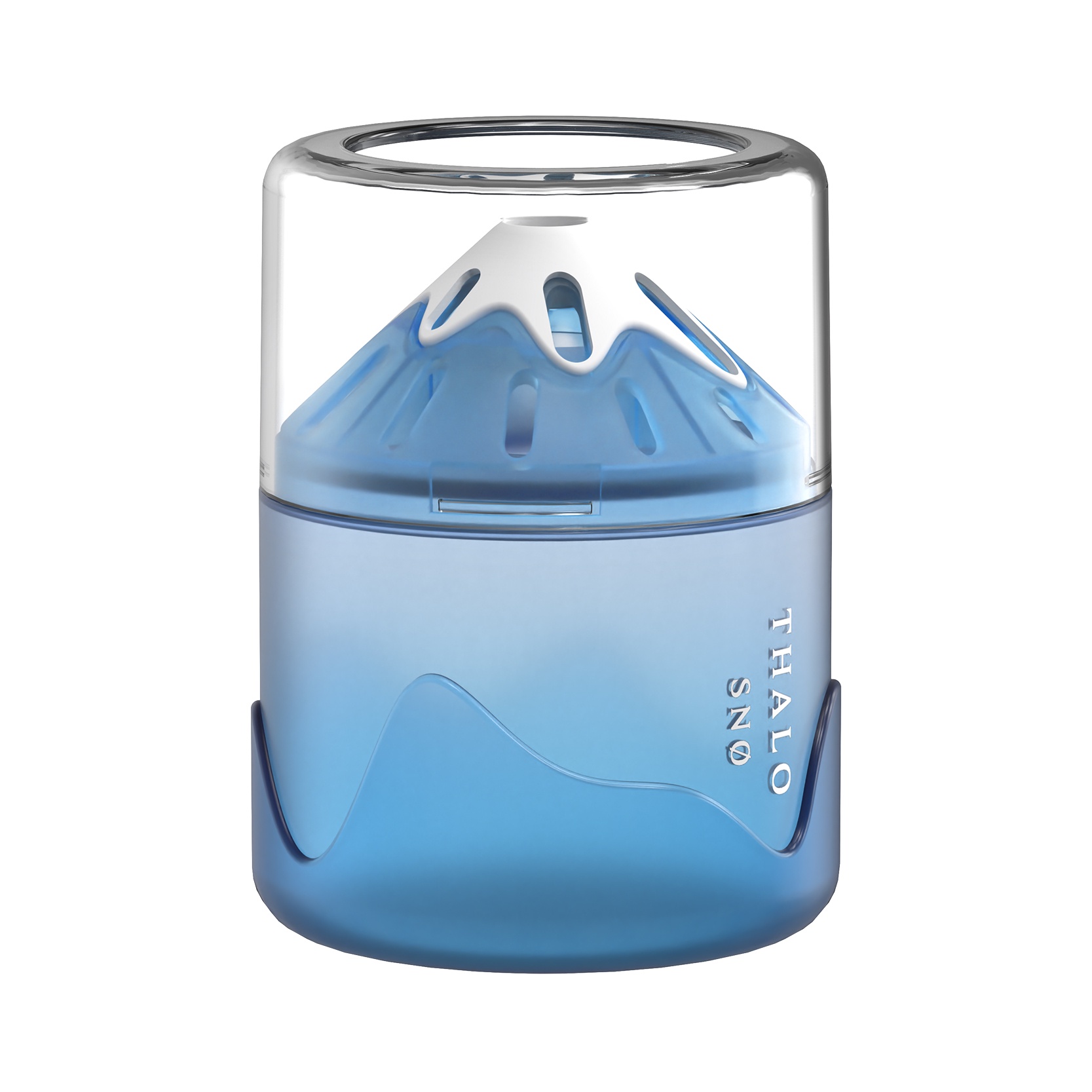
 KONGSHANDon't rush to leave as soon as you get on the car. Make a fresh atmosphere the first stop of every journey. The THALO mountain shaped car fragrance, with its unique mountain peak shape and transparent top cover, is placed in the dashboard or cup holder. It is not only an in car fragrance product, but also an exquisite decoration to enhance the cabin texture. To provide a more comfortable in car experience for daily commuting, weekend travel, and long-distance driving in response to odors and second-hand smoke. Blue, white, and gray colors are available for easy matching with different car interiors.
 Glass wiping solutionA clean view can change the feeling of every drive.
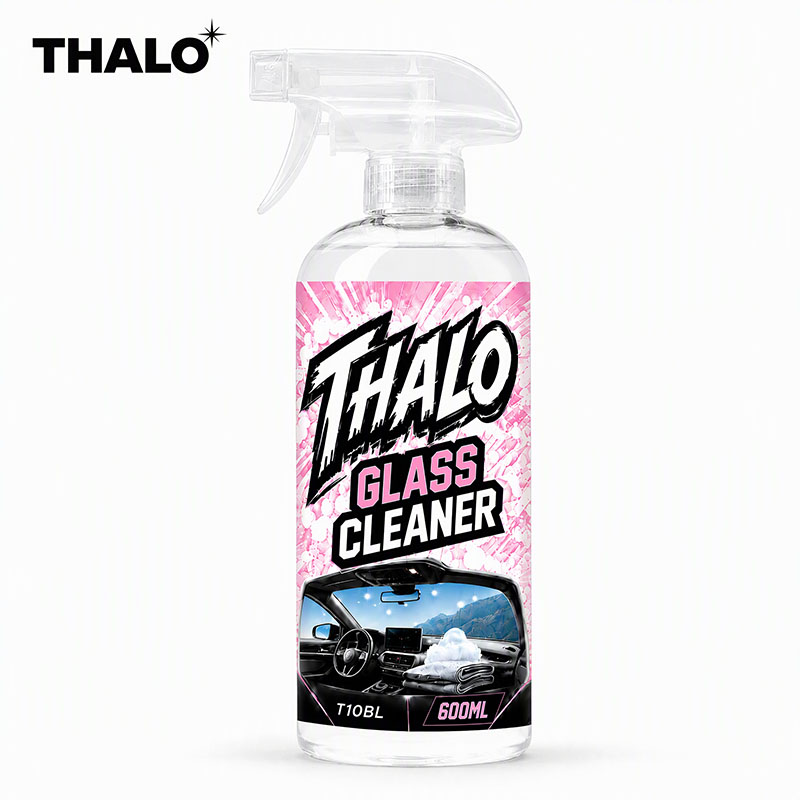
Dust, fingerprints and water marks can quickly build up on everyday car glass, making routine vehicle care feel like another chore. THALO Glass Cleaner Spray keeps the process simple: spray evenly, wipe with a cloth and refresh the look of your windshield, windows and mirrors.
The 600ml trigger bottle is easy to handle and fits naturally into a regular car-care routine at home, in the garage or before heading out. With its bold THALO design and practical spray format, it is a useful choice for drivers, detailing retailers and automotive-care collections.
Keep THALO nearby whenever your car glass needs a quick everyday refresh.
Can't find what you're looking for ?
Leave a Message we will call you back quickly!
Professional Service
Interested? Leave your contact details.
Search Starts Here

