


News
When the best car fragrance for summer seems to fade too fast, buyers and budget approvers need more than a pleasant scent—they need reliable performance and cost efficiency. As demand grows for the best car fragrance in China, understanding what affects fragrance longevity can help sourcing teams choose products that balance quality, stability, and long-term value.
In the daily chemical products sector, summer fragrance performance is not just a sensory issue. It affects repeat purchase rates, customer complaints, channel reputation, and inventory turnover. For procurement teams sourcing automotive fragrance products, a scent that drops sharply after 3 to 7 days in a hot vehicle can turn a low unit price into a high total cost.
For finance approvers, the question is practical: why does the best car fragrance for summer often fade faster than expected, and how can a sourcing decision reduce risk without overpaying? The answer usually lies in formula volatility, carrier design, package sealing, climate exposure, and supplier manufacturing consistency.
This article examines the technical and commercial reasons behind short-lived summer fragrance performance, then translates those factors into procurement criteria. It is especially relevant for buyers comparing OEM or private-label suppliers in China and for decision-makers evaluating long-term value rather than headline pricing alone.
Why Summer Heat Reduces Car Fragrance Longevity
The main reason the best car fragrance for summer fades fast is temperature stress. In a parked car, cabin temperatures commonly rise to 50°C to 70°C during peak summer hours, even when the outdoor temperature is only 32°C to 38°C. At that range, volatile fragrance molecules evaporate much faster than they do at room temperature.
Not all scent notes behave the same way. Top notes such as citrus, green leaf, and light floral accords often create a strong first impression but disappear quickly under heat. Middle and base notes, including musk, woody, amber, or powdery compositions, usually last longer. A fragrance designed only for opening impact may perform well in testing for the first 24 hours but decline sharply by day 5 or day 10.
Humidity and direct sunlight add another layer of instability. UV exposure can alter the odor profile, while repeated heating and cooling cycles weaken diffusion control. In lower-cost automotive fragrance products, this often leads to two visible problems: a burst release in the first week and a near-flat scent curve after that.
For procurement teams, this means that “strong scent” and “long-lasting scent” are not identical buying criteria. A stronger opening may actually indicate a shorter usable life if the diffusion system is not balanced. In B2B purchasing, it is more useful to evaluate scent duration across 14, 21, and 30 days than to judge based on the first unboxing experience alone.
Common technical causes of fast fading
- High proportion of highly volatile top-note materials that evaporate within the first 48 to 72 hours.
- Insufficient absorbent or carrier stability, causing uncontrolled release in high-temperature automotive environments.
- Poor sealing during storage or transport, leading to fragrance loss before retail display or end use.
- Formula mismatch between scent oil and substrate, especially in paper cards, gel forms, or low-density solid carriers.
The table below summarizes how common summer factors affect fragrance life in automotive applications.
The key takeaway is simple: summer fading is usually not caused by one issue alone. It is the result of formula structure, substrate behavior, and supply chain handling interacting under high heat. A buyer who tests only scent strength on day 1 may miss the bigger cost driver.
What Buyers Should Check Before Approving a Summer Car Fragrance Supplier
For purchasing departments, the best car fragrance for summer should be evaluated through performance checkpoints, not only packaging design or ex-factory price. A practical review framework usually includes 4 dimensions: formula retention, packaging protection, production consistency, and commercial fit. If one of these is weak, summer complaints can rise quickly after launch.
Formula retention should be tested in realistic conditions. Instead of only standard indoor evaluation, ask for accelerated heat testing at 45°C to 50°C for 72 hours and real-car simulation over 14 to 30 days. This does not replace field use, but it helps identify products that lose more than 30% to 40% of scent intensity too early.
Packaging is equally important in the daily chemical products category. Aluminum film pouches, sealed caps, and low-permeability containers help preserve fragrance before the product reaches end users. Even a well-designed scent formula can underperform if packaging allows early diffusion loss during warehouse storage for 30 to 90 days.
Supplier capability matters because fragrance consistency depends on repeatable batching, filling, and storage control. A manufacturer that has expanded from an early 400-square-meter base in 2015 to broader industrial operations, added channel departments in 2019, built a home washing and care factory in 2020, and established a second factory in 2021 shows a development path that can support more stable B2B fulfillment. With more than 160 employees in Linyi, Shandong, such scale is relevant for buyers needing continuity rather than one-off production.
A practical procurement checklist
- Request retention data across day 1, day 7, day 14, and day 30 rather than one-time smell evaluation.
- Confirm storage recommendations, especially whether the product remains stable at 25°C to 35°C warehouse conditions.
- Review MOQ, reorder lead time, and packaging options to avoid overstocking products with seasonal demand peaks.
- Ask whether the supplier can tune scent intensity for different channels such as retail, e-commerce, and promotional gifting.
The following table can help finance and sourcing teams compare options more objectively.
For budget holders, this table shifts the decision from “Which unit is cheaper?” to “Which option keeps value longer through the full sales cycle?” That change often improves total procurement efficiency, especially for summer-specific automotive fragrance programs.
How Product Design Can Extend Scent Life Without Raising Total Cost Too Much
A longer-lasting summer car fragrance usually comes from balanced design, not simply from adding more perfume oil. Overloading fragrance content can create a strong first 2 to 3 days, but it may also trigger faster release and stronger consumer fatigue. In many automotive applications, controlled diffusion is more cost-effective than high initial intensity.
This is where format selection becomes important. Solid diffusers, vent clips, hanging cards, gel cups, and ceramic-based systems all behave differently in heat. For example, hanging cards are lightweight and economical, but they are often more vulnerable to fast summer evaporation. Solid or structured absorbent systems can offer a steadier release curve if the substrate and fragrance oil are matched correctly.
Design also matters for user perception. Some buyers are now shifting toward products that combine fragrance with interior style, especially in gift channels, retail bundles, and branded automotive accessories. A product such as Flower Shadow fits this direction by combining automotive application with a decorative scent concept that does not require power, does not occupy extra space, and focuses on a refined, all-season in-car fragrance experience.
From a procurement perspective, products with stable passive diffusion can reduce after-sales friction because there is no power connection, no battery replacement, and fewer installation complaints. That can be useful in fleet gifting, seasonal promotions, and private-label retail programs where simplicity lowers service cost over a 1- to 3-month usage cycle.
Design choices that influence summer retention
1. Fragrance architecture
A better summer profile often blends fresh opening notes with more stable middle and base support. Instead of relying only on citrus or watery florals, many suppliers improve retention by adding soft musk, wood, or powder support that remains noticeable after 2 to 4 weeks.
2. Carrier and release control
The substrate should release scent gradually rather than all at once. Controlled-release media can reduce the early spike that makes some products seem impressive on day 1 but weak by day 7.
3. Packaging and storage
Barrier packaging protects fragrance until use. In practical sourcing, a slightly higher packaging cost may save more value than it adds, particularly when goods remain in channel inventory for 30 to 60 days before end-user opening.
The commercial lesson is that the best car fragrance for summer should be judged on release profile, not just formula concentration. In many cases, a medium-intensity product with 21 to 30 days of stable experience outperforms a stronger product that fades after 5 to 8 days.
Common Sourcing Mistakes That Increase Cost and Complaints
One common mistake is choosing solely by sample impression. A fragrance that smells rich in an air-conditioned meeting room may behave very differently inside a vehicle parked in direct sun. Procurement teams should avoid approving production based on a 10-minute smell evaluation alone.
Another mistake is ignoring the relationship between sales cycle and fragrance life. If a product spends 20 to 45 days in transit and warehouse storage, then reaches a consumer who expects 30 days of use, the fragrance system must retain enough value through both phases. Otherwise, the actual in-use life may drop below expectation before the product is even opened.
A third sourcing risk is over-customization without validation. Custom fragrance profiles, new substrates, or premium gift packaging can improve market appeal, but they also increase uncertainty if not tested under heat conditions. In seasonal projects, every custom change should be checked for packaging compatibility, scent retention, and lead-time impact.
Finally, finance teams sometimes underestimate the hidden cost of unstable products. Complaint handling, replenishment requests, markdowns, and channel relationship damage can easily outweigh a 5% to 8% difference in unit purchase price. For summer automotive fragrances, poor performance tends to create visible dissatisfaction quickly, so low entry cost is not always low total cost.
Risk signals buyers should not ignore
- No clear answer on recommended storage temperature or shelf-life handling.
- No day-based retention evaluation, only subjective wording such as “long-lasting” or “very strong.”
- Very low pricing combined with fragile packaging or unclear production planning.
- Uncertain repeat-order lead times during peak season from May to August.
A disciplined sourcing process usually includes sample screening, accelerated testing, packaging review, and trial-order verification. Even a 3-step validation approach can reduce the chance of approving an unsuitable product for summer channels.
Implementation, Delivery, and FAQ for B2B Automotive Fragrance Projects
For many distributors, retailers, and promotional buyers, product choice is only one part of success. Delivery rhythm, replenishment planning, and post-launch feedback loops are equally important. In the daily chemical products industry, a workable automotive fragrance program often moves through 5 stages: requirement definition, sample selection, heat-retention review, packaging confirmation, and order scheduling.
Repeat-order planning should match seasonality. Summer fragrance demand may peak in 2 to 3 months, so staggered purchasing is often safer than one large order if the brand is still validating market response. This reduces inventory aging and helps finance teams protect cash flow.
When buyers want a product that also supports gifting or premium positioning, a compact decorative car fragrance can create extra merchandising value. In that context, the floral, elegant positioning associated with products like Flower Shadow may work well for automotive programs that want a lighter emotional message rather than a purely functional deodorizing claim.
Below is a simple implementation guide that many B2B teams can adapt when evaluating the best car fragrance for summer from China-based suppliers.
The table shows why planning matters. A buyer that allows 2 to 4 weeks for proper screening is far more likely to secure a product that performs reliably through high-temperature use and channel storage.
FAQ
How long should a summer car fragrance last?
In practical automotive use, acceptable performance often falls in the 14- to 30-day range, depending on product type, fragrance family, and vehicle exposure. Products that fade within 3 to 7 days in normal summer use usually need review.
What should finance approvers focus on?
Look beyond unit cost. Compare complaint risk, replenishment frequency, inventory loss during storage, and the likelihood of repeat purchase. A product with slightly higher ex-factory cost may still deliver lower total ownership cost.
Is stronger scent always better for summer?
No. Excessive opening intensity can mean faster evaporation and consumer fatigue. A balanced scent curve is usually better than a strong first impression followed by a rapid decline.
What is the safest way to compare suppliers?
Use the same test method for all candidates: same storage period, same vehicle or heat simulation, same evaluation points on day 1, day 7, day 14, and day 30. This makes procurement decisions more reliable and easier to defend internally.
The best car fragrance for summer does not succeed by scent alone. It succeeds when formula design, packaging protection, manufacturing stability, and procurement discipline work together. For buyers and financial decision-makers in the daily chemical products sector, the right choice is the one that keeps performance consistent under heat while protecting margin, customer experience, and replenishment efficiency.
If you are evaluating automotive fragrance solutions for private label, retail distribution, or promotional sourcing, now is the right time to compare retention data, packaging options, and delivery plans in detail. Contact us to get a customized solution, discuss product specifications, or learn more about reliable summer car fragrance sourcing from China.
Related Products
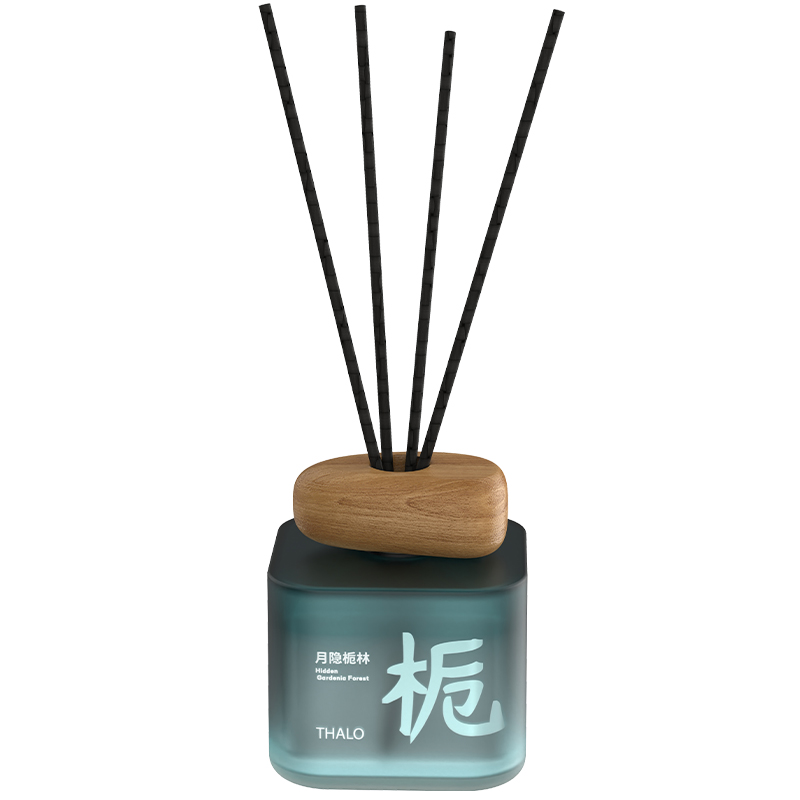
 ZHICHUNLet Nature Fill Your Space With Fragrance,Turn an ordinary room into a peaceful fragrance retreat. Thalo “Spring Awakening” Reed Diffuser brings the beauty of Oriental-inspired scents into everyday life, creating a warm and elegant atmosphere without flame, smoke or electricity.
Inspired by nature, the 180ml Home Fragrance Collection features three distinctive scents: Moonlit Gardenia Forest, Wumu Gradually Becomes Spring, and Green Tea Reflection Spring. Each fragrance unfolds gently through high-density reed sticks, filling your space with a continuous and refined aroma.
The frosted glass bottle, wood-inspired cap and minimalist design add a sophisticated decorative touch to any interior. Perfect for bedrooms, living rooms, bathrooms, offices, boutiques and hotels, this Natural Reed Diffuser creates a relaxing fragrance experience while helping refresh indoor air.
Bring a touch of spring, nature and tranquility into every moment with Thalo. XiaoxiangyuTitle: The Car Air Freshener That Keeps Every Mile Fresh
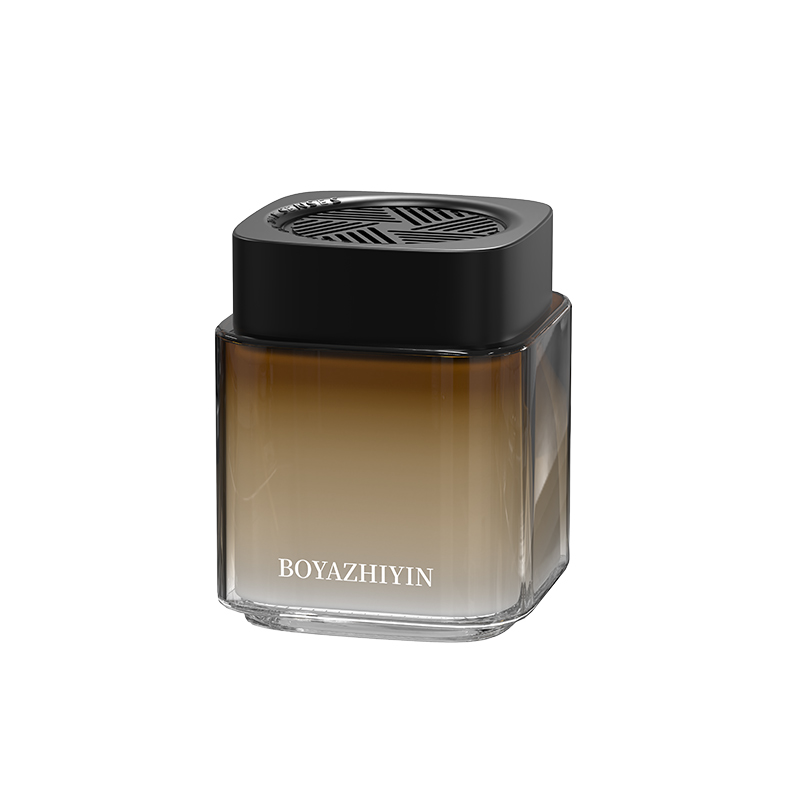
Every drive deserves a fresh, calming atmosphere. The BOYAZHIYIN car air freshener turns your car into a private sanctuary of natural scent. Crafted specifically for small spaces, this long lasting car air freshener delivers pure botanical fragrance without the dizzying intensity of ordinary car perfumes. Our solid gel formula releases scent steadily for weeks, keeping your cabin inviting from the first mile to the last. Each glass jar is built to impress, with a crystal-clear body and a striped diffusion lid that spreads fragrance evenly through every corner. Choose from four refined scents: Oud Rose, Wild Cologne, Dew Gardenia, or High Mountain White Tea. Made with plant essential oils, it is a natural car air freshener you can trust every single day. Breathe easier, drive happier, and enjoy a car that always smells as good as it looks. Ling FengTurn Every Drive Into a Fragrance Ritual
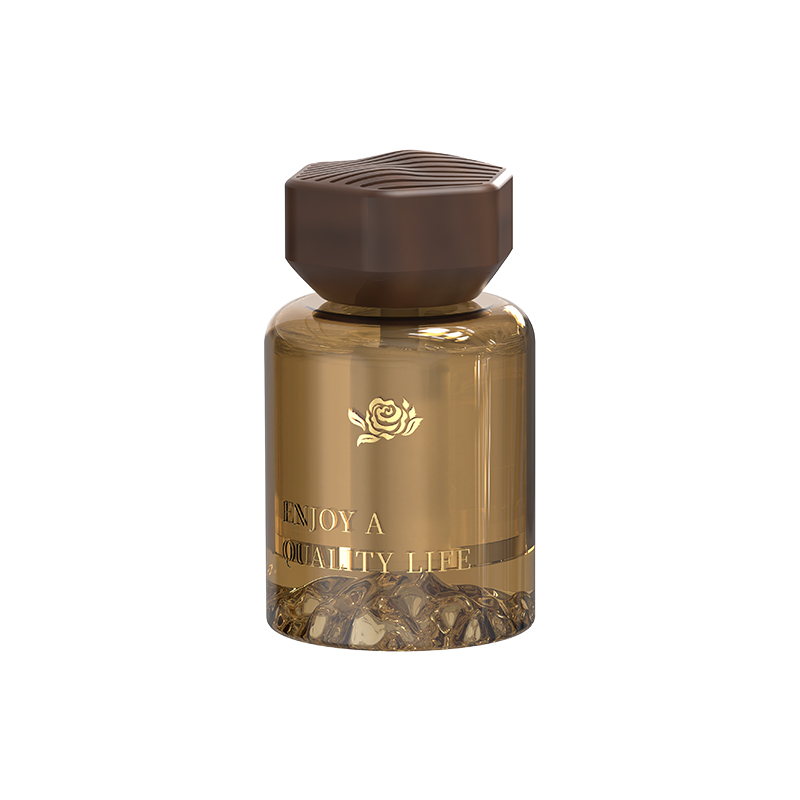
Step into your car and let a refined fragrance transform the atmosphere instantly. Designed for those who appreciate elegance in every detail, this premium car fragrance combines a sophisticated bottle design with high-quality fragrance oils to make every journey more enjoyable.
With 24-hour long-lasting diffusion and a 360° fragrance experience, the scent spreads evenly throughout your car without feeling overpowering. The oil-based formula helps maintain a smooth and consistent aroma, while perfume-grade fragrance creates a more layered and elegant scent experience.
From the fresh and delicate character of Misty Longjing to the deeper, sophisticated notes of Classic Cologne, every fragrance tells its own story. Black KnightA Fragrance That Turns Any Space Into a Memory
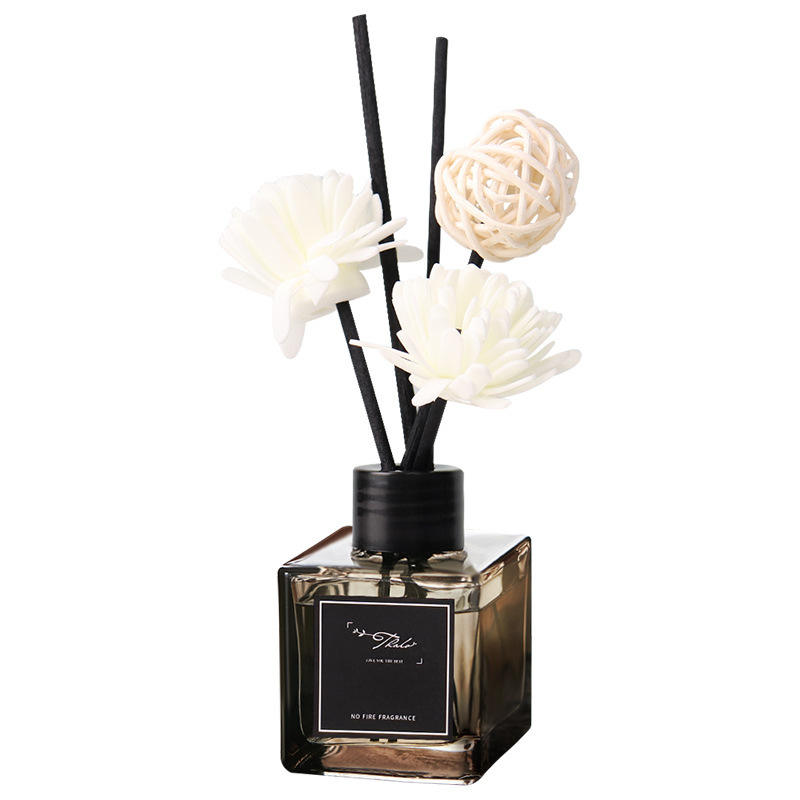
Bring nature indoors with Thalo Botanical Reed Diffuser, a premium home fragrance designed to transform everyday spaces into moments of calm. Crafted with botanical-inspired ingredients and imported fragrance oils, it releases an elegant, long-lasting aroma without flame or smoke.
The 50ml reed diffuser combines a deep brown bottle with high-density fiber reeds and handmade botanical dried flowers, creating both a beautiful decorative piece and an effective air freshener. From peaceful bedrooms to sophisticated living rooms, boutiques, hotels, exhibitions and special events, it adds a refined fragrance wherever you place it.
Choose a scent, place the diffuser, and let the fragrance unfold naturally.
Thalo — bringing the beauty of nature into every memorable moment.
Can't find what you're looking for ?
Leave a Message we will call you back quickly!
Professional Service
Interested? Leave your contact details.
Search Starts Here

