


News
Why Your Scented Candles Tunnel & How Our Wicks Are Engineered to Prevent It matters because tunneling wastes wax, weakens scent throw, and makes a candle feel disappointing long before it is finished.
In home fragrance and daily chemical goods, burn performance is not a small detail. It shapes safety, aroma consistency, product value, and whether a candle becomes part of a daily routine.
A well-made candle should melt evenly across the surface, release fragrance steadily, and leave minimal wax on the jar wall. When that does not happen, wick design is often at the center.
What tunneling really means
Tunneling happens when a candle burns straight down the middle, leaving a thick ring of unmelted wax around the edges.
At first, it may look minor. Over time, the flame sits lower, airflow changes, and fragrance dispersion becomes weaker and less balanced.
That is why Why Your Scented Candles Tunnel & How Our Wicks Are Engineered to Prevent It is more than a curiosity. It directly affects how cleanly and completely a candle performs.
Why candles tunnel in the first place
The most common cause is an undersized or poorly matched wick. If the flame cannot generate enough heat, the wax pool never reaches the container edge.
Wax blend also matters. Different formulations melt at different rates, so the wick must be selected for that exact composition.
Fragrance load can complicate things further. Oils influence viscosity and burn behavior, especially in scented candles with richer aroma profiles.
User habits play a role as well. If the first burn is too short, a memory ring forms, and later burns often follow that same narrow path.
Typical triggers behind uneven burn
- Wick size too small for jar diameter
- Wick material not suited to the wax blend
- High fragrance loading without wick adjustment
- First burn stopped before a full melt pool forms
- Drafty rooms that disturb flame stability
Why wick engineering changes the outcome
A wick is not just a string that carries fuel. It controls capillary flow, flame height, heat spread, and the pace at which fragrance is released.
When discussing Why Your Scented Candles Tunnel & How Our Wicks Are Engineered to Prevent It, the key issue is matching wick structure to vessel size, wax system, and scent concentration.
Engineered wicks are tested for more than ignition. They are evaluated for melt pool width, carbon buildup, mushrooming, soot control, and burn consistency over time.
That approach reduces guesswork. It also helps a candle stay stable from the first light to the final third of the jar.
How manufacturing experience supports better burn performance
Reliable candle behavior usually comes from process control, not luck. That includes raw material selection, burn testing, filling temperature control, and post-pour curing checks.
This matters even more in a broad home care business. Since 2015, the company has expanded from an early 400-square-meter start into larger industrial production and multiple factory operations.
It added new channels in 2019, built a home washing and care factory in 2020, and opened a second factory in 2021. Today, operations in Linyi, Shandong support more than 160 employees.
That scale is relevant because fragrance products perform best when development, sourcing, and testing follow the same quality logic across categories.
What to look for when choosing a home fragrance product
Understanding Why Your Scented Candles Tunnel & How Our Wicks Are Engineered to Prevent It also helps when comparing other fragrance formats.
For spaces where open flame is less practical, a reed diffuser can be the better fit. An option like QINGJING brings fragrance into bedrooms, bathrooms, and living rooms without combustion variables.
Its premium essential oils, elegant glass presentation, and long-lasting aroma suit modern homes that want a calm, spa-like atmosphere while also helping reduce unwanted odors.
That does not replace candles. It simply shows that performance expectations should match the product format and the room where it will be used.
Practical checks before deciding
- Check whether the candle is tested for full melt pool development
- Trim the wick before each burn unless brand guidance differs
- Give the first burn enough time to reach near the edge
- Match product type to room size and daily routine
- Consider flameless fragrance where safety and convenience matter more
A better way to judge candle quality
Good fragrance products should do more than smell pleasant on first use. They should burn or diffuse in a controlled, repeatable way.
That is the practical lesson behind Why Your Scented Candles Tunnel & How Our Wicks Are Engineered to Prevent It. The visible tunnel is only the symptom. The real issue is product design.
When comparing candles, pay attention to burn consistency, wax usage, and how the fragrance behaves after several sessions, not just during the first hour.
From there, it becomes easier to choose between a candle, a diffuser, or a broader home fragrance mix that fits the room, the routine, and the level of maintenance you want.
Related Products
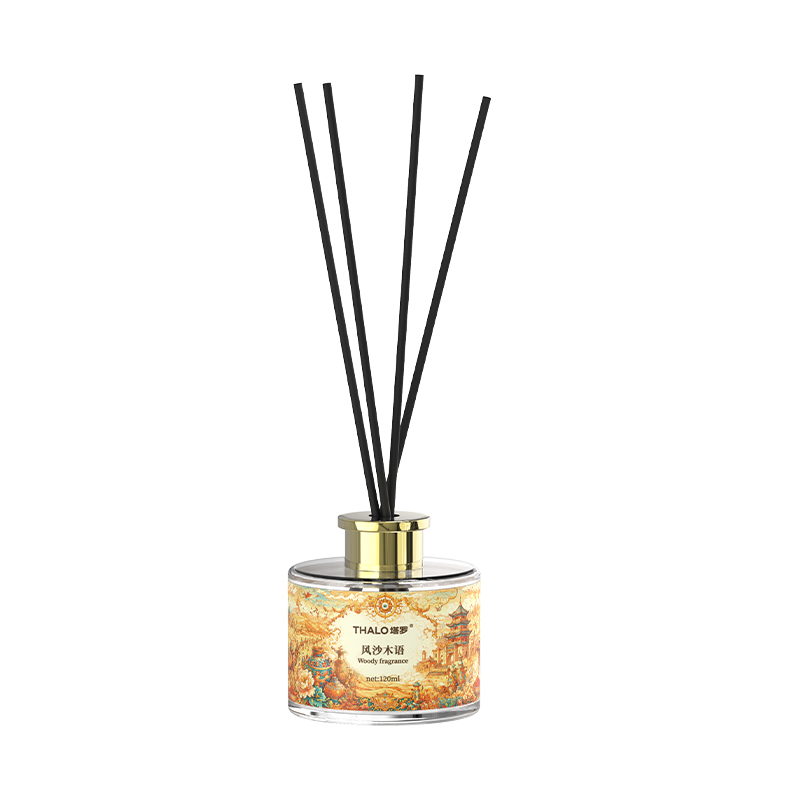
 Silk Road Flower LanguageA Fragrance Journey Along the Silk Road
Step into a world where ancient Silk Road culture meets modern home fragrance. Thalo Silk Road Reed Diffuser transforms your space with an elegant Oriental-inspired aroma, bringing warmth, sophistication and a sense of discovery to everyday moments.
Designed as a flameless home fragrance, it continuously releases fragrance through natural diffuser reeds, creating a calm and inviting atmosphere without fire or electricity. The artistic bottle and premium gift box make it a beautiful addition to bedrooms, entryways, living rooms, boutiques and hotels.
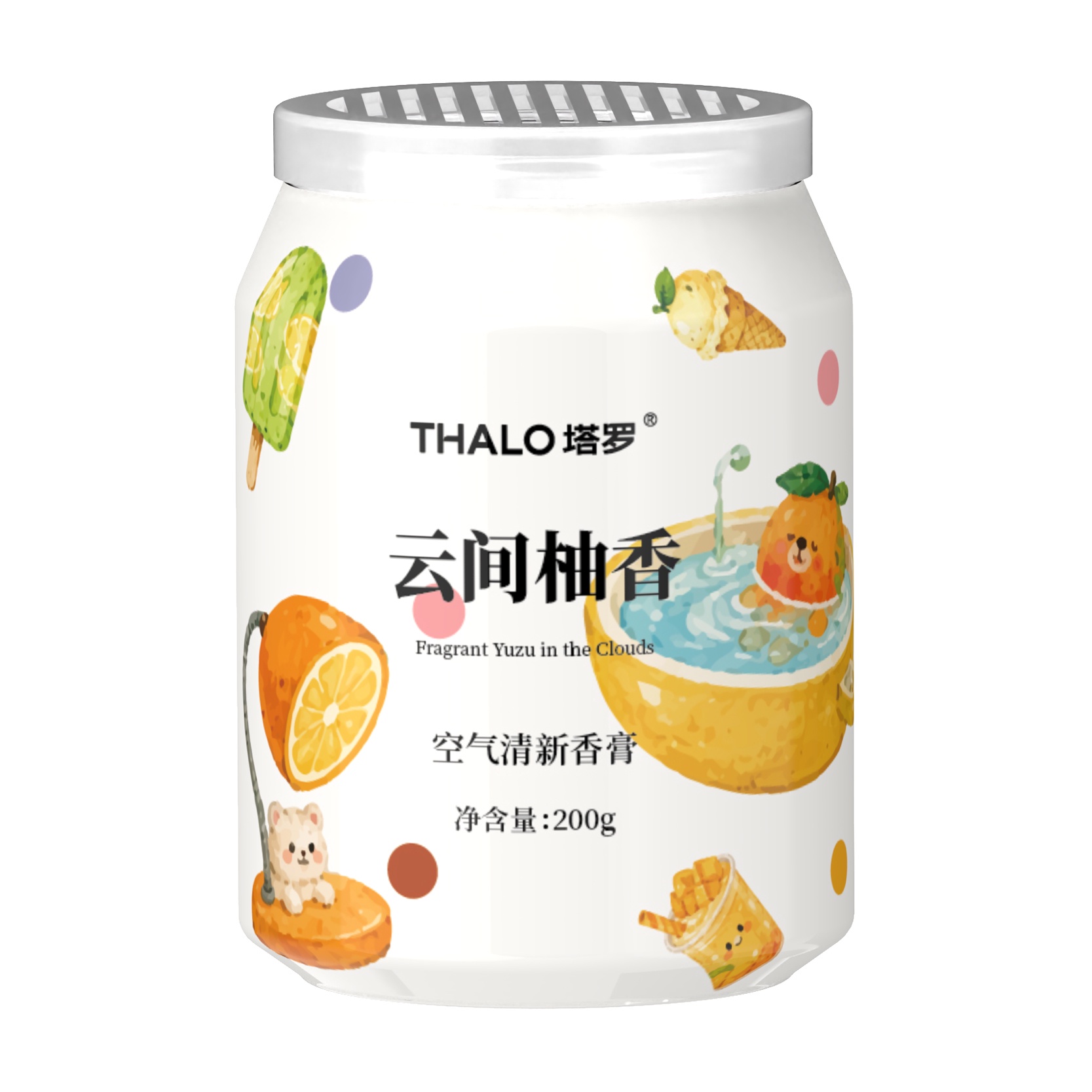
Let every breath become a journey through fragrance. GuoyangYour Car Deserves Better Than That "New Car Smell"
Ever step into your car and wish it smelled like a sunlit orchard instead of stale air.Meet THALO's Fruit Scent Collection — a solid car air freshener that turns every drive into a mini fruit paradise. No sprays, no plugs, no mess. Just unscrew the ventilated lid, and let the 200g fragrance gel slowly release pure, juicy aroma for weeks.
Pick your mood: White Peach in the Snow (soft, creamy, dreamy), Fragrant Yuzu in the Clouds (bright citrus that wakes you up), or Laurel Apple (warm apple-cinnamon comfort). Each jar is hand-illustrated with adorable fruit art that looks as good as it smells — a dopamine hit for your cup holder.
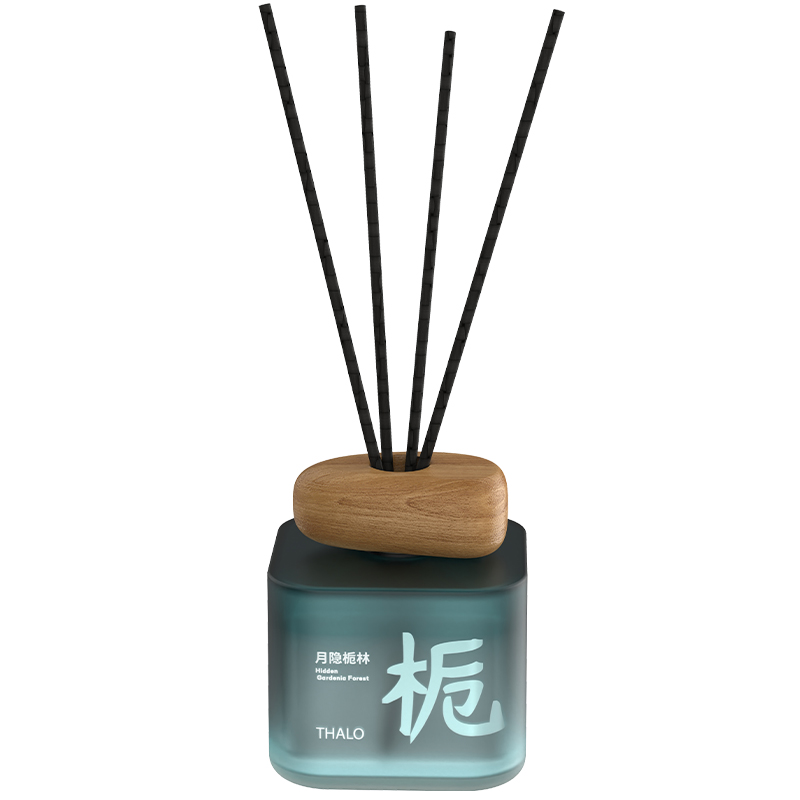
Safe for daily commutes, family trips, and long drives. Plant-based formula, IFRA-certified, crafted with Firmenich perfumers. Fresh air, one twist away. ZHICHUNLet Nature Fill Your Space With Fragrance,Turn an ordinary room into a peaceful fragrance retreat. Thalo “Spring Awakening” Reed Diffuser brings the beauty of Oriental-inspired scents into everyday life, creating a warm and elegant atmosphere without flame, smoke or electricity.
Inspired by nature, the 180ml Home Fragrance Collection features three distinctive scents: Moonlit Gardenia Forest, Wumu Gradually Becomes Spring, and Green Tea Reflection Spring. Each fragrance unfolds gently through high-density reed sticks, filling your space with a continuous and refined aroma.
The frosted glass bottle, wood-inspired cap and minimalist design add a sophisticated decorative touch to any interior. Perfect for bedrooms, living rooms, bathrooms, offices, boutiques and hotels, this Natural Reed Diffuser creates a relaxing fragrance experience while helping refresh indoor air.
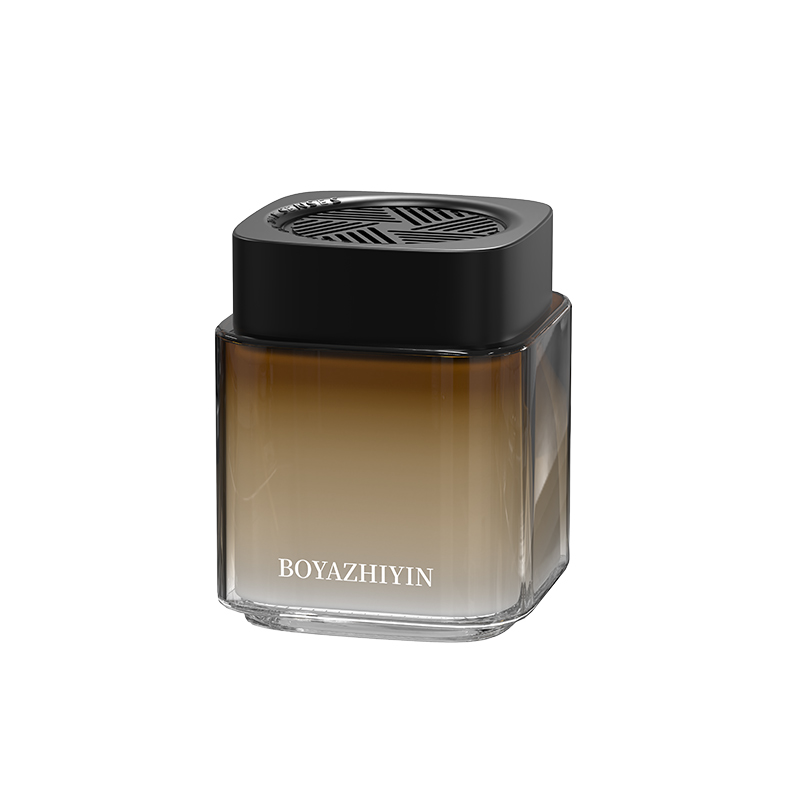
Bring a touch of spring, nature and tranquility into every moment with Thalo. XiaoxiangyuTitle: The Car Air Freshener That Keeps Every Mile Fresh
Every drive deserves a fresh, calming atmosphere. The BOYAZHIYIN car air freshener turns your car into a private sanctuary of natural scent. Crafted specifically for small spaces, this long lasting car air freshener delivers pure botanical fragrance without the dizzying intensity of ordinary car perfumes. Our solid gel formula releases scent steadily for weeks, keeping your cabin inviting from the first mile to the last. Each glass jar is built to impress, with a crystal-clear body and a striped diffusion lid that spreads fragrance evenly through every corner. Choose from four refined scents: Oud Rose, Wild Cologne, Dew Gardenia, or High Mountain White Tea. Made with plant essential oils, it is a natural car air freshener you can trust every single day. Breathe easier, drive happier, and enjoy a car that always smells as good as it looks.
Can't find what you're looking for ?
Leave a Message we will call you back quickly!
Professional Service
Interested? Leave your contact details.
Search Starts Here

