


News
Executive Introduction
Automotive FragranceSeries and Aromatherapy Products are more than scents: they are strategic brand assets that influence perception at touchpoints, from showroom visits to corporate fleet experiences. Decision-makers need clear data and procurement guidance to convert sensory design into measurable business outcomes. This section outlines why fragrance strategy matters and how it ties to customer satisfaction, retention, and perceived quality.
Definition and Core Concepts
Automotive FragranceSeries refers to formulated scent solutions designed for vehicular and enclosed environments, optimized for safety, longevity, and brand consistency. Aromatherapy Products are a broader category that includes liquid delivery systems, diffusers, and formulations intended to influence mood and wellbeing. Both product classes support brand storytelling and operational standards when selected and deployed correctly.
Market Trends and Strategic Value
The demand for premium experiential elements in light industry and daily-use sectors grows as consumers equate scent with quality. Market data shows rising interest in tailored Aromatherapy Products for retail, hospitality, and automotive applications. Strategic adopters leverage Automotive FragranceSeries to differentiate showrooms and service centers, boosting perceived value and average transaction size. For corporate decision-makers, this creates competitive advantage and new KPIs tied to sensory branding.
Technical Performance and Product Features
When evaluating Automotive FragranceSeries and Aromatherapy Products, prioritize formulations that balance evaporation rate, odor profile stability, and safety compliance (e.g., IFRA guidance). Look for systems with silent operation, low particulate emission, and consistent diffusion. Consider the Small Bird Cage, which blends liquid aromatherapy with artwork design, a silent purifier function, and features that capture dust and restore room clarity. Such units illustrate how design and function can coexist to enhance operational reliability and brand imagery.
Application Scenarios and Industry Use Cases
Automotive dealerships use Automotive FragranceSeries to create signature showroom atmospheres that signal luxury and attention to detail. Fleet managers introduce Aromatherapy Products in VIP transport to improve passenger comfort. Retail and corporate lobbies deploy discrete diffusers to reduce stress and sustain a consistent olfactory identity. Decision-makers should map application scenarios to objectives: conversion uplift, repeat visits, or employee wellbeing.
Procurement Guide for Decision-Makers
- Define objectives: brand positioning, KPI targets, and compliance requirements.
- Specify product class: passive cards, continuous dispensers, or liquid diffusion systems.
- Assess unit lifecycle cost: MSRP, refill cadence, maintenance, and disposal.
- Request technical data: diffusion output (mg/hr), emission profiles, and safety data sheets.
Conduct pilot tests across representative sites and gather customer feedback metrics.
Follow this stepwise approach to reduce procurement risk and align Aromatherapy Products purchases with measurable outcomes.
Standards, Certification, and Safety
Ensure Automotive FragranceSeries and Aromatherapy Products comply with relevant international and regional standards. Reference IFRA guidelines for fragrance restrictions and check local VOC and indoor air quality standards. For automotive interiors, validate materials against OEM compatibility and flammability norms. Certifications and test reports reduce liability and simplify adoption across multiple locations.
Comparison: Automotive FragranceSeries vs Alternatives
Not all scent solutions deliver equal value. Compared with single-use scent cards, Automotive FragranceSeries with controlled liquid diffusion offer consistent longevity and brand fidelity. Passive systems lower upfront cost but increase variability. A structured comparison helps buyers choose the right trade-off between capex, maintenance, and scent consistency.
Cost, ROI and Alternatives
Calculate total cost of ownership including device cost, refill frequency, installation, and disposal. Estimate ROI via uplift in conversion rate, repeat visits, or increased contract value for fleets. Alternatives such as localized HVAC injection or scent zoning can reduce per-location costs but require HVAC integration and more complex controls. Use pilot results to forecast ROI and choose scalable approaches.
Customer Case Study
A mid-sized dealership implemented a branded Automotive FragranceSeries pilot across three showrooms. After six months, customer satisfaction scores rose by 12% and test drive bookings increased by 9%. The team used discreet liquid diffusers similar in function to the Small Bird Cage, leveraging both sensory design and quiet air purification to create a premium space without intrusive hardware.
Technical FAQ for Commercial Evaluation
- Q: How to measure scent intensity? A: Use standardized olfactory panels and VOC sensors to set baseline diffusion rates.
- Q: Are Aromatherapy Products safe for staff? A: Verify MSDS and ensure compliance with IFRA and local occupational safety guidelines.
Q: What maintenance is required? A: Routine refill and filter checks; schedule based on foot traffic and air exchange rates.
Implementation Checklist
- Set branding goals and KPIs.
- Choose diffusion technology matching site constraints.
- Confirm compliance and obtain samples for pilot.
- Run a 4–8 week pilot and collect quantitative feedback.
Scale based on ROI and operational readiness
Trends and Future Outlook
Expect continued convergence of scent technology with IoT, personalized scent zoning, and data-driven sensory marketing. Automotive FragranceSeries will integrate with CX platforms to correlate scent exposure with sales metrics. Aromatherapy Products will evolve toward lower environmental impact formulations and smarter dispensers that adapt to occupancy and air quality in real time.
Why Choose Us and Next Steps
For decision-makers evaluating Automotive FragranceSeries and Aromatherapy Products, our factory history and scale matter: founded in 2015, expanded facilities through 2021, and a skilled team of 160+ staff in Linyi, Shandong, we combine manufacturing maturity with R&D agility. Our solutions emphasize exquisite design, the power of nature, and the freedom to breathe—qualities exemplified by products like the Small Bird Cage. Contact us for a pilot, specification sheets, and compliance documentation to bring sensory strategy into your brand roadmap.
Automotive FragranceSeries and Aromatherapy Products, used strategically, become measurable brand levers. Reach out to start a pilot and convert intangible perception into tangible business value.
Related Products
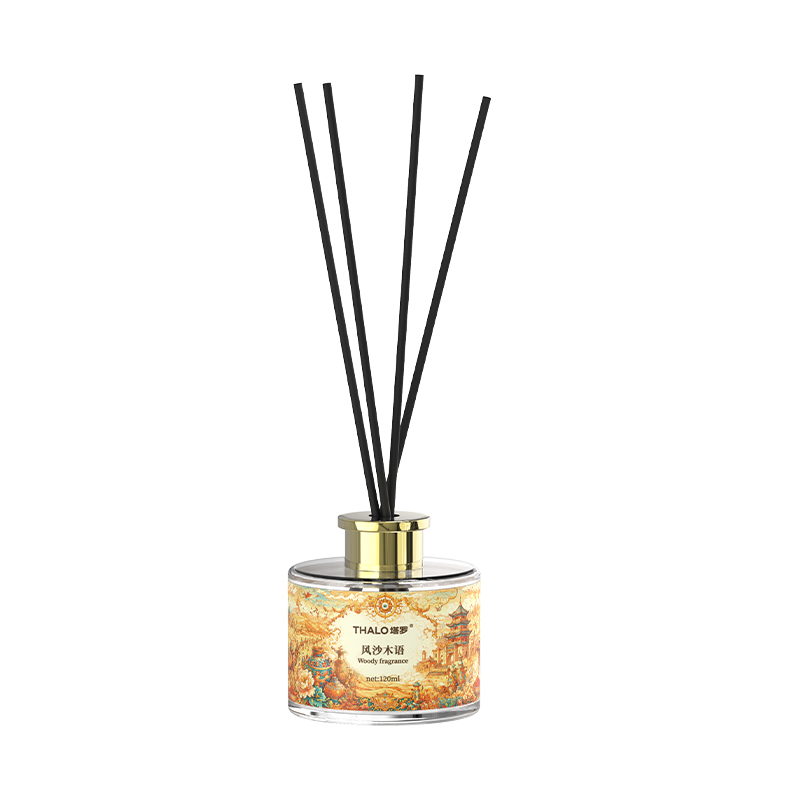
 Silk Road Flower LanguageA Fragrance Journey Along the Silk Road
Step into a world where ancient Silk Road culture meets modern home fragrance. Thalo Silk Road Reed Diffuser transforms your space with an elegant Oriental-inspired aroma, bringing warmth, sophistication and a sense of discovery to everyday moments.
Designed as a flameless home fragrance, it continuously releases fragrance through natural diffuser reeds, creating a calm and inviting atmosphere without fire or electricity. The artistic bottle and premium gift box make it a beautiful addition to bedrooms, entryways, living rooms, boutiques and hotels.
Let every breath become a journey through fragrance. GuoyangYour Car Deserves Better Than That "New Car Smell"
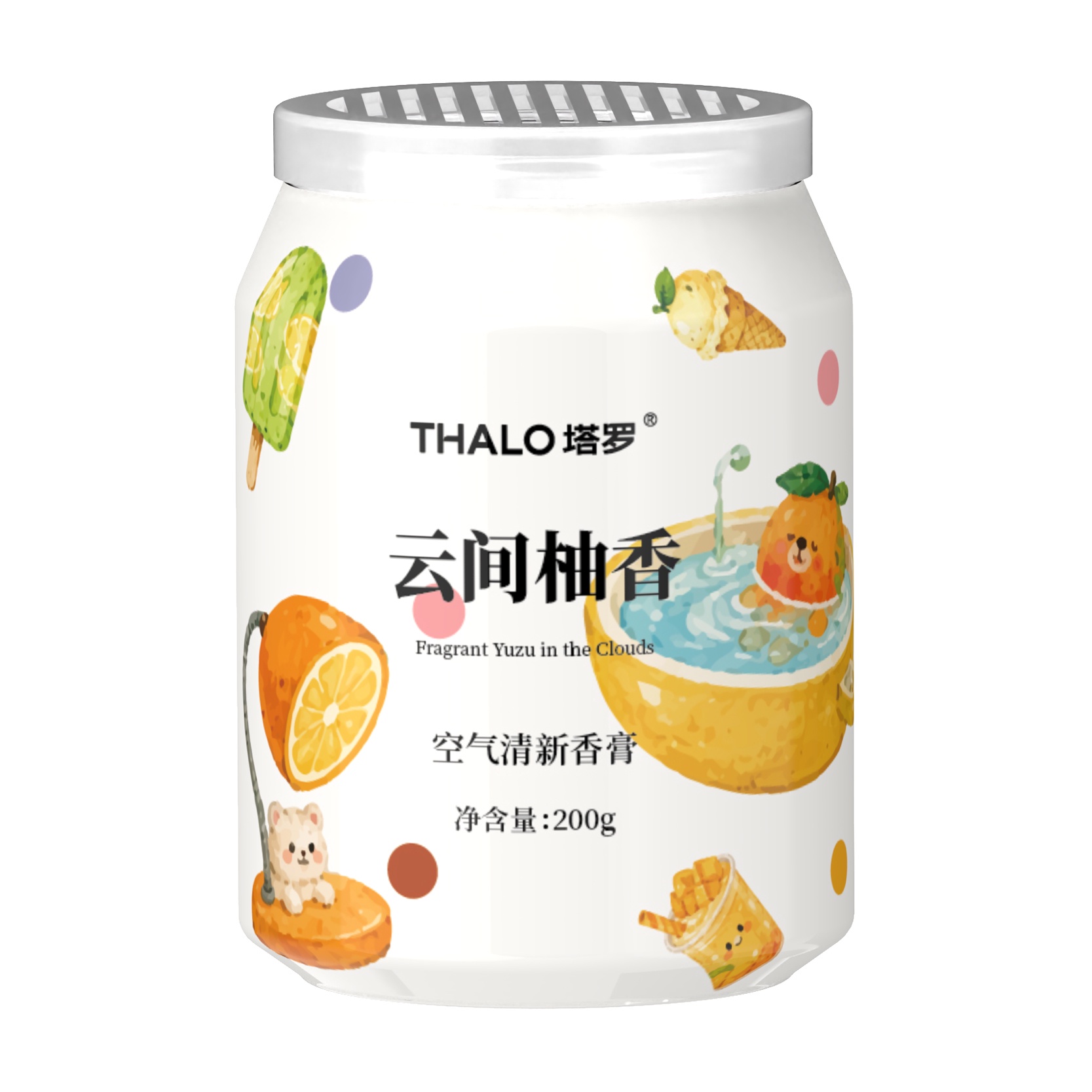
Ever step into your car and wish it smelled like a sunlit orchard instead of stale air.Meet THALO's Fruit Scent Collection — a solid car air freshener that turns every drive into a mini fruit paradise. No sprays, no plugs, no mess. Just unscrew the ventilated lid, and let the 200g fragrance gel slowly release pure, juicy aroma for weeks.
Pick your mood: White Peach in the Snow (soft, creamy, dreamy), Fragrant Yuzu in the Clouds (bright citrus that wakes you up), or Laurel Apple (warm apple-cinnamon comfort). Each jar is hand-illustrated with adorable fruit art that looks as good as it smells — a dopamine hit for your cup holder.
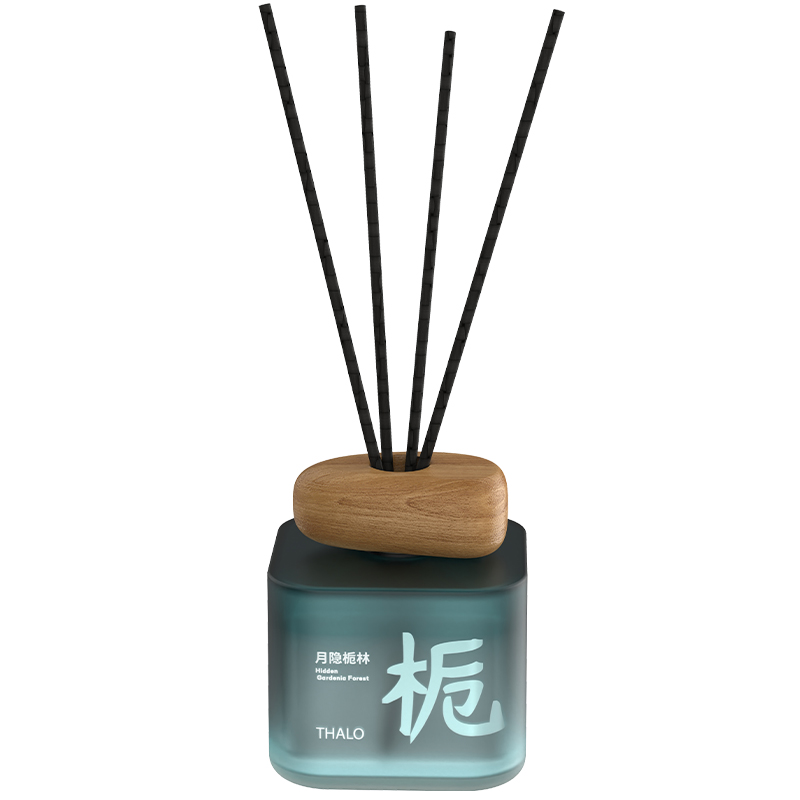
Safe for daily commutes, family trips, and long drives. Plant-based formula, IFRA-certified, crafted with Firmenich perfumers. Fresh air, one twist away. ZHICHUNLet Nature Fill Your Space With Fragrance,Turn an ordinary room into a peaceful fragrance retreat. Thalo “Spring Awakening” Reed Diffuser brings the beauty of Oriental-inspired scents into everyday life, creating a warm and elegant atmosphere without flame, smoke or electricity.
Inspired by nature, the 180ml Home Fragrance Collection features three distinctive scents: Moonlit Gardenia Forest, Wumu Gradually Becomes Spring, and Green Tea Reflection Spring. Each fragrance unfolds gently through high-density reed sticks, filling your space with a continuous and refined aroma.
The frosted glass bottle, wood-inspired cap and minimalist design add a sophisticated decorative touch to any interior. Perfect for bedrooms, living rooms, bathrooms, offices, boutiques and hotels, this Natural Reed Diffuser creates a relaxing fragrance experience while helping refresh indoor air.
Bring a touch of spring, nature and tranquility into every moment with Thalo. XiaoxiangyuTitle: The Car Air Freshener That Keeps Every Mile Fresh
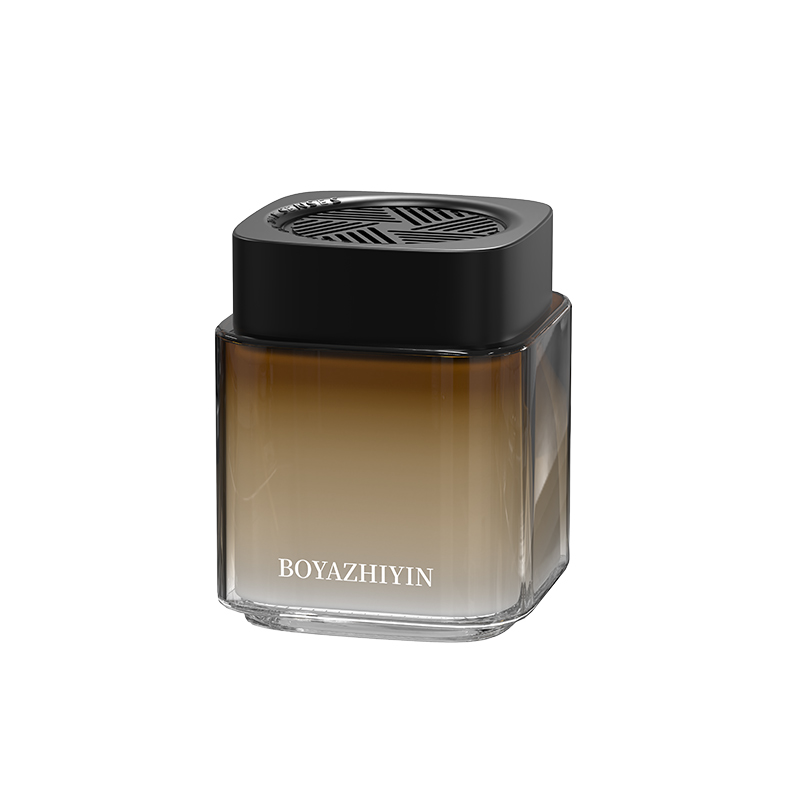
Every drive deserves a fresh, calming atmosphere. The BOYAZHIYIN car air freshener turns your car into a private sanctuary of natural scent. Crafted specifically for small spaces, this long lasting car air freshener delivers pure botanical fragrance without the dizzying intensity of ordinary car perfumes. Our solid gel formula releases scent steadily for weeks, keeping your cabin inviting from the first mile to the last. Each glass jar is built to impress, with a crystal-clear body and a striped diffusion lid that spreads fragrance evenly through every corner. Choose from four refined scents: Oud Rose, Wild Cologne, Dew Gardenia, or High Mountain White Tea. Made with plant essential oils, it is a natural car air freshener you can trust every single day. Breathe easier, drive happier, and enjoy a car that always smells as good as it looks.
Can't find what you're looking for ?
Leave a Message we will call you back quickly!
Professional Service
Interested? Leave your contact details.
Search Starts Here

