


News
1. Choose the Right Product
Prioritize "safe, low-irritation, and easy-to-fix" options:
• Prefer flameless types: Vent-mounted aromatherapy (clips to air vents), solid fragrance balms (in metal/plastic cases), or reed diffusers (with sealed bottles for cup holders). These have no fire or leakage risks.
• Avoid flame-based products: Never use scented candles or incense—open flames may cause fires, and smoke pollutes air and obscures vision.
• Skip high-concentration essential oils: Pure essential oils evaporate too quickly, leading to dizziness or respiratory irritation. Opt for car-specific diluted oils, or add 1-2 drops of diluted oil to a diffuser stone in the cup holder.

2. Proper Installation & Usage
• Safe placement:
◦ Vent aromatherapy: Clip to passenger or rear vents (avoid driver’s front vents to prevent distraction or olfactory fatigue).
◦ Dashboard aromatherapy: Place in corners, away from airbags (to prevent flying during deployment) and instrument panels.
◦ Cup holder/storage: Secure reed diffusers or balms here to avoid spills (liquid may damage interiors).
• Control concentration:
◦ Use less than at home (in-car space: 3-5 m³): Insert 2-3 reeds, open balm lids halfway initially. Let new aromatherapy air out for 10 minutes outside the car first.
• Fragrance selection:
◦ Long trips/fatigue: Energizing scents (lemon, mint, rosemary) to stay alert.
◦ Daily commutes/traffic: Calming scents (low-concentration lavender, cedarwood, bergamot) to reduce anxiety.
◦ Avoid strong sweet scents (jasmine, rose, musk)—they may cause dizziness in enclosed spaces.
3. Key Precautions
• Regular checks:
◦ Liquid/reed diffusers: Check for leaks weekly (clean and replace if oil stains appear). Replace when fragrance fades.
◦ Solid balms: Cool melted balms in shade, or choose heat-resistant beeswax-based ones.
• Special scenarios:
◦ After summer heat exposure (over 60℃): Ventilate first—high temperatures speed up evaporation and may release harmful substances.
◦ With infants/pets: Use low-irritation options (unscented/light citrus) and keep windows slightly open. Avoid for cats (sensitive to tea tree/mint oils).
• Emergency response:
◦ Stop using if feeling dizzy/nauseous—ventilate and rest.
◦ Rinse skin with water if oil contacts it.

Related Products
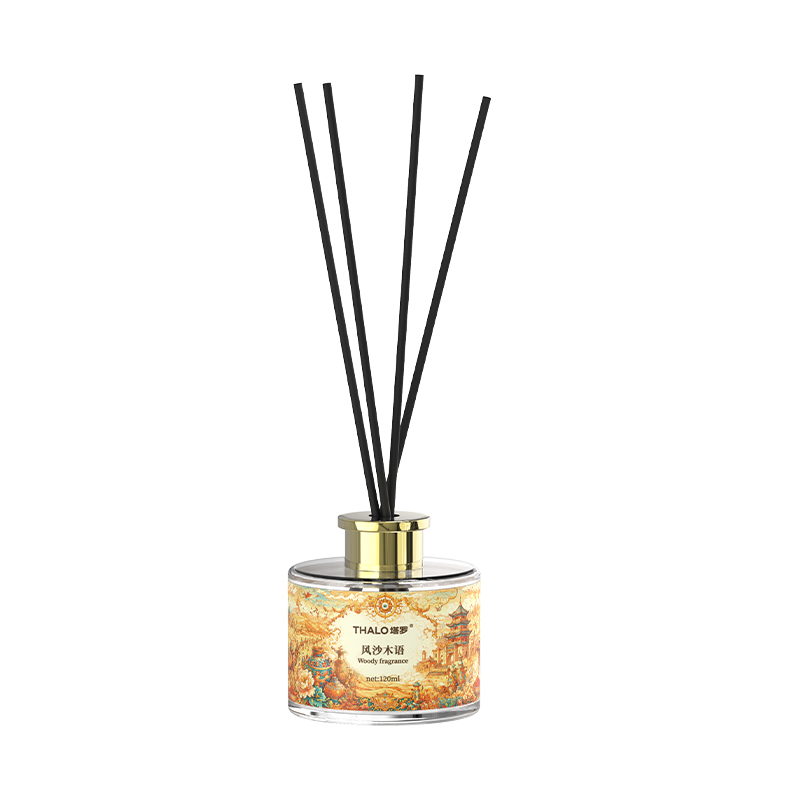
 Silk Road Flower LanguageA Fragrance Journey Along the Silk Road
Step into a world where ancient Silk Road culture meets modern home fragrance. Thalo Silk Road Reed Diffuser transforms your space with an elegant Oriental-inspired aroma, bringing warmth, sophistication and a sense of discovery to everyday moments.
Designed as a flameless home fragrance, it continuously releases fragrance through natural diffuser reeds, creating a calm and inviting atmosphere without fire or electricity. The artistic bottle and premium gift box make it a beautiful addition to bedrooms, entryways, living rooms, boutiques and hotels.
Let every breath become a journey through fragrance. GuoyangYour Car Deserves Better Than That "New Car Smell"
Ever step into your car and wish it smelled like a sunlit orchard instead of stale air.Meet THALO's Fruit Scent Collection — a solid car air freshener that turns every drive into a mini fruit paradise. No sprays, no plugs, no mess. Just unscrew the ventilated lid, and let the 200g fragrance gel slowly release pure, juicy aroma for weeks.
Pick your mood: White Peach in the Snow (soft, creamy, dreamy), Fragrant Yuzu in the Clouds (bright citrus that wakes you up), or Laurel Apple (warm apple-cinnamon comfort). Each jar is hand-illustrated with adorable fruit art that looks as good as it smells — a dopamine hit for your cup holder.
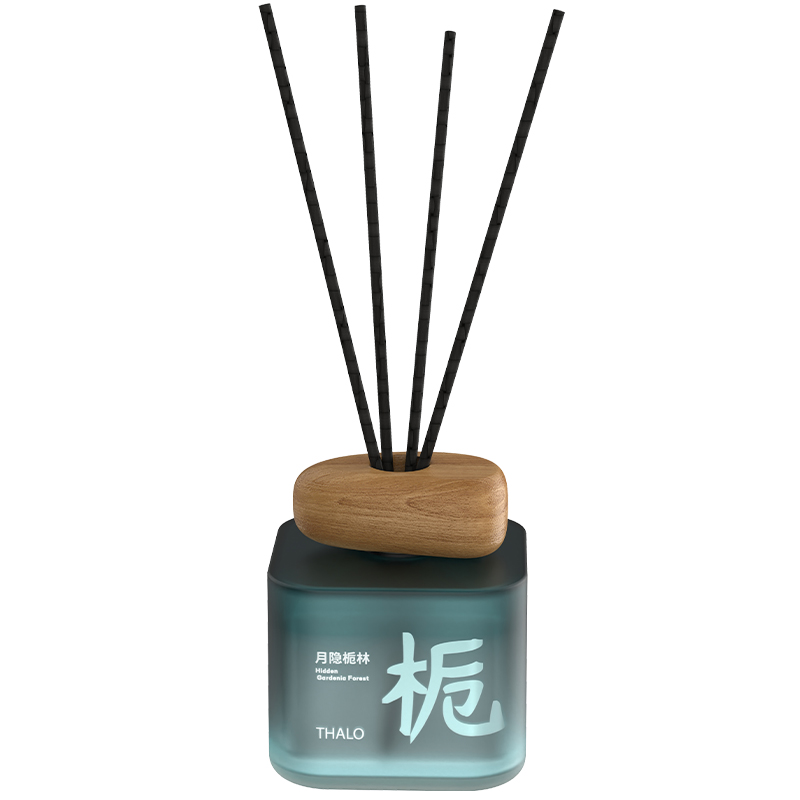
Safe for daily commutes, family trips, and long drives. Plant-based formula, IFRA-certified, crafted with Firmenich perfumers. Fresh air, one twist away. ZHICHUNLet Nature Fill Your Space With Fragrance,Turn an ordinary room into a peaceful fragrance retreat. Thalo “Spring Awakening” Reed Diffuser brings the beauty of Oriental-inspired scents into everyday life, creating a warm and elegant atmosphere without flame, smoke or electricity.
Inspired by nature, the 180ml Home Fragrance Collection features three distinctive scents: Moonlit Gardenia Forest, Wumu Gradually Becomes Spring, and Green Tea Reflection Spring. Each fragrance unfolds gently through high-density reed sticks, filling your space with a continuous and refined aroma.
The frosted glass bottle, wood-inspired cap and minimalist design add a sophisticated decorative touch to any interior. Perfect for bedrooms, living rooms, bathrooms, offices, boutiques and hotels, this Natural Reed Diffuser creates a relaxing fragrance experience while helping refresh indoor air.
Bring a touch of spring, nature and tranquility into every moment with Thalo. XiaoxiangyuTitle: The Car Air Freshener That Keeps Every Mile Fresh
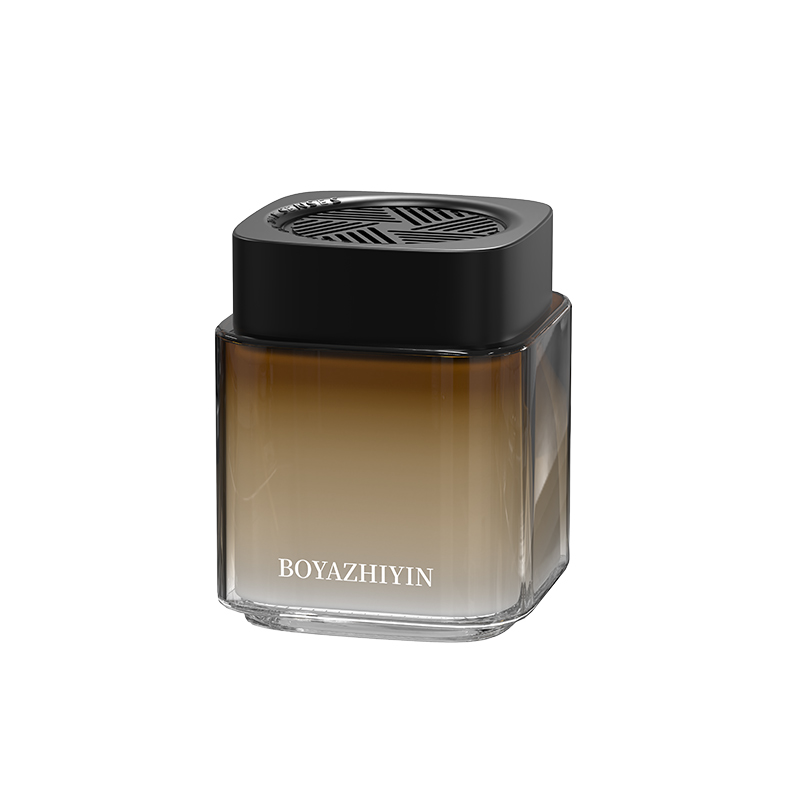
Every drive deserves a fresh, calming atmosphere. The BOYAZHIYIN car air freshener turns your car into a private sanctuary of natural scent. Crafted specifically for small spaces, this long lasting car air freshener delivers pure botanical fragrance without the dizzying intensity of ordinary car perfumes. Our solid gel formula releases scent steadily for weeks, keeping your cabin inviting from the first mile to the last. Each glass jar is built to impress, with a crystal-clear body and a striped diffusion lid that spreads fragrance evenly through every corner. Choose from four refined scents: Oud Rose, Wild Cologne, Dew Gardenia, or High Mountain White Tea. Made with plant essential oils, it is a natural car air freshener you can trust every single day. Breathe easier, drive happier, and enjoy a car that always smells as good as it looks.

Can't find what you're looking for ?
Leave a Message we will call you back quickly!
Professional Service
Interested? Leave your contact details.
Search Starts Here

