


Home aromatherapy has evolved from a luxury indulgence to a daily essential, transforming living spaces into sanctuaries of calm, energy, or comfort. With a dizzying array of products—from candles and diffusers to balms and room sprays—selecting the right one can feel overwhelming. The key to success lies in aligning your choice with your lifestyle, space, and sensory preferences while prioritizing safety and quality. Below is a step-by-step guide to navigating the world of home aromatherapy.
Car aromatherapy products are like accessories for your vehicle—choose the right one, and they enhance your driving pleasure; pick the wrong one, and they become a "mobile nuisance." The market offers five main types of car aromatherapy, each with distinct advantages in safety, convenience, and scent performance. Matching the product to your driving habits ensures that fragrance truly becomes a highlight of your journey.
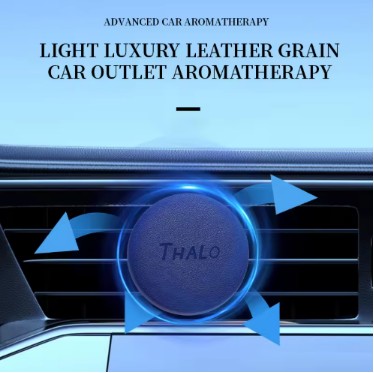
Vent Clip Aromatherapy: The "Quick Fragrance Station" for Commuters
As the most popular type of car aromatherapy, vent clips excel in "instant installation and use." Simply fasten the clip to your car's air vent, and when you turn on the AC, the fragrance spreads throughout the cabin with the airflow. The entire process from installation to full fragrance diffusion takes just 3 minutes—perfect for office workers with 1-2 hour daily commutes. Rushing out in the morning? No extra steps needed; you’ll be greeted by your favorite scent as soon as you hop in.
However, focus on two key factors: the fastening system and weight control. High-quality vent clips use silicone anti-slip clasps that stay secure even on bumpy roads. Cheap plastic clips, by contrast, easily break and might scratch your vent fins. For weight, opt for lightweight designs under 30g. Heavier aromatherapy units could hit the dashboard during sudden stops, leaving scratches.
Vent clips also offer low-cost scent updates, with replacement cartridges typically costing $3-8. This makes them ideal for users who love switching fragrances—lemon for a Monday pick-me-up, cedarwood for midweek calm, and citrus blends to welcome the weekend. Avoid overly decorative styles, though; intricate cutouts or 3D designs might block airflow, reducing your AC’s efficiency.
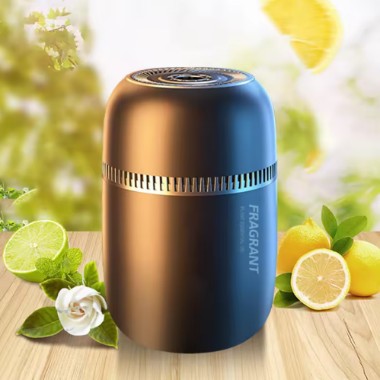
Solid Aromatherapy Balms: The "Long-Lasting Companion" for Lazy Drivers
Solid balm aromatherapy is the "no-fuss option" in car fragrances. Made with beeswax and plant oils, they eliminate the risk of liquid leaks entirely. Even in scorching summer heat—when car interiors can exceed 60°C—quality balms remain solid, unlike liquid aromatherapy that might expand and spill. With a lifespan of 1-3 months, they only require a quick weekly check of remaining product, making them perfect for drivers who hate hassle.
When buying solid balms, check the "essential oil content." Products labeled "natural essential oil content ≥15%" offer richer, more natural scent layers. Cheap balms relying on synthetic fragrances smell strong initially but turn into a harsh chemical odor after 1-2 weeks. For usage scenarios, balms suit female drivers or family cars best—the gentle texture poses no risk if touched by children. Some variants with shea butter even double as emergency hand cream for dry skin in air-conditioned cars.
Solid balms offer flexible placement—tuck them in the center console storage or door compartments without worrying about tipping. Avoid direct sunlight, though; while the balm itself resists high temperatures, prolonged exposure can accelerate essential oil evaporation, shortening its lifespan.
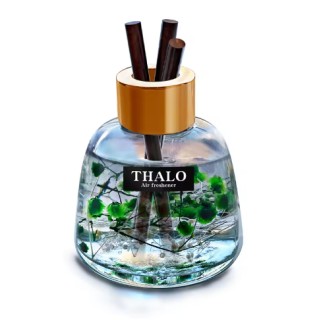
Reed Diffusers (Car-Specific): The "Steady Scent Source" for Long-Distance Drivers
Car-specific reed diffusers are "slow-burn" products designed for extended driving sessions. Natural reed sticks absorb fragrance oil through capillary action and release scent at a steady rate. They reach optimal intensity after 24 hours and maintain consistent performance afterward, unlike vent clips that fluctuate with AC usage. This stability benefits long-haul drivers or night-shift workers, as steady aromas help keep emotions balanced.
Pay attention to "size compatibility" when purchasing. Car reed diffusers usually stand under 10cm tall with a diameter under 7cm, fitting perfectly in cup holders to prevent wobbling while driving. Prioritize natural reed over plastic—its porous structure absorbs 30% more oil and resists mold growth. Start with 3-4 reeds, then adjust after 3 days based on scent sensitivity; never use more than 6, as excessive fragrance can cause dizziness.
Car reed diffusers often feature natural plant scents like white tea, sea salt, and rosemary, which complement leather interiors beautifully. They cost more to maintain than solid balms, with refills ranging from $8-13, and require flipping reeds every 2 weeks to refresh the scent. These diffusers suit drivers willing to invest a little time in maintenance.
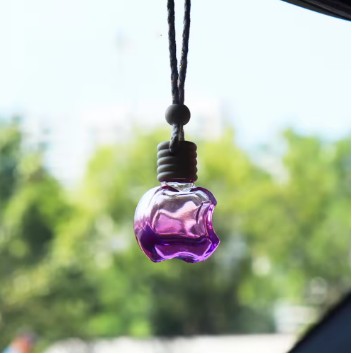
Decorative Ornamental Aromatherapy: The "Balance Test" of Beauty and Safety
Decorative aromatherapy Ornament sparks the most debate. While they enhance interior aesthetics with unique designs, they pose significant safety risks. Crystal or metal pieces over 100g generate enormous impact force during collisions—tests show a 150g ornament can puncture airbags at 50km/h. Even during normal driving, loose Ornament might slide during acceleration, distracting the driver.
If you prioritize decoration, select "adhesive flat styles" under 50g and 2cm thick. Secure them strictly on the passenger-side dashboard, away from airbags and the driver’s line of sight. Ceramic or wood materials are better than metal, as they resist glare and offer higher safety.
Practically speaking, decorative aromatherapy performs poorly in scent distribution. Without active diffusion mechanisms, fragrance lingers only around the placement area, failing to permeate the entire cabin. Unless you’re obsessed with aesthetics, they’re not recommended as primary car aromatherapy.
Determining the best car aromatherapy type hinges on three factors: daily driving duration (dictating whether you need long-lasting options), vehicle occupants (solid types are safer with children), and maintenance willingness (reed diffusers require more care). There’s no universally "best" type—only the one that matches your driving habits. Let fragrance integrate your driving rhythm rather than become an extra burden—that’s the wise choice.
Related Products
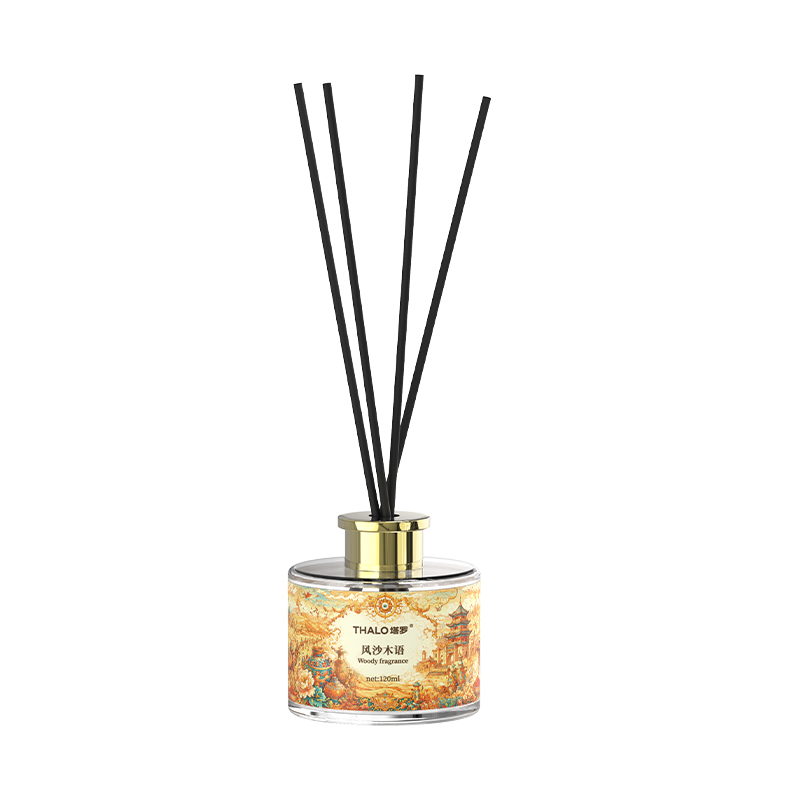
 Silk Road Flower LanguageA Fragrance Journey Along the Silk Road
Step into a world where ancient Silk Road culture meets modern home fragrance. Thalo Silk Road Reed Diffuser transforms your space with an elegant Oriental-inspired aroma, bringing warmth, sophistication and a sense of discovery to everyday moments.
Designed as a flameless home fragrance, it continuously releases fragrance through natural diffuser reeds, creating a calm and inviting atmosphere without fire or electricity. The artistic bottle and premium gift box make it a beautiful addition to bedrooms, entryways, living rooms, boutiques and hotels.
Let every breath become a journey through fragrance. GuoyangYour Car Deserves Better Than That "New Car Smell"
Ever step into your car and wish it smelled like a sunlit orchard instead of stale air.Meet THALO's Fruit Scent Collection — a solid car air freshener that turns every drive into a mini fruit paradise. No sprays, no plugs, no mess. Just unscrew the ventilated lid, and let the 200g fragrance gel slowly release pure, juicy aroma for weeks.
Pick your mood: White Peach in the Snow (soft, creamy, dreamy), Fragrant Yuzu in the Clouds (bright citrus that wakes you up), or Laurel Apple (warm apple-cinnamon comfort). Each jar is hand-illustrated with adorable fruit art that looks as good as it smells — a dopamine hit for your cup holder.
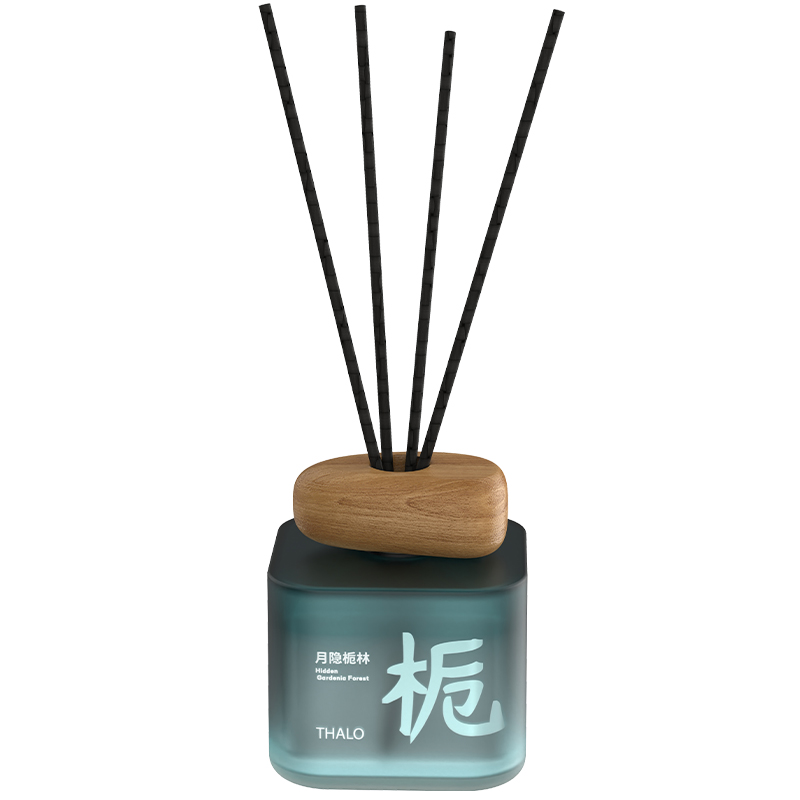
Safe for daily commutes, family trips, and long drives. Plant-based formula, IFRA-certified, crafted with Firmenich perfumers. Fresh air, one twist away. ZHICHUNLet Nature Fill Your Space With Fragrance,Turn an ordinary room into a peaceful fragrance retreat. Thalo “Spring Awakening” Reed Diffuser brings the beauty of Oriental-inspired scents into everyday life, creating a warm and elegant atmosphere without flame, smoke or electricity.
Inspired by nature, the 180ml Home Fragrance Collection features three distinctive scents: Moonlit Gardenia Forest, Wumu Gradually Becomes Spring, and Green Tea Reflection Spring. Each fragrance unfolds gently through high-density reed sticks, filling your space with a continuous and refined aroma.
The frosted glass bottle, wood-inspired cap and minimalist design add a sophisticated decorative touch to any interior. Perfect for bedrooms, living rooms, bathrooms, offices, boutiques and hotels, this Natural Reed Diffuser creates a relaxing fragrance experience while helping refresh indoor air.
Bring a touch of spring, nature and tranquility into every moment with Thalo. XiaoxiangyuTitle: The Car Air Freshener That Keeps Every Mile Fresh
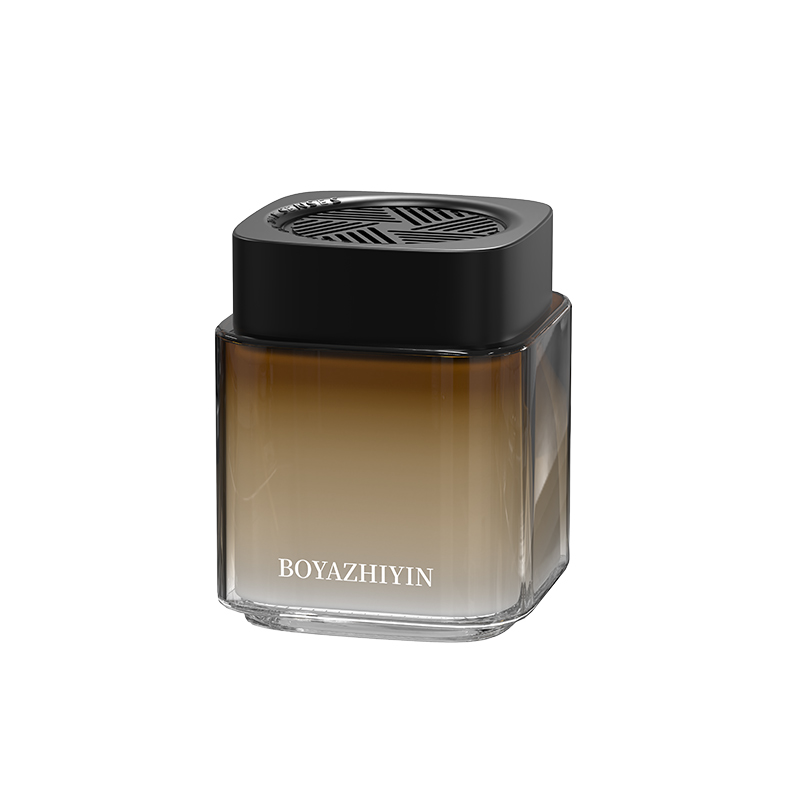
Every drive deserves a fresh, calming atmosphere. The BOYAZHIYIN car air freshener turns your car into a private sanctuary of natural scent. Crafted specifically for small spaces, this long lasting car air freshener delivers pure botanical fragrance without the dizzying intensity of ordinary car perfumes. Our solid gel formula releases scent steadily for weeks, keeping your cabin inviting from the first mile to the last. Each glass jar is built to impress, with a crystal-clear body and a striped diffusion lid that spreads fragrance evenly through every corner. Choose from four refined scents: Oud Rose, Wild Cologne, Dew Gardenia, or High Mountain White Tea. Made with plant essential oils, it is a natural car air freshener you can trust every single day. Breathe easier, drive happier, and enjoy a car that always smells as good as it looks.

Can't find what you're looking for ?
Leave a Message we will call you back quickly!
Professional Service
Interested? Leave your contact details.
Search Starts Here

