


News
Home aromatherapy has evolved from a luxury indulgence to a daily essential, transforming living spaces into sanctuaries of calm, energy, or comfort. With a dizzying array of products—from candles and diffusers to balms and room sprays—selecting the right one can feel overwhelming. The key to success lies in aligning your choice with your lifestyle, space, and sensory preferences while prioritizing safety and quality. Below is a step-by-step guide to navigating the world of home aromatherapy.
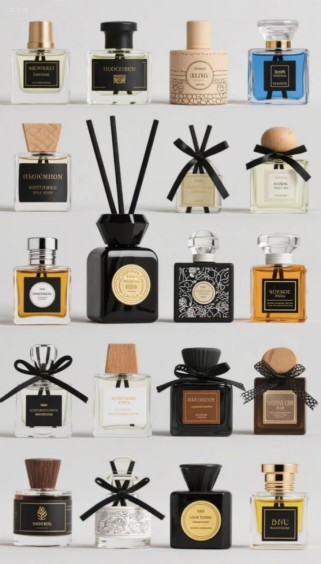
Start with the Right Type: Match Product to Your Needs
The first decision to make is the form of aromatherapy that best fits your routine and environment. Each type offers unique benefits and drawbacks, so understanding their differences is crucial.
Aromatherapy Diffusers (ultrasonic or nebulizing) are ideal for consistent, long-term scent diffusion. Ultrasonic diffusers use water and vibrations to create a fine mist, doubling as humidifiers—perfect for dry climates or winter months. They work well with pure essential oils and allow you to control scent intensity by adjusting mist output. Nebulizing diffusers, which don’t require water, disperse concentrated essential oil directly into the air, making them more potent and suitable for larger rooms (200+ square feet). However, they tend to be pricier and consume essential oil faster.
Aromatherapy Candles excel at creating ambiance while releasing fragrance. Opt for candles made with natural waxes like soy, beeswax, or coconut wax—these burn cleaner, produce less soot, and have longer burn times than paraffin wax alternatives. Look for cotton or wooden wicks: cotton wicks burn steadily, while wooden wicks add a cozy crackling sound. Candles are perfect for bedrooms, living rooms, or bathrooms, but avoid using them in drafty areas (which cause uneven burning) or near flammable objects.
Solid Aromatherapy Balms are versatile and travel-friendly. Made with beeswax, shea butter, or jojoba oil blended with essential oils, they can be applied directly to the skin (for personal scent) or placed in small dishes to slowly release fragrance. Balms are great for small spaces like offices, closets, or cars, and they eliminate the risk of spills or open flames—ideal for homes with children or pets.
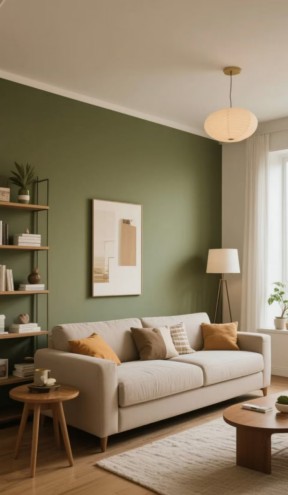
Choose Scents That Align with Mood and Space
Fragrance has a powerful impact on emotions and atmosphere—selecting the right scent can enhance relaxation, boost productivity, or create a welcoming vibe.
For relaxation and sleep (bedrooms, meditation corners), opt for calming scents like lavender, chamomile, or sandalwood. Studies show lavender essential oil can lower cortisol levels and improve sleep quality, making it a classic choice for nighttime routines. Pair it with cedarwood or ylang-ylang for a deeper, more complex aroma that promotes tranquility.
For energy and focus (home offices, kitchens), citrus and herbal scents are ideal. Lemon, bergamot, and orange are invigorating without being overwhelming, while peppermint and rosemary can enhance concentration and mental clarity. These scents work well in high-traffic areas where you need a pick-me-up, such as morning routines or work-from-home sessions.
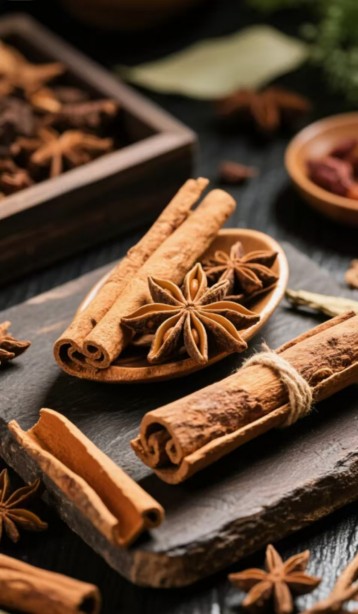
For warmth and hospitality (living rooms, dining areas), go for rich, cozy fragrances like vanilla, cinnamon, or amber. These scents evoke comfort and familiarity, making guests feel at ease. Avoid overly sweet or heavy scents in small spaces—they can become cloying. Instead, opt for balanced blends like “vanilla bean with a hint of citrus” to keep the aroma fresh.
For cleanliness and freshness (bathrooms, laundry rooms), choose crisp, airy scents like eucalyptus, tea tree, or ocean breeze. Eucalyptus has natural antibacterial properties and a refreshing, spa-like quality, while tea tree adds a subtle earthy note. These scents help neutralize odors without masking them with harsh chemicals.
Prioritize Safety: Check Ingredients and Quality
Not all aromatherapy products are created equal—poor-quality options can contain harmful chemicals that undermine health benefits.
Avoid synthetic fragrances listed as “fragrance” or “parfum” on ingredient labels. These often include phthalates, which can disrupt hormones, and benzene derivatives, which may irritate the respiratory system. Instead, choose products that use 100% pure essential oils or natural plant extracts. Look for brands that source oils sustainably (e.g., organic, fair-trade) and provide transparency about their ingredients.
Be mindful of wax and carrier oil quality in candles and balms. Paraffin wax, a byproduct of petroleum, releases toxic fumes when burned, including formaldehyde and benzene. Opt for natural waxes like soy (biodegradable and renewable) or beeswax (hypoallergenic and long-burning). In balms, carrier oils like sweet almond, jojoba, or coconut oil are gentle on the skin and help essential oils absorb slowly.
Consider safety for children and pets. Some essential oils are toxic to animals—tea tree, eucalyptus, and citrus oils can be harmful to cats, while phenol-rich oils like wintergreen are dangerous for dogs. Keep diffusers out of reach of pets and avoid using strong scents in rooms where they spend time. For homes with young children, choose mild, diluted scents and avoid placing candles or diffusers near cribs or play areas.
Match Product to Space Size and Layout
The size and layout of your space will determine the effectiveness of your aromatherapy choice.
For small spaces (bathrooms, closets, home offices under 100 square feet), solid balms, small candles (4-8 oz), or travel-sized diffusers work best. A single balm placed on a shelf can fragrance a bathroom, while a small diffuser with 1-2 drops of essential oil is enough for a desk area. Avoid large candles or high-output diffusers here—they can overpower the space.
For medium spaces (bedrooms, living rooms 100-200 square feet), ultrasonic diffusers (100-300 ml capacity) or medium-sized candles (8-16 oz) are ideal. A diffuser running on low for 2-3 hours will fill the room with a subtle scent, while a candle burned for 1-2 hours (until the wax pool reaches the edge of the container) will release fragrance evenly.
For large spaces (open-concept living areas, great rooms over 200 square feet), nebulizing diffusers or large candles (16+ oz) are more effective. Nebulizers can cover larger areas without diluting the scent, while large candles with multiple wicks (2-3) release more fragrance. You may also want to use multiple products—e.g., a diffuser in one corner and a candle on the coffee table—to ensure even coverage.

Test and Adjust: Find Your Perfect Fit
Finally, don’t be afraid to experiment and adjust your choice based on experience.
Test scents before committing to large products. Many brands offer sample sizes of essential oils or small candles, allowing you to try a fragrance for a few days. Pay attention to how the scent evolves over time—some fragrances smell different when first applied versus after 30 minutes, and others may change in different lighting or temperatures.
Adjust intensity to your preference. In diffusers, start with 2-3 drops of essential oil and add more if needed. For candles, burn them for shorter periods (1 hour) if the scent feels too strong, or longer (2-3 hours) if it’s too faint. Solid balms can be dabbed lightly on skin or placed further from seating areas to reduce intensity.
Rotate scents seasonally. Just as you switch out bedding or decor for different seasons, changing your aromatherapy can keep your space feeling fresh. Light, citrusy scents work well in spring and summer, while warm, spicy scents are perfect for fall and winter.
Choosing home aromatherapy is a personal journey—there’s no “one-size-fits-all” solution. By focusing on product type, scent mood, safety, and space, you can find a fragrance that not only smells wonderful but also enhances your daily life, turning your home into a place of comfort, calm, and joy.
Related Products
 Silk Road Flower LanguageA Fragrance Journey Along the Silk Road
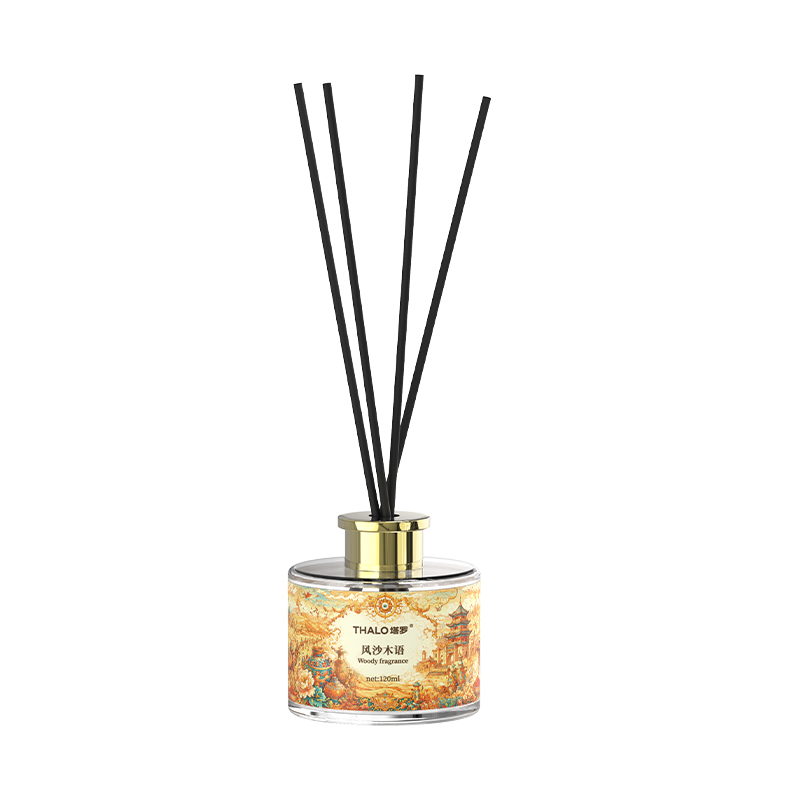
Step into a world where ancient Silk Road culture meets modern home fragrance. Thalo Silk Road Reed Diffuser transforms your space with an elegant Oriental-inspired aroma, bringing warmth, sophistication and a sense of discovery to everyday moments.
Designed as a flameless home fragrance, it continuously releases fragrance through natural diffuser reeds, creating a calm and inviting atmosphere without fire or electricity. The artistic bottle and premium gift box make it a beautiful addition to bedrooms, entryways, living rooms, boutiques and hotels.
Let every breath become a journey through fragrance. GuoyangYour Car Deserves Better Than That "New Car Smell"
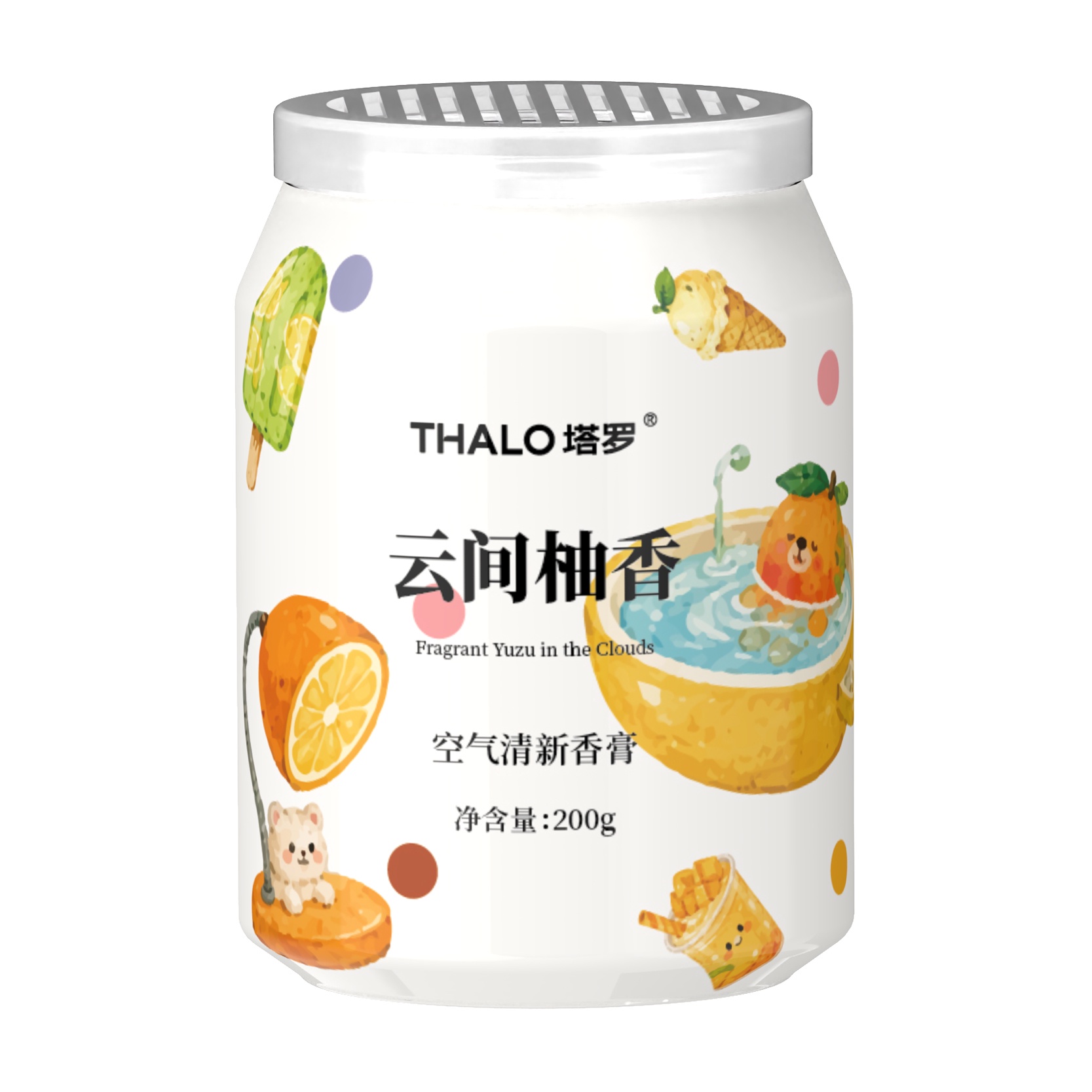
Ever step into your car and wish it smelled like a sunlit orchard instead of stale air.Meet THALO's Fruit Scent Collection — a solid car air freshener that turns every drive into a mini fruit paradise. No sprays, no plugs, no mess. Just unscrew the ventilated lid, and let the 200g fragrance gel slowly release pure, juicy aroma for weeks.
Pick your mood: White Peach in the Snow (soft, creamy, dreamy), Fragrant Yuzu in the Clouds (bright citrus that wakes you up), or Laurel Apple (warm apple-cinnamon comfort). Each jar is hand-illustrated with adorable fruit art that looks as good as it smells — a dopamine hit for your cup holder.
Safe for daily commutes, family trips, and long drives. Plant-based formula, IFRA-certified, crafted with Firmenich perfumers. Fresh air, one twist away. ZHICHUNLet Nature Fill Your Space With Fragrance,Turn an ordinary room into a peaceful fragrance retreat. Thalo “Spring Awakening” Reed Diffuser brings the beauty of Oriental-inspired scents into everyday life, creating a warm and elegant atmosphere without flame, smoke or electricity.
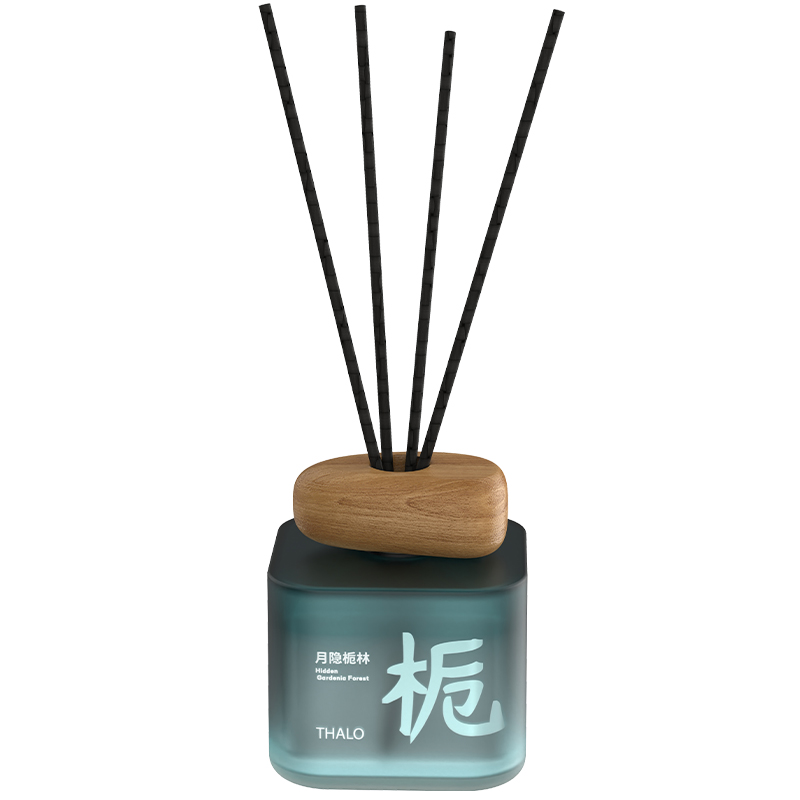
Inspired by nature, the 180ml Home Fragrance Collection features three distinctive scents: Moonlit Gardenia Forest, Wumu Gradually Becomes Spring, and Green Tea Reflection Spring. Each fragrance unfolds gently through high-density reed sticks, filling your space with a continuous and refined aroma.
The frosted glass bottle, wood-inspired cap and minimalist design add a sophisticated decorative touch to any interior. Perfect for bedrooms, living rooms, bathrooms, offices, boutiques and hotels, this Natural Reed Diffuser creates a relaxing fragrance experience while helping refresh indoor air.
Bring a touch of spring, nature and tranquility into every moment with Thalo. XiaoxiangyuTitle: The Car Air Freshener That Keeps Every Mile Fresh
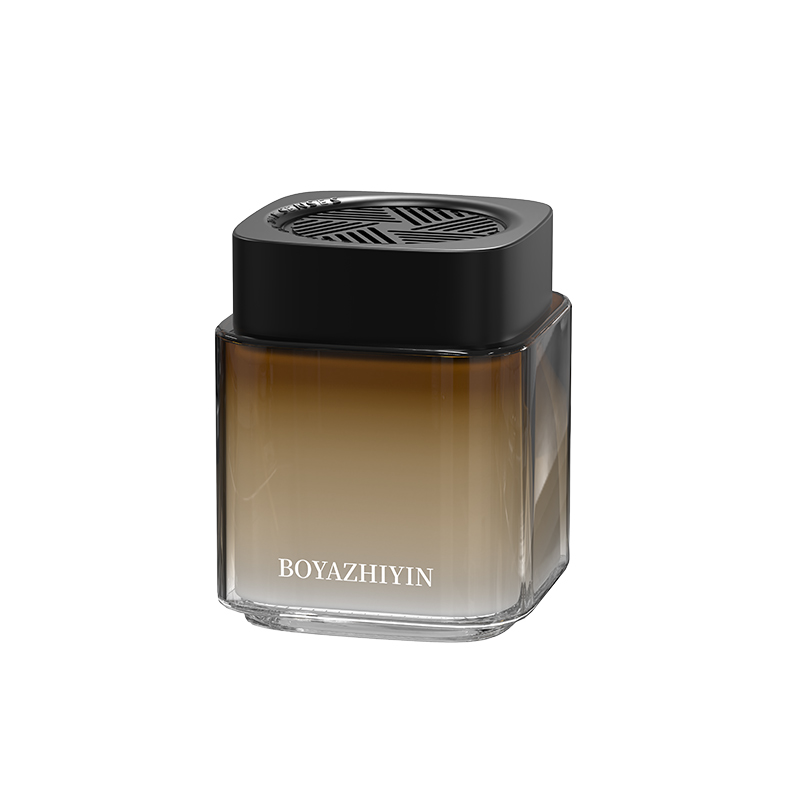
Every drive deserves a fresh, calming atmosphere. The BOYAZHIYIN car air freshener turns your car into a private sanctuary of natural scent. Crafted specifically for small spaces, this long lasting car air freshener delivers pure botanical fragrance without the dizzying intensity of ordinary car perfumes. Our solid gel formula releases scent steadily for weeks, keeping your cabin inviting from the first mile to the last. Each glass jar is built to impress, with a crystal-clear body and a striped diffusion lid that spreads fragrance evenly through every corner. Choose from four refined scents: Oud Rose, Wild Cologne, Dew Gardenia, or High Mountain White Tea. Made with plant essential oils, it is a natural car air freshener you can trust every single day. Breathe easier, drive happier, and enjoy a car that always smells as good as it looks.
Can't find what you're looking for ?
Leave a Message we will call you back quickly!
Professional Service
Interested? Leave your contact details.
Search Starts Here

