


On the back of every perfume bottle, you’ll often find a long list of unfamiliar names—words like Linalool, Citronellol, or Benzyl Benzoate. To most consumers, these scientific-sounding terms can feel intimidating, even suspicious. Are these “chemicals” safe? In truth, these names are not something to fear. They are the precise language of scent—a scientific vocabulary that records the structure of a fragrance formula. By understanding these ingredients, we can appreciate not just the beauty of perfume, but also the science and safety behind it.
1. What Is the Glossary of Fragrance Ingredients?
The International Fragrance Association (IFRA) is the global body that promotes the safe and sustainable use of fragrance materials. To help both professionals and consumers better understand fragrance composition, IFRA, together with the International Organization of the Flavor Industry (IOFI), published the Glossary of Fragrance Ingredients.
This glossary contains thousands of entries covering ingredients commonly found in perfumes and fragranced products—both natural extracts and synthetic molecules. Each entry provides the chemical name, source description, and typical uses of the ingredient, sometimes even including safety or restriction notes.
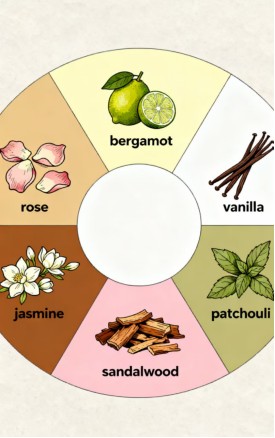
For instance, Geraniol is a floral component derived naturally from geranium and rose oils, while Vanillin, the molecule responsible for vanilla’s comforting sweetness, can be either naturally extracted or synthesized in a lab. Such classification helps perfumers understand raw material behavior and allows regulators and brands to evaluate safety with transparency.

2. Common Misconceptions: Chemical ≠ Unsafe
Many people instinctively associate the word “chemical” with something harmful or artificial. This is a misconception. Countless safe and beneficial substances in daily life—like purified water, skincare moisturizers, or vitamins—are produced through chemical processes. The key question isn’t whether an ingredient is natural or synthetic, but whether it’s been scientifically evaluated and used responsibly.
In perfumery, IFRA sets strict safety standards that regulate how much of each ingredient can be used and in what types of products. Some components, such as Limonene or Coumarin, may cause skin sensitivities at high concentrations, so IFRA’s safety standards ensure their use remains well below risk thresholds. These guidelines are based on decades of toxicological and dermatological research.
So the next time you see those complex names on a perfume label, remember—they’re not warnings, but assurances that the fragrance has been crafted safely and scientifically.
3. Standards and Transparency: The IFRA Transparency List
To strengthen public trust, IFRA also launched the Transparency List, which discloses more than 3,000 fragrance ingredients used globally. This list details each material’s name, origin, and typical application, making it one of the most comprehensive open databases in the fragrance industry.
The purpose of this initiative goes beyond regulatory compliance—it’s about building confidence. In the past, perfume formulas were often treated as secretive and mysterious, hidden behind the veil of “trade secrets.” But today’s consumers expect openness. IFRA’s push for transparency allows brands, scientists, and consumers to communicate in the same language of trust.
Now, perfume lovers can move from passively enjoying a scent to actively understanding it—a meaningful shift that bridges art, science, and ethics.

4. From a Consumer’s Perspective: How to Read a Perfume Label
When you pick up a perfume bottle, take a moment to glance at its ingredient list. While the exact formula remains proprietary, most brands that follow IFRA standards list their key fragrance materials. Here’s how you can interpret them:
Learn to recognize common ingredients – for example, Limonene indicates citrus freshness, while Coumarin gives a warm, herbaceous sweetness.
Identify potential allergens – if you have sensitive skin, look for names like Linalool or Cinnamal; they are safe within IFRA limits but patch testing is wise.
Trust the standards – if a product states “Complies with IFRA Standards,” it means its formula has been reviewed under global safety guidelines.
Support transparent brands – choose companies that disclose ingredient sources, use sustainable materials, and communicate openly with consumers.
With these insights, perfume shopping becomes not just a sensory choice, but an informed one.
5. Conclusion: From “Liking Scents” to “Understanding Scents”
Perfume is more than just a pleasant smell—it is the intersection of art, science, and responsibility. Every “chemical” name on a label tells a story of flowers, woods, fruits, and the innovation of modern chemistry.
By learning to read the language behind fragrance ingredients, we not only use perfume more safely but also appreciate it more deeply. True fragrance lovers don’t just like a scent—they understand it.
Related Products
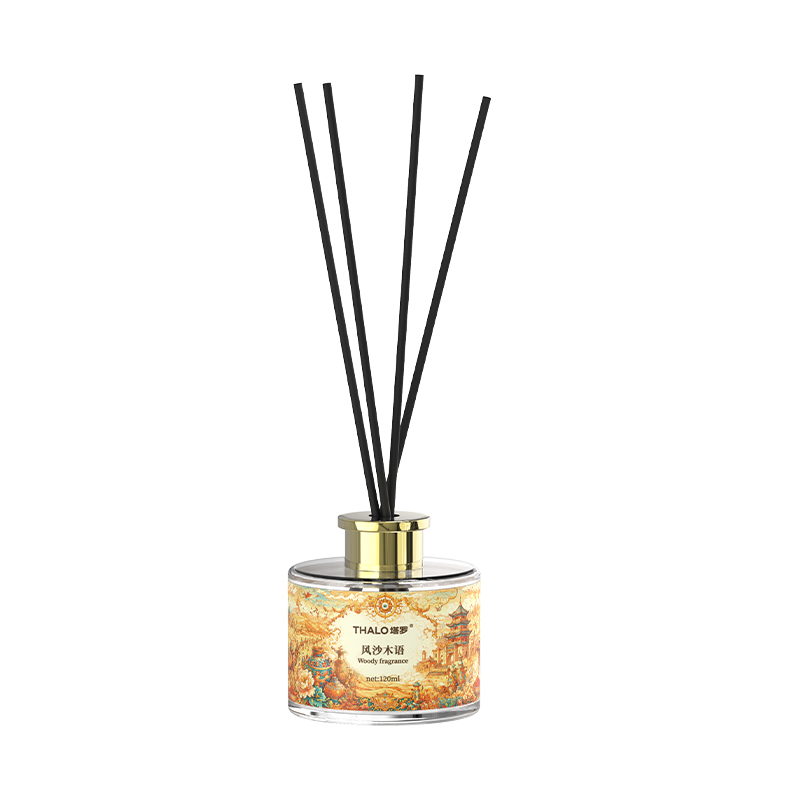
 Silk Road Flower LanguageA Fragrance Journey Along the Silk Road
Step into a world where ancient Silk Road culture meets modern home fragrance. Thalo Silk Road Reed Diffuser transforms your space with an elegant Oriental-inspired aroma, bringing warmth, sophistication and a sense of discovery to everyday moments.
Designed as a flameless home fragrance, it continuously releases fragrance through natural diffuser reeds, creating a calm and inviting atmosphere without fire or electricity. The artistic bottle and premium gift box make it a beautiful addition to bedrooms, entryways, living rooms, boutiques and hotels.
Let every breath become a journey through fragrance. GuoyangYour Car Deserves Better Than That "New Car Smell"
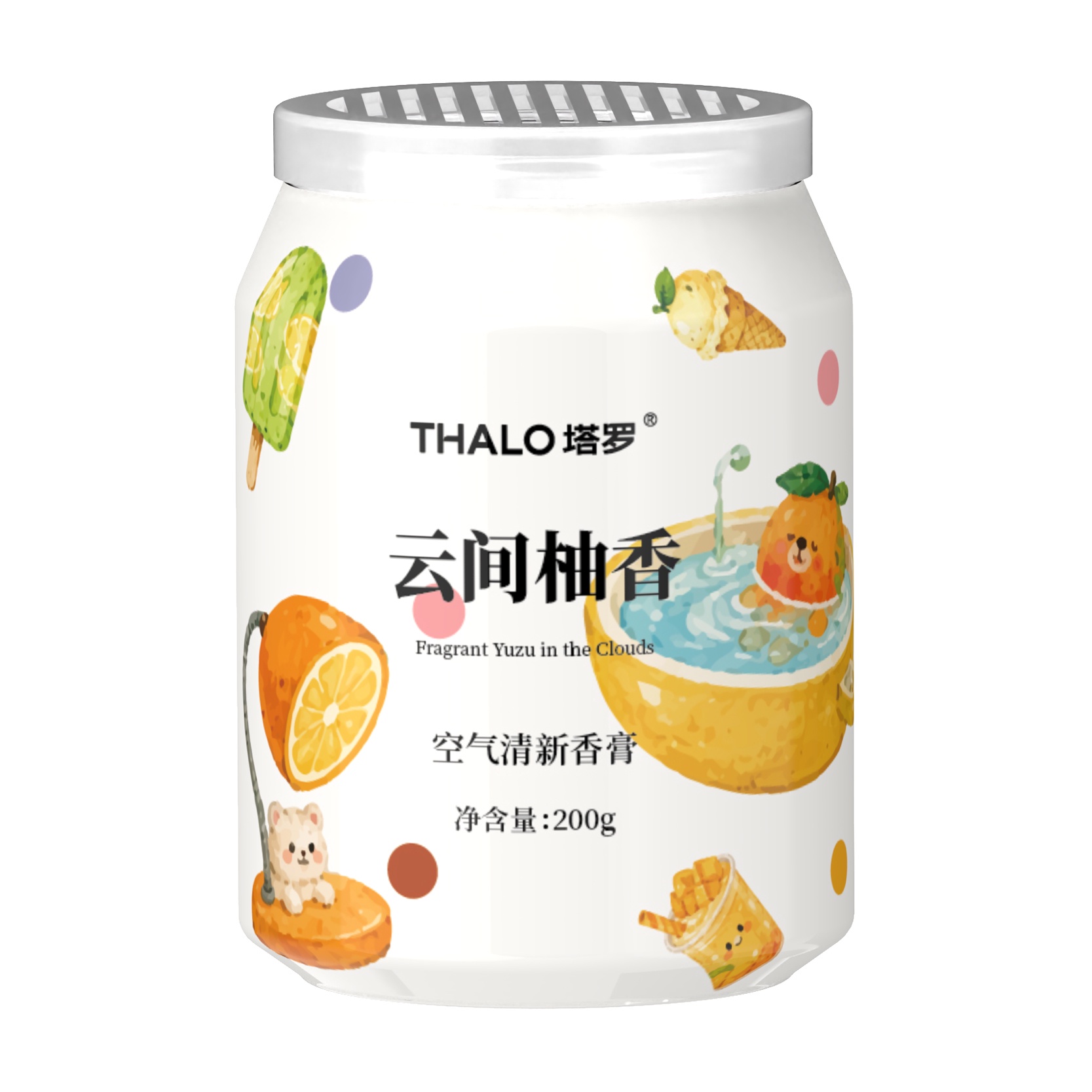
Ever step into your car and wish it smelled like a sunlit orchard instead of stale air.Meet THALO's Fruit Scent Collection — a solid car air freshener that turns every drive into a mini fruit paradise. No sprays, no plugs, no mess. Just unscrew the ventilated lid, and let the 200g fragrance gel slowly release pure, juicy aroma for weeks.
Pick your mood: White Peach in the Snow (soft, creamy, dreamy), Fragrant Yuzu in the Clouds (bright citrus that wakes you up), or Laurel Apple (warm apple-cinnamon comfort). Each jar is hand-illustrated with adorable fruit art that looks as good as it smells — a dopamine hit for your cup holder.
Safe for daily commutes, family trips, and long drives. Plant-based formula, IFRA-certified, crafted with Firmenich perfumers. Fresh air, one twist away. ZHICHUNLet Nature Fill Your Space With Fragrance,Turn an ordinary room into a peaceful fragrance retreat. Thalo “Spring Awakening” Reed Diffuser brings the beauty of Oriental-inspired scents into everyday life, creating a warm and elegant atmosphere without flame, smoke or electricity.
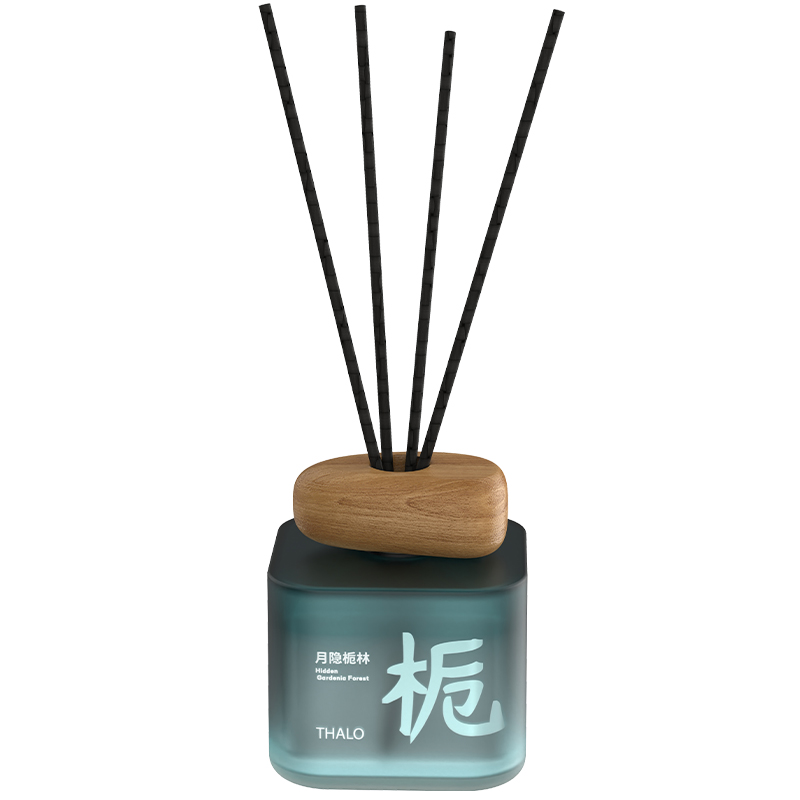
Inspired by nature, the 180ml Home Fragrance Collection features three distinctive scents: Moonlit Gardenia Forest, Wumu Gradually Becomes Spring, and Green Tea Reflection Spring. Each fragrance unfolds gently through high-density reed sticks, filling your space with a continuous and refined aroma.
The frosted glass bottle, wood-inspired cap and minimalist design add a sophisticated decorative touch to any interior. Perfect for bedrooms, living rooms, bathrooms, offices, boutiques and hotels, this Natural Reed Diffuser creates a relaxing fragrance experience while helping refresh indoor air.
Bring a touch of spring, nature and tranquility into every moment with Thalo. XiaoxiangyuTitle: The Car Air Freshener That Keeps Every Mile Fresh
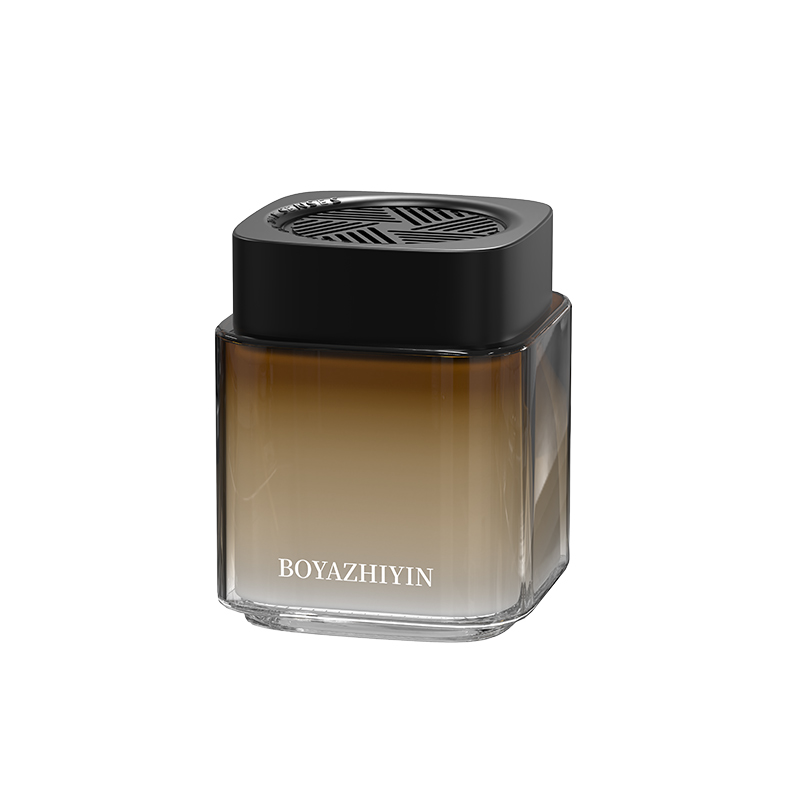
Every drive deserves a fresh, calming atmosphere. The BOYAZHIYIN car air freshener turns your car into a private sanctuary of natural scent. Crafted specifically for small spaces, this long lasting car air freshener delivers pure botanical fragrance without the dizzying intensity of ordinary car perfumes. Our solid gel formula releases scent steadily for weeks, keeping your cabin inviting from the first mile to the last. Each glass jar is built to impress, with a crystal-clear body and a striped diffusion lid that spreads fragrance evenly through every corner. Choose from four refined scents: Oud Rose, Wild Cologne, Dew Gardenia, or High Mountain White Tea. Made with plant essential oils, it is a natural car air freshener you can trust every single day. Breathe easier, drive happier, and enjoy a car that always smells as good as it looks.
Can't find what you're looking for ?
Leave a Message we will call you back quickly!
Professional Service
Interested? Leave your contact details.
Search Starts Here

