


The sources of fragrance ingredients are diverse, which can be divided into natural fragrances and synthetic fragrances according to extraction methods and source properties. Both have their own characteristics in terms of the odor layers, stability, and cost of fragrances. The following are specific classifications and common sources:
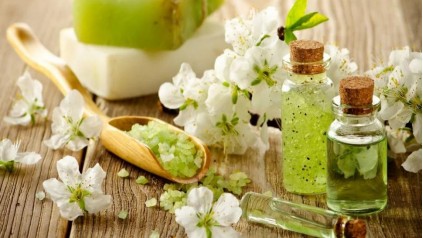
I. Natural Fragrances
Natural fragrances are derived from animals and plants in nature. They are the core ingredients that endow fragrances with a "natural sense" and "complexity". They are mostly used in high-end fragrances or products that focus on the "natural" concept.
1. Plant-based Natural Fragrances (accounting for more than 90% of natural fragrances)
They are extracted from roots, stems, leaves, flowers, fruits, barks, resins and other parts of plants through distillation, pressing, extraction and other processes, including:
· Flowers: One of the most commonly used raw materials in fragrances, with rich and layered scents.
· Roses: Extracted from rose petals (such as Damask roses and centifolia roses), they endow fragrances with a gentle floral note and are the core ingredient of many women's fragrances.
· Jasmines: Extracted from jasmine flowers (mostly jasmine grandiflorum and jasmine sambac), they have a rich and long-lasting scent with a hint of sweetness, often used in oriental fragrances.
· Lavenders: From lavender spikes, with a fresh and soothing scent, mostly used in calming fragrances or unisex fragrances.
· Fruits and Seeds: Mostly with fresh or sweet and sour aromas, adding a sense of vitality to the fragrance.
· Citrus fruits (oranges, lemons, bergamots, grapefruits): Essential oils obtained by cold pressing the peels, with a bright and fresh scent, which are common ingredients in the top notes (for example, bergamot is often used in the top notes of classic Chanel fragrances).
· Vanillas: Taken from vanilla pods, with a sweet and warm scent, often used in gourmand or oriental fragrances to add a mellow sweetness.
· Leaves and Herbs: Most of their scents are fresh and green, suitable for creating a natural atmosphere.
· Rosemary: Extracted from the leaves, with a spicy yet refreshing scent, which has a refreshing effect and is often used in unisex fragrances or colognes.
· Eucalyptus leaves: With a cool and stimulating scent and an undertone of woody notes, they are mostly used in men's fragrances or functional fragrances (such as mosquito-repellent fragrances).
· Rhizomes and Barks: Their scents are mostly rich and calm, often used in the middle and base notes to enhance the longevity of the fragrance.
· Sandalwoods: Taken from the woody part of sandalwood trees, with a warm and mellow scent with a milky feel, which is the core ingredient of oriental and woody fragrances.
· Cinnamons: Extracted from cinnamon barks, with a spicy and warm scent, often used in autumn and winter fragrances or oriental notes.
· Resins and Gum Resins: Resins exuded from tree wounds are processed, with a rich and long-lasting scent, mostly used as the "base" of fragrances.
· Frankincense: Taken from the resin of frankincense trees, with a fresh scent with woody notes and a slight smoky feel, often used in religious fragrances or mysterious-scented fragrances.
· Myrrhs: Belonging to the same resin category as frankincense, with a deeper and more bitter scent and a leathery feel, mostly used in men's fragrances or heavy oriental notes.
· Peels and Seeds:
· Bitter orange peels: Essential oils obtained by pressing (such as neroli oil and petitgrain oil), with a fresh and slightly bitter scent, which are common ingredients in citrus notes.
· Almonds: Extracted from almond kernels, with a soft and sweet scent, mostly used in gourmand fragrances or baby fragrances.
2. Animal-based Natural Fragrances (some have been replaced by synthetic fragrances due to ethical and protection reasons)
· Musk: Traditionally sourced from the musk glands of male musk deer, with a warm, long-lasting scent and a "fixing" effect (able to make other fragrances more stable). Nowadays, synthetic musk (such as white musk) is mostly used to avoid harming animals.
· Ambergris: A secretion from the digestive system of sperm whales, formed after being washed by seawater. It has a complex scent (fishy and salty at first, then turning into a warm woody note) and is a precious fixative in high-end fragrances.
· Civet: Taken from the glandular sac secretions of civets, with a strong scent (similar to animal musk). When diluted, it has a sweet and mellow feel, mostly used in oriental fragrances or heavy-scented fragrances.
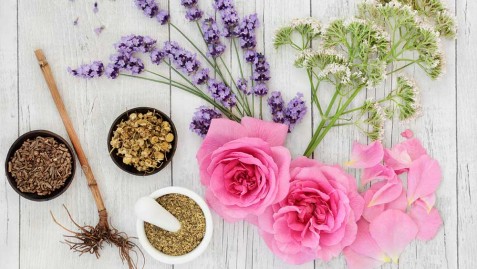
II. Synthetic Fragrances
Synthetic fragrances are made through chemical synthesis, which makes up for the scarcity, instability and high cost of natural fragrances. They are the main components of modern fragrances (accounting for 70%-90% of fragrance ingredients). Their sources can be divided into:
1. Synthetics that Imitate Natural Fragrances
By analyzing the chemical structure of natural fragrances, artificial synthesis of molecules that are the same or similar, for example:
· Vanillin: Imitating the scent of vanilla, it is widely used in gourmand fragrances and is much cheaper than natural vanilla essential oil.
· Phenylethanol: Simulating the aroma of roses, it has strong stability and is often used to replace part of natural rose essential oil.
· Limonene: Synthesizing citrus-like scents, it is more light-resistant than natural citrus essential oil (natural citrus essential oil is easy to decompose when exposed to light).
2. Original Synthetic Fragrances that Do Not Exist in Nature
These ingredients can create scents that do not exist in nature, bringing uniqueness to fragrances, for example:
· Aldehyde compounds: Such as octanal and nonanal, which can simulate a "fresh soapy feel", "metallic feel" or "powdery feel". They are the iconic ingredients of many modern perfumes (such as Chanel No. 5).
· Ambroxan: An artificially synthesized substitute for ambergris, with a warm and long-lasting scent and excellent fixing effect.
· Muscone analogs: Such as cyclopentadecanone, which simulates the warmth of natural musk and is safer and more sustainable.
3. Semi-synthetic Fragrances (natural raw materials + chemical processing)
Using natural ingredients as the basis, the scent or stability is optimized through chemical modification, for example:
· Pinene extracted from turpentine (a natural plant source) is converted into santalol through chemical reactions to simulate the scent of sandalwood.
· Citral extracted from citrus peel oil is processed to make ionone, endowing the fragrance with the sweet scent of violets.
III. Other Auxiliary Ingredients
In addition to the core fragrance ingredients, fragrances also contain auxiliary ingredients to ensure stability and usability:
· Solvents: Such as ethanol (alcohol), which is used to dissolve fragrances and help the aroma volatilize (the main solvent for perfumes); oils (such as coconut oil and petroleum jelly) are used in solid balms to delay the release of aroma.
· Fixatives: Such as benzoin, myrrh (natural) or synthetic musk, which extend the staying power of the fragrance and balance the volatilization rate of the top, middle and base notes.
· Antioxidants: Such as vitamin E, which prevent fragrances from deteriorating due to oxidation and extend the shelf life of fragrances.
Can't find what you're looking for ?
Leave a Message we will call you back quickly!
Professional Service
Interested? Leave your contact details.
Search Starts Here

