


News
Sourcing the best car fragrance in China requires more than comparing prices—it means evaluating factory scale, product consistency, compliance, and seasonal demand fit. For buyers and financial decision-makers, finding the best car fragrance for summer also depends on supplier capacity, brand support, and long-term value. This guide will help you compare Chinese suppliers more effectively and make confident, cost-efficient purchasing decisions.
What should buyers compare first when reviewing car fragrance suppliers in China?
For procurement teams, the first mistake is treating car fragrance as a simple low-value consumable. In the daily chemical products industry, supplier differences often appear in fragrance stability, raw material control, filling consistency, packaging execution, and delivery response. A lower quote may look attractive in round 1, but hidden costs usually emerge within 30–90 days through odor complaints, leakage, slow replenishment, or rejected packaging.
Finance approvers usually focus on unit cost, but total procurement value is a broader metric. It includes sample validation, defect handling, freight efficiency, replacement risk, and the supplier’s ability to support peak seasons such as summer promotions. When you compare the best car fragrance in China suppliers, the practical question is not only “Who is cheaper?” but also “Who can help us avoid repeated purchasing mistakes over the next 2–4 quarters?”
A mature supplier should also show operational continuity. The company background matters here: established in 2015, expanded from 400 square meters, entered the industrial park later that same year, developed multiple business departments in 2019, added a home washing and care factory in 2020, and opened a second factory in 2021. With more than 160 employees in Linyi, Shandong, this kind of growth path signals stronger production organization than a trading-only source.
For B2B buyers, 5 core comparison points should come before price negotiation: manufacturing base, formula consistency, packaging flexibility, delivery rhythm, and after-sales response. These are the factors that determine whether a supplier can support both trial orders and repeat business without increasing approval pressure on procurement and finance teams.
A practical 5-point screening checklist
- Check whether the supplier is factory-based, mixed factory-trader, or trader-only, because this affects lead time, customization depth, and pricing transparency.
- Review whether fragrance products match the car-use scenario, including heat exposure, odor control needs, and fragrance release stability in enclosed spaces.
- Ask for regular sample turnaround and mass production lead time, such as 7–15 days for samples and 15–35 days for bulk production in common order cycles.
- Confirm packaging options, because retail-driven channels and OEM projects often require 3–6 packaging adaptations across logo, insert card, labeling, and carton marking.
- Evaluate issue resolution speed, including response within 24–48 hours for quality claims, replenishment discussions, or shipment coordination.
This screening process helps separate suppliers that can support long-term procurement from those that only compete on initial quotes. In car fragrance purchasing, stable execution is often worth more than a small discount.
How do factory scale and development history affect procurement risk?
Factory scale is not just a branding detail. In daily chemical manufacturing, scale affects raw material coordination, batch planning, quality supervision, and order scheduling. A supplier with a clearer development history is often better prepared to handle medium-volume and high-frequency procurement. For financial reviewers, this means lower disruption risk, fewer emergency purchases, and more predictable working capital planning.
A company that expanded from an early 400-square-meter setup, entered a larger industrial park, acquired an industrial development company in 2018, and continued building channel and factory infrastructure through 2021 usually demonstrates operational upgrading rather than short-term opportunistic trading. That matters when your order size grows from pilot batch to sustained replenishment across several SKUs or seasonal campaigns.
Buyers comparing the best car fragrance in China suppliers should also ask how many teams are involved in order execution. A factory with more than 160 employees generally has a better chance of separating functions such as production, packaging, e-commerce support, and customer response. This does not guarantee perfection, but it reduces the probability that one urgent order will block all other tasks.
For approvals, scale should be understood as capacity resilience rather than simple size. Procurement managers often need reassurance that one supplier can support 3 stages of cooperation: sample verification, launch order, and repeat replenishment. Suppliers with a broader manufacturing base are usually more adaptable during these transitions.
Factory assessment table for procurement and finance teams
The table below shows how factory development indicators can be translated into practical purchasing judgment points when comparing car fragrance suppliers in China.
The value of this comparison is simple: factory history converts into lower uncertainty. When procurement teams need stable timelines of 15–35 days and finance teams need fewer cost surprises, supplier maturity becomes a measurable advantage instead of a marketing slogan.
Which product details reveal the best car fragrance for summer?
Summer sourcing introduces a specific challenge: heat changes fragrance performance inside the vehicle. Buyers looking for the best car fragrance for summer should evaluate release behavior, odor management, and consumer comfort. In enclosed cabins, fragrance that is too strong can cause complaints, while fragrance that fades too quickly can lead to poor repeat purchase results. That is why technical fit matters as much as packaging design.
A practical example is Vitality Aromatherapy, designed for car application with innovative solid-state slow-release technology and a 360 ° fragrance release angle. For buyers, these features are relevant because they suggest a more even scent diffusion pattern in the cabin instead of a short burst followed by rapid weakening.
Product function also needs to be interpreted from a procurement angle. Claims such as evenly dispersing fragrance, condensing natural fragrance into delicate fragrance cream, and actively decomposing odors inside the car align well with what end users expect during summer driving: freshness, odor reduction, and a less stuffy in-car environment. These are not just selling points; they support better category positioning and fewer negative reviews.
When buyers compare products, 4 technical questions are useful: Is the fragrance release stable over time? Is the odor profile suitable for enclosed spaces? Does the product target odor masking only, or odor decomposition support as well? Can the packaging and scent concept fit seasonal promotions? The answers help identify products that can perform beyond the first impression.
Technical checkpoints for summer-oriented selection
- Release method: slow-release structures are generally more suitable than aggressive burst-style formats for closed car environments.
- Distribution angle: a 360 ° release concept supports more balanced in-car scent perception, especially in compact to mid-size vehicle cabins.
- Odor treatment: buyers should prefer products that address unpleasant in-car smells rather than relying only on overpowering fragrance.
- Seasonal fit: summer programs often need fresher scent directions and stable packaging performance during high-temperature logistics periods.
Why this matters to finance approval
Finance teams often see only landed cost per unit, but summer-specific product mismatch creates indirect losses. These may include higher customer service expense, lower repeat order rates, and excess stock after a failed campaign. In contrast, a car fragrance with clearer technical positioning helps reduce trial-and-error cost over 1–2 selling seasons.
That is why technical suitability should be included in approval documents. It gives a stronger business case than simply comparing unit prices from three suppliers and selecting the lowest number.
How can procurement teams compare price, compliance, and total value?
When comparing the best car fragrance in China suppliers, price should be analyzed in layers. The first layer is ex-factory quotation. The second is packaging and customization cost. The third is compliance and document support. The fourth is hidden operational cost after delivery. A supplier that looks 5% lower at quotation stage can become more expensive if communication delays, labeling mistakes, or unstable batches increase internal handling time.
In the daily chemical sector, compliance checks are especially important when importing, relabeling, or entering formal retail systems. Buyers should ask for ingredient-related documentation, packaging information, transport suitability details, and routine quality records where applicable. If a supplier cannot answer basic document questions within 24–72 hours, that usually indicates weak internal coordination.
For financial approvers, total value should combine 6 items: unit price, MOQ impact, sampling cost, packaging change fees, lead time reliability, and claim-response handling. This approach is more useful than focusing on a single low quote. It also makes supplier comparison easier across OEM, private label, and mixed-channel projects.
Many buyers now create a weighted scorecard with 3 levels: mandatory requirements, commercial comparison, and strategic fit. This is effective because it filters out unsuitable suppliers early, before negotiation time is wasted on low-value options.
Supplier comparison table for purchasing decisions
Use the following table to compare suppliers of car fragrance products in a more structured way, especially when both procurement staff and finance reviewers are involved in final approval.
A structured table like this keeps the discussion practical. Instead of debating vague quality claims, teams can review supplier performance against real checkpoints that affect ordering cost, approval speed, and sales readiness.
Common compliance and documentation priorities
- Request product specification details suitable for daily chemical purchasing review, including fragrance type, use scenario, and packaging format.
- Check whether export packaging and labeling information can be coordinated according to destination-market requirements.
- Confirm how claims, replenishment, or quality exceptions are handled, including typical response windows of 24–48 hours and document feedback within 2–3 working days.
These steps reduce friction during implementation and support faster internal sign-off, especially for companies that require multi-party review before purchase order release.
What mistakes should buyers avoid when selecting a car fragrance supplier?
The first common mistake is overvaluing visual packaging and undervaluing formula performance. Attractive mockups may help presentations, but if fragrance diffusion is uneven or the scent profile becomes uncomfortable in warm cabins, reorder probability falls quickly. For the best car fragrance in China sourcing, usage performance should always be tested before artwork is finalized.
The second mistake is ignoring seasonal relevance. A product that sells acceptably in mild weather may not be the best car fragrance for summer. Heat exposure changes user expectations. Buyers should test at least 2–3 scent directions or release styles if the target launch period is between late spring and summer peak demand.
The third mistake is approving orders without a clear replenishment framework. If a supplier can support samples but cannot maintain stable delivery over the next 1–2 quarters, procurement teams may face fragmented follow-up orders, mixed packaging batches, or rush re-sourcing. That creates hidden administrative cost far beyond the original savings.
The fourth mistake is treating supplier communication quality as secondary. In reality, response speed influences every stage: sample revision, carton confirmation, delivery notice, and issue closure. A supplier with stronger factory organization often handles these steps more predictably.
FAQ for procurement and finance reviewers
How many suppliers should we compare before making a shortlist?
A practical range is 3–5 suppliers. Fewer than 3 may not reveal meaningful differences in price structure or execution quality. More than 5 often increases evaluation time without improving decision quality, especially when product positioning and target channel are already clear.
What sample process is reasonable for a car fragrance project?
Most buyers should expect a 2-step or 3-step process: initial product recommendation, packaging or scent adjustment, and final confirmation sample. In many standard projects, sample preparation may take around 7–15 days, depending on scent selection, packaging complexity, and artwork readiness.
How do we judge whether a quote is truly competitive?
Do not compare unit price alone. Evaluate MOQ, sample charges, customization cost, lead time reliability, and expected after-sales handling. A slightly higher price may be commercially better if it reduces delivery risk and internal follow-up workload across the full order cycle.
Is a larger factory always the better choice?
Not always, but larger and more developed factories generally offer better process continuity, especially for repeat orders and packaging coordination. The key is whether the supplier’s scale matches your order pattern, customization needs, and seasonal replenishment schedule.
Why choose a supplier with manufacturing depth and what should you ask next?
For procurement professionals and finance approvers, the best car fragrance in China is usually supplied by a partner that combines product fit, stable execution, and scalable support. A factory with a clear development path since 2015, expanded production capability, multi-channel operating experience, and more than 160 employees is better positioned to support OEM and repeat-purchase programs than a source focused only on short-term pricing.
This matters even more in daily chemical purchasing, where packaging details, fragrance consistency, and delivery timing directly affect channel performance. If your project involves summer car fragrance programs, private label launches, or cross-channel distribution, supplier coordination ability is not optional—it is part of the product value itself.
A focused next step is to request 6 practical items: product selection advice, sample timing, customization scope, common lead time range, packaging confirmation process, and document support availability. If needed, you can also ask whether products such as Vitality Aromatherapy fit your target scent direction, promotional season, and budget structure.
If you are comparing suppliers now, contact us for parameter confirmation, product selection support, sample planning, estimated delivery cycles, customization discussion, and quotation review. This helps your team move from broad supplier comparison to a more accurate sourcing decision with fewer approval delays and better long-term purchasing value.
Related Products
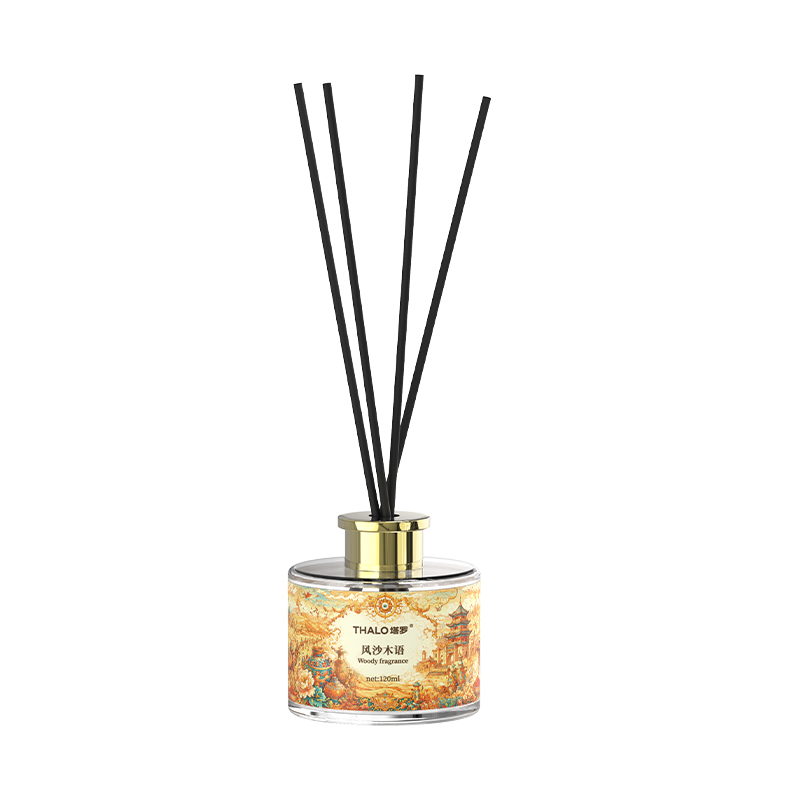
 Silk Road Flower LanguageA Fragrance Journey Along the Silk Road
Step into a world where ancient Silk Road culture meets modern home fragrance. Thalo Silk Road Reed Diffuser transforms your space with an elegant Oriental-inspired aroma, bringing warmth, sophistication and a sense of discovery to everyday moments.
Designed as a flameless home fragrance, it continuously releases fragrance through natural diffuser reeds, creating a calm and inviting atmosphere without fire or electricity. The artistic bottle and premium gift box make it a beautiful addition to bedrooms, entryways, living rooms, boutiques and hotels.
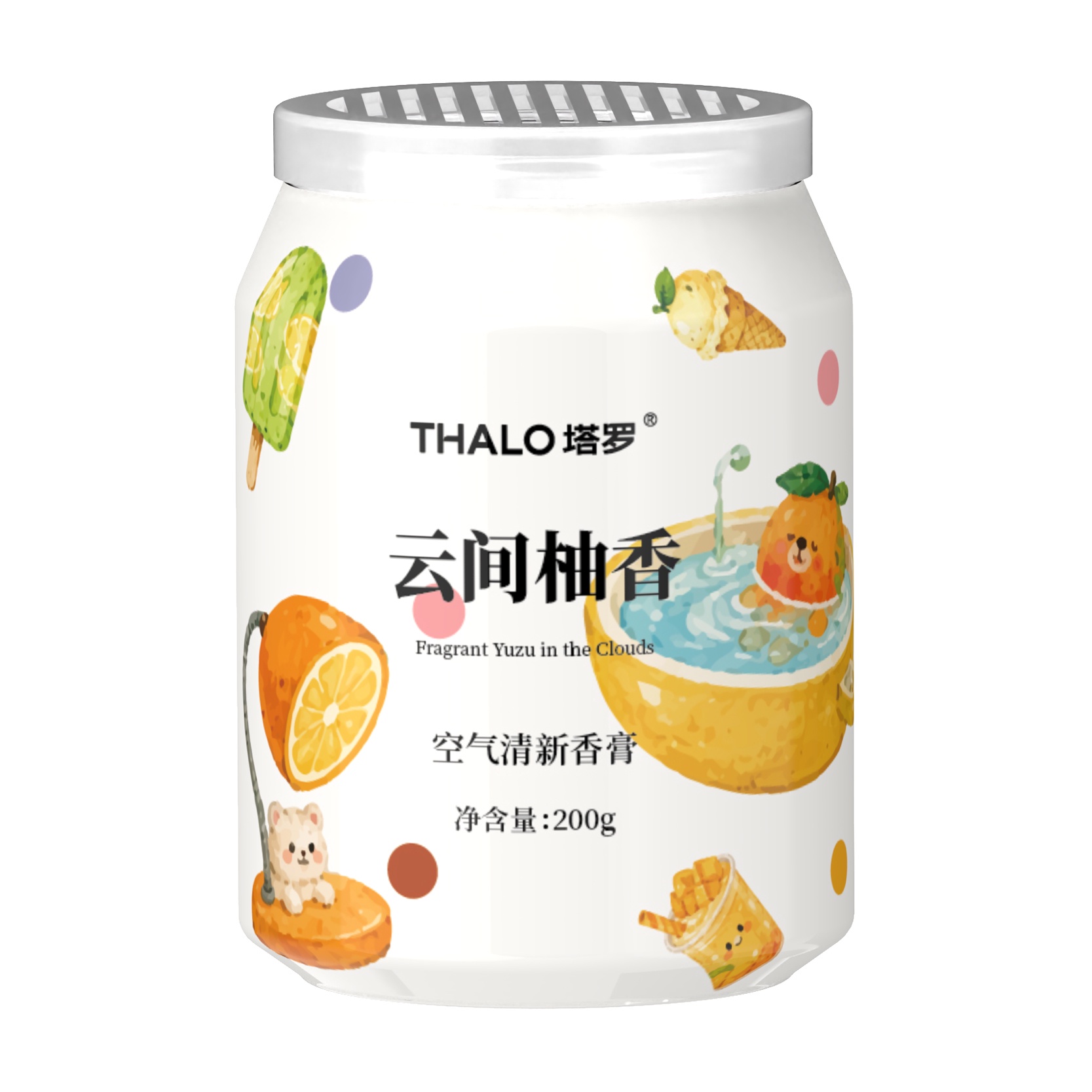
Let every breath become a journey through fragrance. GuoyangYour Car Deserves Better Than That "New Car Smell"
Ever step into your car and wish it smelled like a sunlit orchard instead of stale air.Meet THALO's Fruit Scent Collection — a solid car air freshener that turns every drive into a mini fruit paradise. No sprays, no plugs, no mess. Just unscrew the ventilated lid, and let the 200g fragrance gel slowly release pure, juicy aroma for weeks.
Pick your mood: White Peach in the Snow (soft, creamy, dreamy), Fragrant Yuzu in the Clouds (bright citrus that wakes you up), or Laurel Apple (warm apple-cinnamon comfort). Each jar is hand-illustrated with adorable fruit art that looks as good as it smells — a dopamine hit for your cup holder.
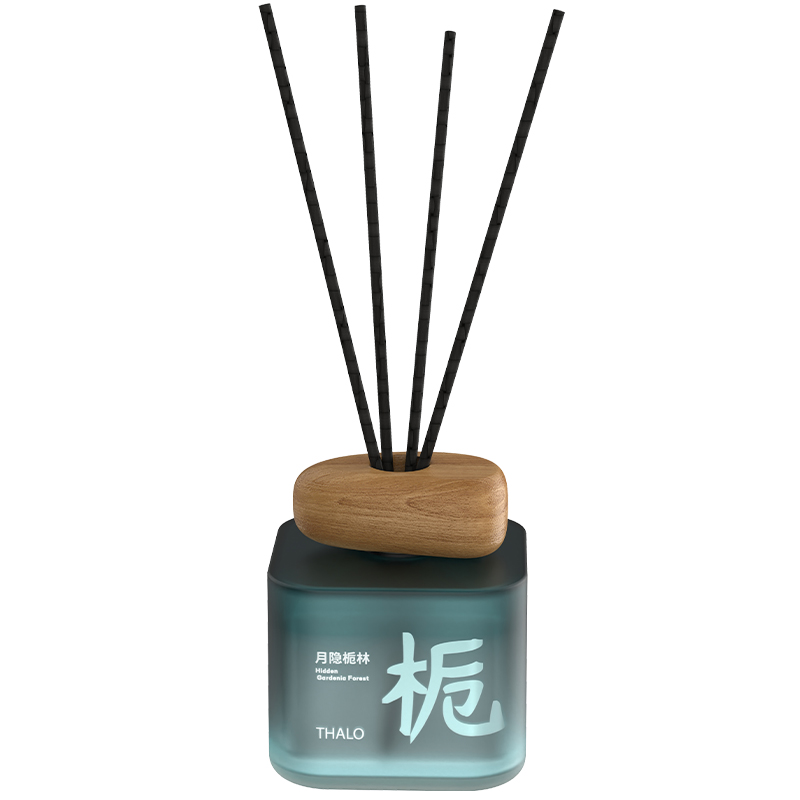
Safe for daily commutes, family trips, and long drives. Plant-based formula, IFRA-certified, crafted with Firmenich perfumers. Fresh air, one twist away. ZHICHUNLet Nature Fill Your Space With Fragrance,Turn an ordinary room into a peaceful fragrance retreat. Thalo “Spring Awakening” Reed Diffuser brings the beauty of Oriental-inspired scents into everyday life, creating a warm and elegant atmosphere without flame, smoke or electricity.
Inspired by nature, the 180ml Home Fragrance Collection features three distinctive scents: Moonlit Gardenia Forest, Wumu Gradually Becomes Spring, and Green Tea Reflection Spring. Each fragrance unfolds gently through high-density reed sticks, filling your space with a continuous and refined aroma.
The frosted glass bottle, wood-inspired cap and minimalist design add a sophisticated decorative touch to any interior. Perfect for bedrooms, living rooms, bathrooms, offices, boutiques and hotels, this Natural Reed Diffuser creates a relaxing fragrance experience while helping refresh indoor air.
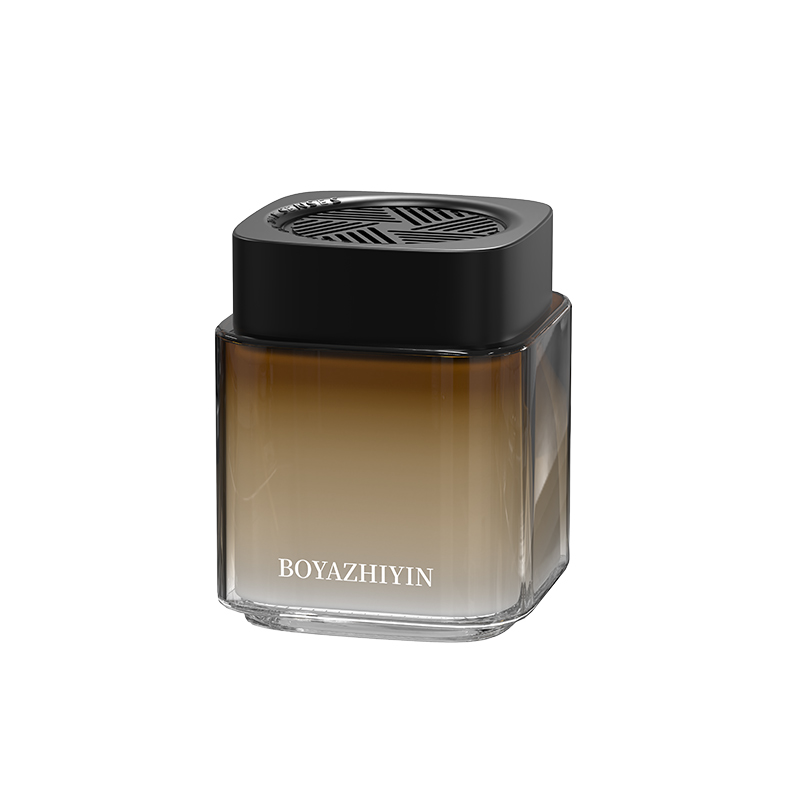
Bring a touch of spring, nature and tranquility into every moment with Thalo. XiaoxiangyuTitle: The Car Air Freshener That Keeps Every Mile Fresh
Every drive deserves a fresh, calming atmosphere. The BOYAZHIYIN car air freshener turns your car into a private sanctuary of natural scent. Crafted specifically for small spaces, this long lasting car air freshener delivers pure botanical fragrance without the dizzying intensity of ordinary car perfumes. Our solid gel formula releases scent steadily for weeks, keeping your cabin inviting from the first mile to the last. Each glass jar is built to impress, with a crystal-clear body and a striped diffusion lid that spreads fragrance evenly through every corner. Choose from four refined scents: Oud Rose, Wild Cologne, Dew Gardenia, or High Mountain White Tea. Made with plant essential oils, it is a natural car air freshener you can trust every single day. Breathe easier, drive happier, and enjoy a car that always smells as good as it looks.
Can't find what you're looking for ?
Leave a Message we will call you back quickly!
Professional Service
Interested? Leave your contact details.
Search Starts Here

