


News
As 2026 reshapes buyer expectations, Car air fragrance is moving toward cleaner scent profiles, safer ingredients, and more refined in-car experiences.
For business evaluation, this shift reveals new standards in formulation, production scale, and supply consistency across the daily chemical products sector.
Understanding these trends helps identify which Car air fragrance solutions can support stable quality, market relevance, and long-term product value.
Cleaner Scent Profiles Define the 2026 Car Air Fragrance Market
Car air fragrance now means more than masking odors with heavy perfume.
In 2026, cleaner scent profiles focus on softness, clarity, and a natural sensory balance.
Consumers increasingly prefer light botanical, oceanic, and cologne-inspired notes over dense synthetic sweetness.
This trend is strongly linked to health awareness and a broader clean living mindset.
Within the car cabin, fragrance must feel pleasant during long drives, daily commuting, and shared family use.
As a result, Car air fragrance products are expected to balance freshness, odor elimination, and visual appeal.
What “cleaner” usually means in this category
- Less overpowering scent projection
- Plant-inspired or nature-related fragrance directions
- Improved odor neutralization instead of simple cover-up
- More compact and tasteful packaging for visible placement
- Safer ingredient communication and clearer product claims
Core Industry Signals Behind Car Air Fragrance Development
Several industry signals explain why Car air fragrance is evolving so quickly.
These signals matter when comparing product direction and supplier capability.
Company development history can indicate whether a fragrance partner can adapt to these shifts.
Since 2015, the business has expanded from an initial factory base to a broader industrial footprint.
It grew from 400 square meters in 2015 to 50,000 in the industrial park later in 2016.
The company further strengthened operations through acquisition in 2018 and channel expansion in 2019.
The home washing and care factory launched in 2020, followed by a second factory in 2021.
Located in Linyi, Shandong province, the company now supports operations with more than 160 employees.
Business Value of Cleaner Car Air Fragrance Solutions
A cleaner Car air fragrance profile creates value beyond fragrance preference alone.
It affects product positioning, user retention, and category competitiveness.
Key value areas
- Supports premium yet practical product perception
- Reduces rejection caused by overly strong fragrance
- Aligns with wellness and clean-care consumption trends
- Improves suitability for broader demographics and daily scenarios
- Creates easier extension into household fragrance categories
One relevant example is Aurora, designed for both car and home applications.
Its scent directions include cologne, fresh gardenia, romantic osmanthus, and blue ocean.
This type of Car air fragrance reflects the market preference for lighter, emotionally comfortable fragrance choices.
It also combines odor elimination, space decoration, and travel style enhancement in one compact format.
Typical Car Air Fragrance Scenarios and Product Directions
Not every Car air fragrance serves the same use pattern.
Cleaner profile development should match actual in-car and adjacent space conditions.
Products with a compact bottle body that fits a cup holder are especially practical.
This format keeps Car air fragrance visible, stable, and easy to integrate into modern vehicle interiors.
Practical Evaluation Points for 2026 Product Selection
A useful review process should combine fragrance performance with manufacturing fundamentals.
For Car air fragrance, appearance alone is not enough.
- Check whether scent intensity remains comfortable in small enclosed cabins.
- Review odor elimination claims and whether they go beyond fragrance masking.
- Assess whether the fragrance family matches current clean-profile preferences.
- Confirm packaging compatibility with cup holders, dashboards, or home surfaces.
- Examine factory scale, category experience, and continuity of expansion.
- Consider whether dual-use positioning can improve market adaptability.
Some formulations now emphasize plant essence restoration and ongoing odor control.
Others highlight purification logic through fragrance dispersion, odor dispersion, and vehicle penetration.
These details can help distinguish advanced Car air fragrance concepts from generic alternatives.
Next-Step Direction for Cleaner Scent Programs
The 2026 Car air fragrance market is becoming cleaner, calmer, and more design-conscious.
Products that combine gentle scent character, odor control, and scalable manufacturing hold stronger long-term potential.
When reviewing options, focus on scent profile clarity, scenario suitability, and production reliability together.
That approach will make Car air fragrance decisions more practical, sustainable, and aligned with future category demand.
Related Products
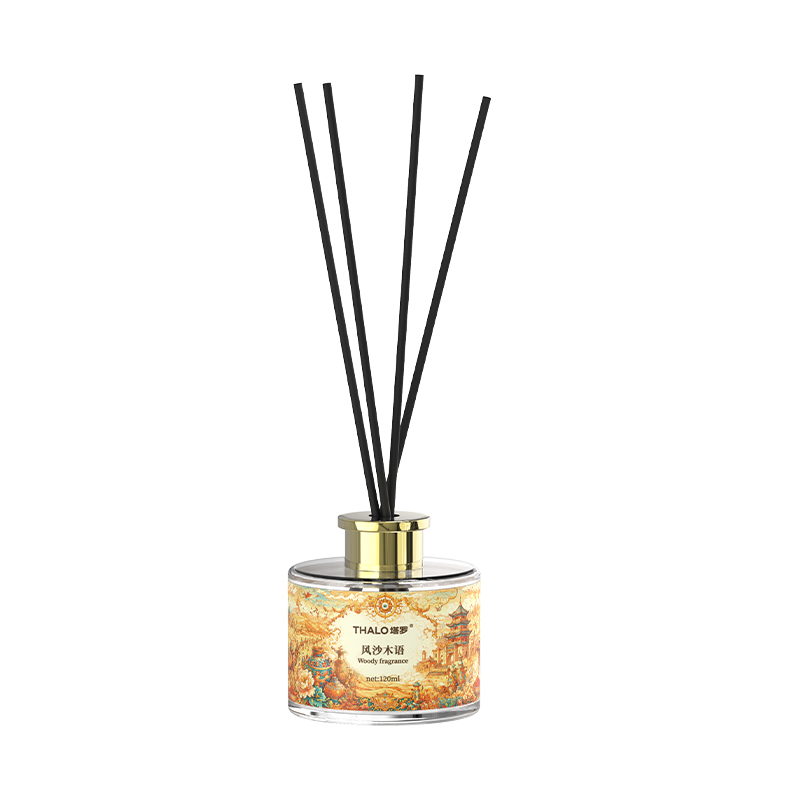
 Silk Road Flower LanguageA Fragrance Journey Along the Silk Road
Step into a world where ancient Silk Road culture meets modern home fragrance. Thalo Silk Road Reed Diffuser transforms your space with an elegant Oriental-inspired aroma, bringing warmth, sophistication and a sense of discovery to everyday moments.
Designed as a flameless home fragrance, it continuously releases fragrance through natural diffuser reeds, creating a calm and inviting atmosphere without fire or electricity. The artistic bottle and premium gift box make it a beautiful addition to bedrooms, entryways, living rooms, boutiques and hotels.
Let every breath become a journey through fragrance. GuoyangYour Car Deserves Better Than That "New Car Smell"
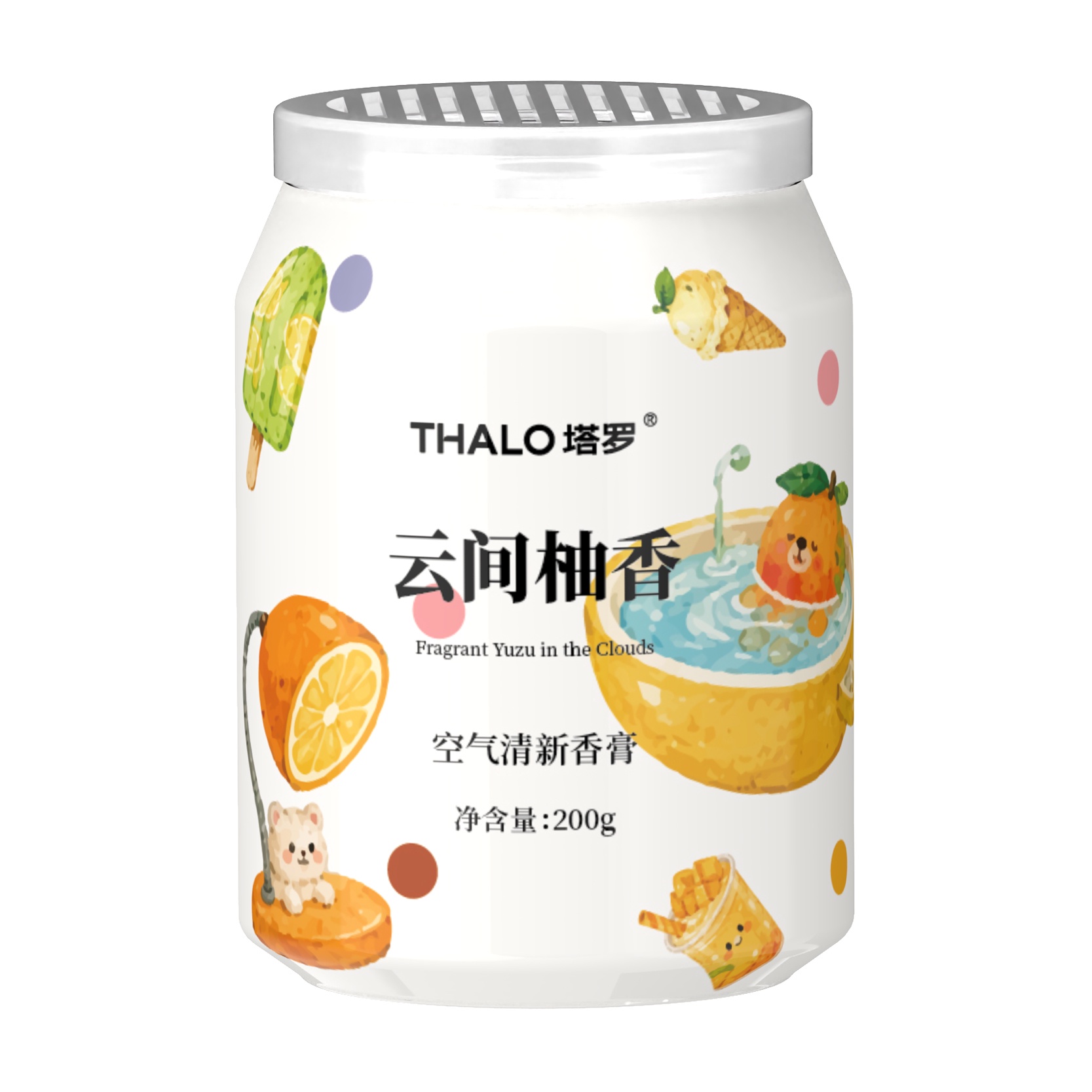
Ever step into your car and wish it smelled like a sunlit orchard instead of stale air.Meet THALO's Fruit Scent Collection — a solid car air freshener that turns every drive into a mini fruit paradise. No sprays, no plugs, no mess. Just unscrew the ventilated lid, and let the 200g fragrance gel slowly release pure, juicy aroma for weeks.
Pick your mood: White Peach in the Snow (soft, creamy, dreamy), Fragrant Yuzu in the Clouds (bright citrus that wakes you up), or Laurel Apple (warm apple-cinnamon comfort). Each jar is hand-illustrated with adorable fruit art that looks as good as it smells — a dopamine hit for your cup holder.
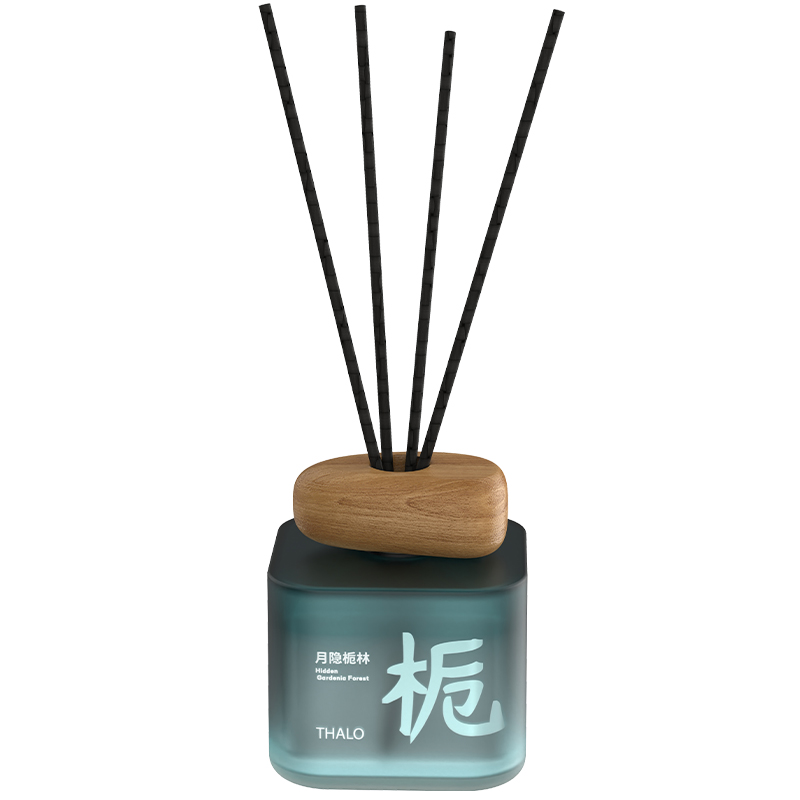
Safe for daily commutes, family trips, and long drives. Plant-based formula, IFRA-certified, crafted with Firmenich perfumers. Fresh air, one twist away. ZHICHUNLet Nature Fill Your Space With Fragrance,Turn an ordinary room into a peaceful fragrance retreat. Thalo “Spring Awakening” Reed Diffuser brings the beauty of Oriental-inspired scents into everyday life, creating a warm and elegant atmosphere without flame, smoke or electricity.
Inspired by nature, the 180ml Home Fragrance Collection features three distinctive scents: Moonlit Gardenia Forest, Wumu Gradually Becomes Spring, and Green Tea Reflection Spring. Each fragrance unfolds gently through high-density reed sticks, filling your space with a continuous and refined aroma.
The frosted glass bottle, wood-inspired cap and minimalist design add a sophisticated decorative touch to any interior. Perfect for bedrooms, living rooms, bathrooms, offices, boutiques and hotels, this Natural Reed Diffuser creates a relaxing fragrance experience while helping refresh indoor air.
Bring a touch of spring, nature and tranquility into every moment with Thalo. XiaoxiangyuTitle: The Car Air Freshener That Keeps Every Mile Fresh
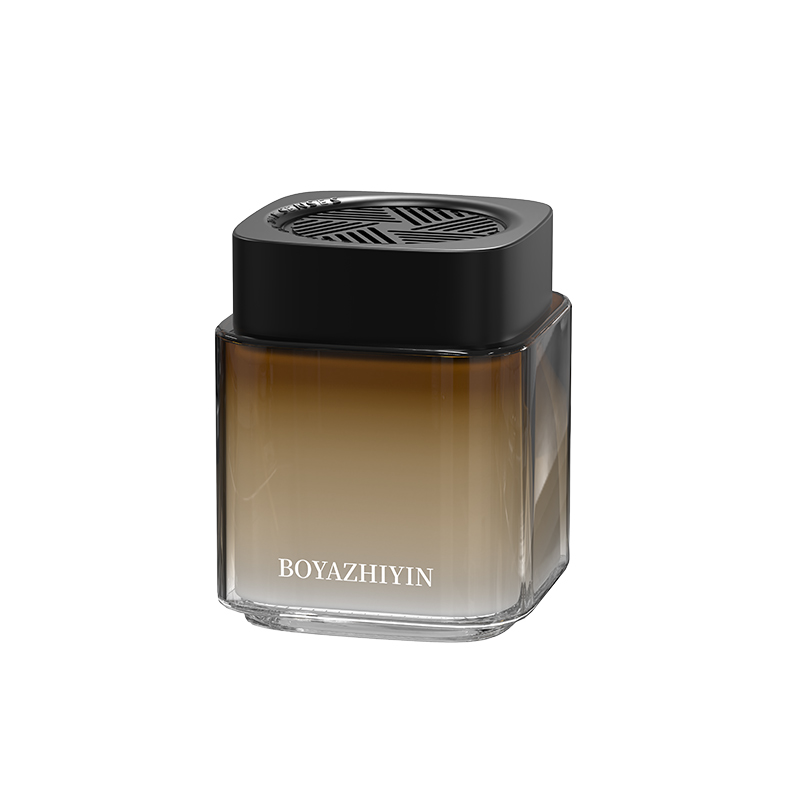
Every drive deserves a fresh, calming atmosphere. The BOYAZHIYIN car air freshener turns your car into a private sanctuary of natural scent. Crafted specifically for small spaces, this long lasting car air freshener delivers pure botanical fragrance without the dizzying intensity of ordinary car perfumes. Our solid gel formula releases scent steadily for weeks, keeping your cabin inviting from the first mile to the last. Each glass jar is built to impress, with a crystal-clear body and a striped diffusion lid that spreads fragrance evenly through every corner. Choose from four refined scents: Oud Rose, Wild Cologne, Dew Gardenia, or High Mountain White Tea. Made with plant essential oils, it is a natural car air freshener you can trust every single day. Breathe easier, drive happier, and enjoy a car that always smells as good as it looks.
Can't find what you're looking for ?
Leave a Message we will call you back quickly!
Professional Service
Interested? Leave your contact details.
Search Starts Here

