


News
How Long Should Car Air Fragrance Really Last
How long should a Car air fragrance really last? The answer depends on the formula, usage environment, and product quality. For buyers comparing performance and value, scent lifespan is a practical decision point.
In daily chemical products, longevity is never controlled by one factor alone. Material choice, fragrance load, ventilation, and heat exposure all shape how a Car air fragrance performs over time.
With years of production growth since 2015, expanding from an early workshop to multiple factories in Linyi, Shandong, and a team of more than 160 employees, our experience shows that stable fragrance release depends on disciplined formulation and manufacturing control.
Why a Checklist Matters When Evaluating Fragrance Lifespan
A short label claim can be misleading. One product may promise 30 days, while another fades after a week in real driving conditions. A checklist helps separate marketing language from usable performance.
It also makes comparison easier across hanging cards, vent clips, gel cans, and liquid diffusers. Each format releases scent differently, so expected duration should always be judged by structure, not by claim alone.
Core Checklist: How to Judge How Long Car Air Fragrance Should Last
- Check the fragrance format first. Card types often last 7 to 21 days, gel products may last 20 to 45 days, and oil-based diffusers can continue for several weeks longer.
- Review the active fragrance loading. A stronger initial scent does not always mean longer life. Balanced release technology matters more than a sharp first-day impact.
- Assess heat resistance. High cabin temperatures speed evaporation. In hot climates, a Car air fragrance may lose intensity much faster than the printed estimate.
- Observe airflow exposure. Vent-mounted products usually smell stronger, but direct air circulation can shorten total lifespan compared with sheltered hanging or dashboard options.
- Confirm packaging protection. Good sealing reduces fragrance loss before use. Weak seals can cause partial evaporation during storage, shipping, or shelf display.
- Compare ingredient quality. Better solvents, carriers, and fragrance oils usually provide a more even scent curve instead of a fast rise and sudden drop.
- Test consistency, not just intensity. The best Car air fragrance should remain noticeable and clean-smelling, rather than becoming harsh, stale, or chemically flat after a few days.
- Verify usage instructions. Opening all vents, removing every seal at once, or placing the product in direct sunlight can reduce expected fragrance duration significantly.
Typical Lifespan by Product Type
How Usage Scenarios Change Car Air Fragrance Performance
Daily commuting
Short trips with regular parking often create repeated heat buildup. In this setting, a Car air fragrance may smell strong at first, then weaken faster than expected if the car stays under the sun.
Vent clips work well here, but partial adjustment is important. Excessive airflow gives stronger projection, yet it also consumes fragrance oil more quickly.
Ride-share or high-use vehicles
Frequent door opening causes scent loss and introduces food, smoke, and body odors. Longer-lasting gel or liquid systems usually perform better than paper styles in this environment.
Cabin cleanliness matters too. Lingering odor sources force any fragrance product to work harder, reducing the perception of lifespan even when material remains inside the package.
Seasonal storage and low-use cars
A parked car may seem easier for scent retention, but trapped heat can accelerate evaporation. Good sealing before activation becomes especially important for products stored inside the vehicle.
This is also why overall cabin care should not be ignored. For household odor and residue control in another daily-care setting, Pipe cleaning agent reflects the same principle: remove the source instead of covering it.
Commonly Overlooked Factors and Risk Alerts
Ignore unrealistic duration claims. If a low-cost paper product claims several months of stable scent, the real result will often fall short in normal vehicle conditions.
Avoid judging on day-one intensity alone. A loud scent opening may come from rapid surface evaporation, not from true controlled-release performance.
Do not overlook formula balance. A product that masks odor without freshness control may seem weaker sooner because unpleasant cabin smells return underneath the fragrance.
Watch storage conditions before use. Heat exposure in warehouses, containers, or shop shelves can reduce available fragrance life before the package is even opened.
Practical Steps to Make Car Air Fragrance Last Longer
- Place the product away from direct sunlight whenever possible, especially during summer parking.
- Open sealed products gradually if the structure allows controlled exposure.
- Clean interior fabrics, floor mats, and vents to reduce competing odor sources.
- Choose the product type according to use frequency, cabin size, and local temperature.
- Request stability and packaging data when comparing long-term supply options.
Conclusion and Next Action
A good Car air fragrance should not just smell pleasant. It should deliver stable release, realistic duration, and better value over its full use cycle.
Use the checklist above to compare product type, formula quality, airflow exposure, and packaging strength. That approach gives a more accurate expectation than relying on a simple printed claim.
If the goal is better everyday performance, start by matching the Car air fragrance format to the vehicle’s real usage pattern, then verify whether the scent remains clean and consistent through the promised period.
Related Products
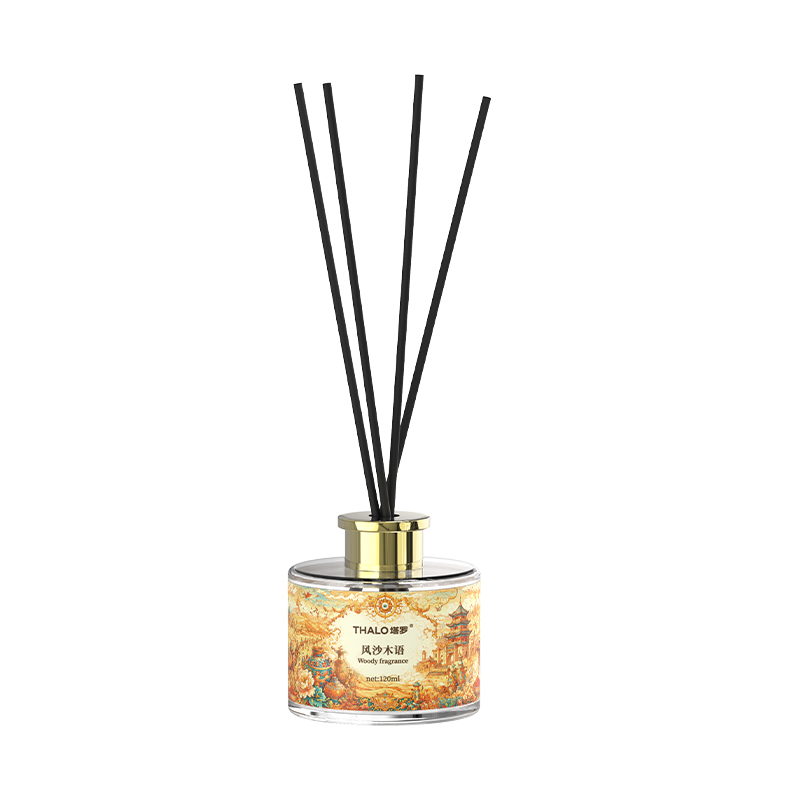
 Silk Road Flower LanguageA Fragrance Journey Along the Silk Road
Step into a world where ancient Silk Road culture meets modern home fragrance. Thalo Silk Road Reed Diffuser transforms your space with an elegant Oriental-inspired aroma, bringing warmth, sophistication and a sense of discovery to everyday moments.
Designed as a flameless home fragrance, it continuously releases fragrance through natural diffuser reeds, creating a calm and inviting atmosphere without fire or electricity. The artistic bottle and premium gift box make it a beautiful addition to bedrooms, entryways, living rooms, boutiques and hotels.
Let every breath become a journey through fragrance. GuoyangYour Car Deserves Better Than That "New Car Smell"
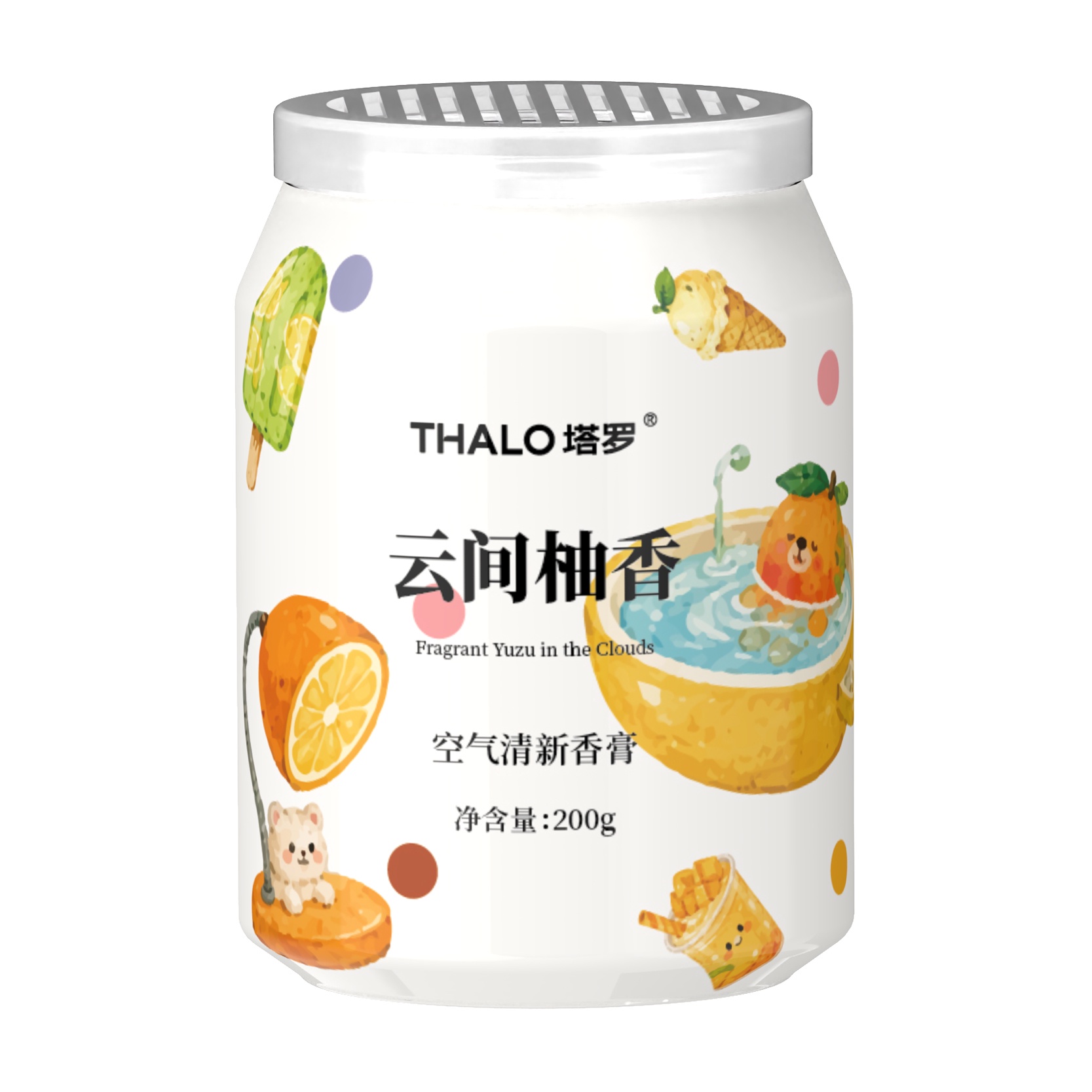
Ever step into your car and wish it smelled like a sunlit orchard instead of stale air.Meet THALO's Fruit Scent Collection — a solid car air freshener that turns every drive into a mini fruit paradise. No sprays, no plugs, no mess. Just unscrew the ventilated lid, and let the 200g fragrance gel slowly release pure, juicy aroma for weeks.
Pick your mood: White Peach in the Snow (soft, creamy, dreamy), Fragrant Yuzu in the Clouds (bright citrus that wakes you up), or Laurel Apple (warm apple-cinnamon comfort). Each jar is hand-illustrated with adorable fruit art that looks as good as it smells — a dopamine hit for your cup holder.
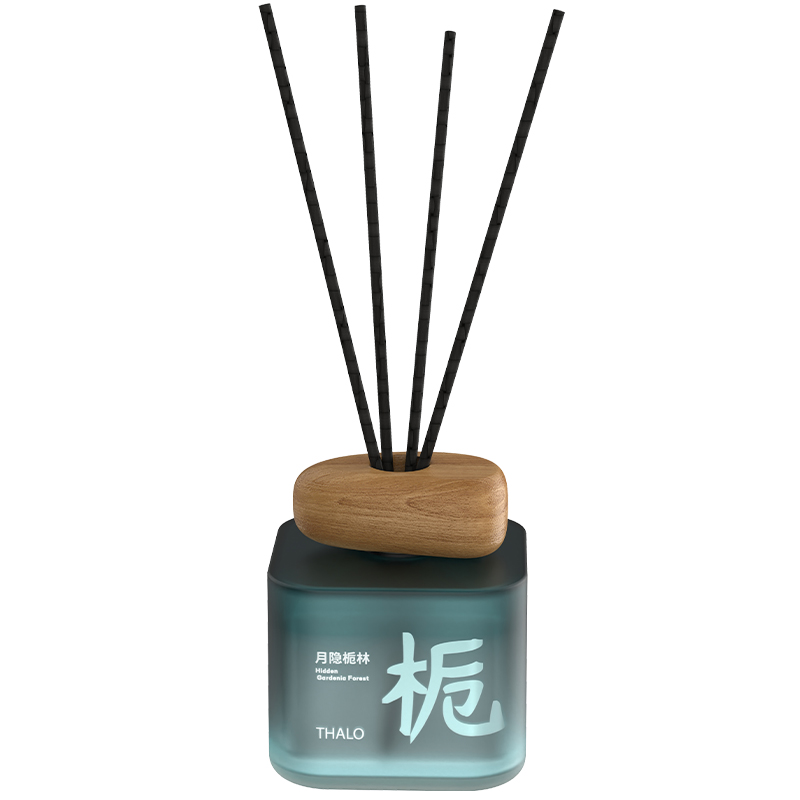
Safe for daily commutes, family trips, and long drives. Plant-based formula, IFRA-certified, crafted with Firmenich perfumers. Fresh air, one twist away. ZHICHUNLet Nature Fill Your Space With Fragrance,Turn an ordinary room into a peaceful fragrance retreat. Thalo “Spring Awakening” Reed Diffuser brings the beauty of Oriental-inspired scents into everyday life, creating a warm and elegant atmosphere without flame, smoke or electricity.
Inspired by nature, the 180ml Home Fragrance Collection features three distinctive scents: Moonlit Gardenia Forest, Wumu Gradually Becomes Spring, and Green Tea Reflection Spring. Each fragrance unfolds gently through high-density reed sticks, filling your space with a continuous and refined aroma.
The frosted glass bottle, wood-inspired cap and minimalist design add a sophisticated decorative touch to any interior. Perfect for bedrooms, living rooms, bathrooms, offices, boutiques and hotels, this Natural Reed Diffuser creates a relaxing fragrance experience while helping refresh indoor air.
Bring a touch of spring, nature and tranquility into every moment with Thalo. XiaoxiangyuTitle: The Car Air Freshener That Keeps Every Mile Fresh
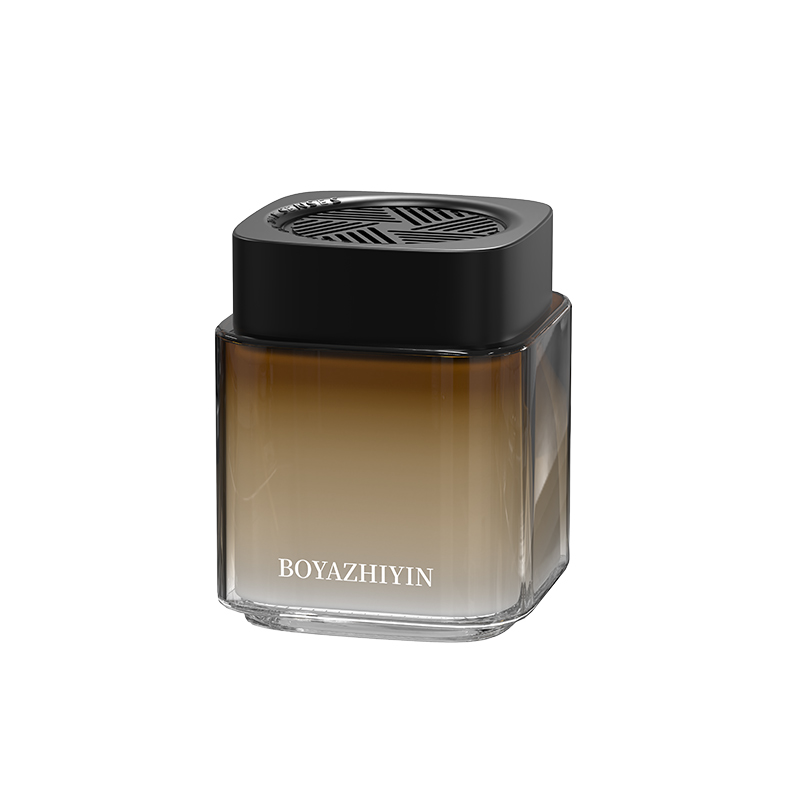
Every drive deserves a fresh, calming atmosphere. The BOYAZHIYIN car air freshener turns your car into a private sanctuary of natural scent. Crafted specifically for small spaces, this long lasting car air freshener delivers pure botanical fragrance without the dizzying intensity of ordinary car perfumes. Our solid gel formula releases scent steadily for weeks, keeping your cabin inviting from the first mile to the last. Each glass jar is built to impress, with a crystal-clear body and a striped diffusion lid that spreads fragrance evenly through every corner. Choose from four refined scents: Oud Rose, Wild Cologne, Dew Gardenia, or High Mountain White Tea. Made with plant essential oils, it is a natural car air freshener you can trust every single day. Breathe easier, drive happier, and enjoy a car that always smells as good as it looks.
Can't find what you're looking for ?
Leave a Message we will call you back quickly!
Professional Service
Interested? Leave your contact details.
Search Starts Here

