


Why car air fresheners are facing closer safety scrutiny
Car air fresheners used to be judged mainly by scent strength and shelf appeal.
That is changing fast.
When children and pets spend more time in vehicles, ingredient transparency becomes a practical safety issue, not just a branding claim.
The central question is no longer whether car air fresheners smell pleasant.
It is whether labels reveal enough about fragrance allergens, VOC content, solvents, and use conditions inside small enclosed spaces.
For daily chemical products, this shift reflects a wider move toward formula visibility and defensible compliance.
In real use, heat, sunlight, and limited cabin ventilation can change exposure patterns.
That is why the same formula may appear acceptable on paper yet raise concerns in an automotive setting.
The label is no longer a formality
A growing number of buyers now treat the label as the first risk screen.
This is especially true for car air fresheners marketed as family friendly or pet safe.
Yet many labels still hide behind broad terms such as fragrance, perfume, deodorizer, or essential oil blend.
Those terms do not explain allergen content, carrier systems, or evaporation behavior.
A stronger label should make several points easier to verify:
- whether allergen disclosure follows relevant regional rules
- whether VOC or solvent claims are backed by test methods
- whether warnings mention enclosed spaces, heat, and direct contact
- whether use restrictions cover infants, sensitive users, and animals
If those details are absent, safety claims become difficult to defend during audits or customer complaints.
Why this concern has become more visible now
Several signals are pushing car air fresheners into a higher accountability category.
More noticeably, online product pages now function like extended labels.
That means omissions in technical data can quickly become public trust problems.
Ingredients that deserve a second look
Not every scented product creates the same safety profile.
The more useful question is which ingredients need closer review in car air fresheners.
Fragrance mixtures
Fragrance blends may contain allergens even when the label looks simple.
Limonene, linalool, citronellol, and similar compounds may oxidize or trigger sensitivity in some users.
Solvents and carriers
Gels, liquids, and hanging cards release scent differently.
Carrier choice affects evaporation speed, residue risk, and inhalation potential.
VOC profile
Low-VOC claims should not rely on vague wording.
They should connect to measurable emission data under simulated vehicle conditions.
A product such as Heart-Touching may position fragrance together with purifying performance.
That kind of concept can be appealing, but claims still need testing support, especially in enclosed automotive spaces.
What safer car air fresheners usually have in common
There is no universal safe formula for every child or pet.
Still, lower-risk car air fresheners often share several traits.
- clear ingredient communication beyond generic fragrance wording
- moderate scent load rather than aggressive long-lasting release
- packaging that reduces leakage and accidental contact
- temperature stability data for transport and hot cabin storage
- warnings that reflect realistic use, not just legal minimums
In practice, safer car air fresheners are usually the products that explain their limits honestly.
That matters more than broad natural or non-toxic wording.
Why manufacturing background now matters more than before
Formula safety is influenced by production discipline, not only ingredient selection.
A manufacturer that expanded from a small 2015 facility to larger industrial production, then added washing and care capacity and a second factory, suggests process maturity.
That kind of growth, especially with over 160 employees in Linyi, can improve batch control, documentation, and cross-category quality systems.
It does not guarantee safe car air fresheners by itself.
But it usually means better ability to manage raw material review, retention samples, and complaint traceability.
That distinction is becoming more important as platforms and export markets ask for deeper product evidence.
The next checkpoint is not fragrance style, but proof quality
From recent demand patterns, the market is moving away from scent-only differentiation.
What stands out now is proof quality.
That includes formula review, emission testing, allergen mapping, packaging compatibility, and label consistency across channels.
Even more premium concepts, including four-fragrance automotive experiences like Heart-Touching, will be judged by this standard.
The practical next step is simple.
- audit current labels against actual formulation data
- review VOC and allergen evidence under hot-cabin conditions
- remove unsupported kid-safe or pet-safe wording
- build a staged checklist for future car air fresheners launches
In this category, safer decisions rarely come from stronger fragrance claims.
They come from better labels, clearer ingredients, and testing that matches how car air fresheners are actually used.
Related Products
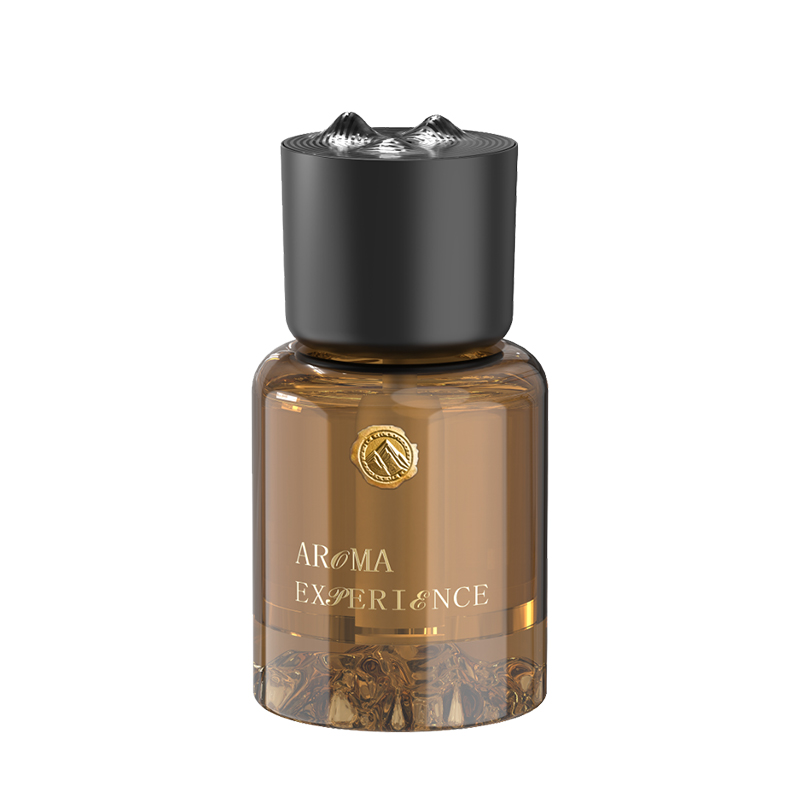
 lingwuImagine opening the car door and being greeted by a fresh and fragrant scent instead of yesterday's smoke, food, or pet odors. Our intelligent spray car fragrance transforms daily driving into a more comfortable sensory experience. The fashionable liquid fragrance bottle and delicate spray design can be evenly spread to all parts of the car, while setting off the elegant style of the cabin. Whether it's commuting, travel, fleet management, or retail display, this car fragrance can add exquisite embellishments. Its high-end appearance is also suitable for automotive parts stores, lifestyle retailers, promotional gifts, and private label projects.
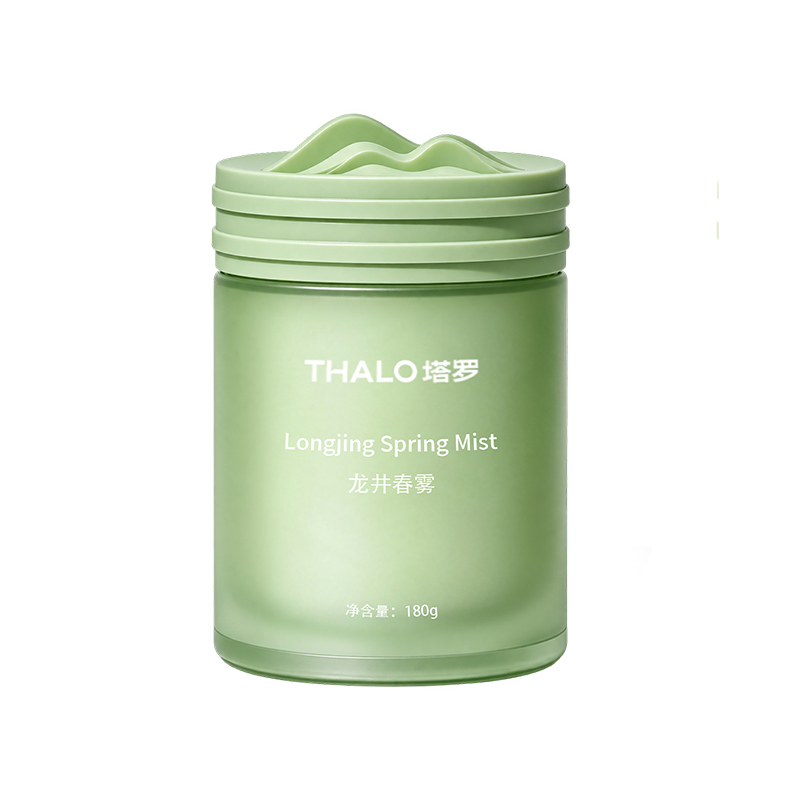
 QingyanLet every time you get on the car, start with a scent you like. THALO 180g car solid fragrance, integrated into the interior space with a simple and clean canned design, with five colors corresponding to different fragrance choices: pink, blue, yellow, black, and green. No need for complicated operations, placed on the dashboard or central armrest area, it can add a more comfortable atmosphere for daily commuting, long-distance travel, and in car rest. Choose your favorite fragrance to give the familiar cabin a more distinctive and exclusive atmosphere.
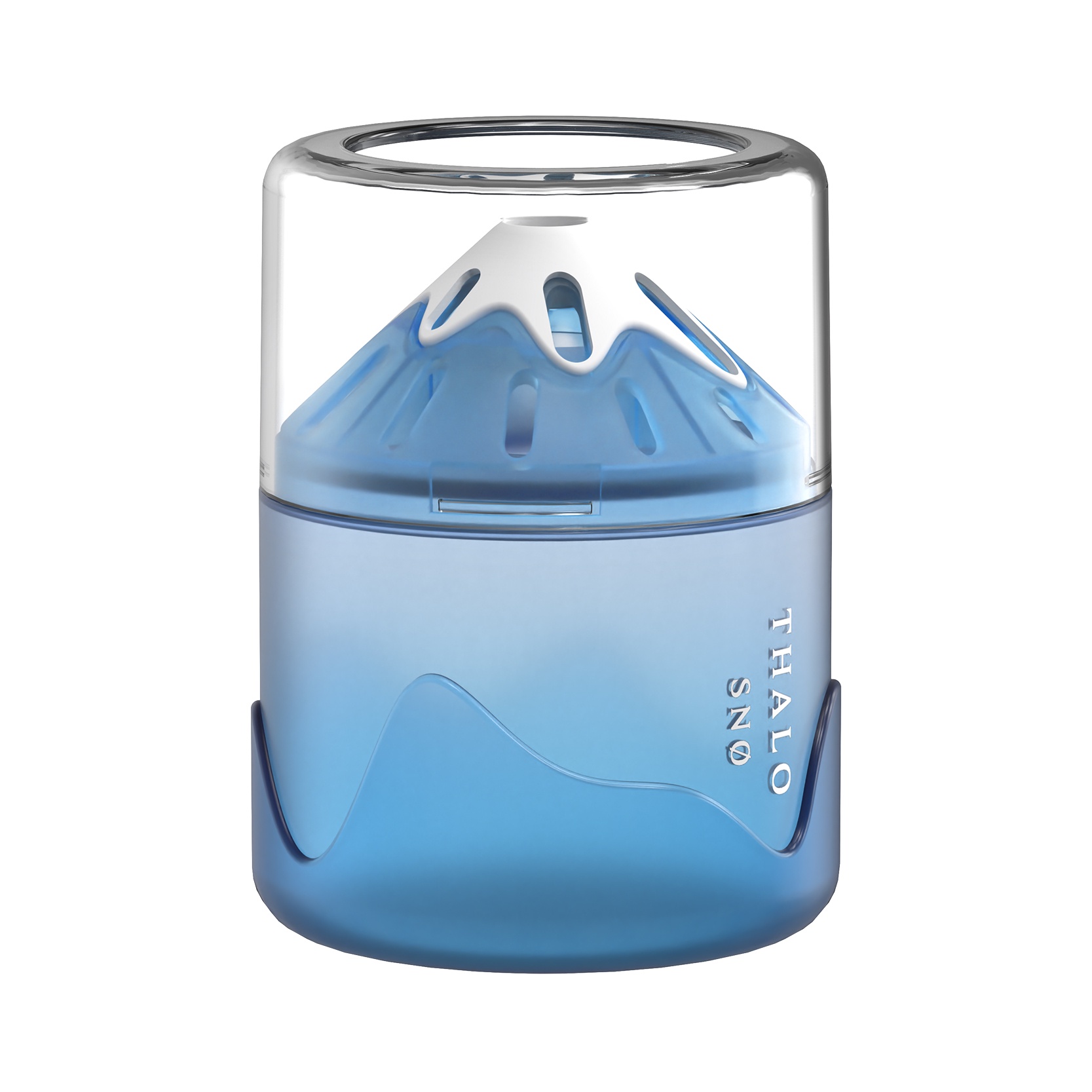
 KONGSHANDon't rush to leave as soon as you get on the car. Make a fresh atmosphere the first stop of every journey. The THALO mountain shaped car fragrance, with its unique mountain peak shape and transparent top cover, is placed in the dashboard or cup holder. It is not only an in car fragrance product, but also an exquisite decoration to enhance the cabin texture. To provide a more comfortable in car experience for daily commuting, weekend travel, and long-distance driving in response to odors and second-hand smoke. Blue, white, and gray colors are available for easy matching with different car interiors.
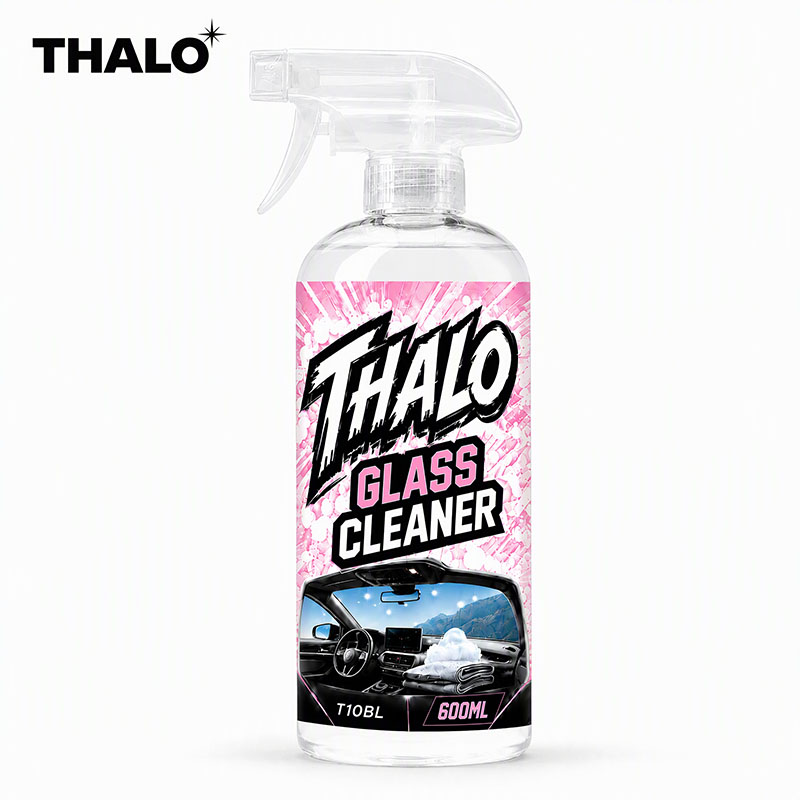
 Glass wiping solutionA clean view can change the feeling of every drive.
Dust, fingerprints and water marks can quickly build up on everyday car glass, making routine vehicle care feel like another chore. THALO Glass Cleaner Spray keeps the process simple: spray evenly, wipe with a cloth and refresh the look of your windshield, windows and mirrors.
The 600ml trigger bottle is easy to handle and fits naturally into a regular car-care routine at home, in the garage or before heading out. With its bold THALO design and practical spray format, it is a useful choice for drivers, detailing retailers and automotive-care collections.
Keep THALO nearby whenever your car glass needs a quick everyday refresh.
Can't find what you're looking for ?
Leave a Message we will call you back quickly!
Professional Service
Interested? Leave your contact details.
Search Starts Here

