


News
Many car air fresheners seem to lose their scent too quickly, but the cause is often poor storage or incorrect placement rather than weak formula performance. For aftersales maintenance teams, this matters because fragrance complaints usually reflect handling issues, unrealistic expectations, or installation mistakes that can be prevented with clearer guidance.
If a product fades fast, the first things to check are heat, direct sunlight, airflow intensity, seal condition before use, and placement near vents or windows. These factors can accelerate evaporation, distort fragrance release, and make otherwise stable car air fresheners seem ineffective long before their intended lifespan.
What users are really asking when they search about fading car air fresheners
Behind this topic, the core search intent is practical: people want to know why scent disappears early, whether the product is defective, and what they can do to make it last longer. Aftersales teams need answers that help diagnose the issue quickly and reduce unnecessary returns or negative reviews.
For maintenance staff, the main concern is not fragrance theory. It is how to identify common mistakes, explain them clearly to customers, and recommend corrective actions that improve satisfaction without creating extra service workload. That means focusing on real use conditions instead of generic statements about fragrance quality.
Why storage mistakes shorten fragrance life before the product is even used
One common but overlooked issue starts before installation. If car air fresheners are stored in hot warehouses, service counters, glove boxes, or delivery vehicles for long periods, volatile fragrance compounds begin dissipating early. The product may arrive to the end user already partially depleted, even if the packaging looks normal.
Aftersales teams should pay close attention to temperature stability in back-room inventory. Repeated heating and cooling cycles can weaken scent intensity and change release behavior. Products stored near windows, radiators, engines, or loading areas exposed to summer heat usually show a shorter effective life after placement inside the car.
Another frequent mistake is broken or loose sealing during transport, display, or pre-installation handling. Even small packaging damage can allow fragrance loss over time. When customers complain that a freshener “had almost no smell,” it is worth checking whether the unit was opened, pierced, or stored unsealed before use.
Heat inside the vehicle is often the biggest reason scent fades too fast
Vehicle interiors can become much hotter than the outside environment, especially when parked in direct sun. This is one of the most important reasons car air fresheners seem to stop working quickly. High temperatures do not always destroy the fragrance, but they can force it to evaporate too fast in the first few days.
From the customer’s perspective, this often feels misleading. The product may smell very strong at first, then become faint suddenly. In reality, the scent release was front-loaded by heat exposure. Aftersales teams should explain that intense early diffusion often shortens the total fragrance duration, especially in hot climates or closed parked vehicles.
Seasonality also matters. Summer complaints tend to rise because dashboards, cup holders, and center consoles absorb heat for hours. A freshener placed in these zones may perform very differently compared with the same unit used during cooler months. Service teams should avoid promising identical longevity across all temperature conditions.
Poor placement can make a good product perform badly
Placement is one of the easiest variables to correct, yet it is often the main source of dissatisfaction. Fresheners positioned directly in front of air-conditioning vents, under strong sunlight, or beside frequently opened windows release fragrance too aggressively. The result is fast consumption instead of slow, balanced scent diffusion.
Strong airflow is especially important in modern vehicles. When a product sits on a vent clip or very close to a fan outlet, cold or hot air continuously pushes volatile compounds outward. This may create an impressive first impression, but it usually reduces fragrance life and causes uneven performance during different driving conditions.
Direct sunlight is another avoidable placement error. UV exposure and surface heat accelerate evaporation and can also affect the carrier material, depending on the product type. A location that feels convenient to the user may not be ideal for scent retention. Shaded, stable areas usually support more consistent fragrance release.
For gel, cream, or solid formats, vibration and tilt can also matter. If the unit is placed in an unstable area, material shift may increase exposed surface area and speed up release. That is why aftersales guidance should include where not to place the product, not just where it can fit physically.
How aftersales teams can troubleshoot complaints more effectively
When a customer says a freshener faded too fast, start with a simple diagnostic sequence. Ask where it was stored before use, how long it remained unopened, where it was installed, whether it sat in direct sun, and whether it was near a vent. These questions often reveal the real cause within minutes.
It also helps to ask how the customer defines “lasting.” Some users expect a strong top note for weeks, while most fragrance systems are designed to become softer after the initial release. A fading complaint is sometimes a mismatch between expected scent intensity and normal performance curve rather than an actual product failure.
Documenting patterns is useful for service improvement. If complaints cluster by region, season, vehicle type, or installation point, the issue may be environmental rather than manufacturing-related. This gives teams stronger evidence when adjusting usage instructions, shelf storage procedures, or point-of-sale recommendations.
What usage guidance actually helps customers get longer-lasting results
Practical instructions should be simple and specific. Tell customers to keep unopened products sealed until use, avoid storing them in hot cars, and place them away from direct vents and direct sun. Recommend moderate, shaded positions where airflow is present but not forceful enough to strip scent too quickly.
For customers sensitive to strong smells, advise them not to judge performance only by the first hour. A controlled release profile should feel noticeable without becoming overwhelming. If the opening is adjustable, suggest starting with a smaller exposure area. This can extend product life while creating a steadier in-car fragrance experience.
Product format also affects recommendations. Cream, gel, paper, and vent-mounted types behave differently in the same cabin. Aftersales staff should match the usage note to the format rather than giving one universal answer. That small change can improve trust because the advice feels specific and experience-based.
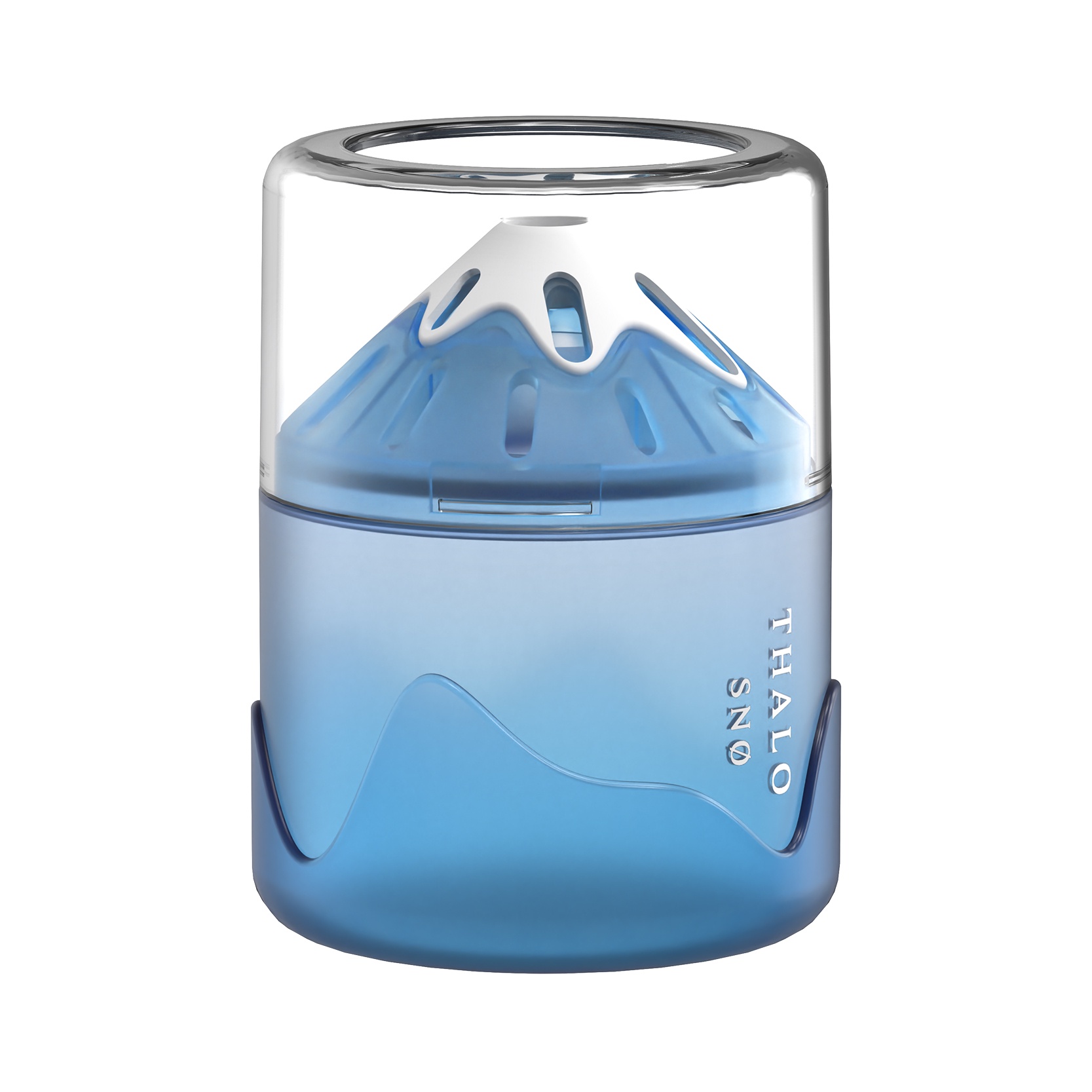
Some automotive fragrance options are designed around gentler release and comfort-focused positioning. For example, Freezing point uses plant essence and is intended to help say goodbye to odors while creating a fresh mobile space. In practical terms, products with a mild, persistent profile benefit even more from correct placement and storage.
How to judge product quality fairly before blaming the formula
Not every short-lived result means poor quality. A fair evaluation should consider storage history, ambient heat, cabin size, ventilation habits, and scent preference. A natural fragrance profile may feel softer than a heavy synthetic one, but that does not automatically mean it is weaker or less effective in odor management.
Aftersales teams should also distinguish between “scent projection” and “odor control.” Some customers focus only on how far the fragrance travels, while others care more about whether unpleasant smells are reduced. A product can perform well in freshness and comfort even if it does not remain intensely noticeable all the time.
This is especially relevant when recommending products described as safe, mild, and suitable for family-oriented use. In automotive settings, a balanced fragrance can be more appropriate than an overpowering one. Customers looking for a clean, immersive cabin experience may value gentle persistence more than a sharp scent burst.
Operational steps that reduce complaints at the service level
For aftersales maintenance teams, prevention is more efficient than explanation after the fact. Store inventory in cool, shaded areas, rotate stock regularly, inspect package integrity, and train staff not to pre-open units unnecessarily. These basic controls reduce the chance that customers receive products already compromised by handling conditions.
Service teams can also standardize installation advice with a short checklist at handover. Recommended location, heat warning, sunlight caution, and expected scent curve should all be communicated in plain language. This makes customer expectations more realistic and lowers the chance that normal fragrance behavior is mistaken for product failure.
If your business serves automotive fragrance needs at scale, it is worth building a feedback loop between sales, aftersales, and sourcing. Complaints tied to climate, placement, or usage can guide better product selection, clearer labeling, and more accurate support materials. That creates better outcomes than simply switching suppliers after every complaint cycle.
In short, most fast-fading car air fresheners are not failing because of formula weakness alone. Storage heat, sun exposure, vent placement, and handling before use are often the real reasons performance drops early. When aftersales teams understand these patterns, they can solve complaints faster, guide customers better, and improve long-term satisfaction with less friction.
Related Products
 KONGSHANDon't rush to leave as soon as you get on the car. Make a fresh atmosphere the first stop of every journey. The THALO mountain shaped car fragrance, with its unique mountain peak shape and transparent top cover, is placed in the dashboard or cup holder. It is not only an in car fragrance product, but also an exquisite decoration to enhance the cabin texture. To provide a more comfortable in car experience for daily commuting, weekend travel, and long-distance driving in response to odors and second-hand smoke. Blue, white, and gray colors are available for easy matching with different car interiors.
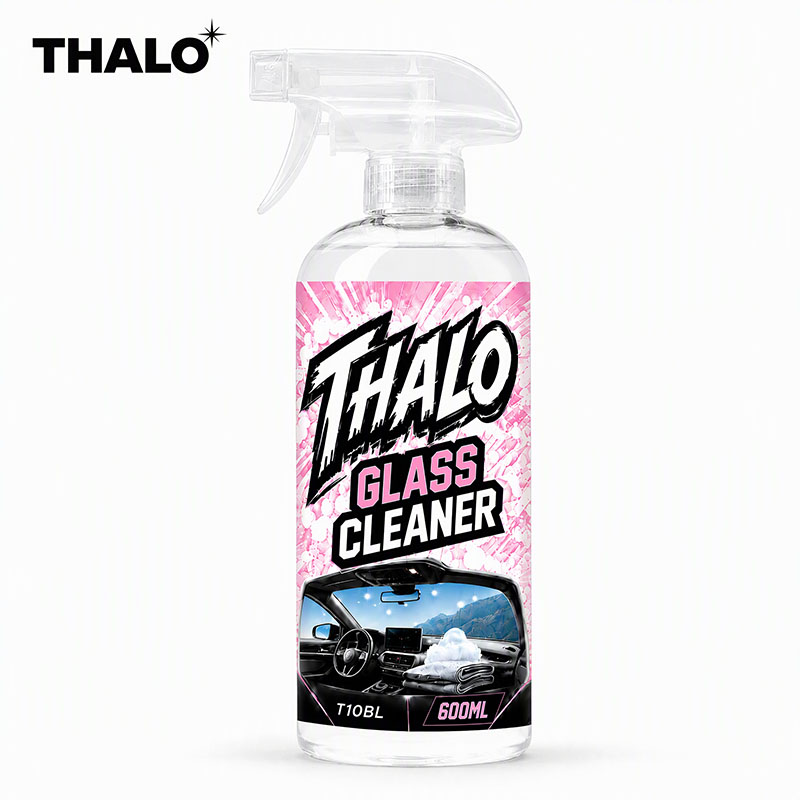
 Glass wiping solutionA clean view can change the feeling of every drive.
Dust, fingerprints and water marks can quickly build up on everyday car glass, making routine vehicle care feel like another chore. THALO Glass Cleaner Spray keeps the process simple: spray evenly, wipe with a cloth and refresh the look of your windshield, windows and mirrors.
The 600ml trigger bottle is easy to handle and fits naturally into a regular car-care routine at home, in the garage or before heading out. With its bold THALO design and practical spray format, it is a useful choice for drivers, detailing retailers and automotive-care collections.
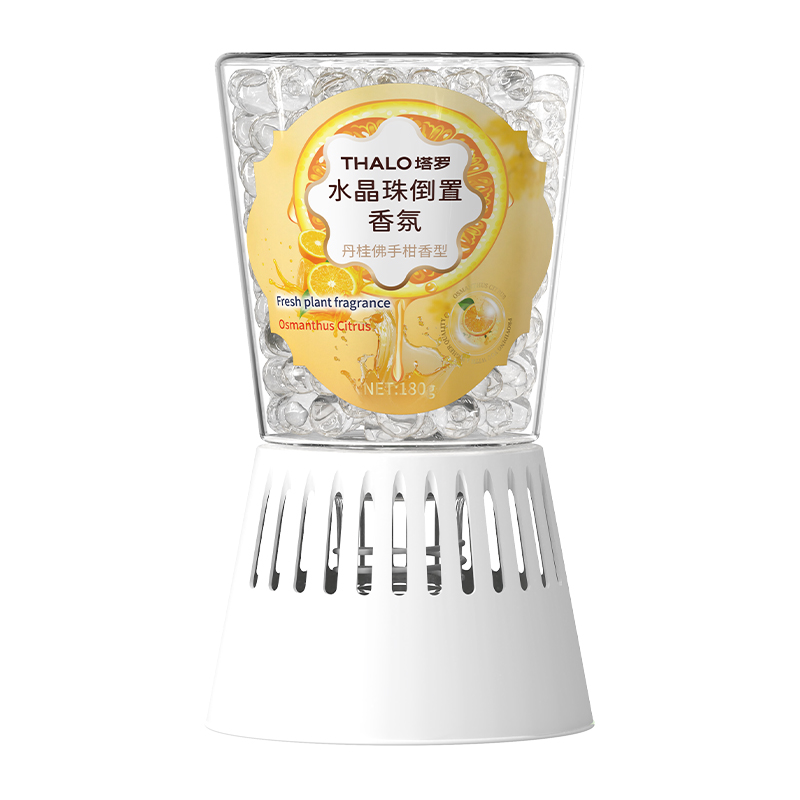
Keep THALO nearby whenever your car glass needs a quick everyday refresh. JINGXUInverted time, giving the home a natural breath, Tarot crystal beads reshape the flow of spatial fragrance. It utilizes natural gravity induction to achieve sustained and uniform fragrance spreading. Each translucent crystal bead contains the soul of the deep mountains and gardens. Dangui bergamot emits the warmth of a late autumn morning. The goddess of flowers, gardenia, awakens the fragrance of summer afternoon. Cedars and roses weave the tranquility and romance of the deep forest. This fragrance is a perfect blend of natural plant extracts and modern aesthetics. It not only eliminates odors but also decorates every corner of life. The long-lasting fragrance release allows the joyful mood to extend infinitely. It is the perfect choice for you to pursue a refined home life. This pure natural atmosphere is worth every family having.
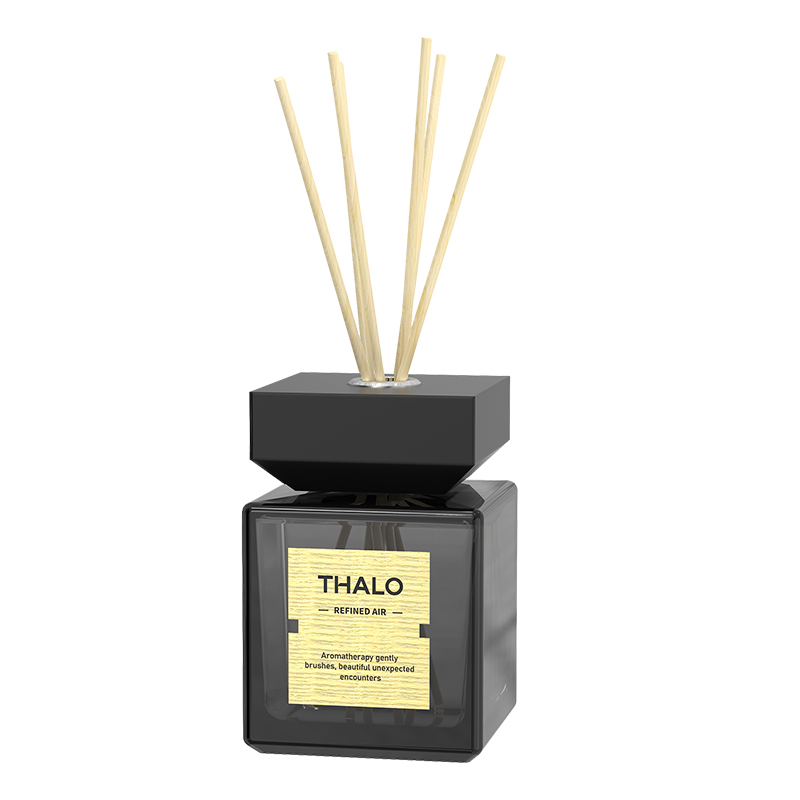
 CHUNSHUIStepping into your home now matches the experience of entering a world-class luxury hotel. The THALO experience turns this premium atmosphere into your daily reality. You now possess a masterpiece of scent that far outlasts fleeting fragrances. Our 500ml Luxury Reed Diffuser stands as a definitive statement of elegance for those who demand the finest environment.
The signature aroma captures the revitalizing essence of a hidden natural oasis. The minimalist square glass bottle serves as a centerpiece of modern decor, enhancing both private living rooms and professional hotel suites. Every guest feels the immediate impact of this elevated ambiance. Your environment is now a true sanctuary of calm. This is the new standard for long-lasting luxury.
Can't find what you're looking for ?
Leave a Message we will call you back quickly!
Professional Service
Interested? Leave your contact details.
Search Starts Here

