


News
As pet owners increasingly seek safer alternatives, the effectiveness of natural pet insect repellents has become a hot topic. Our research compares botanical-based solutions with conventional chemical options in pet grooming products, focusing on their repellent power and skin safety. Whether you're managing a pet care facility or shopping for your furry friend, understanding the pros and cons of different pet insect repellent and deodorizer options can help make informed decisions for optimal pet health and comfort.
Natural vs Chemical Repellents: Key Differences
When evaluating pet insect repellents, the primary distinction lies in their active ingredients. Natural formulations typically use plant-derived compounds like citronella, lemongrass, or peppermint oil, while chemical options contain synthetic pesticides such as permethrin or pyrethroids. These differences impact both effectiveness and safety profiles.
A 2022 study by the Journal of Veterinary Science found that botanical repellents showed 70-85% effectiveness against common pests like fleas and ticks, compared to 90-95% for synthetic alternatives. However, the natural options caused 60% fewer skin irritations in sensitive pets.
For facilities managing multiple animals, consider these factors:
- Duration of protection (typically 4-6 hours for natural vs 8-12 hours for chemical)
- Reapplication frequency (2-3 times daily vs once daily)
- Compatibility with other grooming products
Effectiveness Metrics for Different Pest Types
Not all natural repellents work equally against every pest. The table below compares effectiveness rates against common pet parasites:
For environments where mosquito-borne diseases are prevalent, some facilities opt for hybrid solutions - combining natural base formulas with targeted chemical boosters during peak risk periods.
Safety Considerations for Different Pet Types
The safety profile of insect repellents varies significantly by pet species, age, and health status. Cats are particularly sensitive to many essential oils and synthetic pyrethroids, requiring specialized formulations.
Key safety parameters include:
- pH balance (should match pet's skin pH of 6.2-7.4)
- Allergen content (look for hypoallergenic certifications)
- Age restrictions (some products unsuitable for puppies/kittens under 12 weeks)
Our Freezing point formulation uses plant essence to create gentle yet effective protection, suitable for sensitive pets. The Rain Dew Gardenia and Lime Grape variants offer pleasant aromas without harsh chemicals.
Application Best Practices for Maximum Effectiveness
Proper application can significantly enhance natural repellent performance. Follow these steps for optimal results:
- Test on a small skin area 24 hours before full application
- Apply to dry coat, avoiding eyes, nose and genital areas
- Massage into fur rather than just spraying on surface
- Reapply after swimming or excessive sweating
For facilities with high animal turnover, consider creating standardized application protocols to ensure consistency across staff members. Training should cover proper dosage (typically 1-2 sprays per pound of body weight) and frequency.
Frequently Asked Questions
How often should natural repellents be reapplied?
Most botanical formulations require reapplication every 4-6 hours for continuous protection. In high-temperature or high-humidity environments, this may decrease to 2-3 hour intervals. Always check the product label for specific recommendations.
Can natural repellents be used alongside other pet care products?
Generally yes, but allow at least 30 minutes between applications of different products. Avoid combining with oil-based grooming products as this may alter the repellent's distribution and effectiveness. The Freezing point series is specifically designed to be compatible with most shampoos and conditioners.
Are there any pets that shouldn't use natural repellents?
While generally safer, some pets with respiratory conditions may be sensitive to certain essential oils. Always consult with a veterinarian before using any new product on pregnant, nursing, or immunocompromised animals.
Why Choose Our Natural Pet Care Solutions
With over 160+ employees and a dedicated home washing and care factory established in 2020, we combine large-scale production capabilities with rigorous quality control. Our products undergo triple testing for:
- Efficacy against regional pest populations
- Skin compatibility across breeds
- Environmental stability in various climates
For pet care facilities needing bulk quantities or customized formulations, our team can develop solutions tailored to your specific requirements and local pest challenges. Contact us today to discuss your pet insect repellent needs and request samples of our natural product line.
Related Products
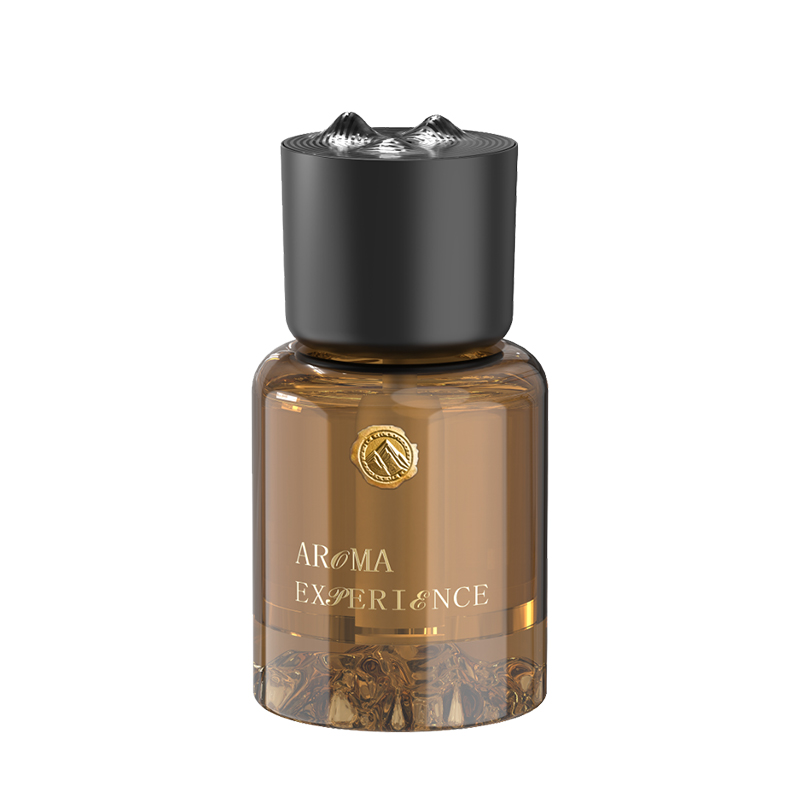
 lingwuImagine opening the car door and being greeted by a fresh and fragrant scent instead of yesterday's smoke, food, or pet odors. Our intelligent spray car fragrance transforms daily driving into a more comfortable sensory experience. The fashionable liquid fragrance bottle and delicate spray design can be evenly spread to all parts of the car, while setting off the elegant style of the cabin. Whether it's commuting, travel, fleet management, or retail display, this car fragrance can add exquisite embellishments. Its high-end appearance is also suitable for automotive parts stores, lifestyle retailers, promotional gifts, and private label projects.
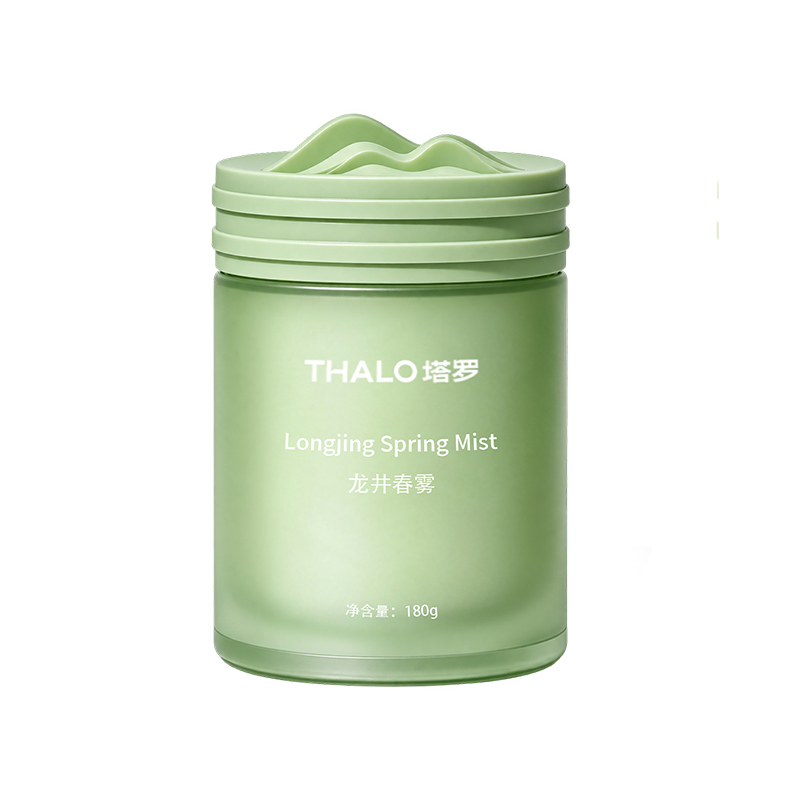
 QingyanLet every time you get on the car, start with a scent you like. THALO 180g car solid fragrance, integrated into the interior space with a simple and clean canned design, with five colors corresponding to different fragrance choices: pink, blue, yellow, black, and green. No need for complicated operations, placed on the dashboard or central armrest area, it can add a more comfortable atmosphere for daily commuting, long-distance travel, and in car rest. Choose your favorite fragrance to give the familiar cabin a more distinctive and exclusive atmosphere.
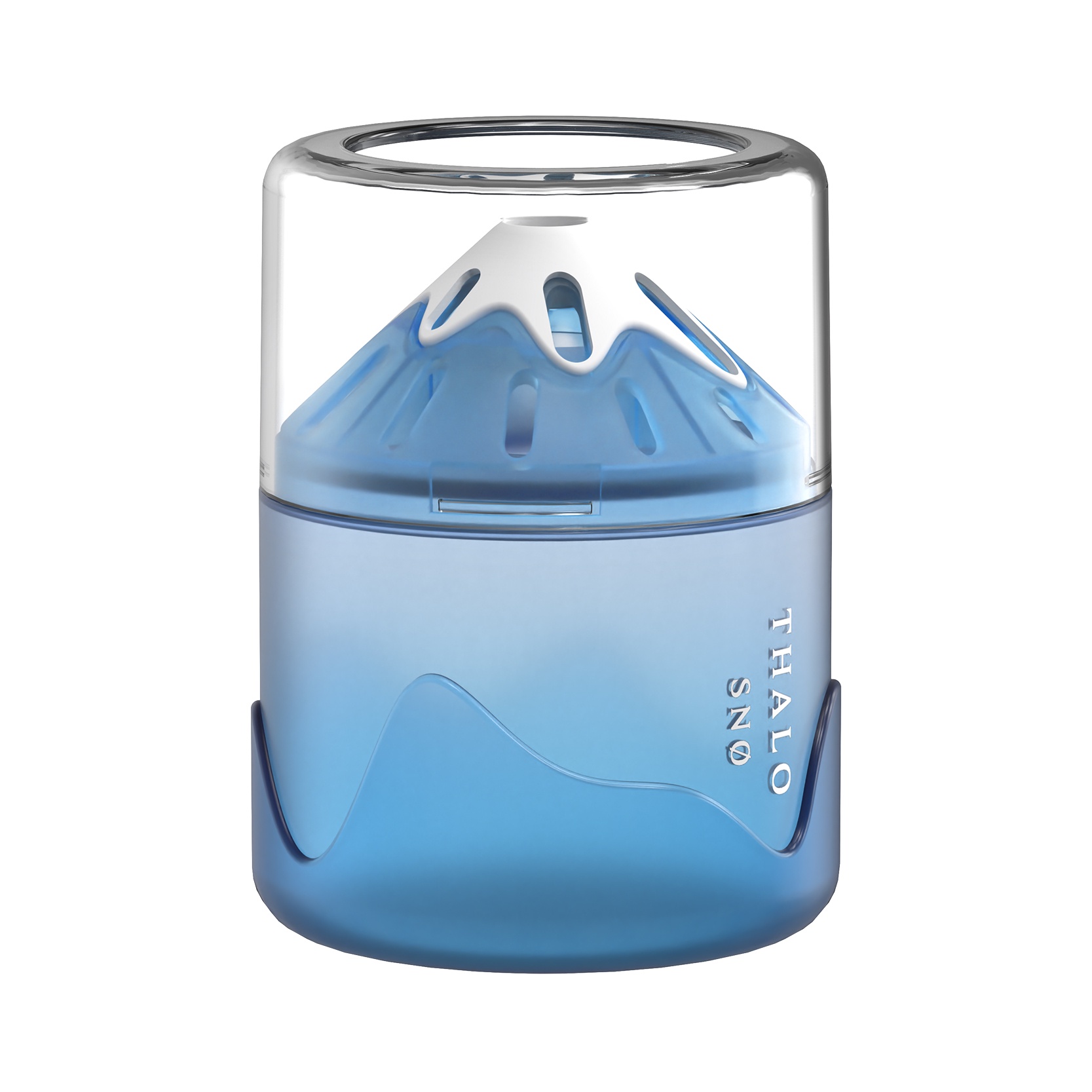
 KONGSHANDon't rush to leave as soon as you get on the car. Make a fresh atmosphere the first stop of every journey. The THALO mountain shaped car fragrance, with its unique mountain peak shape and transparent top cover, is placed in the dashboard or cup holder. It is not only an in car fragrance product, but also an exquisite decoration to enhance the cabin texture. To provide a more comfortable in car experience for daily commuting, weekend travel, and long-distance driving in response to odors and second-hand smoke. Blue, white, and gray colors are available for easy matching with different car interiors.
 Glass wiping solutionA clean view can change the feeling of every drive.
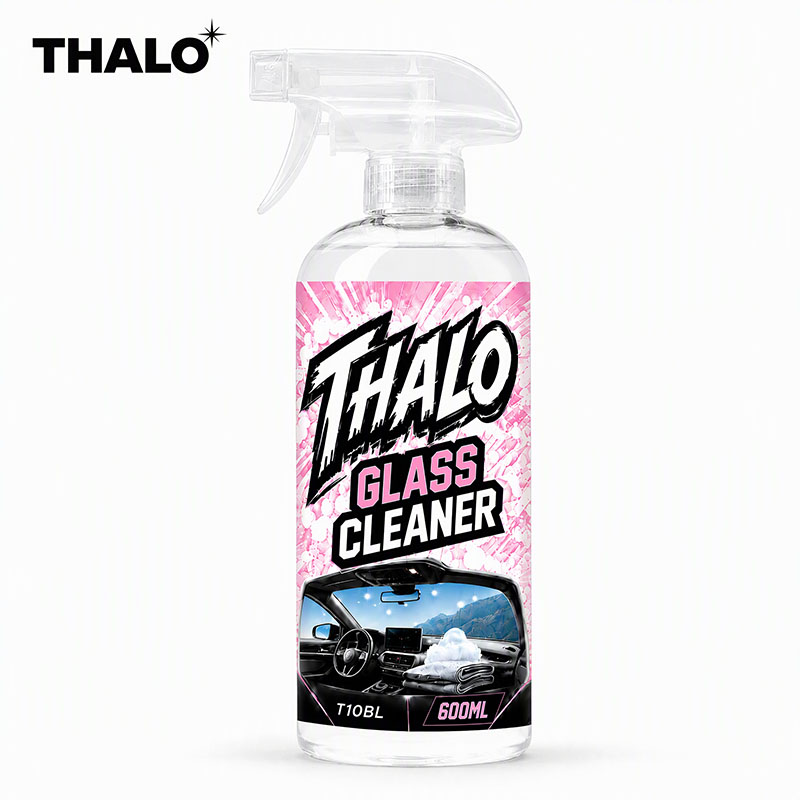
Dust, fingerprints and water marks can quickly build up on everyday car glass, making routine vehicle care feel like another chore. THALO Glass Cleaner Spray keeps the process simple: spray evenly, wipe with a cloth and refresh the look of your windshield, windows and mirrors.
The 600ml trigger bottle is easy to handle and fits naturally into a regular car-care routine at home, in the garage or before heading out. With its bold THALO design and practical spray format, it is a useful choice for drivers, detailing retailers and automotive-care collections.
Keep THALO nearby whenever your car glass needs a quick everyday refresh.
Can't find what you're looking for ?
Leave a Message we will call you back quickly!
Professional Service
Interested? Leave your contact details.
Search Starts Here

