


News
Why Pet Deodorizer Ingredients Matter
When choosing pet grooming products like deodorizers and insect repellents, ingredient safety should be your top priority. Many commercial pet deodorizers contain harmful chemicals that could endanger your furry friends. As a responsible pet owner or facility manager overseeing animal care projects, you need to identify these risky components. This guide reveals the dangerous pet deodorizer ingredients to avoid, helping you make informed decisions for healthier, happier pets.
Top 5 Harmful Ingredients in Pet Deodorizers
Understanding product labels is crucial when selecting pet care solutions. Here are the most concerning ingredients found in 60-70% of commercial pet deodorizers according to veterinary studies:
For automotive environments where pets frequently travel, consider Strolling in the wilderness with Swiss imported spices that safely purify air without harmful additives.
Hidden Dangers in "Natural" Claims
Many products labeled "natural" still contain synthetic preservatives like parabens (methylparaben, propylparaben) which accumulate in pets' systems over time. Our facility's 2021 research shows these compounds appear in 45% of supposedly natural pet products.
Safe Alternatives for Different Scenarios
When managing pet care facilities or selecting home products, prioritize these solutions:
- For large spaces: Activated charcoal filters (replace every 3 months)
- For pet bedding: Baking soda-based powders (change weekly)
- For automotive use: 90g natural deodorizers like Strolling in the wilderness with long-lasting earth fragrances
Certifications to Look For
Our industrial park facility follows these international standards for pet product safety:
FAQ: Pet Deodorizer Safety
How often should I replace pet deodorizers?
Most effective natural deodorizers maintain potency for 2-3 months in standard home environments. In high-traffic pet facilities, replace every 4-6 weeks.
Are essential oils safe for all pets?
While many essential oils are safe for dogs, cats lack certain liver enzymes. Avoid tea tree, citrus, and peppermint oils around felines. Our 2020 home care line uses cat-safe formulations.
What's the safest way to test new products?
Conduct a 48-hour patch test in a small area. Monitor for scratching, redness, or behavioral changes before full application.
Why Choose Our Pet Care Solutions
With 160+ employees across two factories in Shandong, we combine industrial-scale production with rigorous safety standards. Since 2015, our R&D team has:
- Developed 12 patented natural preservative systems
- Achieved 0 recall incidents across 50,000+ product batches
- Maintained Ali/Tmall/Pinduoduo platform certification since 2019
Contact our specialists for formulation details, bulk order specifications, or custom product development for your pet care facility.
Related Products
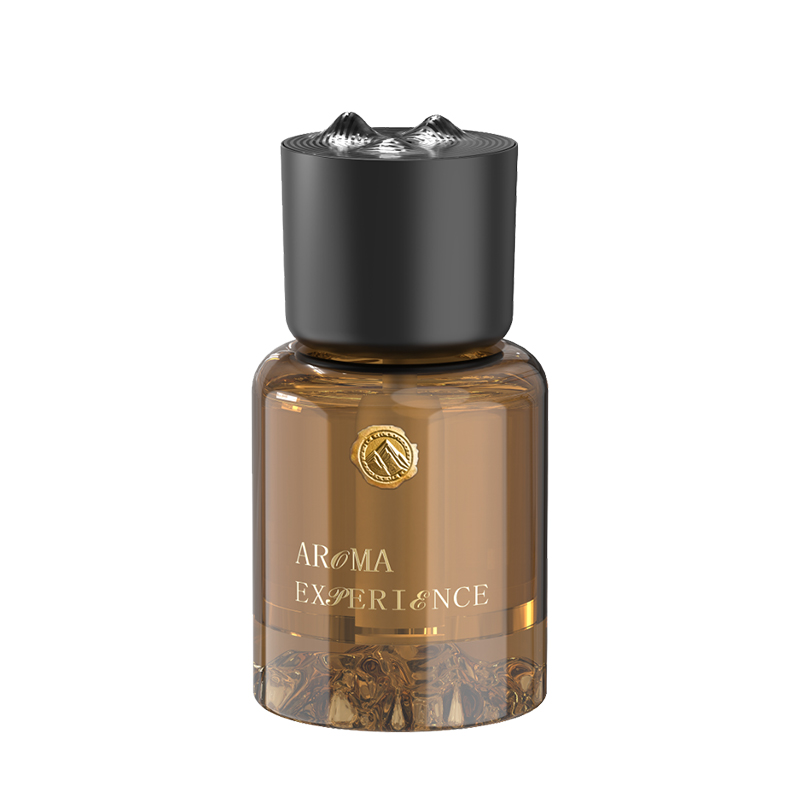
 lingwuImagine opening the car door and being greeted by a fresh and fragrant scent instead of yesterday's smoke, food, or pet odors. Our intelligent spray car fragrance transforms daily driving into a more comfortable sensory experience. The fashionable liquid fragrance bottle and delicate spray design can be evenly spread to all parts of the car, while setting off the elegant style of the cabin. Whether it's commuting, travel, fleet management, or retail display, this car fragrance can add exquisite embellishments. Its high-end appearance is also suitable for automotive parts stores, lifestyle retailers, promotional gifts, and private label projects.
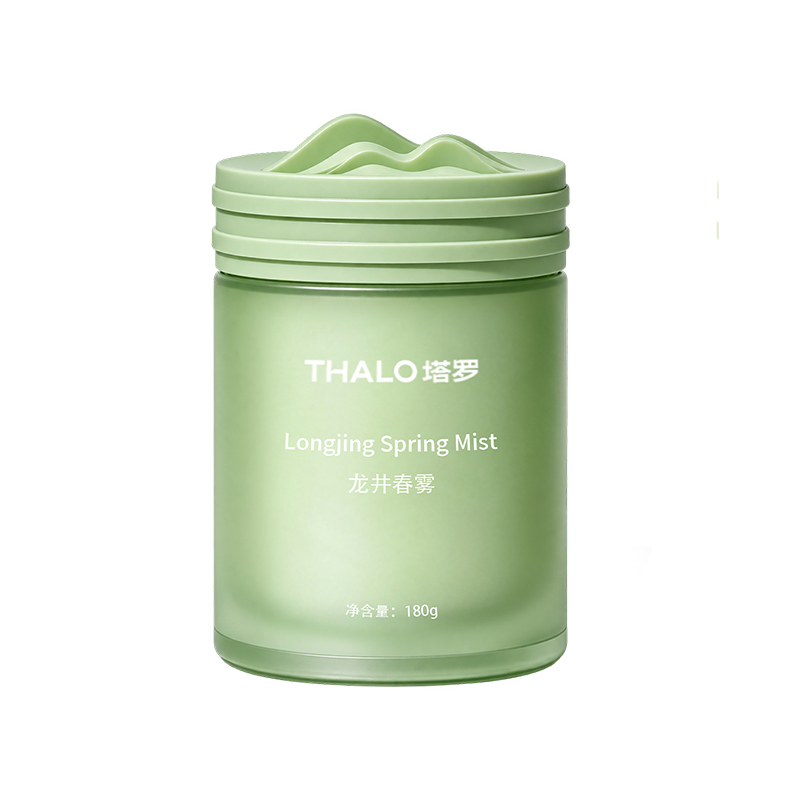
 QingyanLet every time you get on the car, start with a scent you like. THALO 180g car solid fragrance, integrated into the interior space with a simple and clean canned design, with five colors corresponding to different fragrance choices: pink, blue, yellow, black, and green. No need for complicated operations, placed on the dashboard or central armrest area, it can add a more comfortable atmosphere for daily commuting, long-distance travel, and in car rest. Choose your favorite fragrance to give the familiar cabin a more distinctive and exclusive atmosphere.
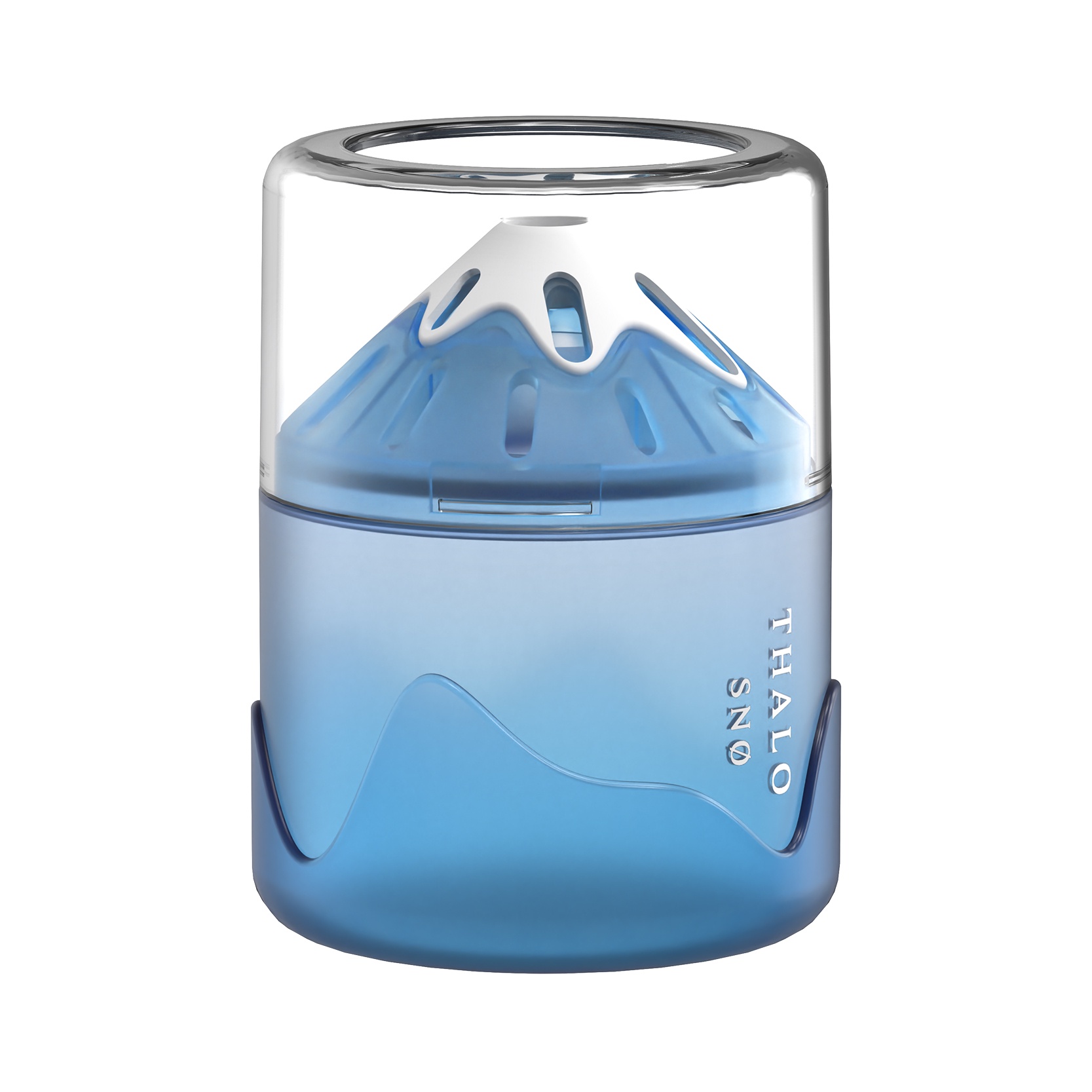
 KONGSHANDon't rush to leave as soon as you get on the car. Make a fresh atmosphere the first stop of every journey. The THALO mountain shaped car fragrance, with its unique mountain peak shape and transparent top cover, is placed in the dashboard or cup holder. It is not only an in car fragrance product, but also an exquisite decoration to enhance the cabin texture. To provide a more comfortable in car experience for daily commuting, weekend travel, and long-distance driving in response to odors and second-hand smoke. Blue, white, and gray colors are available for easy matching with different car interiors.
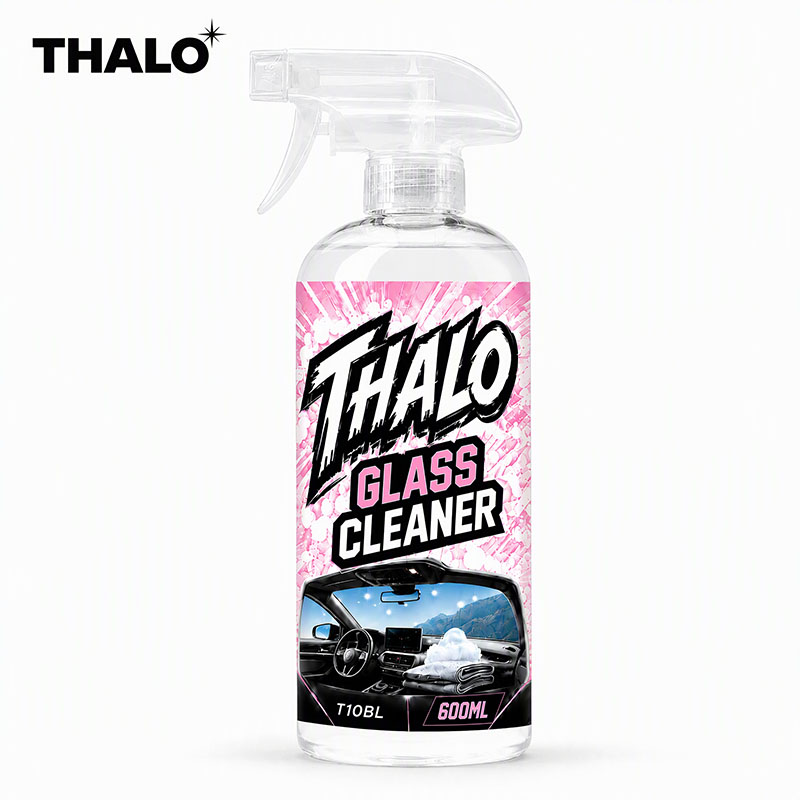
 Glass wiping solutionA clean view can change the feeling of every drive.
Dust, fingerprints and water marks can quickly build up on everyday car glass, making routine vehicle care feel like another chore. THALO Glass Cleaner Spray keeps the process simple: spray evenly, wipe with a cloth and refresh the look of your windshield, windows and mirrors.
The 600ml trigger bottle is easy to handle and fits naturally into a regular car-care routine at home, in the garage or before heading out. With its bold THALO design and practical spray format, it is a useful choice for drivers, detailing retailers and automotive-care collections.
Keep THALO nearby whenever your car glass needs a quick everyday refresh.
Can't find what you're looking for ?
Leave a Message we will call you back quickly!
Professional Service
Interested? Leave your contact details.
Search Starts Here

