


News
Choosing the best car fragrance in China means balancing scent performance, seasonal suitability, and cost efficiency. For procurement teams and financial decision-makers, comparing spray and gel formats is essential to finding the best car fragrance for summer while ensuring stable supply and competitive pricing. Backed by a growing manufacturing base in Linyi, this guide helps you evaluate practical options for long-term business value.
Why does format choice matter so much in car fragrance procurement?
In the daily chemical products industry, the difference between spray and gel is not only about fragrance style. It affects storage behavior, transportation planning, customer usage frequency, and complaint risk across different climates. For buyers sourcing in China, especially for automotive accessory channels, retail programs, fleet supply, or promotional bundles, selecting the right format can influence reorder cycles over 30–90 days and shape the total cost per unit sold.
Financial approvers usually focus on three practical questions: what is the unit economics, what is the shelf and transit stability, and what is the risk of mismatch between product and season. Procurement teams add another layer: scent consistency between batches, packaging flexibility, and lead time predictability. In hot months, a product that performs well at 10℃–25℃ may not behave the same way when containers or vehicles are exposed to 30℃–45℃ conditions.
China remains an important sourcing base because manufacturers can support small trial orders, mid-volume replenishment, and customized packaging under one supply system. This matters when buyers want to compare 2–3 scent families, 2 packaging types, and multiple price bands before making a larger purchasing decision. A reliable supplier should be able to support both product screening and commercial planning, not just offer a fragrance formula.
The manufacturing background also matters. With development starting in 2015, expansion from a 400 square meter base to a 50,000 scale industrial park footprint in the same year, the acquisition of Guangzhou Xiangperti Industrial Development Co., Ltd. in 2018, channel growth in 2019, and additional factory capacity in 2020 and 2021, the company now operates from Linyi, Shandong with more than 160 employees. For B2B buyers, this history signals broader production organization and stronger supply continuity rather than a short-term workshop model.
- Format choice affects evaporation speed, leakage risk, and user perception during 1–3 months of typical use.
- Seasonal fit is critical because summer heat can amplify scent release while winter can reduce diffusion.
- Budget review should include not just ex-factory price, but packaging, freight, defect risk, and replenishment frequency.
Spray or gel: which car fragrance format fits your channel better?
When people search for the best car fragrance in China, they often expect a direct answer. In procurement reality, there is no single answer for every channel. Spray is generally preferred where fast scent refresh, flexible usage, and strong first impression are important. Gel is often chosen where controlled release, simple placement, and lower user effort matter more. The right decision depends on whether your customers care more about instant fragrance impact or passive, steady scenting.
For summer-focused programs, spray can solve short-term odor issues quickly after smoking, food delivery, pet transport, or ride-hailing use. However, because the user controls spray frequency, consumption can vary widely. Gel is easier for standard retail positioning because the product sits in the vehicle and releases fragrance gradually, but performance can fluctuate if exposed to direct sunlight for extended periods or if the car interior remains sealed for many hours.
The table below helps buyers compare spray and gel using practical sourcing criteria rather than only consumer marketing language. It is especially useful when shortlisting the best car fragrance for summer campaigns, automotive gift packs, or e-commerce private label launches.
The comparison shows that spray is often stronger for experiential selling, while gel is more stable for routine consumer habits. Buyers serving supermarket, convenience retail, or budget-sensitive channels often favor gel for simpler usage. Buyers serving detailing stores, mobility fleets, or premium gift bundles may prefer spray because it creates a stronger sensory result within seconds rather than days.
How should procurement teams interpret “best” in practical terms?
The best car fragrance is not only the one with the strongest scent. In B2B buying, “best” usually means the format that can maintain stable sell-through, low return rates, and acceptable replenishment intervals. A fragrance product that looks attractive in a sample review may still fail commercially if packaging loss rises during transit, if fragrance is too intense for family users, or if repeat purchase drops after the first trial.
A practical scoring method is to compare at least 5 dimensions: scent acceptance, hot-weather stability, packaging integrity, unit landed cost, and reorder confidence. This gives finance and sourcing teams a common language for approval. Instead of debating perfume style alone, they can review risk and margin impact side by side across a 2-stage sampling and order process.
This approach is especially useful in China sourcing, where product options are abundant and price spread can be wide. A small difference in packaging material, valve quality, or gel base can change complaint rates later. That is why structured evaluation usually saves more money than simply choosing the lowest quotation in the first round.
What should buyers check for summer performance, scent quality, and product safety?
Summer performance is one of the most overlooked points when choosing the best car fragrance for summer. In a parked vehicle, interior heat can build quickly, and this changes evaporation speed and scent intensity. A fragrance that feels light in an office sample room may become overpowering inside a closed car. Buyers should therefore request evaluation under at least 2 temperature ranges, such as normal room conditions and elevated hot-weather simulation conditions.
Scent quality should be assessed beyond first smell. Ask how the fragrance develops over time: initial burst, mid-phase stability, and end-of-life behavior. Many consumer complaints occur not because the scent disappears too fast, but because it changes character after repeated use or after 2–4 weeks in heat. For family-oriented channels, soft and natural fragrance profiles often outperform overly aggressive perfume styles, especially in compact vehicles with limited air volume.
Product safety also matters in the daily chemical category. Buyers should discuss ingredient positioning, packaging suitability for intended use, and whether the product communication avoids unrealistic claims. For example, some vehicle fragrance lines are better positioned as comfort and odor-management products rather than exaggerated wellness solutions. Responsible claim design reduces legal and customer service risk across marketplaces and offline retail channels.
In adjacent fragrance applications, diffuser-style solutions can also be relevant for automotive gift combinations or premium car care sets. One example is Fanghua reed diffuser, developed with a 120ml capacity, long-lasting fragrance, selected plant extracts, and a design focused on quick scent diffusion. While reed diffuser formats are more commonly used in enclosed personal or living spaces than direct in-car dashboard placement, this kind of product information helps procurement teams compare fragrance longevity, scent softness, and packaging value across broader daily chemical categories.
Five key checks before approving a car fragrance supplier
Before moving from sampling to order confirmation, buyers should create a clear review list. This is especially important when comparing multiple suppliers across China and trying to secure the best car fragrance without creating hidden downstream costs.
- Check packaging compatibility with high-temperature transit and storage over a typical 15–45 day logistics cycle.
- Review fragrance consistency between samples and pilot production, especially for citrus, floral, and fresh marine profiles.
- Confirm whether the supplier can support small test orders, routine replenishment, and peak season volume expansion.
- Verify labeling, transport documentation needs, and marketplace compliance language for the destination channel.
- Ask about complaint handling workflow, replacement policy, and response time after delivery.
Using these 5 checks helps procurement and finance teams move from subjective fragrance preference to measurable sourcing discipline. That is often the difference between a successful seasonal launch and a costly return cycle.
Typical performance concerns in hot weather
Spray products are often evaluated for nozzle reliability, atomization behavior, and cap sealing. Gel products are usually reviewed for visible texture stability, evaporation pace, and container closure security. If your sales program targets summer, request observations after 7 days, 15 days, and 30 days under practical storage simulation, not only same-day sample testing.
For scent strategy, lighter profiles may create broader user acceptance, while stronger profiles may support faster perceived value. The correct choice depends on whether the product is for family cars, business fleets, detailing services, or promotional bundles. A single fragrance direction rarely fits all 4 segments equally well.
How to compare cost, lead time, and supply stability in China sourcing?
For financial approvers, the important question is not whether spray or gel has a lower unit price. The key is which format delivers a lower total procurement burden after freight, packaging protection, returns, and sales performance are considered. The cheapest quotation can become the most expensive option if it triggers higher defect handling, poor seasonal fit, or weak repeat orders in the first 60 days.
Lead time should be evaluated in layers. Sample confirmation may take 3–7 days for existing formulas, while packaging adaptation and production scheduling can extend the cycle to 2–4 weeks or longer depending on order complexity. During peak seasons, buyers should also ask how fast replenishment can be arranged if demand exceeds plan. This is especially relevant for e-commerce campaigns and automotive accessory distributors who cannot afford stock-out periods.
The table below gives a practical framework for cost review. It helps both procurement personnel and budget approvers compare visible and hidden cost points before they commit to a car fragrance format or supplier.
A disciplined cost review often reveals that supply reliability is just as important as unit price. A supplier with broader operational depth can usually handle sampling, packaging coordination, and replenishment more smoothly. The company’s staged expansion from 2015 to 2021, including a second factory and a home washing and care factory, supports cross-category production experience that can be useful for buyers seeking coordinated daily chemical sourcing rather than a single isolated SKU.
What supply advantages should B2B buyers look for?
A good sourcing partner should not only offer fragrance formulas, but also help reduce procurement friction. That includes sample response speed, production planning clarity, and reasonable support for channel-specific packaging. For example, supermarket channels may prioritize shelf-ready consistency, while e-commerce sellers may need stronger transit protection and clearer visual differentiation between variants.
With more than 160 employees in Linyi, Shandong, a manufacturing system of this scale can better support multi-step coordination across formula preparation, filling, packing, and shipment scheduling. For buyers, that means fewer handoff risks when managing 2–3 fragrance variants or combining car fragrance with other daily chemical products in a broader sourcing portfolio.
Another advantage is channel understanding. Development involving online departments such as Ali, Tmall, and Pinduoduo indicates experience with faster-moving consumer demand and packaging presentation requirements. That kind of operational background can help B2B clients refine item structure, price tiers, and replenishment rhythm.
Which procurement process helps reduce mistakes before bulk ordering?
The fastest way to make a mistake in car fragrance sourcing is to approve a product based only on fragrance preference and initial price. A more effective process uses 4 steps: define the channel, shortlist the format, evaluate performance, and then confirm commercial terms. This reduces the chance of buying a product that smells attractive in a meeting room but fails in real in-car conditions.
Step 1 is channel definition. Identify whether the product is intended for retail shelf sales, auto detailing, online direct-to-consumer bundles, fleet procurement, or promotional gift sets. Each channel has different priorities. Retail may require stronger packaging appearance; fleet use may require simple operation and controlled replacement frequency; e-commerce may demand lower transit breakage risk.
Step 2 is format shortlisting. Compare spray and gel against 3 core indicators: scent delivery style, climate fit, and consumer usage pattern. For example, if the target is the best car fragrance for summer ride-hailing environments, spray may be shortlisted first. If the target is budget-led supermarket distribution, gel may be the practical opening option.
Step 3 is validation. Test at least 2 scent directions and 1–2 packaging structures under realistic storage and handling conditions. Step 4 is commercial confirmation, including lead time, replenishment flexibility, labeling details, and after-sales handling. This sequence keeps procurement and finance aligned before bulk production begins.
Suggested decision matrix for procurement and finance teams
The matrix below can be used during internal review meetings to compare suppliers or product formats. It is simple enough for fast approval and detailed enough to reduce subjective decisions.
This type of matrix is especially effective when several stakeholders participate in approval. It converts fragrance sourcing into a business case with clear review logic rather than a subjective style discussion.
Common mistakes that increase procurement risk
One common error is choosing only by opening price and not by full delivery cost. Another is testing in air-conditioned rooms only, without considering actual summer vehicle conditions. A third mistake is ignoring channel fit: the best car fragrance in China for a premium detailing service may not work for mass retail or budget fleet use.
Some buyers also underestimate the value of supplier development history. A factory that has scaled through multiple stages, added production capability, and built multi-channel operating experience is generally better positioned to handle production coordination and order follow-up than a supplier with only limited single-site capacity.
FAQ and next step: how can you select the best car fragrance in China with more confidence?
Is spray always the best car fragrance for summer?
Not always. Spray often performs better when users want immediate odor refresh and active control, but it is not automatically the best choice for every summer program. If your channel values simple placement, passive fragrance release, and low-maintenance use, gel may still be more commercially suitable. The decision should reflect target users, climate exposure, and expected reorder cycle rather than a single trend.
How many fragrance variants should be tested before a first order?
A practical starting point is 2–3 fragrance variants across different scent families, such as fresh, floral, or citrus-oriented directions. This gives enough range to assess market fit without overcomplicating evaluation. If the product is intended for family-oriented vehicles or broad retail channels, softer and more natural profiles usually deserve priority in first-round testing.
What lead time should buyers plan for?
For existing options, sample preparation may fall within 3–7 days. Production and packing for confirmed orders commonly require 2–4 weeks, depending on quantity, packaging complexity, and season. Buyers should always add buffer time for artwork confirmation, transport scheduling, and possible peak-period congestion.
What should finance teams ask before approving a supplier?
Finance teams should ask for a clear breakdown covering unit cost, packaging assumptions, possible transit protection upgrades, replenishment conditions, and complaint handling expectations. They should also review whether the chosen format aligns with the intended sales channel, because a mismatch often creates hidden cost through slow turnover or higher returns.
Why choose us for car fragrance sourcing in China?
Our advantage is not limited to product supply. We offer a manufacturing background built step by step since 2015, expanded facilities including additional factory capacity in 2020 and 2021, and operational depth from Linyi, Shandong with more than 160 employees. This supports more stable coordination across development, filling, packing, and delivery for daily chemical products.
If you are comparing spray and gel for the best car fragrance in China, you can contact us for practical support on 6 key areas: scent and format selection, sample planning, packaging confirmation, summer suitability discussion, delivery cycle estimation, and quotation communication. If you also need to compare related fragrance items such as premium diffuser-style products, we can help align product positioning with your channel and budget goals.
The most efficient next step is to share your target market, expected order volume, preferred scent direction, packaging requirements, and timeline. Based on that, we can discuss suitable options, sample support, customization scope, and supply planning with a procurement-focused and finance-friendly approach.
Related Products
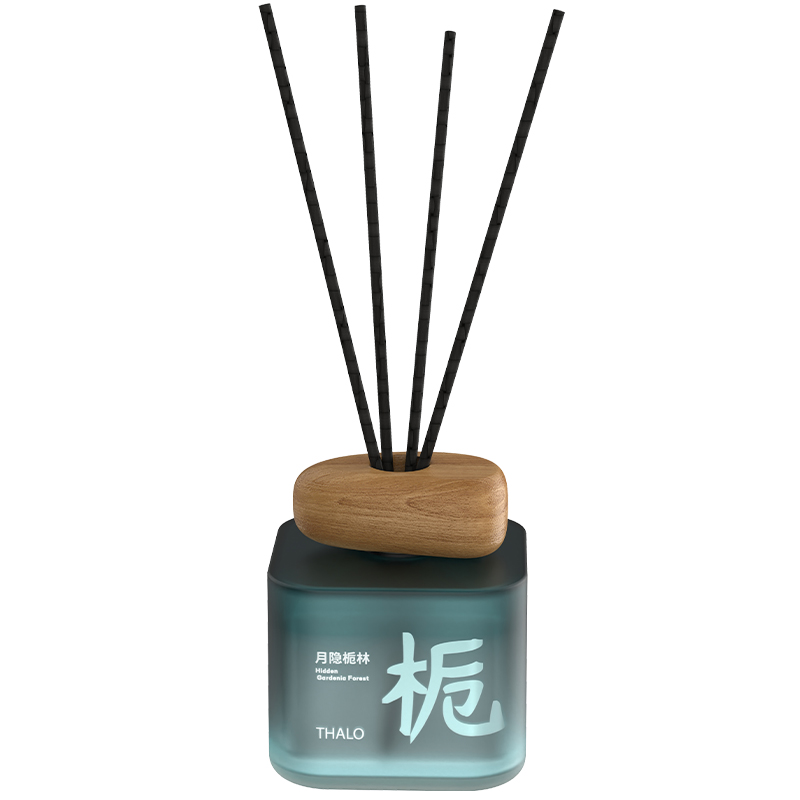
 ZHICHUNLet Nature Fill Your Space With Fragrance,Turn an ordinary room into a peaceful fragrance retreat. Thalo “Spring Awakening” Reed Diffuser brings the beauty of Oriental-inspired scents into everyday life, creating a warm and elegant atmosphere without flame, smoke or electricity.
Inspired by nature, the 180ml Home Fragrance Collection features three distinctive scents: Moonlit Gardenia Forest, Wumu Gradually Becomes Spring, and Green Tea Reflection Spring. Each fragrance unfolds gently through high-density reed sticks, filling your space with a continuous and refined aroma.
The frosted glass bottle, wood-inspired cap and minimalist design add a sophisticated decorative touch to any interior. Perfect for bedrooms, living rooms, bathrooms, offices, boutiques and hotels, this Natural Reed Diffuser creates a relaxing fragrance experience while helping refresh indoor air.
Bring a touch of spring, nature and tranquility into every moment with Thalo. XiaoxiangyuTitle: The Car Air Freshener That Keeps Every Mile Fresh
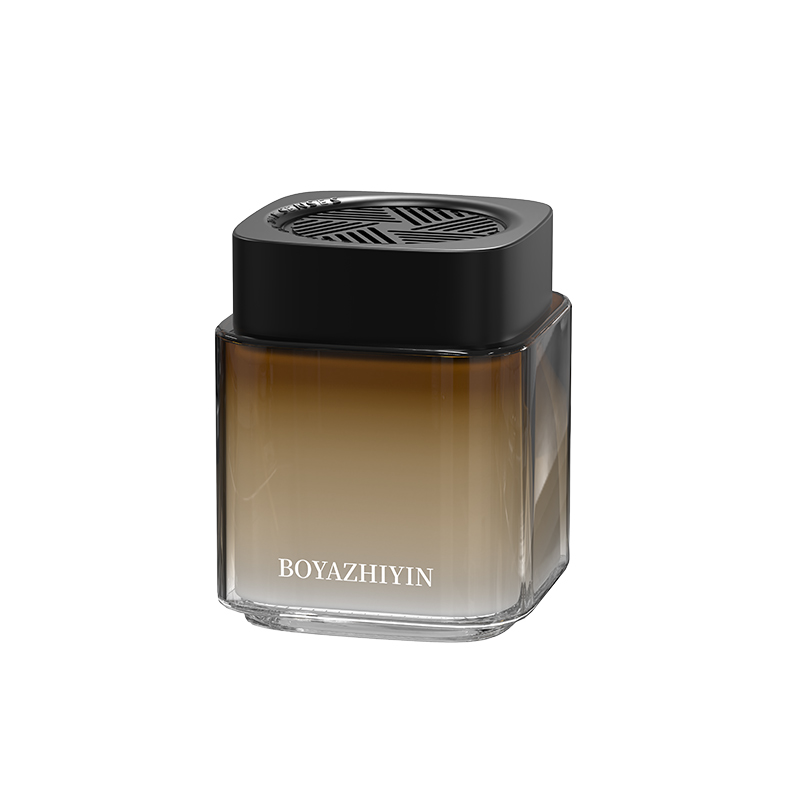
Every drive deserves a fresh, calming atmosphere. The BOYAZHIYIN car air freshener turns your car into a private sanctuary of natural scent. Crafted specifically for small spaces, this long lasting car air freshener delivers pure botanical fragrance without the dizzying intensity of ordinary car perfumes. Our solid gel formula releases scent steadily for weeks, keeping your cabin inviting from the first mile to the last. Each glass jar is built to impress, with a crystal-clear body and a striped diffusion lid that spreads fragrance evenly through every corner. Choose from four refined scents: Oud Rose, Wild Cologne, Dew Gardenia, or High Mountain White Tea. Made with plant essential oils, it is a natural car air freshener you can trust every single day. Breathe easier, drive happier, and enjoy a car that always smells as good as it looks. Ling FengTurn Every Drive Into a Fragrance Ritual
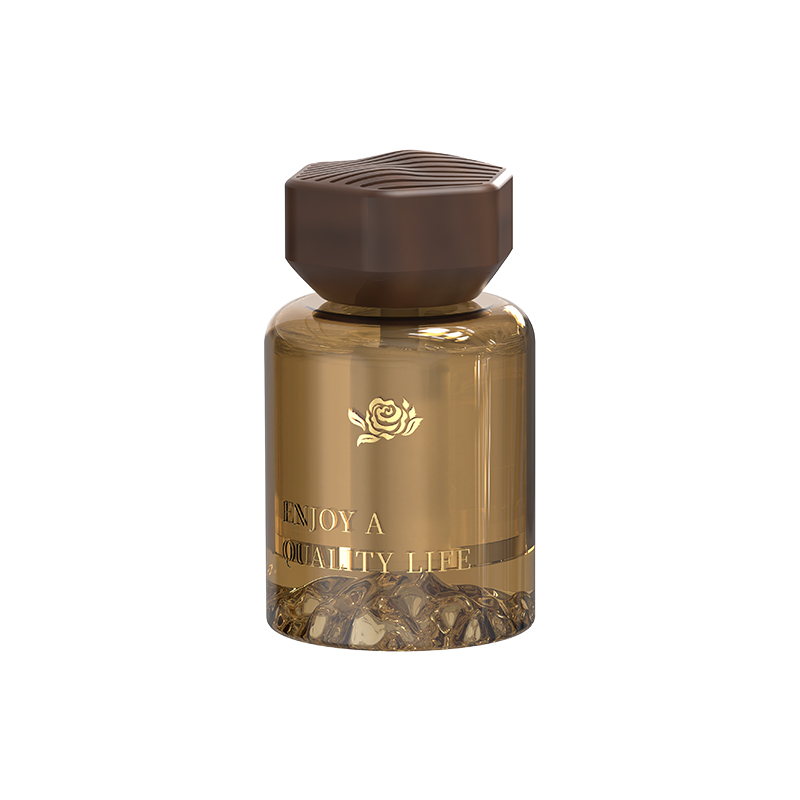
Step into your car and let a refined fragrance transform the atmosphere instantly. Designed for those who appreciate elegance in every detail, this premium car fragrance combines a sophisticated bottle design with high-quality fragrance oils to make every journey more enjoyable.
With 24-hour long-lasting diffusion and a 360° fragrance experience, the scent spreads evenly throughout your car without feeling overpowering. The oil-based formula helps maintain a smooth and consistent aroma, while perfume-grade fragrance creates a more layered and elegant scent experience.
From the fresh and delicate character of Misty Longjing to the deeper, sophisticated notes of Classic Cologne, every fragrance tells its own story. Black KnightA Fragrance That Turns Any Space Into a Memory
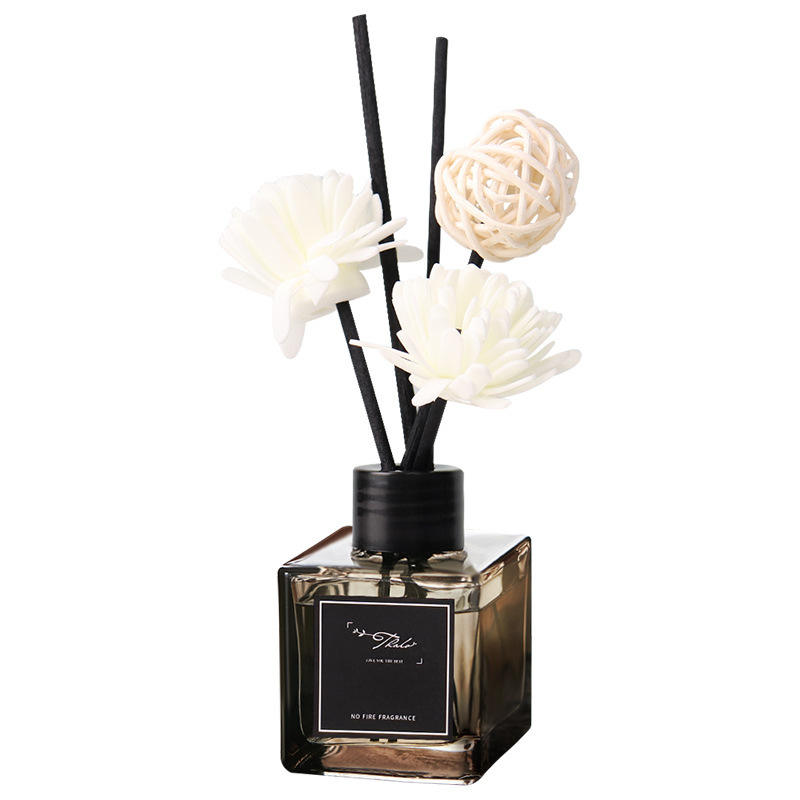
Bring nature indoors with Thalo Botanical Reed Diffuser, a premium home fragrance designed to transform everyday spaces into moments of calm. Crafted with botanical-inspired ingredients and imported fragrance oils, it releases an elegant, long-lasting aroma without flame or smoke.
The 50ml reed diffuser combines a deep brown bottle with high-density fiber reeds and handmade botanical dried flowers, creating both a beautiful decorative piece and an effective air freshener. From peaceful bedrooms to sophisticated living rooms, boutiques, hotels, exhibitions and special events, it adds a refined fragrance wherever you place it.
Choose a scent, place the diffuser, and let the fragrance unfold naturally.
Thalo — bringing the beauty of nature into every memorable moment.
Can't find what you're looking for ?
Leave a Message we will call you back quickly!
Professional Service
Interested? Leave your contact details.
Search Starts Here

