


News
In 2026, the car air fresheners that actually sell are not simply the ones with the strongest scent. For buyers, distributors, and sourcing teams, the winning products are the ones that combine trend-driven fragrance profiles, eye-catching formats, consistent performance, compliant ingredients, and dependable factory execution. In other words, repeat orders come from products that move quickly on shelves, fit local consumer preferences, and can be supplied at stable quality and margin.
For procurement teams, the key question is no longer “Which fragrance is popular?” but “Which product format can sell consistently, avoid complaints, and support private-label growth?” That is where successful 2026 sourcing decisions are being made.
What is the real buying intent behind “Car Air Fresheners: What Actually Sells in 2026?”
Searchers using this keyword usually want practical market guidance, not a basic product overview. They are often trying to answer one or more commercial questions:
- Which car air freshener types are growing fastest in 2026?
- What scent profiles are most likely to generate repeat purchase?
- How should buyers compare vent clips, hanging cards, gel cans, diffusers, and premium liquid styles?
- What packaging and private-label options improve sell-through?
- How can importers and distributors reduce quality risk while maintaining margin?
That means the most valuable article is one that helps readers judge product potential, sourcing fit, and resale performance. General lifestyle advice adds little value here; decision-useful information matters far more.
What buyers and distributors care about most in 2026
For professional buyers in daily chemical products, four concerns dominate purchasing decisions.
1. Will it sell repeatedly, not just once?
A car air freshener may look attractive at launch but fail to generate reorders if the scent fades too quickly, the design feels generic, or the fragrance profile does not match actual consumer expectations. Repeat sales depend on balancing fragrance strength, duration, appearance, and price point.
2. Can the product support margin?
Distributors need formats that leave room for channel markup while remaining competitive in retail and e-commerce. Products that are too basic become price-war items. Products that are too premium without clear differentiation move slowly.
3. Is quality stable across batches?
Complaints about leakage, weak fragrance diffusion, inconsistent filling, damaged packaging, or unstable clips can quickly erase the benefit of a low purchase price. Stable production matters more than promotional claims.
4. Can the factory scale and customize reliably?
Private-label projects, seasonal launches, and regional fragrance adaptations require responsive development and reliable lead times. Buyers increasingly prefer suppliers with real production capacity, organized teams, and multi-factory support rather than trading-only operations.
Which car air freshener formats are actually selling in 2026
Not every format is growing at the same pace. The best-selling categories in 2026 are usually those that combine compact design, modern appearance, and manageable logistics.
Car vent air fresheners remain one of the strongest performers
The car vent air freshener category continues to perform well because it is compact, visible, easy to install, and suitable for both mass retail and branded gift channels. Buyers like it because:
- It fits modern vehicle interiors better than bulky products
- It offers stronger perceived value through visible design
- It works well for fragrance capsule, ceramic, or liquid-based innovation
- It is easier to position as both functional and decorative
For 2026, vent clips with cleaner silhouettes, metallic finishes, minimalist branding, and refillable concepts are especially attractive in mid- to high-end channels.
Hanging paper and fiber fresheners still sell, but mainly on price and convenience
These products remain relevant in high-volume markets, promotional campaigns, and entry-level distribution. However, they are increasingly commoditized. Unless the graphics, fragrance identity, or brand story is distinctive, this format is vulnerable to price competition.
Gel and can formats keep steady demand in value-driven markets
Gel air fresheners still work well where buyers prioritize affordability and longer shelf presence over premium aesthetics. They can move consistently, especially in supermarkets, car accessory stores, and wholesale networks, but they are not usually the strongest format for premium brand building.
Premium liquid and diffuser styles are growing in gift and lifestyle-driven channels
Higher-end car fragrance products are gaining traction where consumers want more elegant packaging and more refined scent storytelling. This is especially true in channels where the line between home fragrance and car fragrance is becoming softer. Buyers looking to build a stronger emotional product story can borrow premium design cues from home fragrance packaging. For example, products inspired by transparent bottles, refined decorative cuts, and upscale fragrance positioning can improve shelf appeal. A reference point for this kind of sensory presentation can be seen in Jingling, which emphasizes diamond-cut visual details and a high-end atmospheric fragrance identity.
What scent trends are driving sales, not just attention
In 2026, scent trends are moving away from overly aggressive fragrance profiles. Consumers increasingly prefer fragrance experiences that feel cleaner, calmer, and more premium.
Best-selling direction: clean, natural, and emotionally comforting
The following profiles are proving more commercially reliable than novelty-heavy concepts:
- Ocean and airy fresh notes
- Citrus blends with soft woody depth
- Tea-inspired fragrances
- Light floral accords
- Soft cologne-style masculine scents
- Amber, musk, and elegant woody combinations for premium lines
What is losing momentum
- Overly sweet candy-style scents in mainstream adult markets
- Harsh chemical-smelling “super strong” formulas
- Generic lemon or pine profiles with no brand distinction
- Novelty fragrances that create first-time curiosity but weak reorder rates
For distributors, the lesson is simple: choose scent collections that fit target demographics and channel identity, not just short-term trend noise. A smaller, well-curated fragrance lineup often performs better than a large but unfocused catalog.
What packaging features help products move faster
Packaging now influences sell-through almost as much as fragrance itself. In crowded retail and online environments, appearance strongly affects conversion.
Design cues that matter in 2026
- Minimalist, premium-looking structures
- Clear differentiation between masculine, neutral, and lifestyle-oriented lines
- Compact packs suitable for e-commerce shipping
- Window boxes or partial transparency to show the actual product
- Refillable or reusable positioning for higher perceived value
- Giftable design for seasonal and promotional channels
Procurement teams should also look at packaging from an operational perspective. Attractive design that leads to high damage rates, slow assembly, or expensive freight can hurt profitability. The best packaging is the one that sells well and travels well.
How buyers should evaluate a supplier before placing larger orders
A product may look marketable, but execution risk often appears after scale-up. That is why distributor and sourcing teams should evaluate supplier strength beyond samples.
Check production capability, not just sales presentation
A factory with continuous expansion, organized production, and multi-department support is generally better equipped to handle private-label development and volume growth. In this case, the manufacturer behind these product capabilities has expanded significantly since its establishment in 2015, growing from an early small-scale setup to an operation with more than 160 employees in Linyi, Shandong, while also building out additional factory capacity and channel teams over time. For buyers, that kind of development suggests stronger support for large-volume manufacturing, category extension, and ongoing OEM/ODM cooperation.
Ask practical questions before committing
- How consistent is fragrance retention across batches?
- What leakage and packaging drop-test standards are followed?
- Can the supplier support compliance documentation for your market?
- What MOQ applies to private-label orders?
- How fast can artwork, scent adjustment, and packaging revisions be completed?
- What is the lead-time stability during peak seasons?
Prioritize suppliers who understand both product and channel
The strongest manufacturing partners do more than produce units. They understand why a product sells in one market but stalls in another. That is particularly important when developing a differentiated car fragrance line rather than copying a generic bestseller.
How to choose the right product mix for your market
For most importers, wholesalers, and regional distributors, the smartest strategy is not to bet on one format only. A structured product mix usually performs better.
Recommended sourcing structure
- Entry volume line: affordable hanging or gel formats for price-sensitive channels
- Mainstream growth line: car vent air fresheners with trend-right scents and modern packaging
- Premium differentiation line: refined liquid or designer-inspired fragrance products for gift, boutique, or upgraded retail channels
This layered approach helps buyers cover wider channel demand without overexposing themselves to one price tier. It also makes private-label brand building easier because each line serves a clear commercial purpose.
What will actually win in 2026
The car air fresheners that actually sell in 2026 are the ones that combine four strengths: relevant fragrance trends, attractive and channel-appropriate packaging, stable product quality, and reliable factory support. For procurement professionals and distributors, success comes from selecting products that do not just attract first orders, but continue generating repeat demand.
If you are evaluating your next car fragrance range, focus less on broad catalog size and more on sell-through logic. The right format, scent direction, and supplier capability will do far more for your business than chasing low prices alone. In 2026, the best-selling products are not simply fragrant—they are commercially well-designed.
Related Products
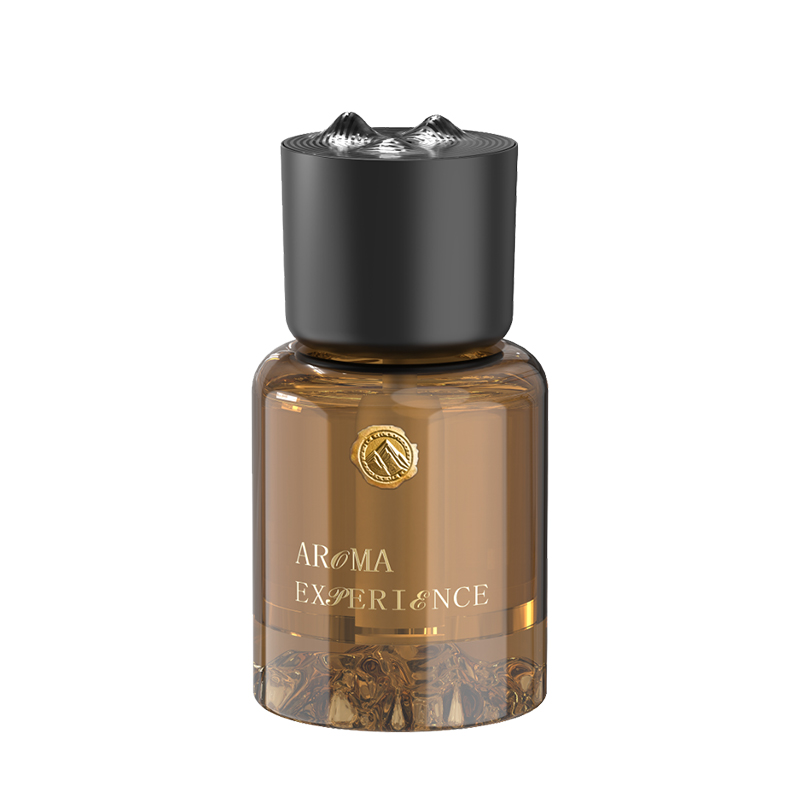
 lingwuImagine opening the car door and being greeted by a fresh and fragrant scent instead of yesterday's smoke, food, or pet odors. Our intelligent spray car fragrance transforms daily driving into a more comfortable sensory experience. The fashionable liquid fragrance bottle and delicate spray design can be evenly spread to all parts of the car, while setting off the elegant style of the cabin. Whether it's commuting, travel, fleet management, or retail display, this car fragrance can add exquisite embellishments. Its high-end appearance is also suitable for automotive parts stores, lifestyle retailers, promotional gifts, and private label projects.
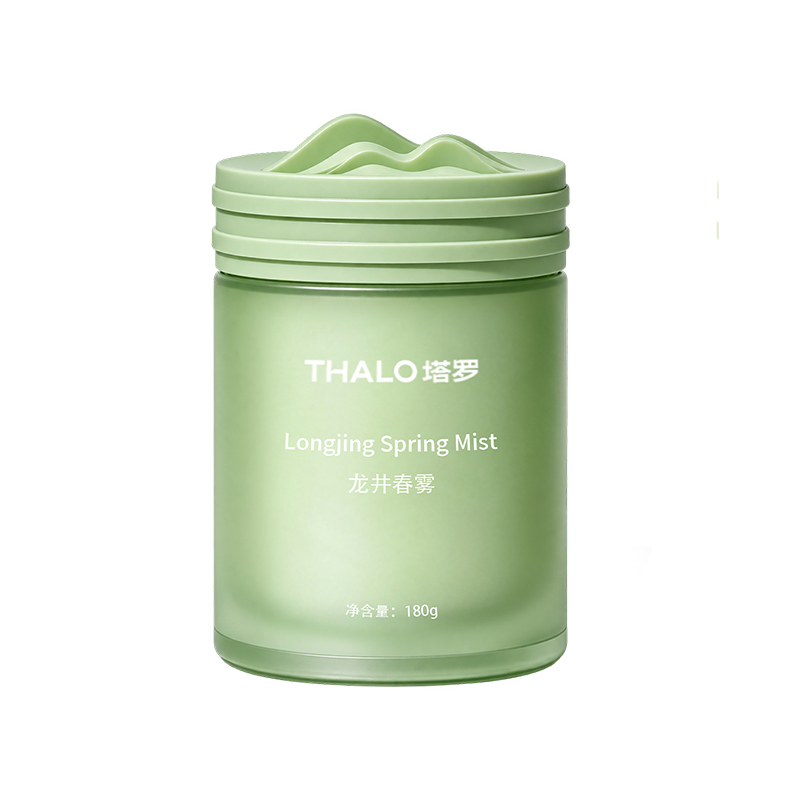
 QingyanLet every time you get on the car, start with a scent you like. THALO 180g car solid fragrance, integrated into the interior space with a simple and clean canned design, with five colors corresponding to different fragrance choices: pink, blue, yellow, black, and green. No need for complicated operations, placed on the dashboard or central armrest area, it can add a more comfortable atmosphere for daily commuting, long-distance travel, and in car rest. Choose your favorite fragrance to give the familiar cabin a more distinctive and exclusive atmosphere.
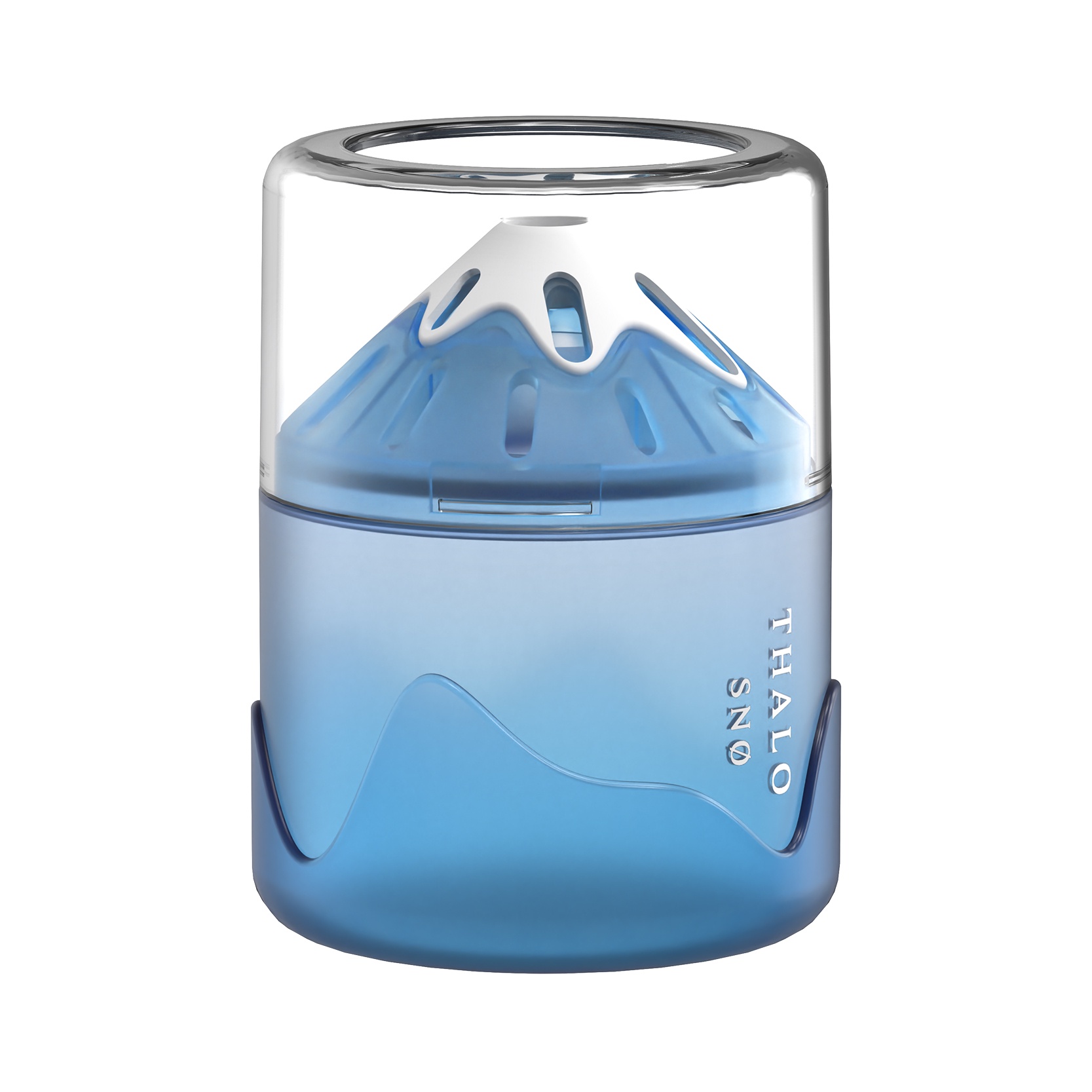
 KONGSHANDon't rush to leave as soon as you get on the car. Make a fresh atmosphere the first stop of every journey. The THALO mountain shaped car fragrance, with its unique mountain peak shape and transparent top cover, is placed in the dashboard or cup holder. It is not only an in car fragrance product, but also an exquisite decoration to enhance the cabin texture. To provide a more comfortable in car experience for daily commuting, weekend travel, and long-distance driving in response to odors and second-hand smoke. Blue, white, and gray colors are available for easy matching with different car interiors.
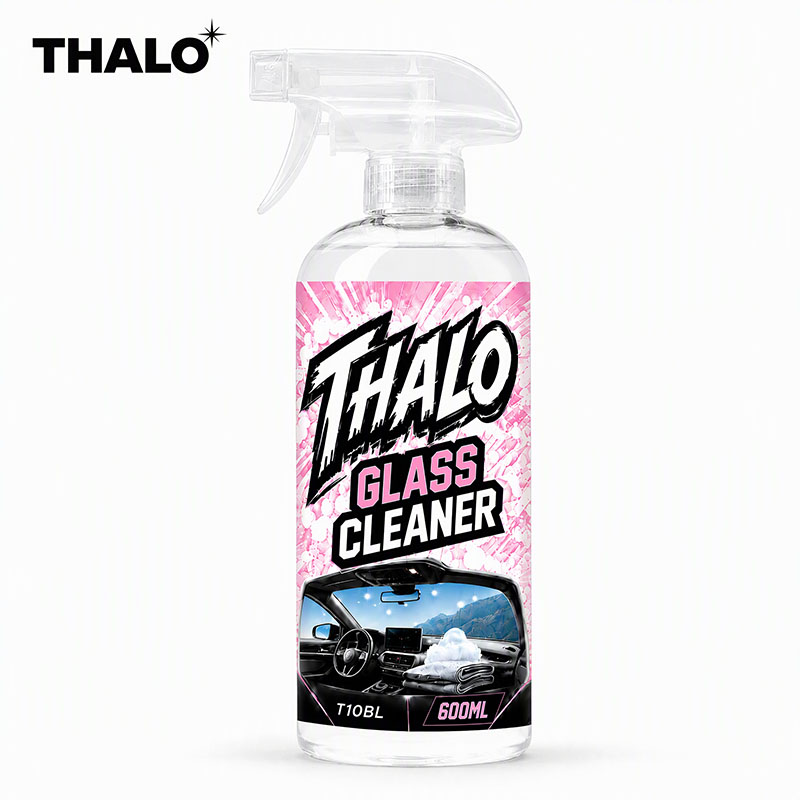
 Glass wiping solutionA clean view can change the feeling of every drive.
Dust, fingerprints and water marks can quickly build up on everyday car glass, making routine vehicle care feel like another chore. THALO Glass Cleaner Spray keeps the process simple: spray evenly, wipe with a cloth and refresh the look of your windshield, windows and mirrors.
The 600ml trigger bottle is easy to handle and fits naturally into a regular car-care routine at home, in the garage or before heading out. With its bold THALO design and practical spray format, it is a useful choice for drivers, detailing retailers and automotive-care collections.
Keep THALO nearby whenever your car glass needs a quick everyday refresh.
Can't find what you're looking for ?
Leave a Message we will call you back quickly!
Professional Service
Interested? Leave your contact details.
Search Starts Here

