


News
For premium retail buyers, the best car air fresheners are usually the ones that combine refined scent performance, premium-looking packaging, stable supply capability, and clean compliance documentation. In other words, a product fits premium retail not simply because it smells good, but because it supports stronger shelf presentation, better repeat purchase potential, and fewer sourcing risks for distributors and procurement teams. This guide looks at which car air freshener formats and supplier capabilities are most suitable for premium positioning.
What Is the Real Buying Intent Behind This Category?
Buyers searching for “Which Car Air Fresheners Fit Premium Retail Better?” are typically not looking for a basic product list. Their real intent is to identify which types of car air fresheners can perform well in premium channels such as boutique automotive stores, lifestyle retail, gift-oriented shelves, department-store-style beauty sections, and higher-end distributor portfolios.
For procurement teams, distributors, and agents, the key question is practical: which products are more likely to justify a higher retail price while remaining reliable in quality, packaging consistency, and replenishment? That means the evaluation standard should go beyond fragrance alone and include commercial viability.
What Premium Retail Buyers Care About Most
In this segment, target readers usually focus on five issues first:
- Scent quality and diffusion stability: Does the fragrance feel refined, clean, and long-lasting rather than harsh or overly chemical?
- Packaging appeal: Can the product look premium enough to support a higher shelf price and impulse gifting?
- Product format suitability: Is it better for modern car interiors and compatible with current retail trends?
- Supply reliability: Can the supplier handle repeat orders, private label needs, and channel expansion without instability?
- Margin and channel fit: Will the product support distributor profitability without becoming too niche or too generic?
These concerns matter more than broad lifestyle storytelling. Buyers need confidence that a product can sell, scale, and maintain premium perception after listing.
Which Car Air Freshener Formats Usually Fit Premium Retail Better?
Not all car air freshener formats are equally suitable for premium retail. Some product types naturally communicate higher value.
1. Car vent air fresheners
Car vent air freshener products often fit premium retail well because they align with modern automotive interiors. They are compact, visible, and easy to merchandise. A clean vent clip design with elegant fragrance naming can raise perceived value significantly.
2. Decorative aroma clips and sculptural designs
Design-forward products work especially well in gift-oriented and lifestyle retail. Premium customers often respond to products that combine fragrance and visual personality. This is where creative concepts can stand out, especially when the design feels polished rather than novelty-driven.
3. Refillable or capsule-style systems
These formats may suit premium channels because they suggest sustainability, systemized usage, and repeat purchase opportunities. For distributors, refill logic can also support stronger long-term account value.
4. Gel, hanging card, or low-cost paper fresheners
These can still sell in volume channels, but they are usually less ideal for premium positioning unless upgraded through scent sophistication, premium materials, or exceptional brand presentation. In many cases, they are perceived as more mass-market.
For many buyers, the best premium-retail choice is a car vent air freshener or a compact decorative clip product that combines fragrance, design, and easy display.
How Scent Profile Influences Premium Perception
Fragrance is the core of repeat purchase. In premium retail, buyers should prioritize scent profiles that feel layered, clean, and emotionally appealing, rather than loud or overly sweet. Premium-positioned car fragrance products often perform better when they borrow cues from fine fragrance, soft florals, fresh linen styles, woody amber notes, or elegant botanical directions.
This does not mean every product needs to imitate perfume branding. It means the olfactory impression should feel intentional and refined. Names, scent descriptions, and color choices should also support this perception.
For example, fragrance themes such as “gentle kiss of dawn,” “romantic encounter with a garden,” or “elegant breeze of gardenia” can support premium storytelling when paired with tasteful packaging and consistent performance. Buyers should ask not just what the scent is called, but whether the actual user experience matches the promise.
Why Packaging and Shelf Presence Matter as Much as Fragrance
Premium retail is highly visual. A buyer may accept a slightly higher procurement cost if the product clearly offers better shelf impact and stronger price anchoring. That is why packaging matters so much.
Strong premium packaging usually includes:
- Clean structural design
- Balanced color selection
- Readable but elevated typography
- Minimal clutter on the front panel
- A product shape that feels giftable or collectible
Design details can make a major difference. A playful but refined concept can work if it feels intentional. For example, a product like Cat Claw Cup Pinch Aromatherapy may appeal to premium lifestyle retail if its tactile design, emotional fragrance message, and visual finish are executed in a polished way rather than as a low-end novelty item. That kind of product can be useful for buyers targeting younger urban consumers who want both function and personality in automotive accessories.
How Distributors and Procurement Teams Should Evaluate Supplier Fit
Even an attractive product can fail in premium retail if supply execution is weak. For B2B buyers, supplier capability is often what separates a good listing from a costly sourcing mistake.
Key supplier assessment points include:
- Production scale and continuity: Can the factory support growth and repeat orders?
- Category experience: Does the supplier understand fragrance, washing and care, and consumer product presentation?
- Private label readiness: Can they customize packaging, fragrance direction, and product finish for channel differentiation?
- Operational maturity: Can they manage documentation, timelines, and cross-channel coordination?
- Quality consistency: Are scent strength, material quality, and assembly stable from batch to batch?
For buyers evaluating manufacturers in daily chemical and home care adjacent categories, an established factory background can reduce sourcing concerns. A company that has expanded from a smaller operation into larger industrial production, built multiple departments, and grown to a workforce of over 160 employees may offer stronger confidence in fulfillment capacity and organizational maturity. This matters especially for distributors planning regional rollout or long-term account supply.
What Makes a Product More Suitable for Private Label Premium Retail?
Private label can be very attractive in this category, but only if the base product supports premium positioning. Buyers should look for products that allow meaningful differentiation, not just logo replacement.
The best private-label premium car air fresheners usually offer:
- Custom scent selection or scent naming
- Tailored color and finish options
- Adaptable packaging structure
- Low minimums balanced with scalable production
- Consistent core mold or hardware quality
If the product has a strong emotional and visual hook, it can be especially effective. Features like tactile interaction, decorative styling, and mood-based fragrance communication can help retailers move beyond price competition. That is where differentiated concepts can outperform generic hanging cards.
How to Judge Margin Potential Without Sacrificing Brand Image
Premium retail success depends on more than a high MSRP. Buyers should evaluate whether the product can maintain healthy margins after landed cost, display investment, and channel markup.
Questions worth asking include:
- Does the design justify a premium retail price at first glance?
- Is the fragrance experience strong enough to encourage repeat purchase?
- Will the packaging reduce the need for heavy in-store explanation?
- Can the product work across multiple channels, such as distributors, boutiques, and online premium storefronts?
- Is there a refill, multi-scent, or gift-set opportunity for basket expansion?
In many cases, a moderately higher-cost product with better design and retention performs better commercially than a lower-cost generic item. Premium retail buyers should be careful not to optimize only for unit cost if it reduces sell-through quality.
Common Mistakes When Selecting Premium Car Air Fresheners
Buyers often make avoidable mistakes when entering or upgrading this category:
- Choosing products that look premium in photos but feel ordinary in hand
- Overvaluing fragrance names while ignoring actual diffusion performance
- Selecting designs that are too niche for broader distributor sell-through
- Ignoring refill or replenishment logic for repeat orders
- Working with suppliers that lack stable scaling ability
A premium product should succeed both aesthetically and operationally. If it creates excitement but causes supply problems, the retail advantage disappears quickly.
Final Recommendation for Premium Retail Buyers
For most premium retail environments, the strongest car air freshener choices are design-conscious vent clips and decorative aroma products that combine refined scent profiles, elevated packaging, and dependable supply support. Products should feel premium in three ways at once: fragrance quality, visual presentation, and sourcing reliability.
If you are a procurement manager, distributor, or agent, your best decision framework is simple: prioritize products that can support premium shelf value, repeat purchase behavior, and long-term supply consistency. A concept-driven item with emotional appeal, such as Cat Claw Cup Pinch Aromatherapy, can be a strong fit when backed by polished execution and channel-appropriate branding, but the final choice should always be validated against scent performance, packaging quality, and supplier stability.
In short, the car air fresheners that fit premium retail better are not the cheapest or the most decorative alone. They are the ones that help you sell a more complete value story: better experience, better presentation, and better business outcomes.
Related Products
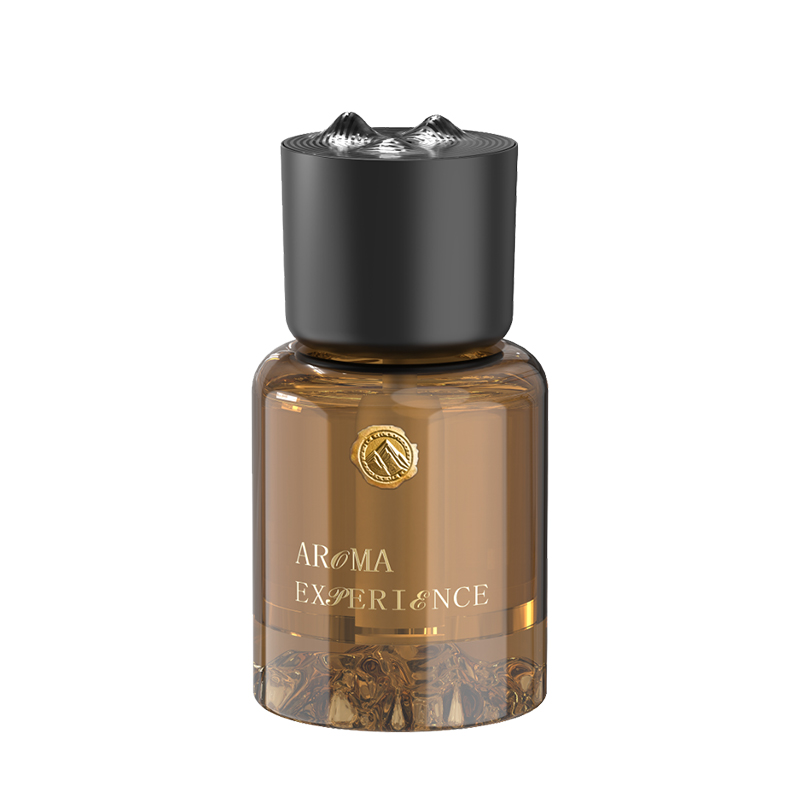
 lingwuImagine opening the car door and being greeted by a fresh and fragrant scent instead of yesterday's smoke, food, or pet odors. Our intelligent spray car fragrance transforms daily driving into a more comfortable sensory experience. The fashionable liquid fragrance bottle and delicate spray design can be evenly spread to all parts of the car, while setting off the elegant style of the cabin. Whether it's commuting, travel, fleet management, or retail display, this car fragrance can add exquisite embellishments. Its high-end appearance is also suitable for automotive parts stores, lifestyle retailers, promotional gifts, and private label projects.
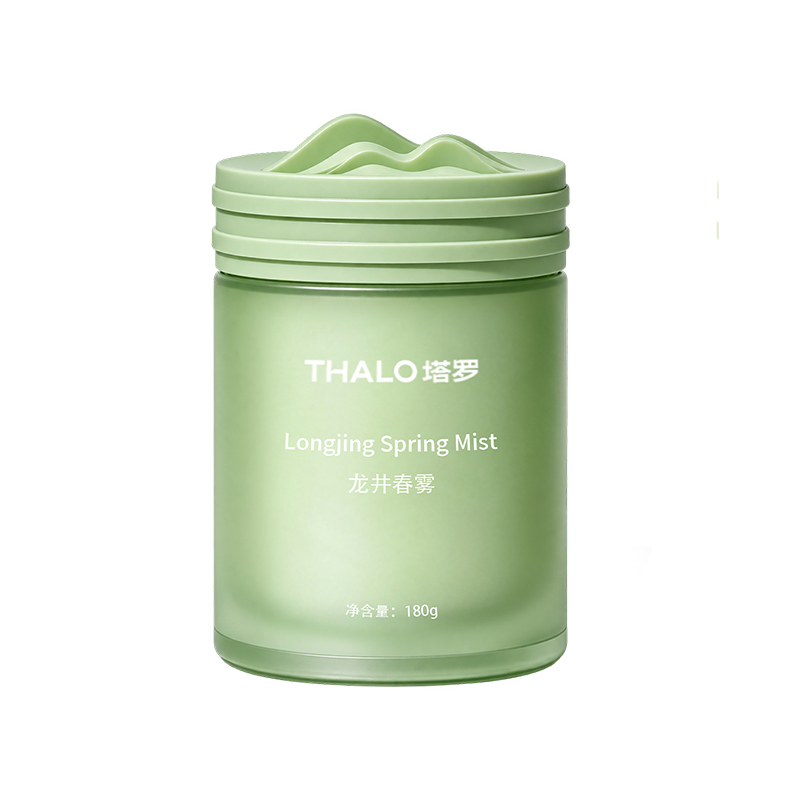
 QingyanLet every time you get on the car, start with a scent you like. THALO 180g car solid fragrance, integrated into the interior space with a simple and clean canned design, with five colors corresponding to different fragrance choices: pink, blue, yellow, black, and green. No need for complicated operations, placed on the dashboard or central armrest area, it can add a more comfortable atmosphere for daily commuting, long-distance travel, and in car rest. Choose your favorite fragrance to give the familiar cabin a more distinctive and exclusive atmosphere.
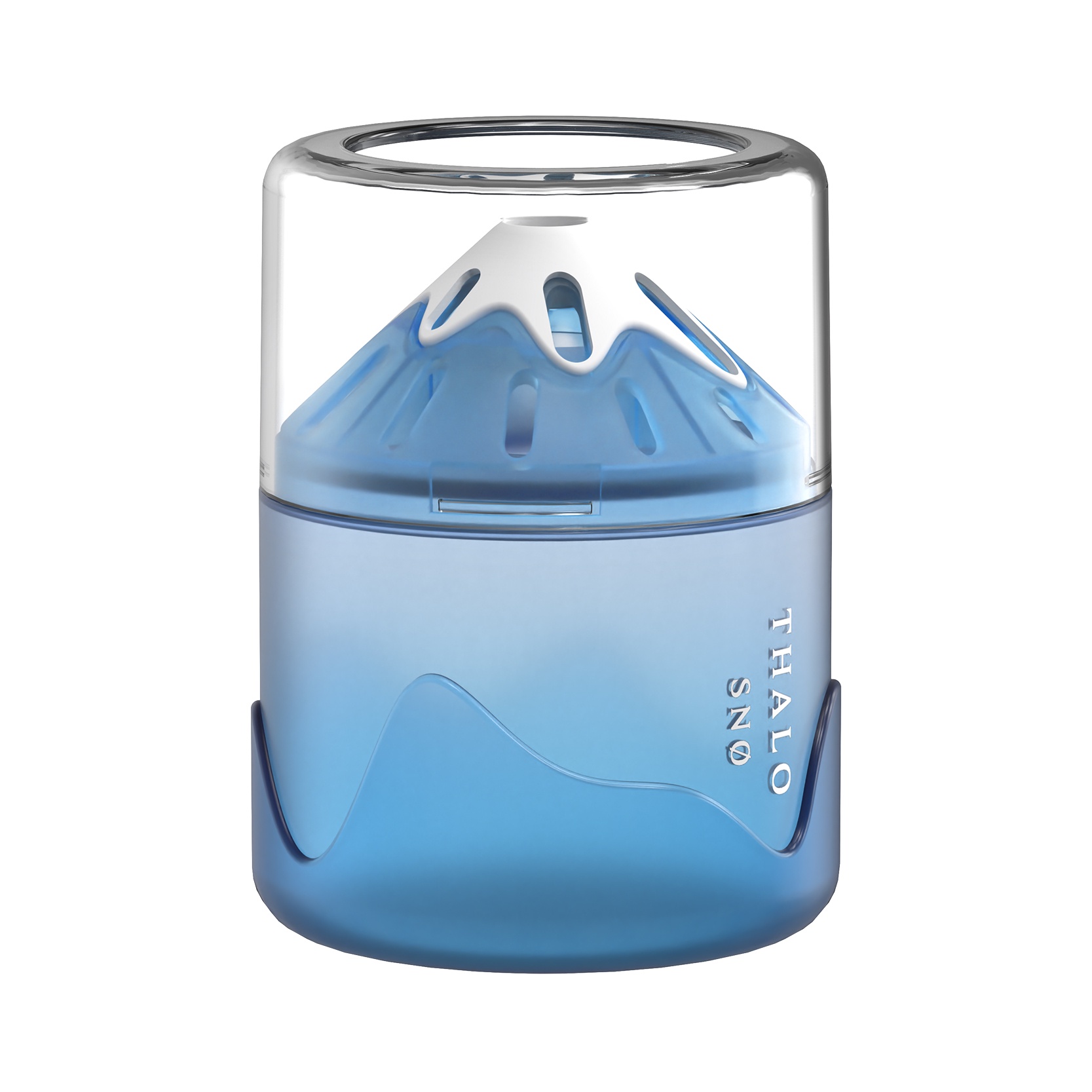
 KONGSHANDon't rush to leave as soon as you get on the car. Make a fresh atmosphere the first stop of every journey. The THALO mountain shaped car fragrance, with its unique mountain peak shape and transparent top cover, is placed in the dashboard or cup holder. It is not only an in car fragrance product, but also an exquisite decoration to enhance the cabin texture. To provide a more comfortable in car experience for daily commuting, weekend travel, and long-distance driving in response to odors and second-hand smoke. Blue, white, and gray colors are available for easy matching with different car interiors.
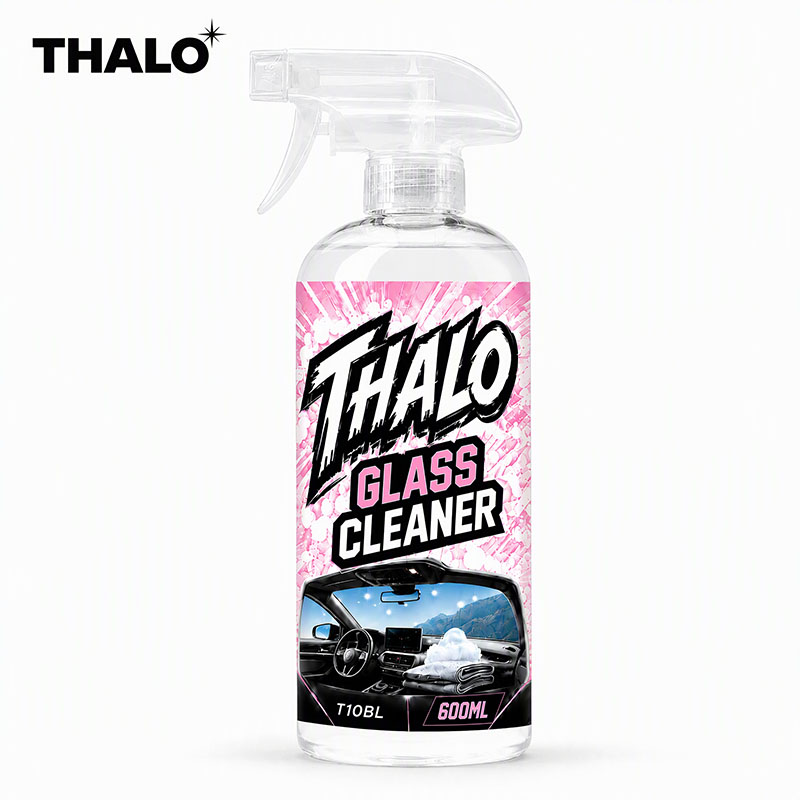
 Glass wiping solutionA clean view can change the feeling of every drive.
Dust, fingerprints and water marks can quickly build up on everyday car glass, making routine vehicle care feel like another chore. THALO Glass Cleaner Spray keeps the process simple: spray evenly, wipe with a cloth and refresh the look of your windshield, windows and mirrors.
The 600ml trigger bottle is easy to handle and fits naturally into a regular car-care routine at home, in the garage or before heading out. With its bold THALO design and practical spray format, it is a useful choice for drivers, detailing retailers and automotive-care collections.
Keep THALO nearby whenever your car glass needs a quick everyday refresh.
Can't find what you're looking for ?
Leave a Message we will call you back quickly!
Professional Service
Interested? Leave your contact details.
Search Starts Here

