


News
Car air fresheners work differently once real driving conditions enter the picture
Choosing car air fresheners sounds simple until actual use cases start to differ.
A compact commuter car, a family SUV, and a ride-share vehicle do not hold odor, airflow, and fragrance in the same way.
That is why vent clips, hanging cards, gels, and cans are not interchangeable, even when the scent names look similar.
In daily chemical products, format matters as much as fragrance oil quality, release speed, and odor-control method.
This practical comparison reflects how automotive fragrance lines have evolved.
With manufacturing expansion from 2015 onward, and broader home and car care development in Linyi, product choices now cover more specific in-car needs.
Why one vehicle setting can favor vent clips while another needs gels or cans
The first variable is airflow.
Vent clip car air fresheners depend on the air-conditioning system to push scent into the cabin.
In warmer regions or long commuting routes, that can create fast, noticeable diffusion.
In mild weather, when vents stay off, the same product may feel weak.
The second variable is odor source.
Food residue, smoke, pet smell, damp mats, and synthetic upholstery each behave differently.
Some car air fresheners mainly add scent.
Others do better when odor absorption or decomposition is part of the formula.
The third variable is replacement habit.
Users who want a quick, low-cost refresh often accept shorter duration.
Those expecting a stable cabin scent usually prefer slower-release formats.
In short daily commutes, convenience usually beats maximum intensity
For cars used mainly for city commuting, vent clips often make sense.
They are easy to install, visually discreet, and work well when the driver regularly uses climate control.
The fragrance feels immediate, which suits people who judge freshness within the first few minutes.
Hanging cards also fit this pattern, especially when low price and simple replacement matter more than longevity.
Still, they are better for light refreshment than for persistent odor problems.
If the cabin already carries smoke or moisture odor, a card may only cover it briefly.
For family vehicles and longer drives, slow release becomes more important
Larger cabins usually need a different balance.
A family SUV often sees snacks, sports gear, child seats, and more frequent door opening.
In that setting, gels and cans often outperform lighter formats.
They release scent more steadily and can continue working even when vents are off.
Cup-holder cans are especially practical because they do not swing, block mirrors, or depend on dashboard vent shape.
A product like Black Gentleman fits this kind of use well.
Its 200g cup holder design saves space, while imported plant extracts support a more natural fragrance impression.
More importantly, the appeal is not only scent strength.
A four step purification method and even fragrance spreading are more relevant when trips are longer and odor buildup is recurring.
High-use vehicles usually expose the real differences between formats
When a vehicle carries multiple passengers each day, the weaknesses of the wrong format appear quickly.
Ride-share and service cars often need car air fresheners that can handle repeated door openings and mixed odors.
Vent clips may smell strong near the dashboard yet fade in the rear seats.
Hanging cards may look economical, but frequent replacement increases maintenance attention.
Gels and cans are usually easier to standardize because release is less dependent on seasonal airflow.
In these scenarios, odor management matters more than a dramatic first impression.
A quick comparison of the common car air fresheners
What people often misjudge when comparing car air fresheners
A common mistake is comparing only fragrance strength on day one.
That favors aggressive top notes, not necessarily better car air fresheners.
Another mistake is ignoring interior heat.
A parked car in summer can accelerate evaporation, changing both duration and scent balance.
There is also a tendency to treat all odor issues as fragrance issues.
If the real problem is trapped odor molecules, masking alone will disappoint over time.
Some newer can-type solutions address this by actively capturing, locking, and decomposing odor molecules instead of covering them.
A more reliable way to choose the right format
- Check whether the car uses air-conditioning frequently.
- Identify if the issue is light staleness or persistent odor.
- Match cabin size with release speed and product capacity.
- Consider replacement cycle, not only purchase price.
- Think about placement safety and interior appearance.
For lightweight fragrance needs, vent clips and cards remain useful car air fresheners.
For broader odor control and stable cabin experience, gels and cans usually offer better long-term fit.
That is especially true when fragrance should feel even, refined, and less dependent on driving conditions.
Final judgment should come from use pattern, not packaging alone
The best car air fresheners are rarely the ones with the loudest scent or the lowest shelf price.
They are the ones that match airflow, odor type, cabin size, and replacement rhythm.
Before narrowing options, map the vehicle’s real usage pattern and note where odor starts, how often it returns, and how visible the product can be.
That simple review usually makes the choice between vent clips, hanging cards, gels, and cans much clearer.
Related Products
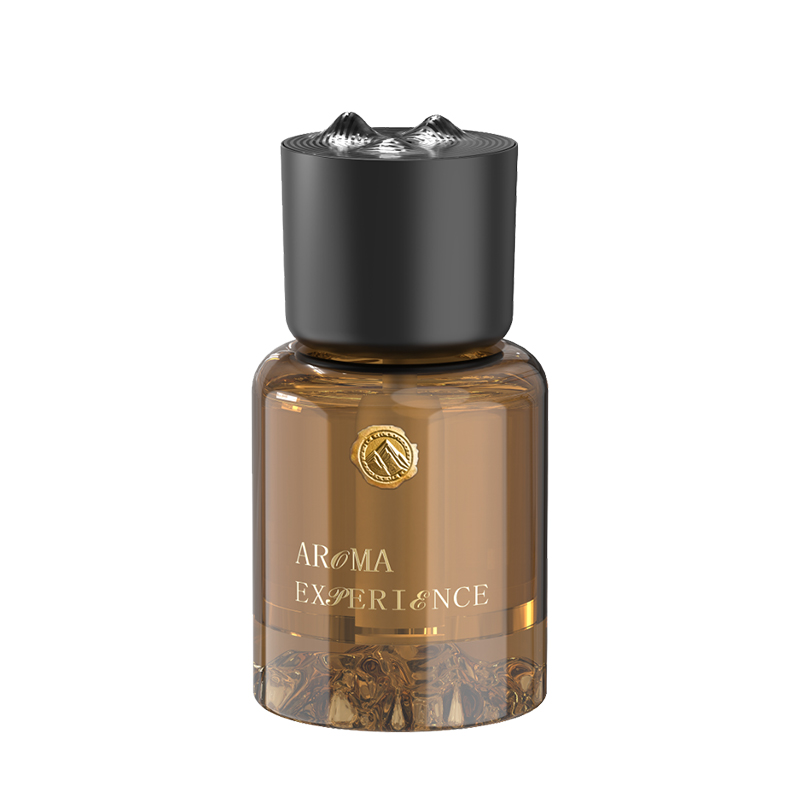
 lingwuImagine opening the car door and being greeted by a fresh and fragrant scent instead of yesterday's smoke, food, or pet odors. Our intelligent spray car fragrance transforms daily driving into a more comfortable sensory experience. The fashionable liquid fragrance bottle and delicate spray design can be evenly spread to all parts of the car, while setting off the elegant style of the cabin. Whether it's commuting, travel, fleet management, or retail display, this car fragrance can add exquisite embellishments. Its high-end appearance is also suitable for automotive parts stores, lifestyle retailers, promotional gifts, and private label projects.
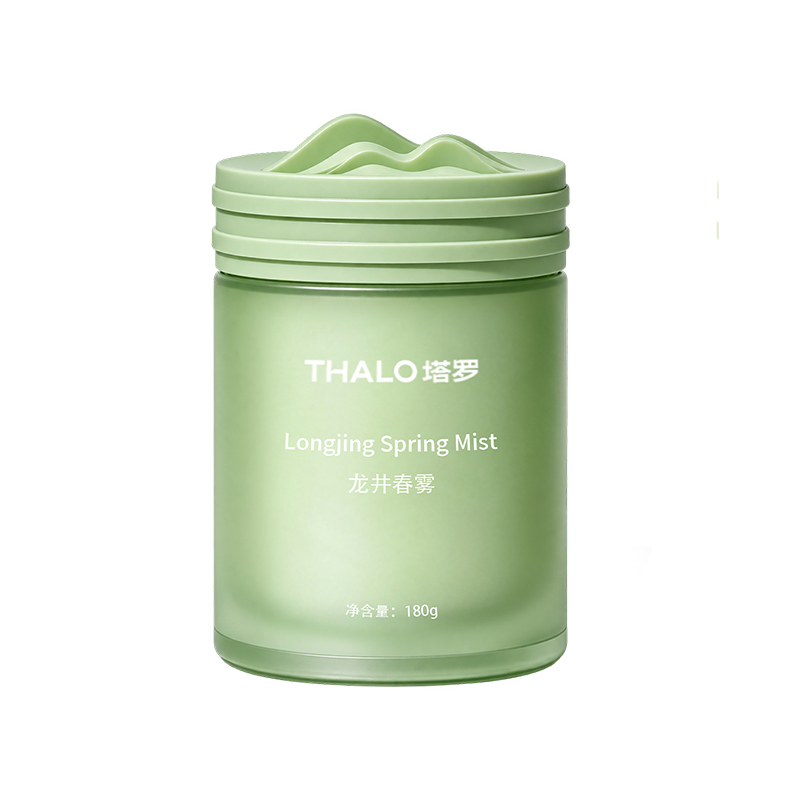
 QingyanLet every time you get on the car, start with a scent you like. THALO 180g car solid fragrance, integrated into the interior space with a simple and clean canned design, with five colors corresponding to different fragrance choices: pink, blue, yellow, black, and green. No need for complicated operations, placed on the dashboard or central armrest area, it can add a more comfortable atmosphere for daily commuting, long-distance travel, and in car rest. Choose your favorite fragrance to give the familiar cabin a more distinctive and exclusive atmosphere.
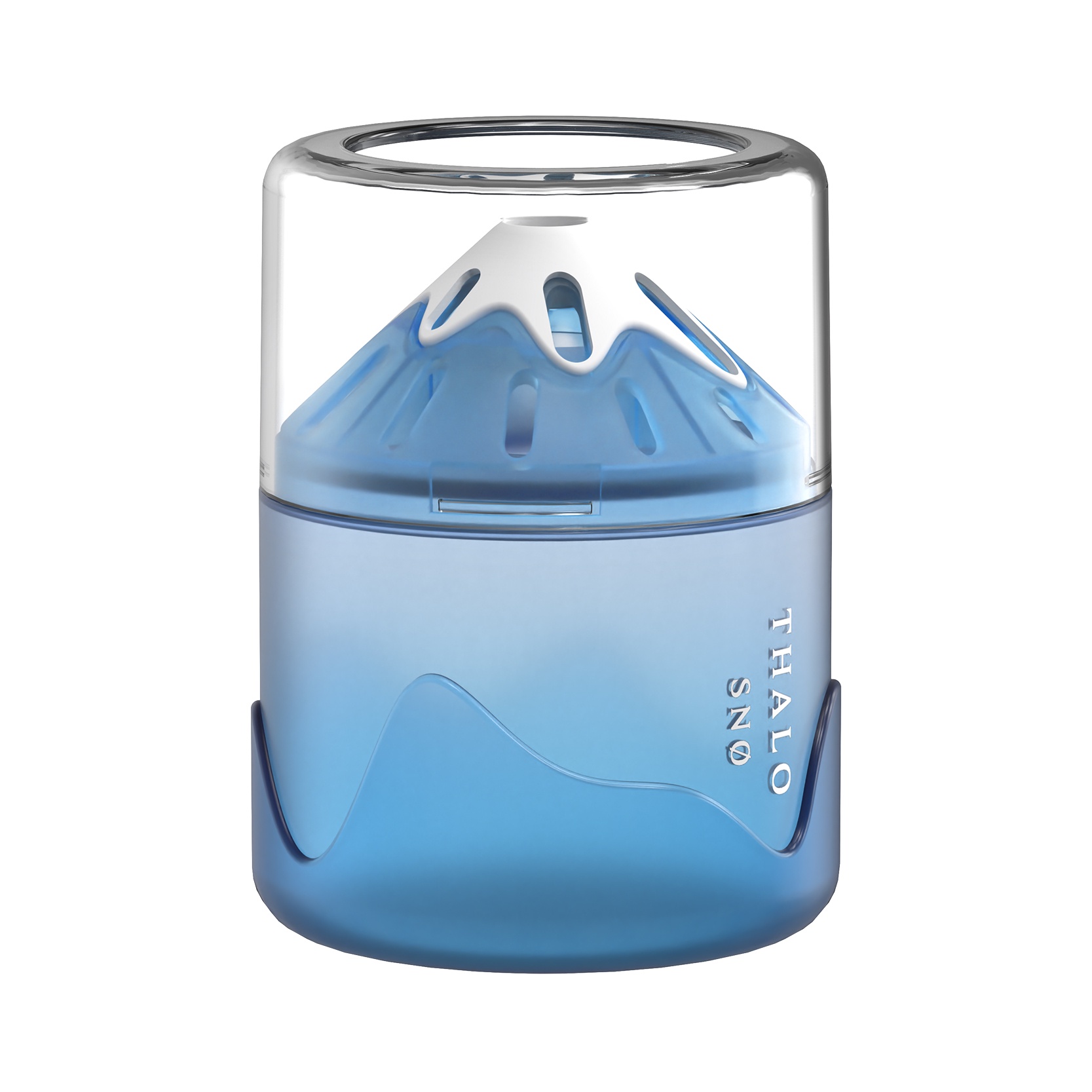
 KONGSHANDon't rush to leave as soon as you get on the car. Make a fresh atmosphere the first stop of every journey. The THALO mountain shaped car fragrance, with its unique mountain peak shape and transparent top cover, is placed in the dashboard or cup holder. It is not only an in car fragrance product, but also an exquisite decoration to enhance the cabin texture. To provide a more comfortable in car experience for daily commuting, weekend travel, and long-distance driving in response to odors and second-hand smoke. Blue, white, and gray colors are available for easy matching with different car interiors.
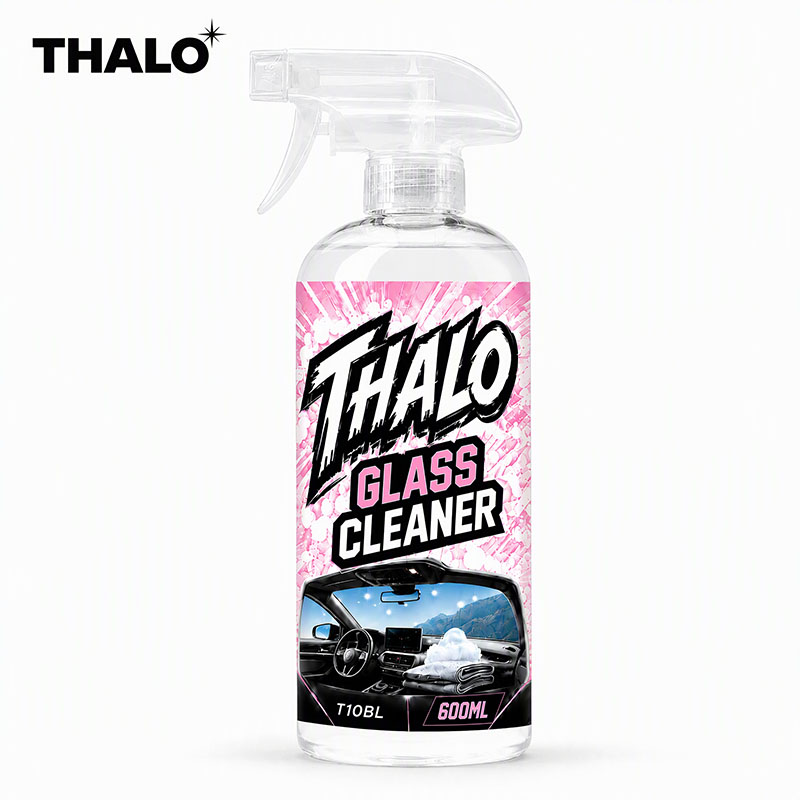
 Glass wiping solutionA clean view can change the feeling of every drive.
Dust, fingerprints and water marks can quickly build up on everyday car glass, making routine vehicle care feel like another chore. THALO Glass Cleaner Spray keeps the process simple: spray evenly, wipe with a cloth and refresh the look of your windshield, windows and mirrors.
The 600ml trigger bottle is easy to handle and fits naturally into a regular car-care routine at home, in the garage or before heading out. With its bold THALO design and practical spray format, it is a useful choice for drivers, detailing retailers and automotive-care collections.
Keep THALO nearby whenever your car glass needs a quick everyday refresh.
Can't find what you're looking for ?
Leave a Message we will call you back quickly!
Professional Service
Interested? Leave your contact details.
Search Starts Here

