


Why choosing car air fresheners has become more personal
Car air fresheners used to be a simple add-on. Pick a scent, hang it up, and move on.
That is changing fast. Daily driving habits now vary more sharply between rideshare use, family travel, and solo commuting.
A fragrance that feels pleasant on a short commute may become tiring during a full day of passenger turnover.
Likewise, a sweet scent that seems cozy for weekend trips may feel heavy in a small car carrying children.
So the better question is no longer which car air fresheners smell best. It is which ones fit real-life use without creating new discomfort.
The strongest options today balance odor control, subtle diffusion, safety expectations, and placement convenience.
Recent demand signals are pointing to smarter scent choices
From recent consumer behavior, one clear shift stands out: people are less impressed by strong fragrance alone.
More attention now goes to how car air fresheners perform over time, especially in enclosed cabins and mixed-use vehicles.
This shift is easy to understand. Cars have become flexible spaces for work, school runs, shopping, and social travel.
That means the interior scent must adapt to changing passengers, food odors, weather, and time spent inside.
- Rideshare drivers need neutral freshness that most passengers will accept.
- Family users often prioritize gentler ingredients and less overpowering diffusion.
- Commuters usually want low-maintenance car air fresheners that stay consistent for weeks.
This is also why format matters more than before. Gel cans, vent clips, solid balms, and cup-holder styles now serve different expectations.
Why this shift is happening in the daily chemical products market
The wider household and personal care industry has been moving toward cleaner, more scenario-based products for years.
Car care is following the same path. People increasingly compare fragrance products the way they compare home washing and care items.
They ask about raw materials, long-lasting performance, visual design, and whether the scent feels natural rather than artificial.
This market direction also reflects maturing production capability. Companies with broader daily chemical experience can respond faster to niche needs.
A business that expanded from early factory operations in 2015 to multiple facilities by 2021, with more than 160 employees in Linyi, shows that scale and category depth now matter.
That kind of growth usually supports better scent development, supply consistency, and more refined packaging for automotive use.
Different driving scenarios need different car air fresheners
For rideshare use, neutrality beats intensity
Passenger turnover changes everything. Coffee, takeout, rain-soaked clothing, and perfumes can stack quickly inside the cabin.
In this case, car air fresheners should focus on clean, balanced odor control rather than dramatic fragrance identity.
Look for scents described as fresh, woody, airy, or lightly herbal. Very sweet or sharp profiles may trigger negative reactions.
For family cars, safety perception matters as much as scent
Family travel adds another filter. Children are often more sensitive to strong fragrance, and adults notice this faster now.
That is why many family buyers prefer car air fresheners with restrained diffusion, cleaner composition, and stable placement.
A compact option like Strolling in the wilderness fits this direction well.
Its 90g format, Swiss imported spices, and space-saving design suit cars where cup holders and door storage need to stay usable.
The appeal is not only fragrance. Products that aim to purify interior air and feel suitable for pregnant and infant families answer a visible market concern.
For commuting, convenience becomes the deciding factor
Daily commuters usually enter the same car at the same times. They notice inconsistency more than novelty.
For this group, the best car air fresheners are easy to place, do not leak, and keep a mild scent through temperature changes.
What to compare before you buy
A quick comparison can prevent common mistakes. The table below shows what usually matters most by usage pattern.
If possible, choose car air fresheners that combine odor purification with steady release instead of a strong first impression.
The small details that often decide satisfaction
Scent family is important, but placement and intensity control often determine whether a product stays in the car.
- Check whether the product fits cup holders, doors, or compact storage areas.
- Avoid overly strong top notes if the car is parked in heat.
- Consider how often you want to replace it.
- Match fragrance style to trip length, not just personal taste.
More refined car air fresheners now reflect this practical thinking. Some offer long-lasting natural fragrance profiles and discreet visual design.
That matters because a car interior is part utility space, part personal environment, and sometimes part service setting.
What to watch next when choosing car air fresheners
The next phase of demand will likely favor products that feel cleaner, look quieter, and perform more predictably across seasons.
Consumers are becoming more selective, not less. They want fragrance to support the driving experience, not dominate it.
That makes car air fresheners a lifestyle fit decision rather than a decorative impulse purchase.
When comparing options, start with your driving pattern, cabin size, and tolerance for scent strength.
Then review format, ingredient positioning, and whether the product can stay cleanly placed during everyday movement.
A well-chosen option should keep the car feeling fresh, calm, and easy to share, whether the trip lasts ten minutes or ten hours.
Related Products
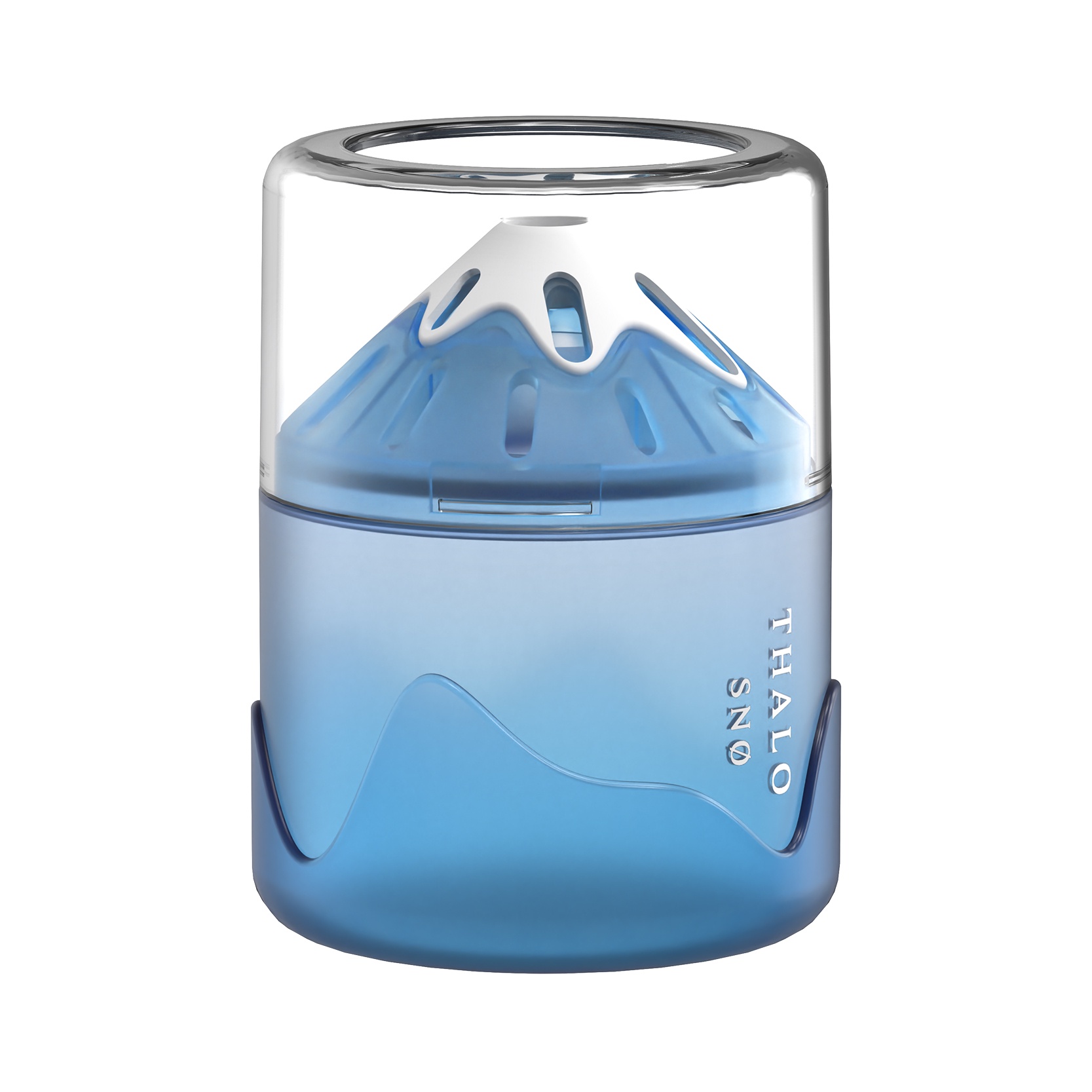
 KONGSHANDon't rush to leave as soon as you get on the car. Make a fresh atmosphere the first stop of every journey. The THALO mountain shaped car fragrance, with its unique mountain peak shape and transparent top cover, is placed in the dashboard or cup holder. It is not only an in car fragrance product, but also an exquisite decoration to enhance the cabin texture. To provide a more comfortable in car experience for daily commuting, weekend travel, and long-distance driving in response to odors and second-hand smoke. Blue, white, and gray colors are available for easy matching with different car interiors.
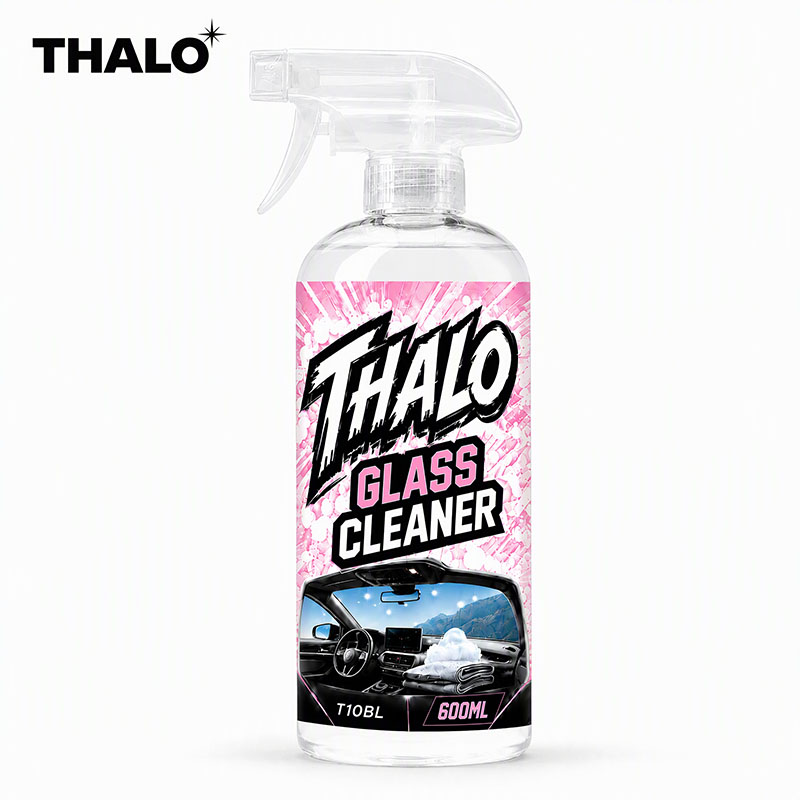
 Glass wiping solutionA clean view can change the feeling of every drive.
Dust, fingerprints and water marks can quickly build up on everyday car glass, making routine vehicle care feel like another chore. THALO Glass Cleaner Spray keeps the process simple: spray evenly, wipe with a cloth and refresh the look of your windshield, windows and mirrors.
The 600ml trigger bottle is easy to handle and fits naturally into a regular car-care routine at home, in the garage or before heading out. With its bold THALO design and practical spray format, it is a useful choice for drivers, detailing retailers and automotive-care collections.
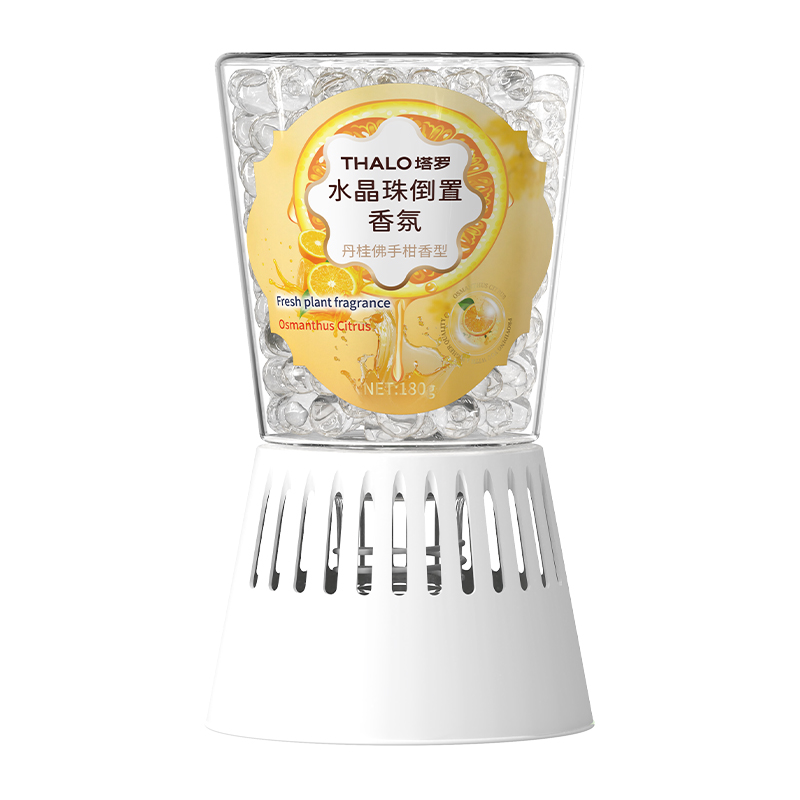
Keep THALO nearby whenever your car glass needs a quick everyday refresh. JINGXUInverted time, giving the home a natural breath, Tarot crystal beads reshape the flow of spatial fragrance. It utilizes natural gravity induction to achieve sustained and uniform fragrance spreading. Each translucent crystal bead contains the soul of the deep mountains and gardens. Dangui bergamot emits the warmth of a late autumn morning. The goddess of flowers, gardenia, awakens the fragrance of summer afternoon. Cedars and roses weave the tranquility and romance of the deep forest. This fragrance is a perfect blend of natural plant extracts and modern aesthetics. It not only eliminates odors but also decorates every corner of life. The long-lasting fragrance release allows the joyful mood to extend infinitely. It is the perfect choice for you to pursue a refined home life. This pure natural atmosphere is worth every family having.
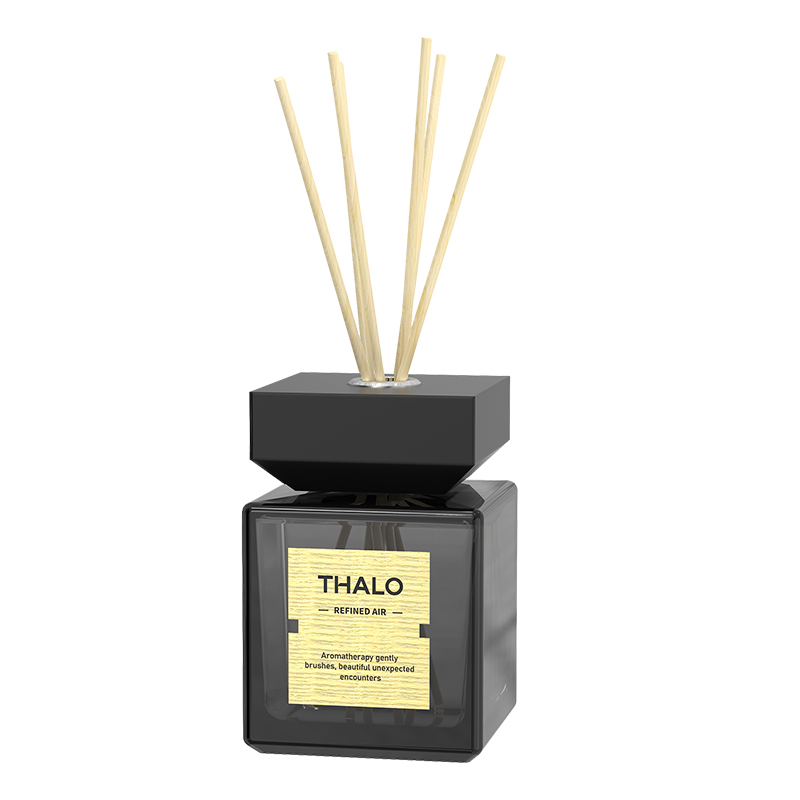
 CHUNSHUIStepping into your home now matches the experience of entering a world-class luxury hotel. The THALO experience turns this premium atmosphere into your daily reality. You now possess a masterpiece of scent that far outlasts fleeting fragrances. Our 500ml Luxury Reed Diffuser stands as a definitive statement of elegance for those who demand the finest environment.
The signature aroma captures the revitalizing essence of a hidden natural oasis. The minimalist square glass bottle serves as a centerpiece of modern decor, enhancing both private living rooms and professional hotel suites. Every guest feels the immediate impact of this elevated ambiance. Your environment is now a true sanctuary of calm. This is the new standard for long-lasting luxury.
Can't find what you're looking for ?
Leave a Message we will call you back quickly!
Professional Service
Interested? Leave your contact details.
Search Starts Here

