


Introduction
Ensuring the safety and quality of aromatherapy sprays requires rigorous testing protocols that meet industry standards. As a manufacturer with extensive experience in home care products since 2015, we understand the critical importance of comprehensive quality assurance for business evaluators and safety managers. This guide explores essential testing methods for aromatherapy spray formulations, from raw material inspection to final product validation.
Raw Material Testing
The foundation of any high-quality aromatherapy spray lies in its raw materials. For business evaluators and safety managers, verifying the purity and safety of ingredients is non-negotiable. Here are the key testing protocols for raw materials:
- Essential Oil Purity Testing: Gas Chromatography-Mass Spectrometry (GC-MS) analysis to detect adulteration or synthetic additives.
- Solvent Quality Control: Testing for residual solvents in ethanol or other carriers (limit: ≤0.5% by volume).
- Natural Ingredient Verification: Botanical authentication through DNA barcoding for plant-derived components.
For products like Fireless Aromatherapy that use natural dried flowers and rattan, additional phytosanitary certification is recommended to ensure no cross-contamination during material processing.
Formulation Stability Testing
Aromatherapy sprays must maintain consistent performance under various conditions. Our stability testing protocol includes:
Accelerated Aging Tests
Samples are subjected to 40°C/75% RH for 3 months to simulate 12 months of shelf life. Key parameters monitored:
- pH stability (±0.5 from baseline)
- Essential oil content retention (≥90% of initial concentration)
- Visual inspection for phase separation or discoloration
Compatibility Testing
Critical for multi-component systems like Fireless Aromatherapy where rattan absorbs and diffuses essential oils. We conduct:
- Material interaction studies (28 days at 25°C)
- Fragrance release profile analysis (GC every 7 days)
- Mechanical integrity checks for decorative elements
Performance Validation
Beyond chemical safety, functional performance determines product success. Our validation matrix includes:
Regulatory Compliance
Meeting international standards is crucial for market access. Our compliance framework covers:
IFRA Standards
Essential oil blends are formulated within IFRA 49th Amendment restrictions, with particular attention to:
- Citral content in citrus-based formulations (≤0.1% for direct skin contact)
- Eugenol levels in clove or cinnamon oils (≤0.5% in room sprays)
Packaging Safety
All containers undergo:
- Leak testing (3 psi pressure for 30 minutes)
- Child-resistant closure verification (ASTM D3475)
- Recycling compatibility assessment
Conclusion
Implementing these testing protocols ensures your aromatherapy products meet the highest safety and quality benchmarks. For business evaluators seeking reliable partners, our 160+ employee facility in Shandong offers comprehensive quality assurance from raw materials to finished goods.
Contact our technical team to discuss customized testing solutions for your specific product requirements, whether traditional sprays or innovative formats like Fireless Aromatherapy that combine functionality with aesthetic appeal.
Related Products
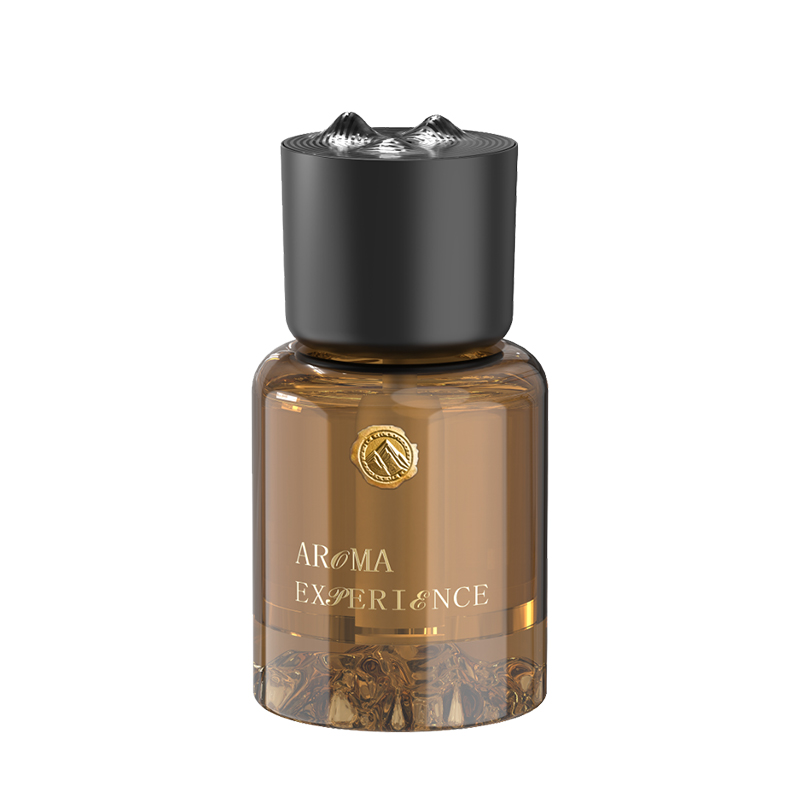
 lingwuImagine opening the car door and being greeted by a fresh and fragrant scent instead of yesterday's smoke, food, or pet odors. Our intelligent spray car fragrance transforms daily driving into a more comfortable sensory experience. The fashionable liquid fragrance bottle and delicate spray design can be evenly spread to all parts of the car, while setting off the elegant style of the cabin. Whether it's commuting, travel, fleet management, or retail display, this car fragrance can add exquisite embellishments. Its high-end appearance is also suitable for automotive parts stores, lifestyle retailers, promotional gifts, and private label projects.
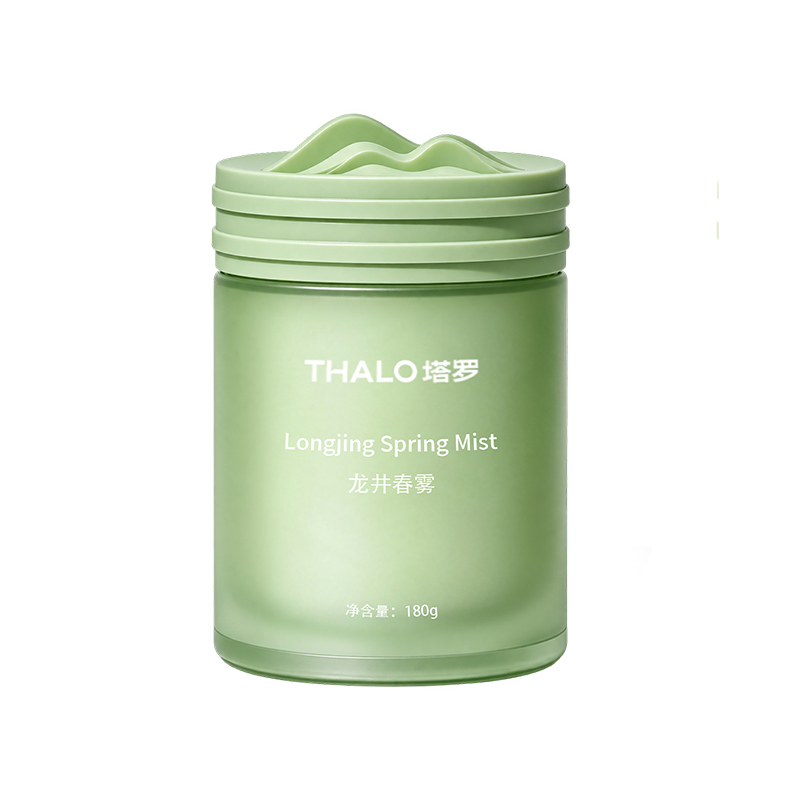
 QingyanLet every time you get on the car, start with a scent you like. THALO 180g car solid fragrance, integrated into the interior space with a simple and clean canned design, with five colors corresponding to different fragrance choices: pink, blue, yellow, black, and green. No need for complicated operations, placed on the dashboard or central armrest area, it can add a more comfortable atmosphere for daily commuting, long-distance travel, and in car rest. Choose your favorite fragrance to give the familiar cabin a more distinctive and exclusive atmosphere.
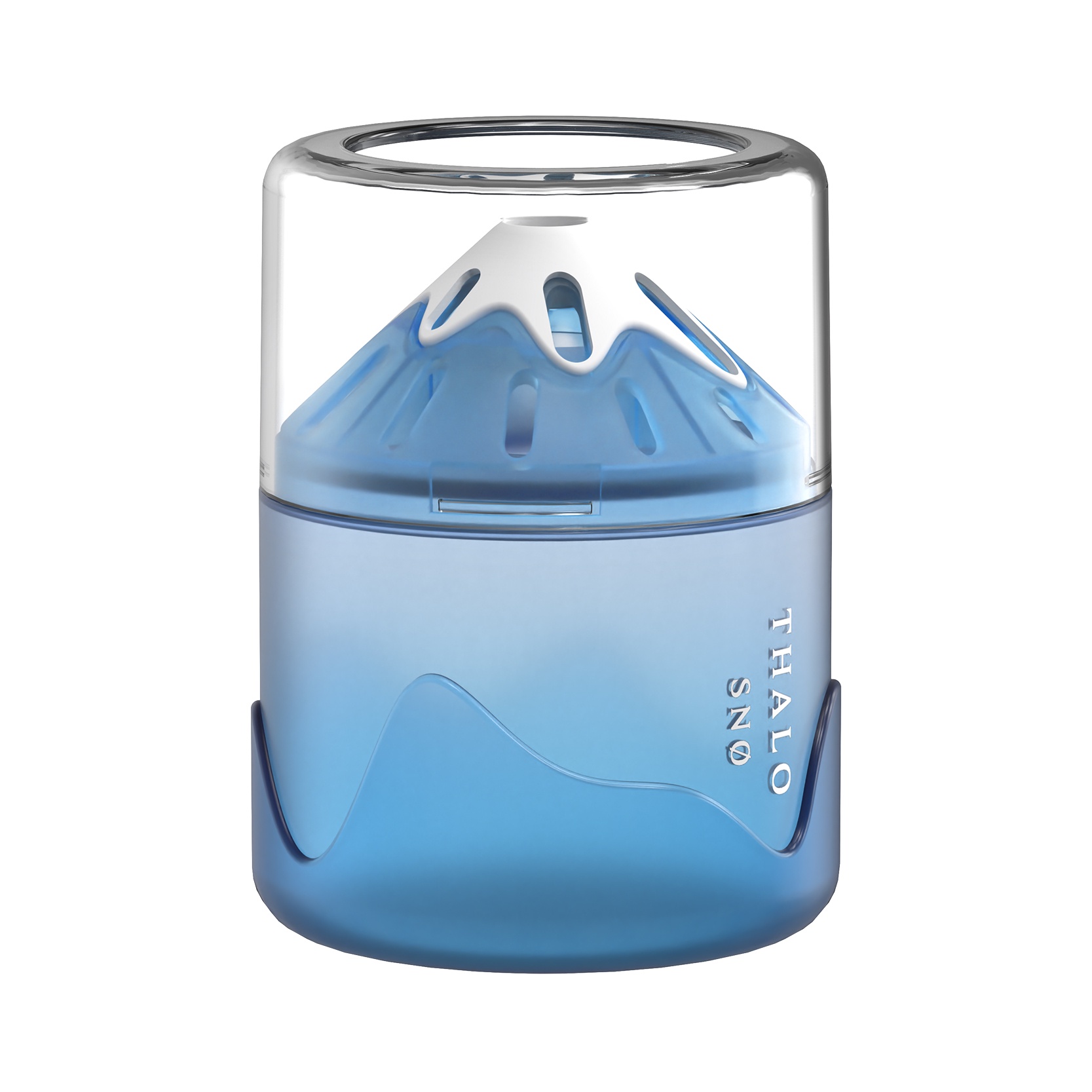
 KONGSHANDon't rush to leave as soon as you get on the car. Make a fresh atmosphere the first stop of every journey. The THALO mountain shaped car fragrance, with its unique mountain peak shape and transparent top cover, is placed in the dashboard or cup holder. It is not only an in car fragrance product, but also an exquisite decoration to enhance the cabin texture. To provide a more comfortable in car experience for daily commuting, weekend travel, and long-distance driving in response to odors and second-hand smoke. Blue, white, and gray colors are available for easy matching with different car interiors.
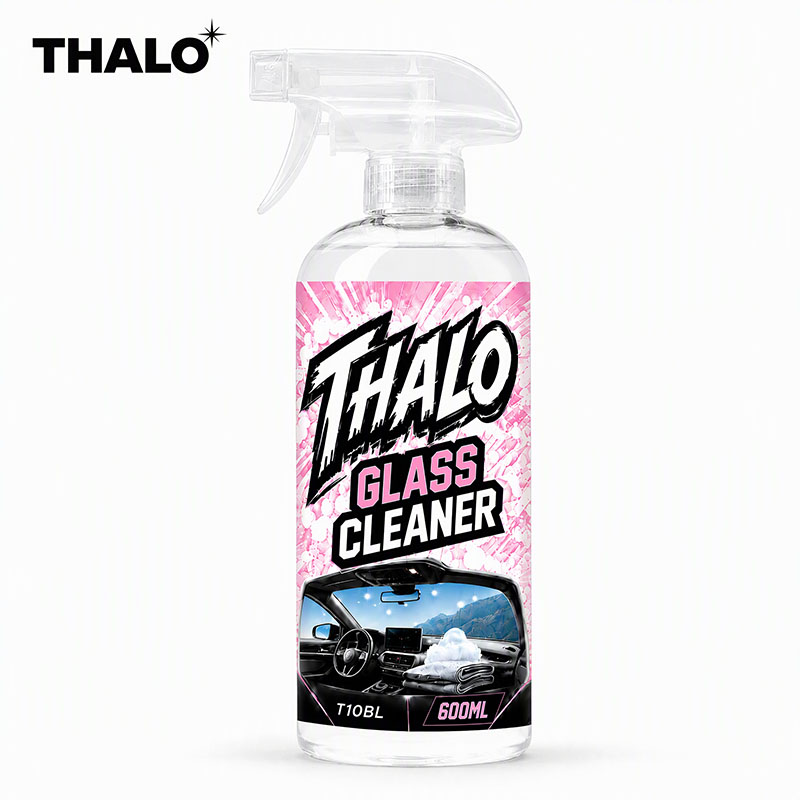
 Glass wiping solutionA clean view can change the feeling of every drive.
Dust, fingerprints and water marks can quickly build up on everyday car glass, making routine vehicle care feel like another chore. THALO Glass Cleaner Spray keeps the process simple: spray evenly, wipe with a cloth and refresh the look of your windshield, windows and mirrors.
The 600ml trigger bottle is easy to handle and fits naturally into a regular car-care routine at home, in the garage or before heading out. With its bold THALO design and practical spray format, it is a useful choice for drivers, detailing retailers and automotive-care collections.
Keep THALO nearby whenever your car glass needs a quick everyday refresh.
Can't find what you're looking for ?
Leave a Message we will call you back quickly!
Professional Service
Interested? Leave your contact details.
Search Starts Here

