


Understanding Aromatherapy Spray Formulation Fundamentals
Developing high-performance aromatherapy sprays requires mastery of three core technical dimensions: fragrance chemistry, colloidal stability, and regulatory compliance. For business evaluators assessing product viability, these factors directly impact market competitiveness and production scalability.
The fragrance blending process involves precise ratios of essential oils (typically 5-15% concentration), aroma chemicals, and fixatives. Industry benchmarks show optimal spray formulations maintain:
- Viscosity between 1.5-3.5 cP for consistent atomization
- pH range of 5.5-7.0 for skin compatibility
- Alcohol content below 30% to prevent excessive drying
Quality control teams should note that improper solvent ratios can cause phase separation within 24-72 hours. Accelerated stability testing at 40°C/75% RH for 30 days helps predict shelf-life issues before commercial production.
Advanced Fragrance Engineering Techniques
Modern fragrance blending transcends simple essential oil combinations. The latest approaches incorporate molecular encapsulation and controlled-release technologies to extend fragrance longevity while maintaining safety profiles.
Three-Phase Olfactory Design
Premium formulations now structure fragrance notes to evolve over 4-8 hours:
- Top notes (citrus/herbs) for immediate impact (0-30 min)
- Middle notes (floral/spice) for sustained presence (1-4 hours)
- Base notes (woods/musks) for lingering traces (4+ hours)
For automotive applications like The Quicksand of Time, this phased approach ensures continuous odor neutralization without overwhelming the enclosed space. The product's original gel solid system demonstrates how alternative delivery mechanisms can redefine fragrance performance.
Odor Neutralization Chemistry
Effective sprays employ cyclodextrins or zinc ricinoleate to chemically bind odor molecules rather than masking them. Testing protocols should verify:
- 90%+ malodor reduction within 15 minutes (EN 13725 standard)
- No rebound effect after 24 hours
- Compatibility with common interior materials (leather, plastics)
Regulatory Compliance & Safety Testing
Navigating global regulations requires meticulous documentation and testing. Key considerations for product developers include:
Our factory's ISO 22716 certification ensures all formulations undergo rigorous stability testing including 3-month real-time studies and 6-month accelerated aging tests before market release.
Production Scale-Up Considerations
Transitioning from lab samples to industrial production (50,000+ units/month) introduces critical variables:
Batch Consistency Controls
Implement these measures to maintain ±2% fragrance concentration tolerance:
- Automated dosing systems with 0.5% accuracy
- In-line viscosity monitoring (every 500mL)
- Statistical process control for pH (target ±0.3)
Packaging Compatibility
Spray mechanisms require specific testing protocols:
- 200+ actuation cycle tests
- Droplet size analysis (target 50-100µm)
- Leakage testing at 40°C for 72 hours
Products like The Quicksand of Time demonstrate how innovative gel systems bypass traditional spray limitations while delivering superior fragrance longevity.
Frequently Asked Questions
How do I evaluate fragrance stability in different climates?
Conduct accelerated testing at 45°C/85% RH for tropical markets and -5°C for temperate regions. Monitor for precipitation, phase separation, and fragrance degradation weekly for 12 weeks.
What's the minimum batch size for viable production?
Commercial viability typically starts at 500L batches, though our facility accommodates pilot runs as small as 50L with 15% material surcharge.
How long does regulatory approval typically take?
EU CPNP notification requires 5-7 business days, while full FDA compliance review takes 90-120 days. China's filing process averages 60-90 working days.
Conclusion & Next Steps
Optimizing aromatherapy sprays demands interdisciplinary expertise in chemistry, engineering, and regulatory affairs. By implementing these technical guidelines, product developers can create differentiated offerings that meet both performance expectations and compliance requirements.
For formulation support or production consultation, contact our technical team to discuss your specific project requirements and scalability options. Our 160+ specialists in Shandong provide end-to-end solutions from concept to commercial production.
Related Products
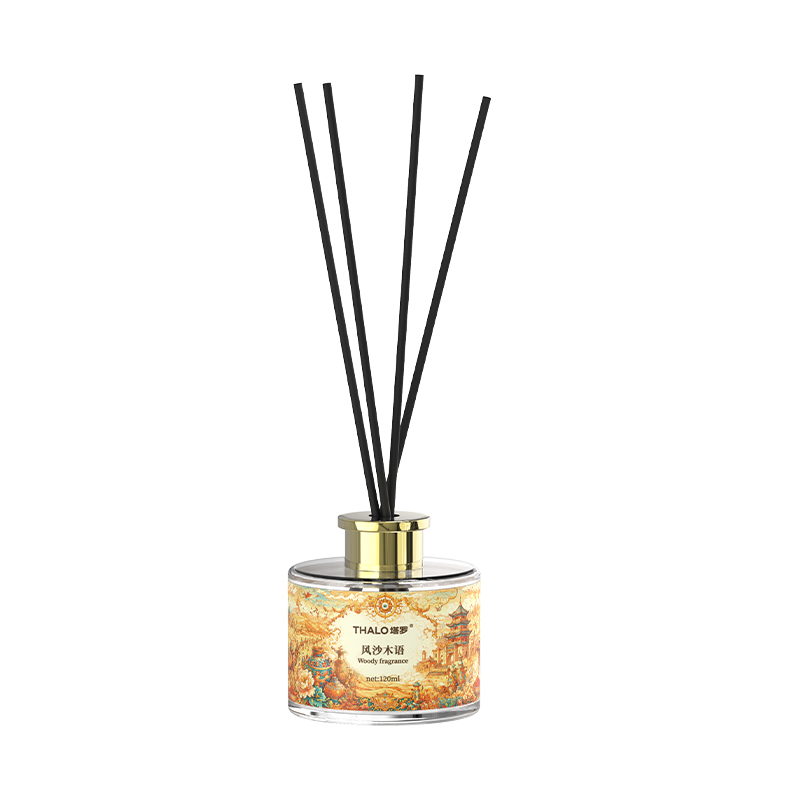
 Silk Road Flower LanguageA Fragrance Journey Along the Silk Road
Step into a world where ancient Silk Road culture meets modern home fragrance. Thalo Silk Road Reed Diffuser transforms your space with an elegant Oriental-inspired aroma, bringing warmth, sophistication and a sense of discovery to everyday moments.
Designed as a flameless home fragrance, it continuously releases fragrance through natural diffuser reeds, creating a calm and inviting atmosphere without fire or electricity. The artistic bottle and premium gift box make it a beautiful addition to bedrooms, entryways, living rooms, boutiques and hotels.
Let every breath become a journey through fragrance. GuoyangYour Car Deserves Better Than That "New Car Smell"
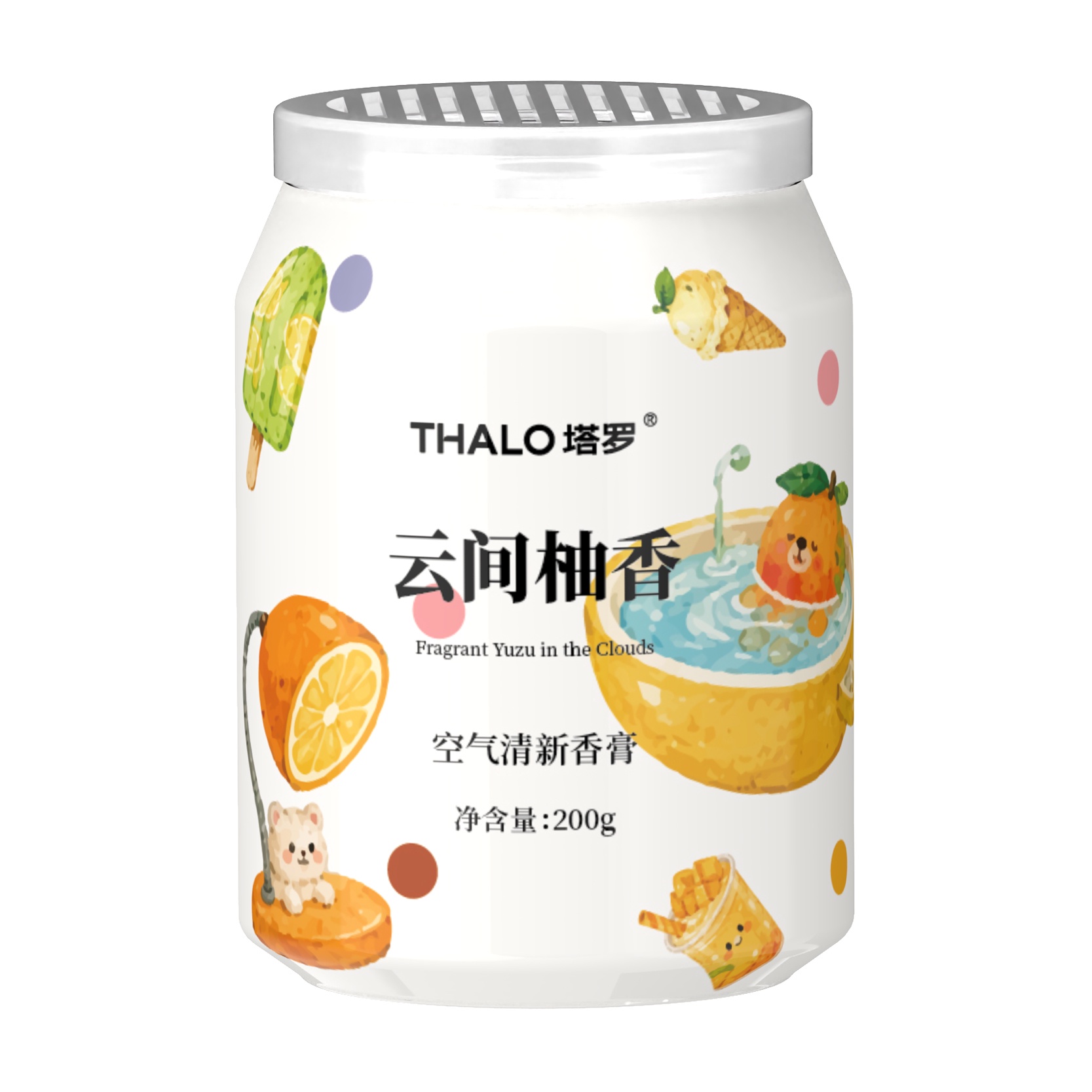
Ever step into your car and wish it smelled like a sunlit orchard instead of stale air.Meet THALO's Fruit Scent Collection — a solid car air freshener that turns every drive into a mini fruit paradise. No sprays, no plugs, no mess. Just unscrew the ventilated lid, and let the 200g fragrance gel slowly release pure, juicy aroma for weeks.
Pick your mood: White Peach in the Snow (soft, creamy, dreamy), Fragrant Yuzu in the Clouds (bright citrus that wakes you up), or Laurel Apple (warm apple-cinnamon comfort). Each jar is hand-illustrated with adorable fruit art that looks as good as it smells — a dopamine hit for your cup holder.
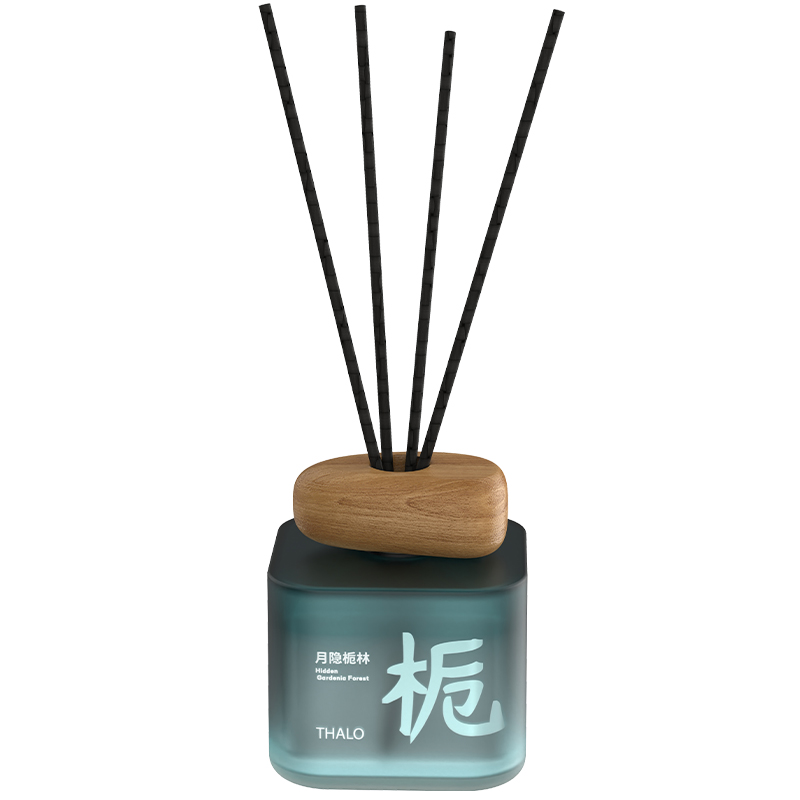
Safe for daily commutes, family trips, and long drives. Plant-based formula, IFRA-certified, crafted with Firmenich perfumers. Fresh air, one twist away. ZHICHUNLet Nature Fill Your Space With Fragrance,Turn an ordinary room into a peaceful fragrance retreat. Thalo “Spring Awakening” Reed Diffuser brings the beauty of Oriental-inspired scents into everyday life, creating a warm and elegant atmosphere without flame, smoke or electricity.
Inspired by nature, the 180ml Home Fragrance Collection features three distinctive scents: Moonlit Gardenia Forest, Wumu Gradually Becomes Spring, and Green Tea Reflection Spring. Each fragrance unfolds gently through high-density reed sticks, filling your space with a continuous and refined aroma.
The frosted glass bottle, wood-inspired cap and minimalist design add a sophisticated decorative touch to any interior. Perfect for bedrooms, living rooms, bathrooms, offices, boutiques and hotels, this Natural Reed Diffuser creates a relaxing fragrance experience while helping refresh indoor air.
Bring a touch of spring, nature and tranquility into every moment with Thalo. XiaoxiangyuTitle: The Car Air Freshener That Keeps Every Mile Fresh
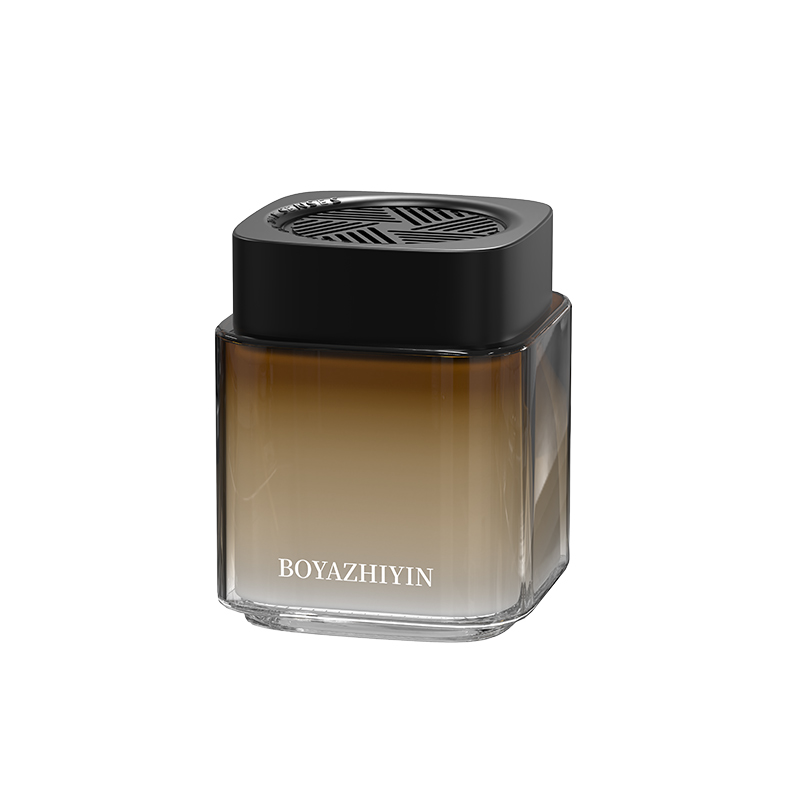
Every drive deserves a fresh, calming atmosphere. The BOYAZHIYIN car air freshener turns your car into a private sanctuary of natural scent. Crafted specifically for small spaces, this long lasting car air freshener delivers pure botanical fragrance without the dizzying intensity of ordinary car perfumes. Our solid gel formula releases scent steadily for weeks, keeping your cabin inviting from the first mile to the last. Each glass jar is built to impress, with a crystal-clear body and a striped diffusion lid that spreads fragrance evenly through every corner. Choose from four refined scents: Oud Rose, Wild Cologne, Dew Gardenia, or High Mountain White Tea. Made with plant essential oils, it is a natural car air freshener you can trust every single day. Breathe easier, drive happier, and enjoy a car that always smells as good as it looks.
Can't find what you're looking for ?
Leave a Message we will call you back quickly!
Professional Service
Interested? Leave your contact details.
Search Starts Here

