


News
Cheap car air fresheners can reduce upfront sourcing costs, but for procurement teams, distributors, and agents, the real question is whether that low unit price will create bigger downstream losses. In many cases, the answer is yes. Poor raw materials, unstable fragrance performance, weak packaging, and incomplete compliance can quickly turn a “cheap” product into a source of returns, complaints, and damaged channel reputation. For buyers in the daily chemical products sector, the smarter approach is not simply to find the lowest quote, but to evaluate total cost, repeat-sales potential, and long-term brand safety.
What Buyers Are Really Searching For Behind “Cheap Car Air Fresheners”
When professionals search for the hidden costs behind cheap car air fresheners, they are usually not looking for a general consumer guide. They want to know whether a low-price product can actually survive in the market, protect margins, and avoid after-sales trouble. That means the core concern is total business risk.
For procurement personnel and distributors, the most important questions are practical:
- Will the fragrance fade too quickly and trigger customer dissatisfaction?
- Are low-cost formulas using inferior solvents or unstable fragrance materials?
- Will packaging leak, deform, or fail in transport and high-temperature environments?
- Does the supplier understand regulatory and labeling requirements for different markets?
- Will a cheaper product lower repurchase rates and weaken channel trust?
These are the issues that directly affect sell-through, claims, and distributor relationships. So the real evaluation standard is not purchase price alone, but whether the product can deliver stable performance at scale.
The Lowest Price Often Hides the Highest Total Cost
Cheap car vent air freshener products often look attractive in quotations because the visible number is low. However, buyers often discover hidden costs later in the full supply chain. These hidden costs usually appear in five areas.
1. Short fragrance life reduces repeat purchases for the wrong reason
A product that loses scent too quickly may seem harmless at first, but it creates a poor user experience. End customers may feel the product is ineffective, even if the packaging initially looked appealing. For distributors, this leads to lower confidence from retailers and weaker reorder momentum.
A low-cost air freshener that lasts only a few days instead of the expected few weeks may result in:
- negative product reviews
- more customer service inquiries
- higher replacement requests
- reduced trust in your private label or distribution line
2. Inferior raw materials increase complaint risk
Low-price products may use cheaper fragrance compounds, unstable carriers, or lower-grade absorbent materials. In car interiors, products must tolerate temperature fluctuation, sunlight exposure, and airflow changes. If the formula is not designed for these conditions, the scent can become harsh, uneven, or disappear too fast.
Even worse, poor-quality ingredients may cause irritation concerns or strong chemical-smelling notes that customers immediately associate with “cheap.” In a competitive market, one bad sensory impression can destroy product acceptance.
3. Packaging failure creates losses beyond the product itself
Leakage, cracked bottles, weak clips, poor seals, and label detachment are common hidden costs. In B2B distribution, packaging problems do not just damage the individual unit. They can affect the outer carton, neighboring inventory, transport efficiency, and even the retailer’s shelf image.
Once a shipment arrives with visible defects, the buyer faces additional labor, sorting, negotiation, and compensation costs. The unit price advantage disappears quickly.
4. Weak compliance creates market-entry barriers
Some low-cost suppliers focus on speed and price but overlook documentation, ingredient transparency, labeling accuracy, and export readiness. For distributors and agents, this is a major risk. If compliance is incomplete, customs issues, platform listing restrictions, or retailer rejection can follow.
In cross-border and formal retail channels, missing or inconsistent documentation can become more expensive than the original order value.
5. Brand trust is expensive to rebuild
One of the biggest hidden costs is invisible at the time of purchase: reputation damage. If consumers, retailers, or downstream partners lose confidence in a product line, the cost to recover trust is high. You may need to relaunch, discount heavily, replace stock, or invest more in promotion just to restore basic credibility.
How Procurement Teams Should Evaluate Cheap Car Air Fresheners
Instead of asking only for the lowest quotation, buyers should build a more practical supplier evaluation checklist. This helps identify whether the quoted savings are real or temporary.
Check fragrance stability, not just initial smell
Many air fresheners smell acceptable when first opened. That is not enough. Buyers should request testing or samples that show how the fragrance performs over time, especially in simulated vehicle conditions such as heat and airflow. Stability matters more than first impression.
Ask about raw material logic
You do not always need full formula disclosure, but you should understand the supplier’s approach to fragrance carriers, evaporation control, and odor-neutralizing performance. A factory with formulation experience can usually explain why a product lasts and how it behaves in real conditions.
Review packaging compatibility
Car air fresheners must balance function and safety. For vent clips, bottle structures, sealing components, and fragrance delivery systems, packaging compatibility is critical. A good sourcing decision considers transport durability, shelf appearance, and user handling.
Confirm manufacturing capacity and product consistency
Many buyers face a common problem: the sample is good, but bulk orders are inconsistent. This is why factory strength matters. A manufacturer with organized production systems, expansion history, and stable workforce support is often better able to maintain consistency over multiple batches.
Established in 2015 and located in Linyi, Shandong, the company behind this business has expanded from an early small-scale operation to more than 160 employees, with major factory development milestones including industrial park expansion, acquisition activity, and the establishment of dedicated home washing and care production facilities. For B2B buyers, that kind of growth trajectory can be a useful signal of manufacturing maturity and supply capability.
Where Cheap Products Hurt Distributors and Agents the Most
For distributors, the biggest risk is not simply low quality. It is low predictability. If a cheap product creates unstable sales performance, it becomes difficult to manage channel expectations.
Here is where the pain usually shows up first:
- Retail feedback: stores complain that customers do not reorder
- Price pressure: low quality forces deeper discounting
- Inventory turnover: slow-moving stock ties up cash
- After-sales burden: more time spent solving avoidable issues
- Portfolio damage: one bad item weakens confidence in other products you sell
This is especially important for agents building their own local market reputation. A low-cost item may help win a first order, but if it fails in use, it can cost future business opportunities.
What Quality Signals Matter More Than a Cheap Quote
Experienced buyers usually compare more than price. They look for signs that a supplier can support a scalable and sustainable product program. The following signals are often more valuable than a small price difference:
- stable scent performance across batches
- clear product positioning for different consumer preferences
- reliable packaging and transport performance
- responsive sampling and customization support
- documentation readiness for platform or export requirements
- ability to support broader fragrance product categories
In fact, many distributors today prefer suppliers that can support category extension. For example, a fragrance partner that also develops home diffuser products can help buyers create more complete scent portfolios rather than relying on a single low-cost automotive SKU. A product such as National tea, designed for the Home Diffuser Series with a 400ml capacity, shows how fragrance development can move toward longer-lasting natural fragrance, odor neutralization, and a calmer lifestyle positioning. For buyers, this kind of product range can strengthen cross-category strategy and improve average order value.
How to Balance Price and Quality Without Overbuying Premium Products
Avoiding ultra-cheap car air fresheners does not mean buyers must choose the most expensive option. The goal is to find the price-quality balance that fits your target market.
A practical approach includes:
- Define the acceptable minimum fragrance life for your market.
- Test products under realistic heat and usage conditions.
- Compare complaint risk and repurchase potential, not only ex-factory cost.
- Review supplier history, production capability, and category expertise.
- Choose products with clear market positioning instead of generic low-price offerings.
For some channels, a mid-range product with stable performance will generate better long-term profit than a cheap item with high return rates. In procurement, the cheapest purchase is not always the lowest-cost decision.
Final Takeaway: Cheap Car Air Fresheners Are Only “Cheap” on Paper
The hidden costs behind cheap car air fresheners usually appear after the order is placed: fragrance instability, packaging defects, compliance gaps, customer complaints, and lost trust. For procurement teams, distributors, and agents, these issues directly affect margins, reorder rates, and brand reputation.
The smartest sourcing strategy is to evaluate total value rather than initial price alone. When buyers focus on product stability, supplier capability, and real market suitability, they reduce long-term risk and create stronger sales foundations. In a crowded fragrance market, sustainable quality is often what protects profit best.
Related Products
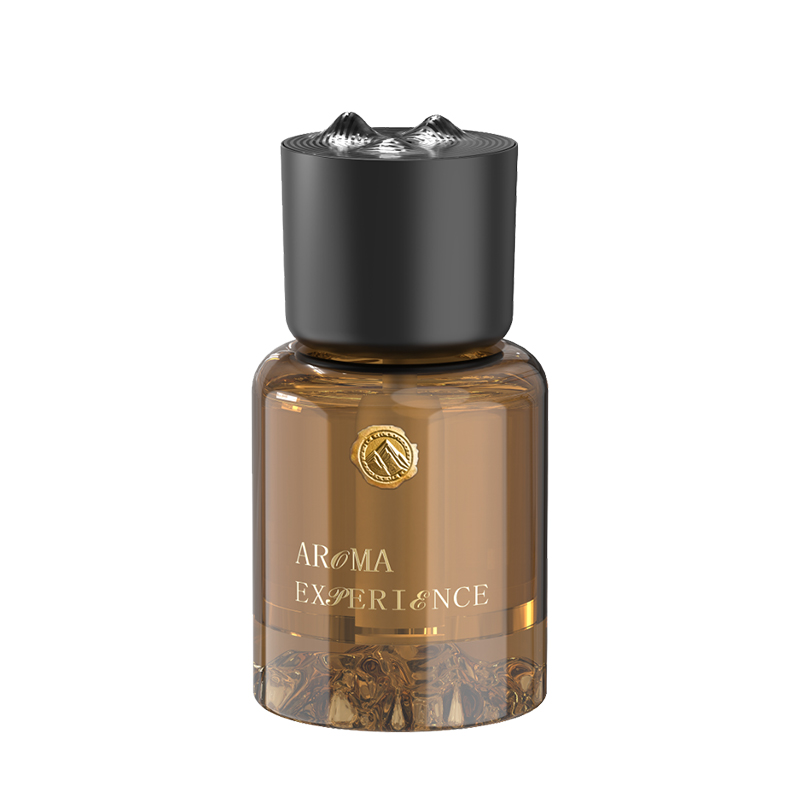
 lingwuImagine opening the car door and being greeted by a fresh and fragrant scent instead of yesterday's smoke, food, or pet odors. Our intelligent spray car fragrance transforms daily driving into a more comfortable sensory experience. The fashionable liquid fragrance bottle and delicate spray design can be evenly spread to all parts of the car, while setting off the elegant style of the cabin. Whether it's commuting, travel, fleet management, or retail display, this car fragrance can add exquisite embellishments. Its high-end appearance is also suitable for automotive parts stores, lifestyle retailers, promotional gifts, and private label projects.
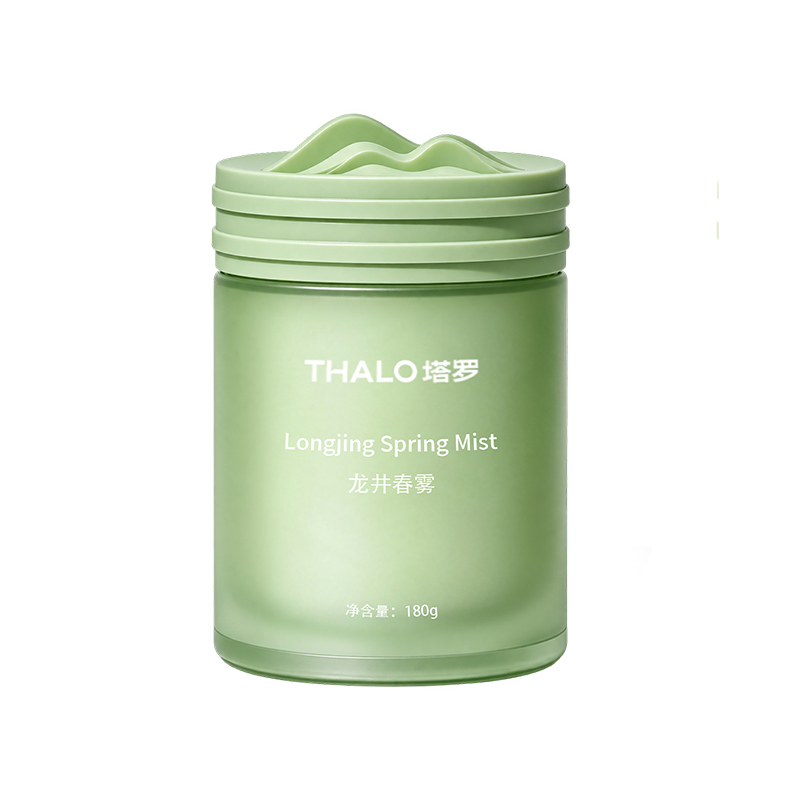
 QingyanLet every time you get on the car, start with a scent you like. THALO 180g car solid fragrance, integrated into the interior space with a simple and clean canned design, with five colors corresponding to different fragrance choices: pink, blue, yellow, black, and green. No need for complicated operations, placed on the dashboard or central armrest area, it can add a more comfortable atmosphere for daily commuting, long-distance travel, and in car rest. Choose your favorite fragrance to give the familiar cabin a more distinctive and exclusive atmosphere.
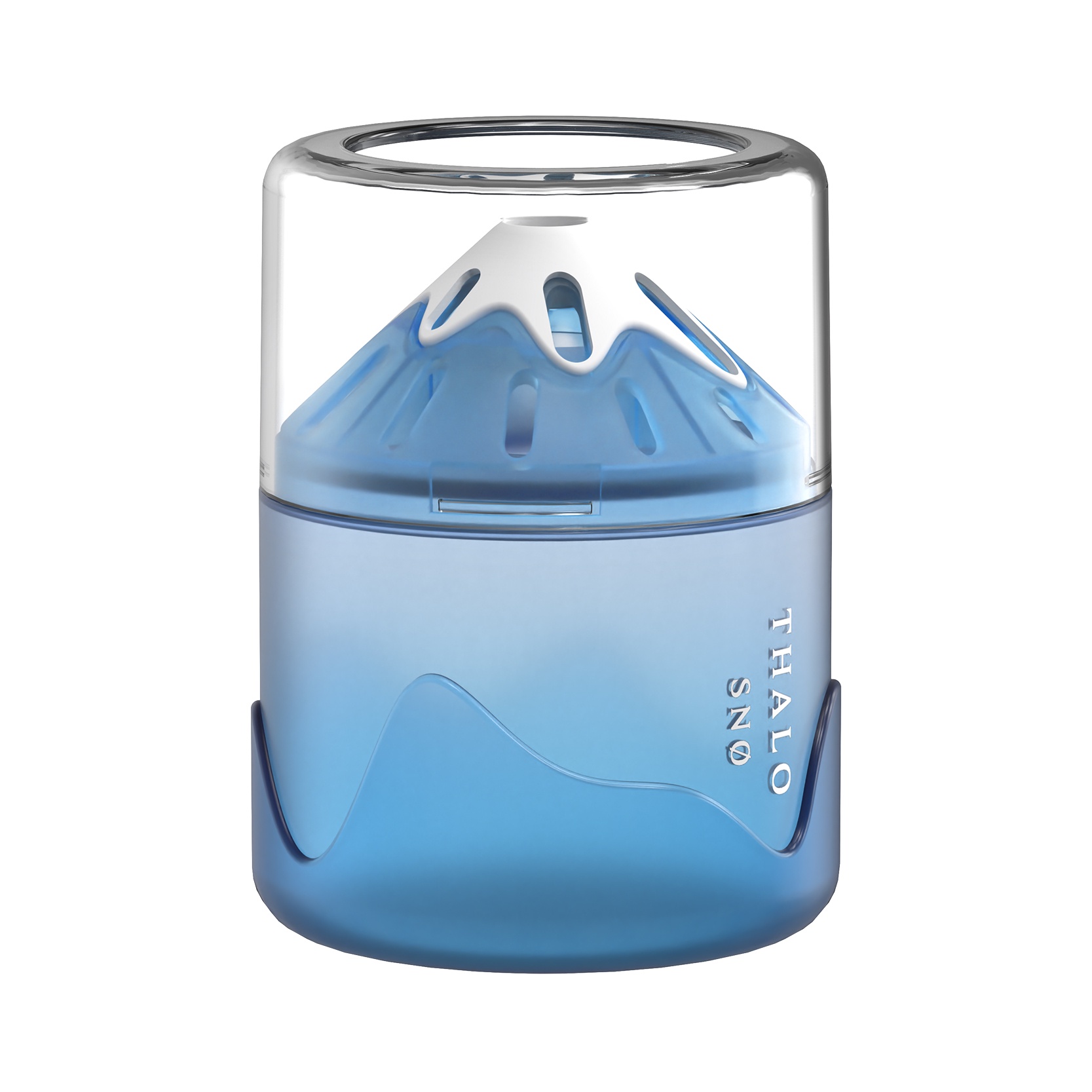
 KONGSHANDon't rush to leave as soon as you get on the car. Make a fresh atmosphere the first stop of every journey. The THALO mountain shaped car fragrance, with its unique mountain peak shape and transparent top cover, is placed in the dashboard or cup holder. It is not only an in car fragrance product, but also an exquisite decoration to enhance the cabin texture. To provide a more comfortable in car experience for daily commuting, weekend travel, and long-distance driving in response to odors and second-hand smoke. Blue, white, and gray colors are available for easy matching with different car interiors.
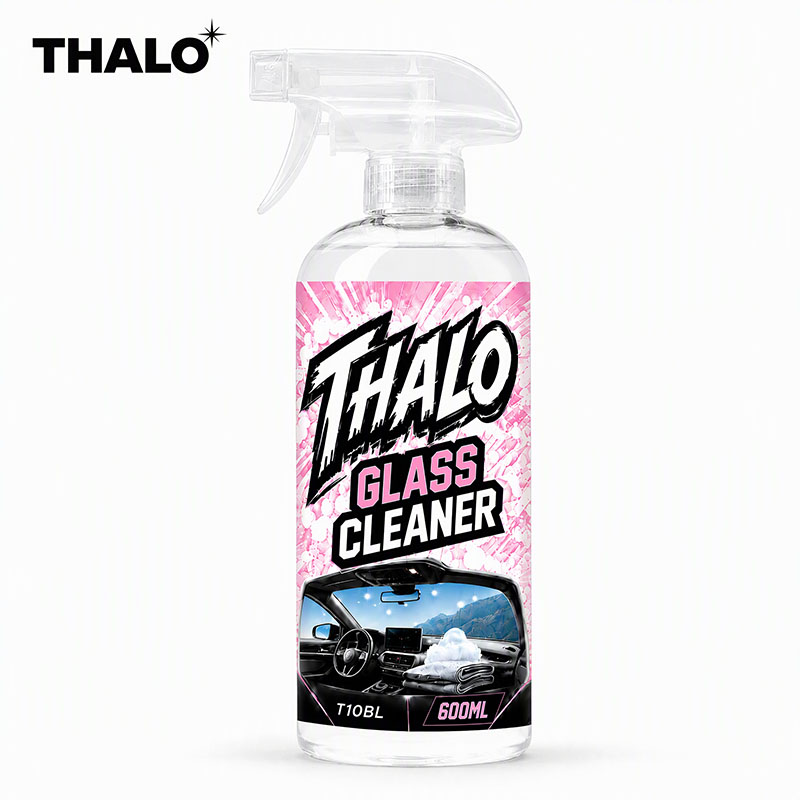
 Glass wiping solutionA clean view can change the feeling of every drive.
Dust, fingerprints and water marks can quickly build up on everyday car glass, making routine vehicle care feel like another chore. THALO Glass Cleaner Spray keeps the process simple: spray evenly, wipe with a cloth and refresh the look of your windshield, windows and mirrors.
The 600ml trigger bottle is easy to handle and fits naturally into a regular car-care routine at home, in the garage or before heading out. With its bold THALO design and practical spray format, it is a useful choice for drivers, detailing retailers and automotive-care collections.
Keep THALO nearby whenever your car glass needs a quick everyday refresh.
Can't find what you're looking for ?
Leave a Message we will call you back quickly!
Professional Service
Interested? Leave your contact details.
Search Starts Here

