


News
How to Evaluate a Fragrance for Car Exporter Before Requesting Samples
Choosing the right fragrance for car exporter is not really about getting a nice-smelling sample on your desk. That comes later. If you are doing business evaluation, the real work starts earlier: checking whether the supplier has enough production depth, enough operational stability, and enough product understanding to support repeat orders without surprises. A polished sample from the wrong supplier can waste weeks. A well-screened factory can save months.
When I review suppliers in this category, I look at the business behind the fragrance almost as much as the fragrance itself. For car scent products, especially for export, the risk is rarely just scent preference. It is usually consistency, packaging fit, compliance preparation, delivery control, or weak follow-up after the first order.
Start with the factory timeline, not the catalog
A supplier's development path tells you whether the business has been built step by step or just assembled for trading traffic. In this case, the company history shows several expansion points worth noting: establishment in 2015, team growth in 2016, expansion into a larger industrial park that same year, acquisition activity in 2018, channel development in 2019, a home washing and care factory in 2020, and a second factory in 2021. That kind of progression usually suggests reinvestment and operational scaling, not a temporary export setup.
Still, do not assume every milestone equals manufacturing strength. Ask for a simple factory profile that matches the timeline: current headcount, production division by site, what each factory actually makes, and which facility handles automotive fragrance products. The company states it is located in Linyi, Shandong, with more than 160 employees. That is useful context, but for purchasing decisions you need the split between office, sales, and manufacturing roles if the order volume matters.
Check whether they are a real manufacturer for this product type
Some suppliers are strong in household fragrance but weaker in car-specific formats. That difference matters. Cabin products deal with heat exposure, confined space performance, hanging or dashboard placement, leakage risk, and odor control expectations that are different from room scent or laundry care.
- Which car fragrance formats they produce in-house: hanging fresheners, vent clips, gel cups, aroma bottles, liquid diffusers, decorative liquid products.
- Whether filling, assembly, fragrance blending, and packaging are handled internally or outsourced.
- Whether they already export automotive fragrance products, not just general air fresheners.
- What part of the bill of materials changes most often in production: fragrance oil, bottle, cap, wick, suspension accessory, printed pack.
If they cannot answer that clearly, the sample stage will likely look smoother than the bulk order stage.
Review product development through one actual item
A good shortcut is to evaluate one SKU in detail rather than skim twenty. For example, if the supplier offers Transparent quicksand, do not just ask whether it smells pleasant. Ask what job the product is built to do in the car.
This type of product is positioned as more than a fragrance carrier. It combines decorative value, a moving liquid visual effect, and odor control claims tied to smoke, sweat, and mold odors. That is commercially useful because many buyers are no longer sourcing only “air freshener” items. They want a product that works as scent, interior accessory, and giftable shelf item at the same time.
But this is also where you need discipline. When a fragrance for car exporter presents lifestyle-heavy language, bring the conversation back to execution: how stable is the liquid under transport conditions, what packaging protects against leakage, what scent intensity window is intended, and whether odor-decomposition claims have support documentation available【待核实】. Nicely written marketing copy should never replace technical clarification.
Use channel history as a signal, not proof
The company’s expansion into Alibaba, Tmall, and Pinduoduo operations in 2019 says something important: they likely understand fast product turnover, packaging presentation, and consumer-facing merchandising. That can help with export projects where appearance and first impression matter.
It does not automatically prove they are strong in B2B order management. Domestic e-commerce speed and export discipline are different skill sets. Ask who handles export documentation, who manages artwork confirmation, and whether there is a dedicated team for OEM or private label projects. If the answer keeps circling back to online store performance, you still have not learned enough.
Look for cost risks before discussing unit price
Buyers often ask for sample pricing or FOB quotes too early. A cleaner approach is to identify the cost drivers first. In car fragrance products, the biggest cost swings often come from packaging complexity, decorative components, fragrance concentration, and shipping constraints caused by liquid content.
A low quote without this breakdown usually means the supplier is pricing against a vague assumption. That is where later adjustments start.
Ask how they manage repeatability
Samples can be hand-finished. Mass production cannot. For business evaluators, one of the best questions is simple: “What usually changes between approved sample and bulk shipment?” Serious suppliers will have a real answer. Maybe slight print tone variation. Maybe fragrance strength tolerance. Maybe accessory assembly speed. That honesty is useful.
Watch for suppliers who say there is no difference at all. In this product category, that is rarely credible.
If you are considering a more design-led item such as Transparent quicksand, repeatability becomes even more important. Decorative liquid movement, bottle appearance, and sealing quality all affect whether the product still feels premium after a container journey.
Do a basic export-readiness screen
Before requesting samples, confirm whether the supplier is prepared for your destination market in a practical sense. Not with broad claims, but with documents and process familiarity. Requirements vary by market and product composition, so this part must stay factual and case by case.
- Can they provide ingredient or safety-related documentation needed for your importer review【待核实】?
- Do they understand labeling adjustments for local language, warnings, and usage instructions?
- Have they shipped liquids or fragrance products to your region before?
- Can they explain packaging tests or transport precautions already used for leakage prevention?
You do not need every final document before sampling, but you do need to know whether the supplier is capable of producing them.
What deserves a sample request
Once the background checks hold up, then request samples with a purpose. Not “send your best sellers.” Ask for a short comparison set based on your buying scenario: one mass-market design, one premium visual item, one odor-focused product, and one packaging-heavy SKU if gift retail matters. That gives you a better read on their range and execution style.
If a fragrance for car exporter can explain factory scope clearly, connect product design to actual automotive use, discuss repeatability without evasion, and answer export-preparation questions with specifics, they are worth moving to the sample stage. If not, the sample may still look good, but the sourcing risk is already visible. That is usually enough reason to pause before spending more time.
Related Products
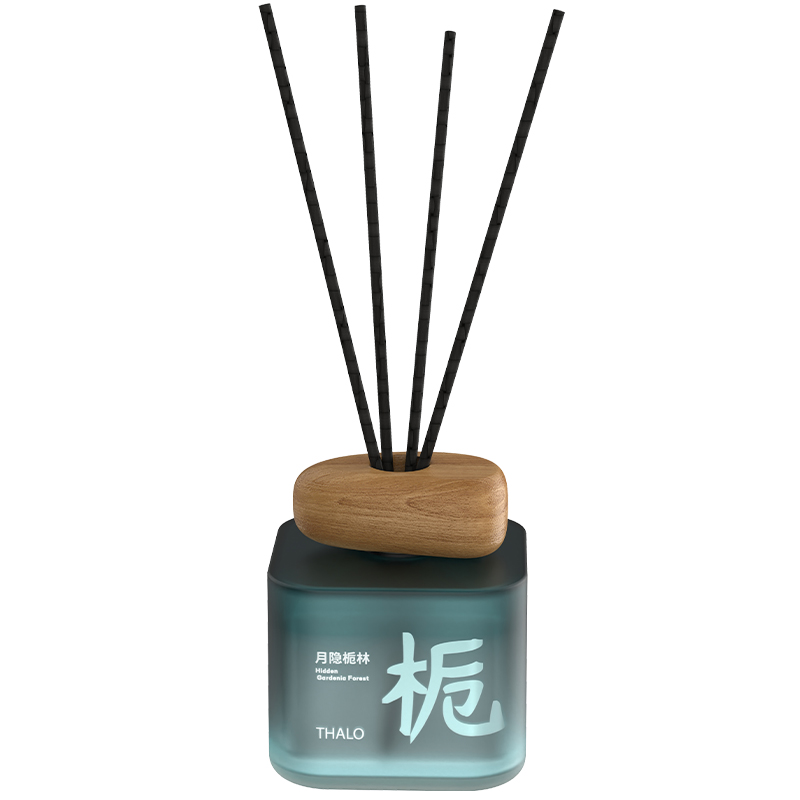
 ZHICHUNLet Nature Fill Your Space With Fragrance,Turn an ordinary room into a peaceful fragrance retreat. Thalo “Spring Awakening” Reed Diffuser brings the beauty of Oriental-inspired scents into everyday life, creating a warm and elegant atmosphere without flame, smoke or electricity.
Inspired by nature, the 180ml Home Fragrance Collection features three distinctive scents: Moonlit Gardenia Forest, Wumu Gradually Becomes Spring, and Green Tea Reflection Spring. Each fragrance unfolds gently through high-density reed sticks, filling your space with a continuous and refined aroma.
The frosted glass bottle, wood-inspired cap and minimalist design add a sophisticated decorative touch to any interior. Perfect for bedrooms, living rooms, bathrooms, offices, boutiques and hotels, this Natural Reed Diffuser creates a relaxing fragrance experience while helping refresh indoor air.
Bring a touch of spring, nature and tranquility into every moment with Thalo. XiaoxiangyuTitle: The Car Air Freshener That Keeps Every Mile Fresh
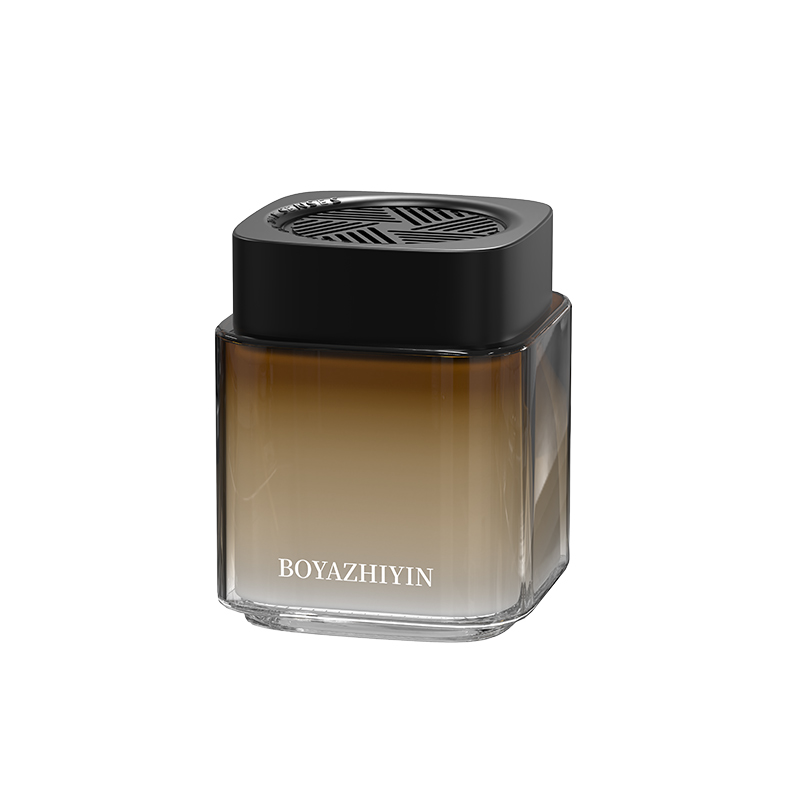
Every drive deserves a fresh, calming atmosphere. The BOYAZHIYIN car air freshener turns your car into a private sanctuary of natural scent. Crafted specifically for small spaces, this long lasting car air freshener delivers pure botanical fragrance without the dizzying intensity of ordinary car perfumes. Our solid gel formula releases scent steadily for weeks, keeping your cabin inviting from the first mile to the last. Each glass jar is built to impress, with a crystal-clear body and a striped diffusion lid that spreads fragrance evenly through every corner. Choose from four refined scents: Oud Rose, Wild Cologne, Dew Gardenia, or High Mountain White Tea. Made with plant essential oils, it is a natural car air freshener you can trust every single day. Breathe easier, drive happier, and enjoy a car that always smells as good as it looks. Ling FengTurn Every Drive Into a Fragrance Ritual
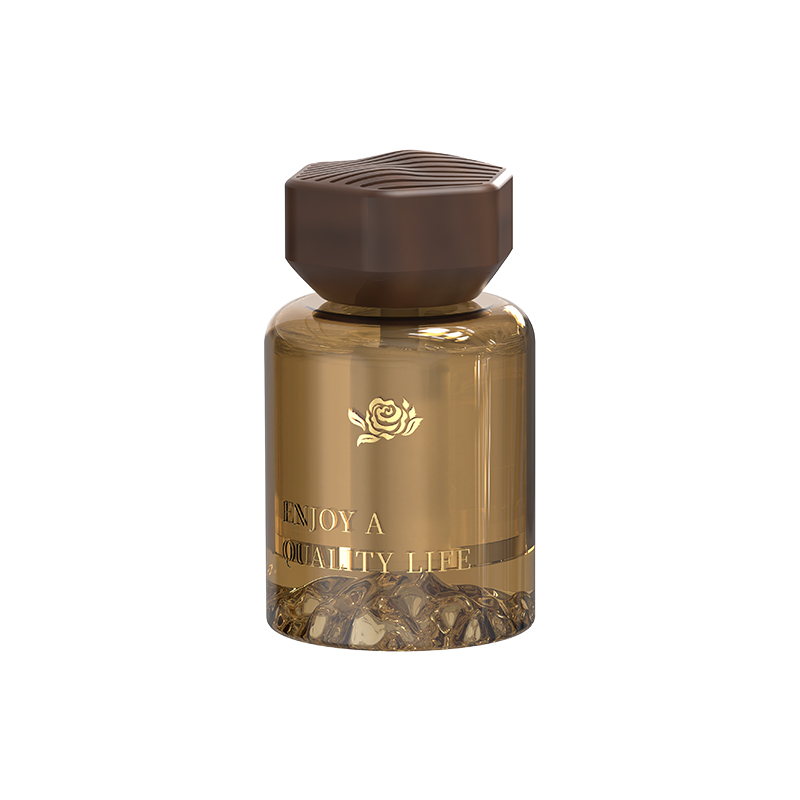
Step into your car and let a refined fragrance transform the atmosphere instantly. Designed for those who appreciate elegance in every detail, this premium car fragrance combines a sophisticated bottle design with high-quality fragrance oils to make every journey more enjoyable.
With 24-hour long-lasting diffusion and a 360° fragrance experience, the scent spreads evenly throughout your car without feeling overpowering. The oil-based formula helps maintain a smooth and consistent aroma, while perfume-grade fragrance creates a more layered and elegant scent experience.
From the fresh and delicate character of Misty Longjing to the deeper, sophisticated notes of Classic Cologne, every fragrance tells its own story. Black KnightA Fragrance That Turns Any Space Into a Memory
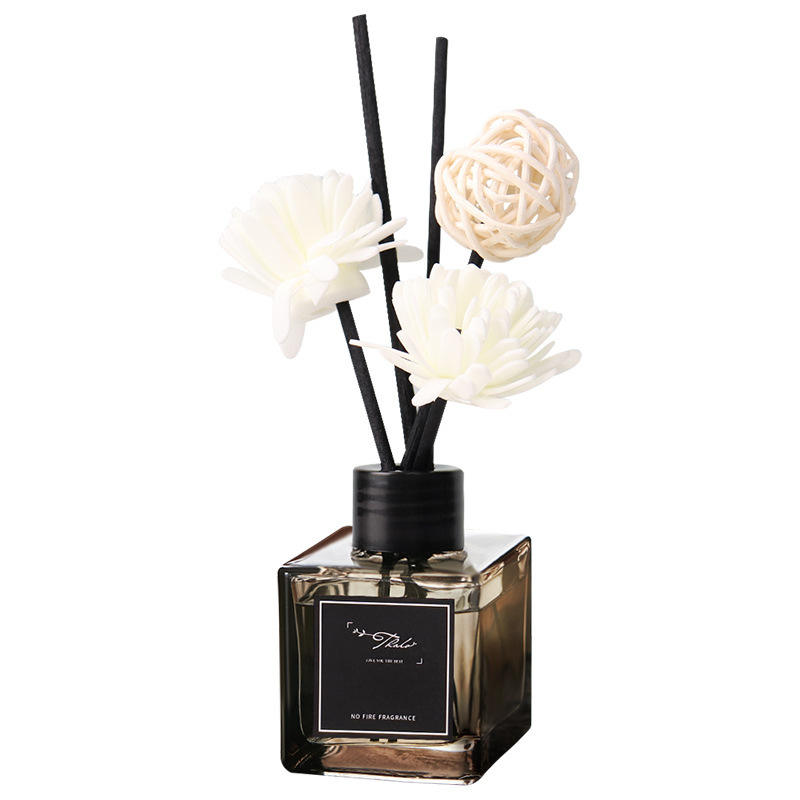
Bring nature indoors with Thalo Botanical Reed Diffuser, a premium home fragrance designed to transform everyday spaces into moments of calm. Crafted with botanical-inspired ingredients and imported fragrance oils, it releases an elegant, long-lasting aroma without flame or smoke.
The 50ml reed diffuser combines a deep brown bottle with high-density fiber reeds and handmade botanical dried flowers, creating both a beautiful decorative piece and an effective air freshener. From peaceful bedrooms to sophisticated living rooms, boutiques, hotels, exhibitions and special events, it adds a refined fragrance wherever you place it.
Choose a scent, place the diffuser, and let the fragrance unfold naturally.
Thalo — bringing the beauty of nature into every memorable moment.
Can't find what you're looking for ?
Leave a Message we will call you back quickly!
Professional Service
Interested? Leave your contact details.
Search Starts Here

