


Redefining Luxury Car Fragrance Through a Perfumer’s Lens: Notes, Balance, and Diffusion
What most people call a “luxury car scent” is often misunderstood as a stronger, more expensive-smelling air freshener. In perfumery terms, that is usually the wrong starting point. A premium in-car fragrance is not defined by intensity alone. It is defined by how the notes unfold in a confined cabin, how the formula balances freshness with texture, and how diffusion behaves across time rather than in the first five minutes after opening the package.
That is why Redefining Luxury Car Fragrance Through a Perfumer’s Lens matters as a useful industry idea rather than a decorative phrase. It shifts attention from simple consumer preference, such as “I like woody” or “I want something clean,” to the construction of the fragrance itself. In daily chemical products, especially those used in cars, the real question is not whether a scent is pleasant in isolation. It is whether it remains composed under heat, airflow changes, close-range exposure, and repeated use in a small interior environment.
A car cabin is one of the hardest places to make fragrance feel refined. The space is compact, materials inside the vehicle already carry their own odor profile, and temperature swings can be dramatic. Leather, plastics, fabric, dust, sunlight, and ventilation all affect perception. A formula that feels elegant in a showroom strip test can become heavy, sharp, or flat once it sits on a dashboard in afternoon heat. That gap between laboratory impression and actual use is where perfumer-led thinking becomes relevant.
Notes Are Not Just Fragrance Categories
When professionals talk about notes in car fragrance, they are not simply listing ingredients or scent families. Notes describe the temporal structure of a fragrance: what appears first, what anchors the middle, and what remains after the brighter materials fade. In a luxury car application, top notes need to create clarity without becoming piercing. Citrus, aromatic, or ozonic effects can give the cabin lift, but if they dominate too aggressively they read as cleaning product rather than quiet sophistication.
The middle notes usually carry the identity. This is where tea, iris, soft woods, herbs, spices, or polished cologne facets can make a fragrance feel tailored rather than generic. Base notes are even more critical in automotive use because they control after-impression. Resinous, woody, musky, or balsamic elements can lend depth, but too much density in the base often makes the cabin feel smaller and more oppressive over time.
That is also why many successful premium concepts avoid exaggerated sweetness. Sweetness can work, but inside a vehicle it tends to amplify faster than consumers expect, especially in warm conditions. The result is not necessarily luxury; it can feel sticky, cosmetic, or tiring after a short commute.
Balance Is More Valuable Than Power
One of the common misunderstandings in this category is that higher fragrance load automatically means better quality. In practice, balance matters more. A premium car fragrance should be noticeable, but it should not occupy the whole sensory field. People driving for an hour, carrying children, commuting daily, or working in ride-share settings usually respond better to scents that stay present without insisting on attention.
Balance has several layers. There is olfactory balance between freshness, warmth, dryness, and softness. There is also functional balance between release speed and longevity. A product that projects too quickly may impress on day one and disappoint by day five. One that releases too slowly may be technically durable but feel ineffective. Neither result supports the idea of refinement.
This is where manufacturing capability matters as much as fragrance direction. In daily chemical production, consistency of raw materials, blending control, and filling stability all influence whether the same scent profile behaves predictably across batches. Companies that have scaled from small operations to broader multi-factory systems often become more sensitive to this issue because they have seen how fragrance quality can drift when process control is weak. A producer with experience across home, car, and care products tends to understand that sensory elegance is not created by perfume oil alone; it also depends on substrate compatibility, formulation discipline, and packaging behavior.
Diffusion Is the Real Performance Test
Diffusion is the least visible part of fragrance design and often the most decisive. In simple terms, it describes how scent moves into space and how evenly it remains perceptible. For car products, good diffusion does not mean maximum throw. It means controlled release: enough presence to shape the cabin atmosphere, but not so much concentration that the fragrance becomes fatiguing in a closed environment.
A perfumer evaluates diffusion through practical questions. Does the scent bloom too hard after heat exposure? Does it disappear when the air conditioning runs continuously? Does the composition keep its character after several days, or do only the heavier notes remain? These are not small technical details. They define whether a fragrance feels polished or poorly judged.
Some formulas intended for multiple spaces illustrate this balance well. Products such as Ice Edge, developed for home, car, and office use, reflect an approach where elegance depends on versatility rather than brute force. Fragrance directions like White Tea, Agarwood, Wild Cologne, and Iris suggest different emotional profiles, but the more relevant point is the construction behind them: imported fragrance materials, plant-based ingredients, and a profile designed for long-lasting freshness without making the space feel over-perfumed. In a car setting, that restraint is often a sign of maturity, not compromise.
Where the Industry Usually Gets It Wrong
Three mistakes appear repeatedly in this category. The first is confusing “luxury” with dark, dense, masculine accords. Sometimes that works, particularly in cooler seasons or for drivers who prefer a club-like atmosphere. But luxury can also mean airy tea notes, understated iris, dry woods, or a clean cologne structure with disciplined softness. Texture matters more than stereotype.
The second mistake is evaluating fragrance only at first smell. Automotive fragrance should be judged after time has passed, ideally under realistic conditions. A scent can be attractive at the point of opening and still become intrusive later. Professionals are wary of formulas that rely too heavily on a dramatic opening because they often age unevenly in use.
The third mistake is separating fragrance from user safety and comfort. In this sector, claims should remain careful unless supported, but it is reasonable to say that many buyers now look for gentler profiles, material transparency, and family-friendly positioning. That is especially true when a product may be used in both vehicles and shared indoor spaces. A concept like Ice Edge, described as pet- and family-friendly, speaks to that shift in buyer expectation, even though final suitability still depends on individual sensitivity and actual usage conditions.
How to Judge a Premium Car Fragrance More Accurately
For anyone researching this topic, a better evaluation framework is fairly simple. Listen for the language of composition, not just scent family. Ask how the fragrance changes over time, not only what it smells like at first. Pay attention to whether the product is designed for confined environments and whether the manufacturer appears to understand cross-scenario use in car, home, and office settings.
A credible supplier in daily chemical products is rarely defined by one fragrance description. It is defined by whether product development, factory expansion, and category experience have produced better sensory judgment. A company that has grown from a smaller operation into larger industrial capacity, while extending into home washing, care, and multi-channel markets, has likely learned that fragrance performance is part chemistry, part manufacturing control, and part user context. That accumulated experience often shows up in the final detail: a scent that does not simply smell expensive, but behaves with discipline.
Seen this way, Redefining Luxury Car Fragrance Through a Perfumer’s Lens is really about replacing surface-level scent preference with a more useful standard. Notes create identity, balance prevents fatigue, and diffusion determines whether the fragrance belongs in a real cabin. Once those three factors are understood together, the difference between a generic air freshener and a premium in-car fragrance becomes much easier to recognize.
Related Products
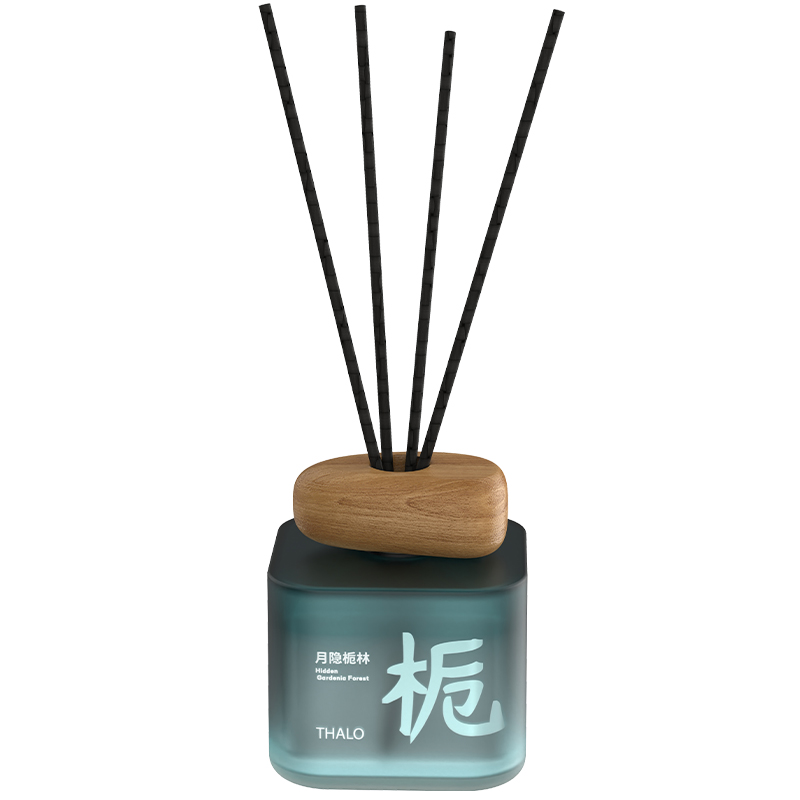
 ZHICHUNLet Nature Fill Your Space With Fragrance,Turn an ordinary room into a peaceful fragrance retreat. Thalo “Spring Awakening” Reed Diffuser brings the beauty of Oriental-inspired scents into everyday life, creating a warm and elegant atmosphere without flame, smoke or electricity.
Inspired by nature, the 180ml Home Fragrance Collection features three distinctive scents: Moonlit Gardenia Forest, Wumu Gradually Becomes Spring, and Green Tea Reflection Spring. Each fragrance unfolds gently through high-density reed sticks, filling your space with a continuous and refined aroma.
The frosted glass bottle, wood-inspired cap and minimalist design add a sophisticated decorative touch to any interior. Perfect for bedrooms, living rooms, bathrooms, offices, boutiques and hotels, this Natural Reed Diffuser creates a relaxing fragrance experience while helping refresh indoor air.
Bring a touch of spring, nature and tranquility into every moment with Thalo. XiaoxiangyuTitle: The Car Air Freshener That Keeps Every Mile Fresh
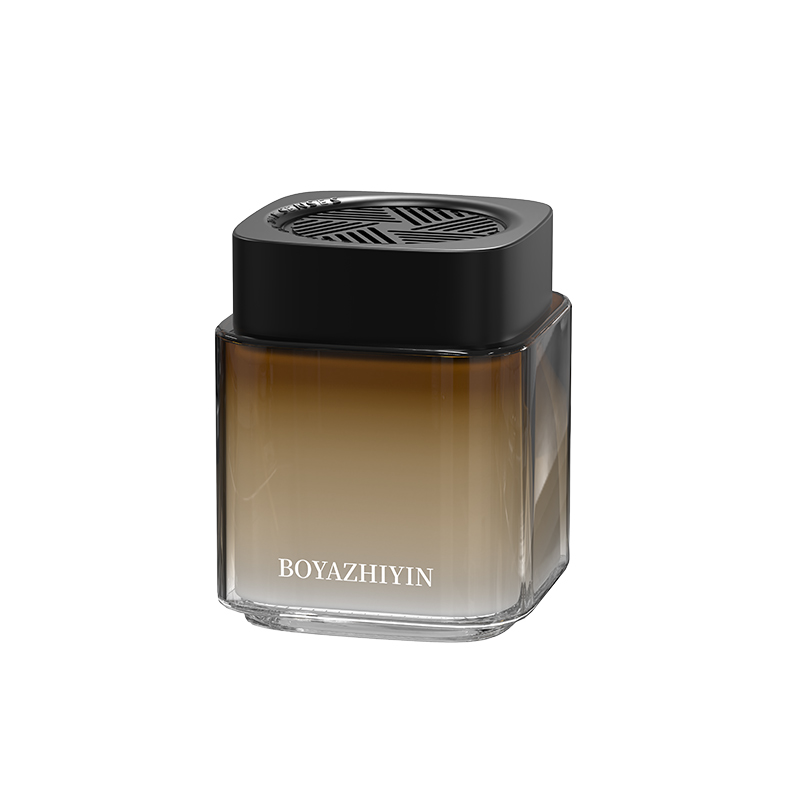
Every drive deserves a fresh, calming atmosphere. The BOYAZHIYIN car air freshener turns your car into a private sanctuary of natural scent. Crafted specifically for small spaces, this long lasting car air freshener delivers pure botanical fragrance without the dizzying intensity of ordinary car perfumes. Our solid gel formula releases scent steadily for weeks, keeping your cabin inviting from the first mile to the last. Each glass jar is built to impress, with a crystal-clear body and a striped diffusion lid that spreads fragrance evenly through every corner. Choose from four refined scents: Oud Rose, Wild Cologne, Dew Gardenia, or High Mountain White Tea. Made with plant essential oils, it is a natural car air freshener you can trust every single day. Breathe easier, drive happier, and enjoy a car that always smells as good as it looks. Ling FengTurn Every Drive Into a Fragrance Ritual
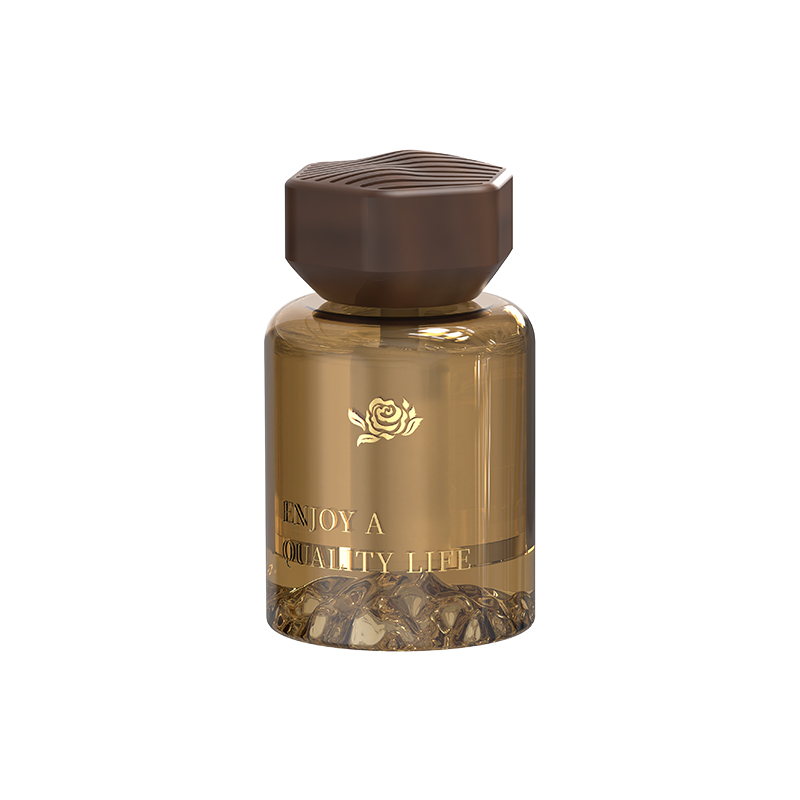
Step into your car and let a refined fragrance transform the atmosphere instantly. Designed for those who appreciate elegance in every detail, this premium car fragrance combines a sophisticated bottle design with high-quality fragrance oils to make every journey more enjoyable.
With 24-hour long-lasting diffusion and a 360° fragrance experience, the scent spreads evenly throughout your car without feeling overpowering. The oil-based formula helps maintain a smooth and consistent aroma, while perfume-grade fragrance creates a more layered and elegant scent experience.
From the fresh and delicate character of Misty Longjing to the deeper, sophisticated notes of Classic Cologne, every fragrance tells its own story. Black KnightA Fragrance That Turns Any Space Into a Memory
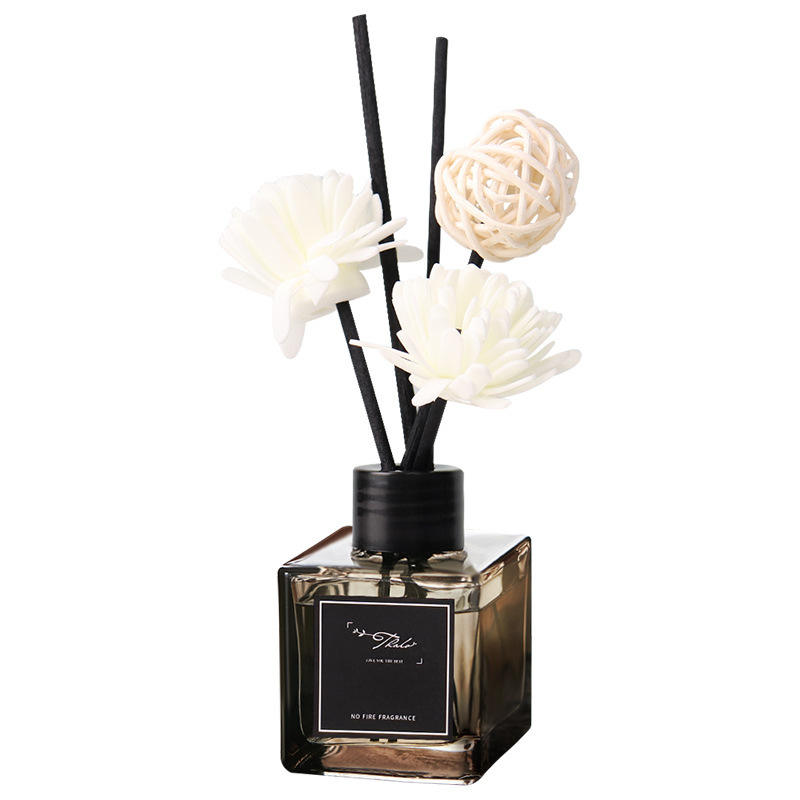
Bring nature indoors with Thalo Botanical Reed Diffuser, a premium home fragrance designed to transform everyday spaces into moments of calm. Crafted with botanical-inspired ingredients and imported fragrance oils, it releases an elegant, long-lasting aroma without flame or smoke.
The 50ml reed diffuser combines a deep brown bottle with high-density fiber reeds and handmade botanical dried flowers, creating both a beautiful decorative piece and an effective air freshener. From peaceful bedrooms to sophisticated living rooms, boutiques, hotels, exhibitions and special events, it adds a refined fragrance wherever you place it.
Choose a scent, place the diffuser, and let the fragrance unfold naturally.
Thalo — bringing the beauty of nature into every memorable moment.
Can't find what you're looking for ?
Leave a Message we will call you back quickly!
Professional Service
Interested? Leave your contact details.
Search Starts Here

