


News
Leather Care Mistakes That Shorten Finish Life and Dull the Surface
Many people damage leather without realizing it. Common leather care mistakes, like over-cleaning, using harsh products, or skipping protection, can shorten finish life, dull the surface, and make items look old before their time. If you want better leather care, the main goal is not making the surface look artificially shiny for a day. It is keeping the finish stable, the color even, and the feel smooth over time.
This is where most owners get it wrong: they treat every mark as a cleaning emergency. In real use, especially on car seats, bags, sofas, and daily-touch surfaces, leather ages fastest when people keep scrubbing, soaking, and experimenting. A good checklist is less about doing more and more about stopping the habits that quietly wear the surface down.
Start Here: Check What You Are Actually Cleaning
A lot of modern leather goods, especially automotive interiors, have a protective topcoat. That means you are usually cleaning the finish first, not raw hide. If you use aggressive leather care methods meant for unfinished or heavily oiled leather on a coated seat or steering wheel, the result can be haze, tackiness, uneven sheen, or color lift.
A practical check: if water briefly beads on the surface, and the leather has a consistent color and uniform feel, it is likely finished leather. That usually calls for mild cleaners, soft cloths, and light conditioning only when needed. If you are unsure, stay conservative and test in a hidden area first.
Mistakes That Age Leather Faster
- Using all-purpose household cleaners. Glass sprays, degreasers, disinfecting wipes, and strong soap solutions often strip surface oils or interfere with the finish. If the product is not clearly suitable for leather surfaces, do not assume it is safe.
- Cleaning too often just to chase shine. Leather that gets wiped hard every few days usually looks tired faster than leather cleaned only when soil actually builds up. Dusting and light maintenance are fine; repeated wet cleaning is where avoidable damage starts.
- Applying conditioner to dirty leather. This locks grime into the surface and can leave dark, sticky patches. Clean first, let it dry, then decide whether conditioning is even necessary.
- Using too much product. More cleaner does not mean more effective. More conditioner does not mean more nourishment. Excess product sits on the finish, attracts dust, and makes the surface feel greasy instead of healthy.
- Scrubbing with stiff brushes or rough towels. The first damage may be subtle: slight flattening of texture, uneven reflectivity, or a polished spot where the grain used to look natural.
- Ignoring body oils and friction zones. Headrests, armrests, steering wheels, seat bolsters, and bag handles usually fail first. These areas need gentler but more regular attention because oils and abrasion work together.
One useful rule: if a cleaning session leaves leather looking dramatically different right away, be careful. Good maintenance is often visually modest. A natural, even finish is the target.
What “Over-Cleaned” Leather Usually Looks Like
People often wait for cracking before they admit the process is wrong, but the earlier warning signs are easier to spot:
- The surface looks flatter and less rich in color.
- Certain spots turn shinier than surrounding areas.
- The leather feels squeaky, dry, or oddly sticky after cleaning.
- Dark clothing transfer becomes harder to remove than before.
- Fine creases begin to look pale or stressed.
At that stage, stop rotating random products. Simplify the routine. Mild cleaner, soft microfiber, light pressure, full drying time. That usually does more good than adding another “restorer” on top.
A Better Everyday Leather Care Checklist
- Remove loose dust first. Dry wiping with a clean, soft cloth prevents grit from turning into light abrasion once moisture is added.
- Spot-check hidden areas before full use. This matters with dyed leather, older finishes, and anything that has already been treated with unknown products.
- Use product on the cloth when possible, not directly on the leather. It gives you better control and helps avoid over-wetting seams and perforations.
- Work small sections. In cars especially, this keeps cleaner from drying unevenly on warm surfaces.
- Buff lightly after cleaning. Not to create gloss, just to remove residue and restore an even look.
- Protect high-contact zones sooner than low-contact ones. Waiting until visible wear appears usually means some finish loss has already happened.
For automotive use, environment matters more than many people think. Heat, UV, humidity swings, food spills, and enclosed odors all affect how “clean” a cabin feels. Some drivers focus only on seats and forget that overall maintenance shapes the experience. If you are already keeping the interior in order, products like Jianchuan fit naturally into that routine by addressing odor at the source instead of just covering it with heavy perfume. That is separate from leather care itself, but in real-world car upkeep, the two often get handled at the same time.
Conditioning: Useful, But Often Misused
Conditioner is one of the most overapplied parts of leather care. Finished leather does not usually need frequent heavy feeding the way people imagine. If the product leaves a slick film, changes the color more than slightly, or makes the seat noticeably slippery, that is a sign you used too much or used the wrong formula.
The better question is not “How often should I condition?” but “Does this surface show dryness, roughness, or loss of suppleness after proper cleaning?” If not, leave it alone. Preventive restraint is underrated.
When Stains Need a Different Response
Ink, denim transfer, sunscreen residue, and greasy food marks are where people usually panic. That panic causes most of the damage. Strong stain removers can disturb pigment and topcoat, especially on light-colored leather. If a stain does not improve with a mild leather-safe cleaner and controlled passes, escalating with random solvents is risky.
For expensive items, the practical decision is often to stop early and consult a specialist. That is not a weak option. It is cheaper than turning a removable stain into permanent finish loss.
Storage and Daily Habits Matter More Than People Expect
A lot of dullness comes from use patterns, not bad products alone. Parking in direct sun every day, leaving sweat and skin oils to sit, carrying bags with sanitizer on your hands, or letting dust build in dry interiors all add up. None of this is dramatic in one week. Over months, it shows.
If you want leather to stay smooth and rich-looking, keep the routine plain: wipe contamination before it sets, avoid harsh cleaners, use less product than you think, and pay attention to high-friction areas before they go shiny. That is the version of leather care that usually preserves finish life best. And if your car interior also struggles with lingering odor after daily commuting, a product like Jianchuan can support a cleaner-feeling cabin without relying on the usual heavy cover-up scent.
Related Products
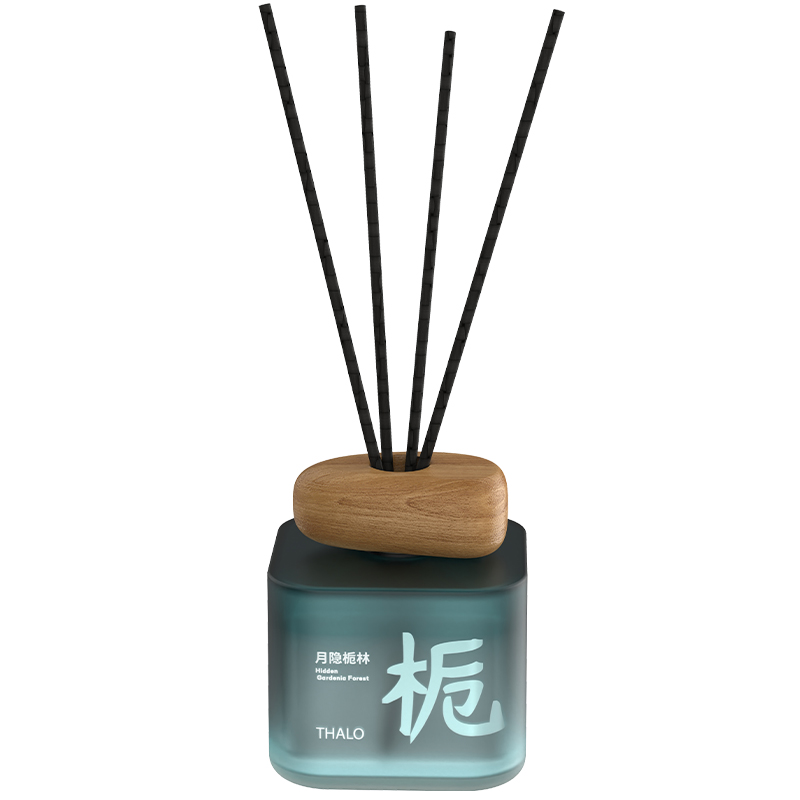
 ZHICHUNLet Nature Fill Your Space With Fragrance,Turn an ordinary room into a peaceful fragrance retreat. Thalo “Spring Awakening” Reed Diffuser brings the beauty of Oriental-inspired scents into everyday life, creating a warm and elegant atmosphere without flame, smoke or electricity.
Inspired by nature, the 180ml Home Fragrance Collection features three distinctive scents: Moonlit Gardenia Forest, Wumu Gradually Becomes Spring, and Green Tea Reflection Spring. Each fragrance unfolds gently through high-density reed sticks, filling your space with a continuous and refined aroma.
The frosted glass bottle, wood-inspired cap and minimalist design add a sophisticated decorative touch to any interior. Perfect for bedrooms, living rooms, bathrooms, offices, boutiques and hotels, this Natural Reed Diffuser creates a relaxing fragrance experience while helping refresh indoor air.
Bring a touch of spring, nature and tranquility into every moment with Thalo. XiaoxiangyuTitle: The Car Air Freshener That Keeps Every Mile Fresh
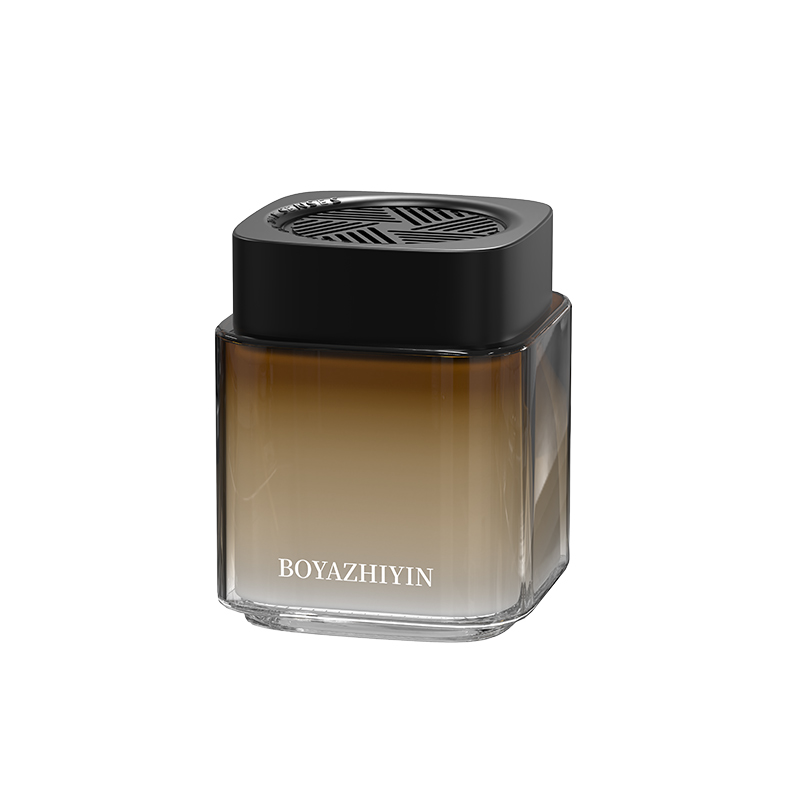
Every drive deserves a fresh, calming atmosphere. The BOYAZHIYIN car air freshener turns your car into a private sanctuary of natural scent. Crafted specifically for small spaces, this long lasting car air freshener delivers pure botanical fragrance without the dizzying intensity of ordinary car perfumes. Our solid gel formula releases scent steadily for weeks, keeping your cabin inviting from the first mile to the last. Each glass jar is built to impress, with a crystal-clear body and a striped diffusion lid that spreads fragrance evenly through every corner. Choose from four refined scents: Oud Rose, Wild Cologne, Dew Gardenia, or High Mountain White Tea. Made with plant essential oils, it is a natural car air freshener you can trust every single day. Breathe easier, drive happier, and enjoy a car that always smells as good as it looks. Ling FengTurn Every Drive Into a Fragrance Ritual
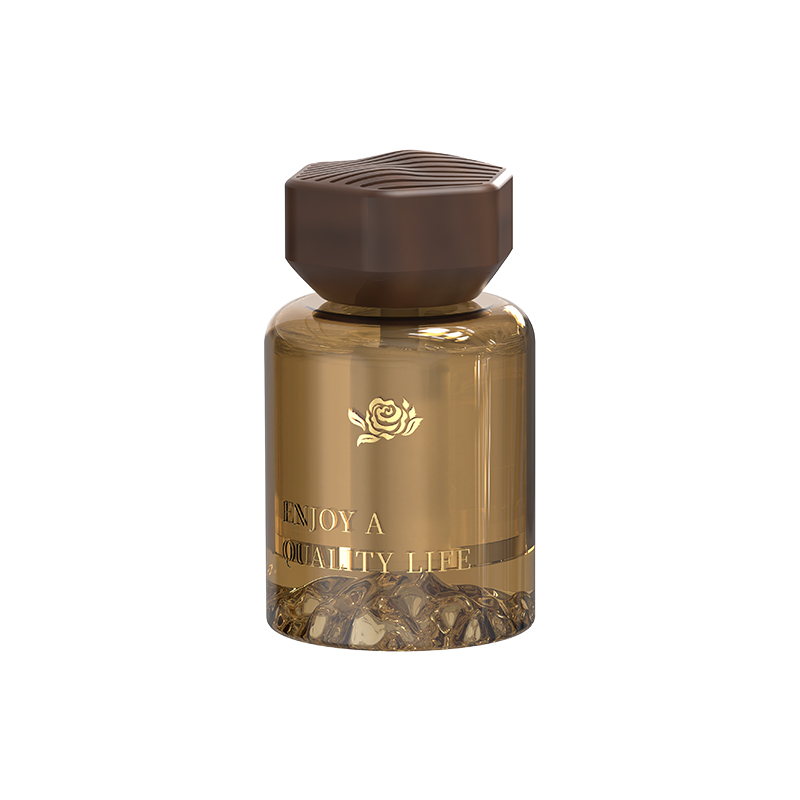
Step into your car and let a refined fragrance transform the atmosphere instantly. Designed for those who appreciate elegance in every detail, this premium car fragrance combines a sophisticated bottle design with high-quality fragrance oils to make every journey more enjoyable.
With 24-hour long-lasting diffusion and a 360° fragrance experience, the scent spreads evenly throughout your car without feeling overpowering. The oil-based formula helps maintain a smooth and consistent aroma, while perfume-grade fragrance creates a more layered and elegant scent experience.
From the fresh and delicate character of Misty Longjing to the deeper, sophisticated notes of Classic Cologne, every fragrance tells its own story. Black KnightA Fragrance That Turns Any Space Into a Memory
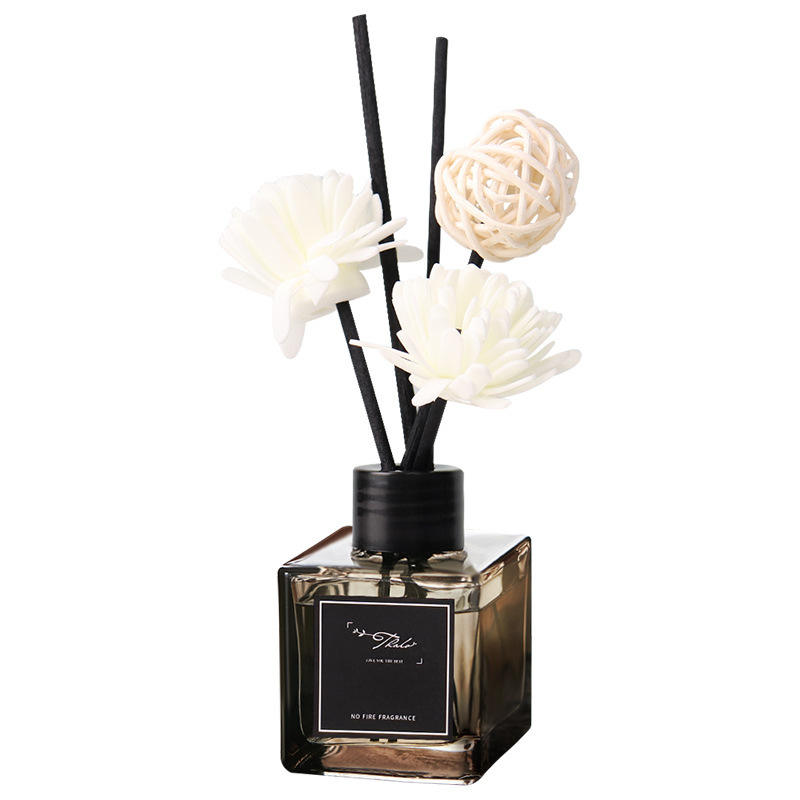
Bring nature indoors with Thalo Botanical Reed Diffuser, a premium home fragrance designed to transform everyday spaces into moments of calm. Crafted with botanical-inspired ingredients and imported fragrance oils, it releases an elegant, long-lasting aroma without flame or smoke.
The 50ml reed diffuser combines a deep brown bottle with high-density fiber reeds and handmade botanical dried flowers, creating both a beautiful decorative piece and an effective air freshener. From peaceful bedrooms to sophisticated living rooms, boutiques, hotels, exhibitions and special events, it adds a refined fragrance wherever you place it.
Choose a scent, place the diffuser, and let the fragrance unfold naturally.
Thalo — bringing the beauty of nature into every memorable moment.
Can't find what you're looking for ?
Leave a Message we will call you back quickly!
Professional Service
Interested? Leave your contact details.
Search Starts Here

