


News
What people usually get wrong about car fragrance
Choosing the best car fragrance is not just about picking a scent you like. In practice, most disappointing purchases fail for one of three reasons: the scent disappears too quickly, it stays trapped near the vent or dashboard instead of filling the cabin, or it leaves residue on plastic, leather, or trim. Those problems sound minor until you live with them in a small enclosed space every day. A fragrance that seems pleasant in the package can become tiring, patchy, or messy once it is exposed to heat, airflow, and repeated opening and closing of the car doors.
That is why longevity, throw, and residue matter more than dramatic top notes. They are the practical metrics behind whether a car scent actually works in commuting, school runs, road trips, and weekend driving. If you judge only by the first smell, you are evaluating perfume. If you judge by those three factors, you are evaluating product performance.
Longevity is not the same as intensity
Many buyers assume a stronger smell means a longer-lasting one. That is not necessarily true. A fragrance can open loudly because it releases volatile components fast, then flatten within days. Another may smell softer at first but remain stable over a much longer period. In a car, temperature swings complicate this even more. Sunlight and a closed cabin can accelerate evaporation, especially in summer, while cold weather can mute diffusion and make a fragrance seem weaker than it really is.
A better way to judge longevity is to ask how the fragrance behaves over time rather than how aggressively it announces itself on day one. Does it still smell balanced after several drives? Does it fade evenly, or does it shift into a sharp or sugary leftover note? Products that maintain a consistent character usually feel more refined than those that burn through their opening quickly. For everyday use, a controlled release profile tends to be more valuable than a dramatic first impression.
Throw should fill the space, not attack it
“Throw” is a useful term because it separates presence from harshness. In simple terms, it describes how well the scent projects through the cabin. A good throw does not mean every passenger notices it immediately from the parking lot. It means the fragrance spreads evenly enough that the car feels clean and comfortable instead of having one overpowering hotspot near the vent, cup holder, or rearview mirror.
This matters because a car is a compact environment with uneven airflow. Vent clips, hanging diffusers, gel cups, and solid fresheners all disperse scent differently. A vent-mounted product may smell stronger while the air conditioning is running but feel almost absent when the car is parked. A passive diffuser may be steadier yet more subtle. Neither format is automatically better. The right choice depends on whether you want quick odor masking after entering the vehicle or a gentler background scent that stays more consistent during the day.
If a fragrance gives you a headache within a few minutes, that is usually not “good throw.” It is poor control. The best car fragrance should be noticeable without turning the cabin into a small perfume counter.
Residue is where design quality becomes obvious
Residue is often ignored until it becomes visible. Oily marks on dashboard panels, sticky rings in cup holders, damp leakage from a bottle, or film buildup near vents all point to a poor match between fragrance carrier, container design, and vehicle conditions. Heat exposes weak formulations very quickly. A product may smell acceptable but still fail if it sweats, leaks, or transfers onto surfaces that are hard to clean.
This is especially important for drivers who care about interior materials. Soft-touch plastics, coated trim, and leather-like surfaces do not all respond the same way to oils and solvents. The safest buying habit is to look for formats that keep the fragrance medium well-contained and do not rely on over-saturation. In use, the product should scent the air, not migrate onto surrounding surfaces.
A quick evaluation framework before you buy
When comparing options, it helps to think in tradeoffs rather than in marketing claims. This is usually enough to narrow the field:
This is also where scent style matters. Notes described as elegant and restrained generally work better for a closed cabin than fragrances built to dominate a room. A car does not need constant intensity; it needs balance. Some products, including designs positioned as both fragrance and interior ornament, try to solve that by combining softer diffusion with a more considered exterior look. One example is Ting Shang Hua Xi, which is presented for commuting, traveling, and weekend outings with a profile aimed at removing in-car odor while staying sweet without becoming cloying. That kind of positioning makes sense when the buyer wants atmosphere as much as scent strength.
Why manufacturing experience still matters, even for a simple item
Car fragrance looks simple from the outside, but consistency is not accidental. It depends on formulation control, packaging fit, and how well the product is adapted to real storage and transport conditions. In the daily chemical sector, companies that have expanded through multiple production stages often understand this better because fragrance is only one part of the equation. The business behind these products may need to manage filling, sealing, material compatibility, odor control performance, and appearance all at once.
That background is worth noting here. The manufacturer in this case has grown from a small factory established in 2015 into a larger operation in Linyi, Shandong, with more than 160 employees and additional factory development across home washing and care. That does not automatically prove one specific item is the best car fragrance, and buyers should be careful with absolute claims. But it does suggest a production context where packaging discipline, repeatability, and product line experience are likely taken seriously. For fragrance products used in a hot, enclosed environment, that operational maturity is not irrelevant.
What actually makes one option the right choice
The best choice depends less on hype and more on your tolerance for scent strength, your driving pattern, and how much you care about keeping the interior pristine. A commuter who spends an hour a day in traffic may prefer a subtle, steady diffuser. Someone dealing with food smells, smoke residue, or frequent passengers may want stronger short-term projection, but still without leakage. Drivers who treat the cabin as part of the ownership experience often care just as much about appearance, which is why a refined, high-end color match or ornamental design can be a legitimate buying factor rather than a superficial one.
So when judging any candidate, ask three plain questions: does it last in a believable way, does it spread without turning harsh, and does it stay off the surfaces around it? If the answer is yes on all three, you are closer to the real standard people mean when they talk about the best car fragrance. Everything else, including branding and scent storytelling, comes after that.
Related Products
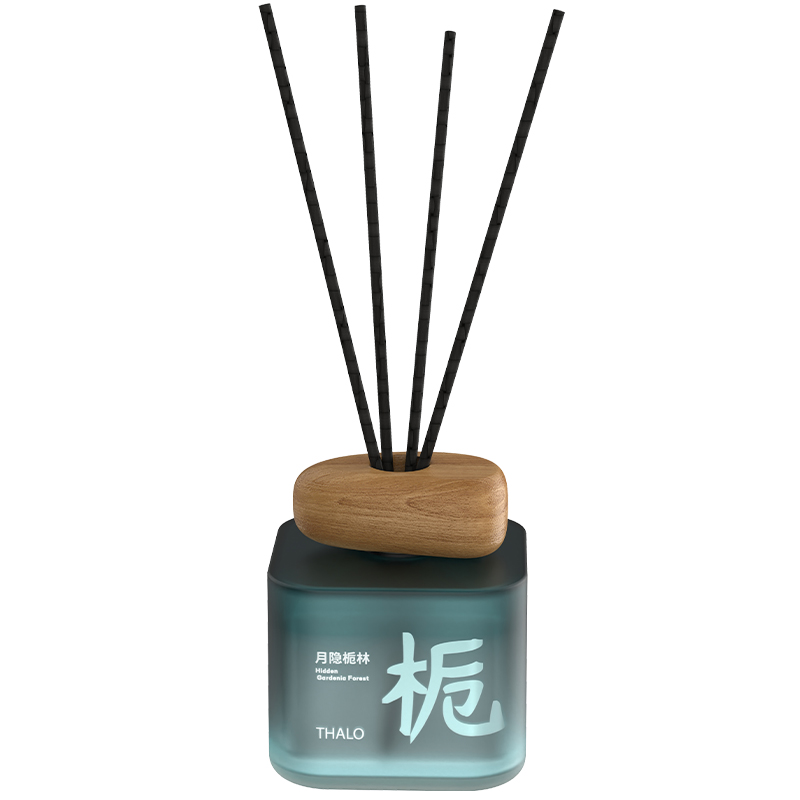
 ZHICHUNLet Nature Fill Your Space With Fragrance,Turn an ordinary room into a peaceful fragrance retreat. Thalo “Spring Awakening” Reed Diffuser brings the beauty of Oriental-inspired scents into everyday life, creating a warm and elegant atmosphere without flame, smoke or electricity.
Inspired by nature, the 180ml Home Fragrance Collection features three distinctive scents: Moonlit Gardenia Forest, Wumu Gradually Becomes Spring, and Green Tea Reflection Spring. Each fragrance unfolds gently through high-density reed sticks, filling your space with a continuous and refined aroma.
The frosted glass bottle, wood-inspired cap and minimalist design add a sophisticated decorative touch to any interior. Perfect for bedrooms, living rooms, bathrooms, offices, boutiques and hotels, this Natural Reed Diffuser creates a relaxing fragrance experience while helping refresh indoor air.
Bring a touch of spring, nature and tranquility into every moment with Thalo. XiaoxiangyuTitle: The Car Air Freshener That Keeps Every Mile Fresh
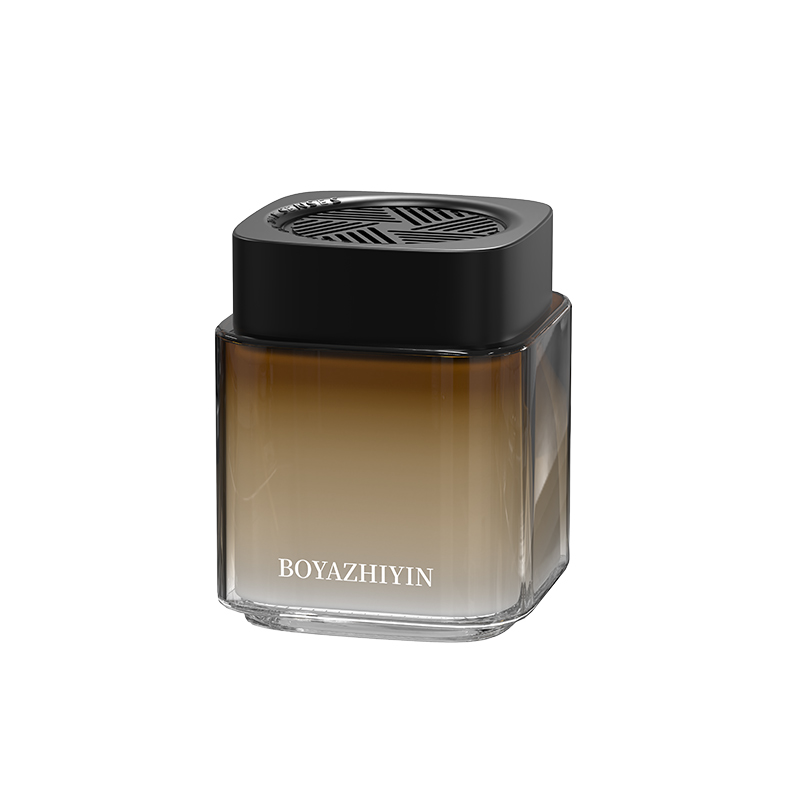
Every drive deserves a fresh, calming atmosphere. The BOYAZHIYIN car air freshener turns your car into a private sanctuary of natural scent. Crafted specifically for small spaces, this long lasting car air freshener delivers pure botanical fragrance without the dizzying intensity of ordinary car perfumes. Our solid gel formula releases scent steadily for weeks, keeping your cabin inviting from the first mile to the last. Each glass jar is built to impress, with a crystal-clear body and a striped diffusion lid that spreads fragrance evenly through every corner. Choose from four refined scents: Oud Rose, Wild Cologne, Dew Gardenia, or High Mountain White Tea. Made with plant essential oils, it is a natural car air freshener you can trust every single day. Breathe easier, drive happier, and enjoy a car that always smells as good as it looks. Ling FengTurn Every Drive Into a Fragrance Ritual
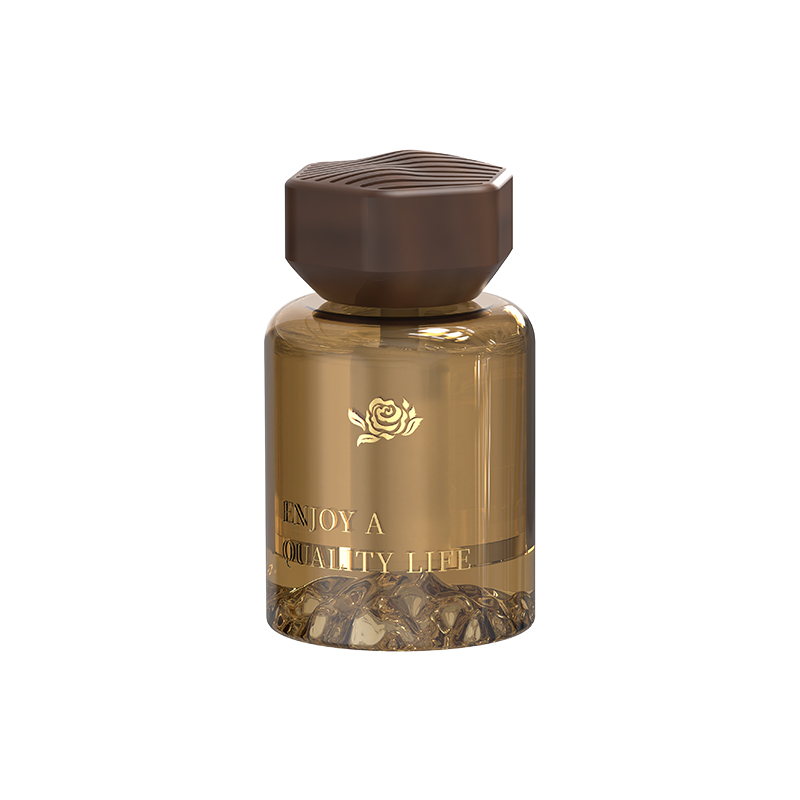
Step into your car and let a refined fragrance transform the atmosphere instantly. Designed for those who appreciate elegance in every detail, this premium car fragrance combines a sophisticated bottle design with high-quality fragrance oils to make every journey more enjoyable.
With 24-hour long-lasting diffusion and a 360° fragrance experience, the scent spreads evenly throughout your car without feeling overpowering. The oil-based formula helps maintain a smooth and consistent aroma, while perfume-grade fragrance creates a more layered and elegant scent experience.
From the fresh and delicate character of Misty Longjing to the deeper, sophisticated notes of Classic Cologne, every fragrance tells its own story. Black KnightA Fragrance That Turns Any Space Into a Memory
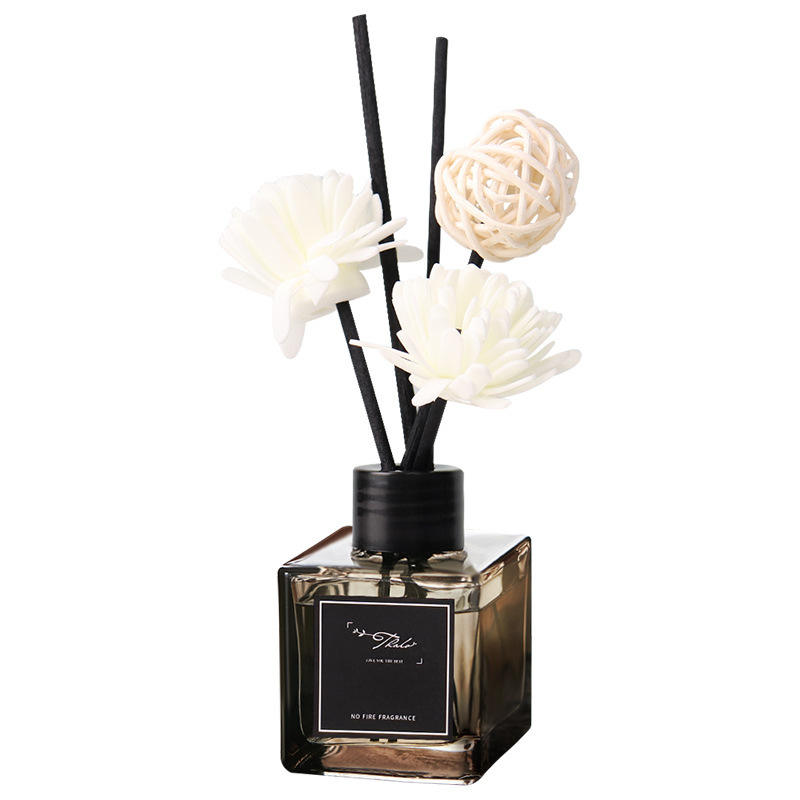
Bring nature indoors with Thalo Botanical Reed Diffuser, a premium home fragrance designed to transform everyday spaces into moments of calm. Crafted with botanical-inspired ingredients and imported fragrance oils, it releases an elegant, long-lasting aroma without flame or smoke.
The 50ml reed diffuser combines a deep brown bottle with high-density fiber reeds and handmade botanical dried flowers, creating both a beautiful decorative piece and an effective air freshener. From peaceful bedrooms to sophisticated living rooms, boutiques, hotels, exhibitions and special events, it adds a refined fragrance wherever you place it.
Choose a scent, place the diffuser, and let the fragrance unfold naturally.
Thalo — bringing the beauty of nature into every memorable moment.
Can't find what you're looking for ?
Leave a Message we will call you back quickly!
Professional Service
Interested? Leave your contact details.
Search Starts Here

