


News
Pet Deodorizer seems useless? Start by checking where odor really lives
When a Pet Deodorizer stops delivering results, the product is not always the main issue.
More often, odor has settled into places people clean lightly, skip often, or simply do not notice.
That is why one spray can freshen the room briefly, yet the smell returns within hours.
In everyday home care, pet odor usually builds in layers: on fabric, inside corners, near moisture, and in slow-moving air.
A better Pet Deodorizer routine starts with finding those layers and treating the source, not only the air.
Why does pet smell come back right after cleaning?
This is one of the most common complaints around Pet Deodorizer use.
The usual reason is simple: surface freshness is masking a deeper odor reservoir.
For example, a floor may smell clean, while the baseboard edge still holds dried residue.
A sofa may look spotless, but the inner cushion foam can keep absorbing body oils and pet dander.
Litter zones are another major source. People scoop daily, yet often miss the outer wall, mat underside, or nearby grout line.
In practical use, a good odor-control routine combines washing, drying, ventilation, and targeted deodorizing.
That approach is more reliable than repeatedly adding more fragrance.
Which hidden household spots are missed most often?
Most households focus on obvious pet areas first, but the stubborn smell often comes from less visible places.
- Pet bedding seams, where sweat, saliva, and skin flakes collect.
- Carpet backing, not just the top fibers.
- Curtains and soft furniture that trap airborne odor over time.
- Air vents and return grilles, especially in closed rooms.
- Corners behind litter boxes, feeding stands, and crates.
- Washable mats that were cleaned but not dried fully.
If your Pet Deodorizer works in one room but not another, compare soft surfaces and airflow first.
That difference usually tells you more than the label does.
A quick check before blaming the product
The table below helps narrow down where odor is likely hiding and what to do next.
How should you use a Pet Deodorizer for better results?
A Pet Deodorizer performs better when it is part of a sequence.
Start by removing loose hair and visible residue. Then clean the surface. Then deodorize. Finally, let the area dry and ventilate.
That order matters because odor molecules cling to dirt, moisture, and oils.
If those stay behind, the Pet Deodorizer has to fight an ongoing source instead of a leftover smell.
It also helps to rotate care by zone. Do not treat only the area that smells strongest.
In many homes, balanced room care works better than over-treating one spot every day.
Some households also add a light ambient option such as Muchun.
Used in a home scene, its naturally extracted fragrance and elegant, non-pungent layers can support a cleaner overall impression.
Still, ambient fragrance should follow source control, not replace it.
Are some odor problems actually cleaning and maintenance issues?
Yes, and this is where many routines break down.
A deodorizer can help manage smell, but it cannot correct poor wash cycles, damp fabrics, or infrequent replacement of pet items.
Bedding that stays slightly wet after washing will often smell stronger within a day.
Old litter boxes with scratched interiors can hold odor even after scrubbing.
Vacuum filters, mop heads, and reusable cloths can also re-spread odor if they are not maintained.
In the home washing and care sector, product performance depends heavily on routine quality.
That is why experienced daily chemical care manufacturers keep building broader household care lines instead of offering one isolated solution.
A company that expanded from a small 2015 setup in Linyi to larger industrial production, home washing and care capabilities, and a second factory reflects that broader understanding of real household odor control.
When is it time to switch products, not just habits?
Sometimes the routine is fine and the formula is the weak point.
Consider changing your Pet Deodorizer if the scent is overpowering, short-lived, or unpleasant when mixed with existing room odors.
You may also need another option if the home has multiple pets, heavy fabric use, or low ventilation.
The better judging standard is not how strong the fragrance seems at first.
It is whether the room stays neutral and comfortable several hours later.
For people who want a softer finish after cleaning, Muchun can fit naturally into the room without creating a sharp, chemical feel.
Its 90g format and refined home-focused profile make it more of a finishing layer than a heavy cover scent.
What is the smartest next step if your Pet Deodorizer still disappoints?
Do a room-by-room odor audit before buying another bottle.
Check bedding, under furniture, vent covers, washable mats, crate trays, and fabric surfaces in that order.
Then review your routine: cleaning frequency, drying quality, airflow, and replacement of worn pet items.
If those basics are in place, compare Pet Deodorizer options by smell balance, persistence, and suitability for your actual home scene.
The goal is not to make the room smell stronger.
It is to make the room smell clean, calm, and consistently lived-in without that returning pet note.
Related Products
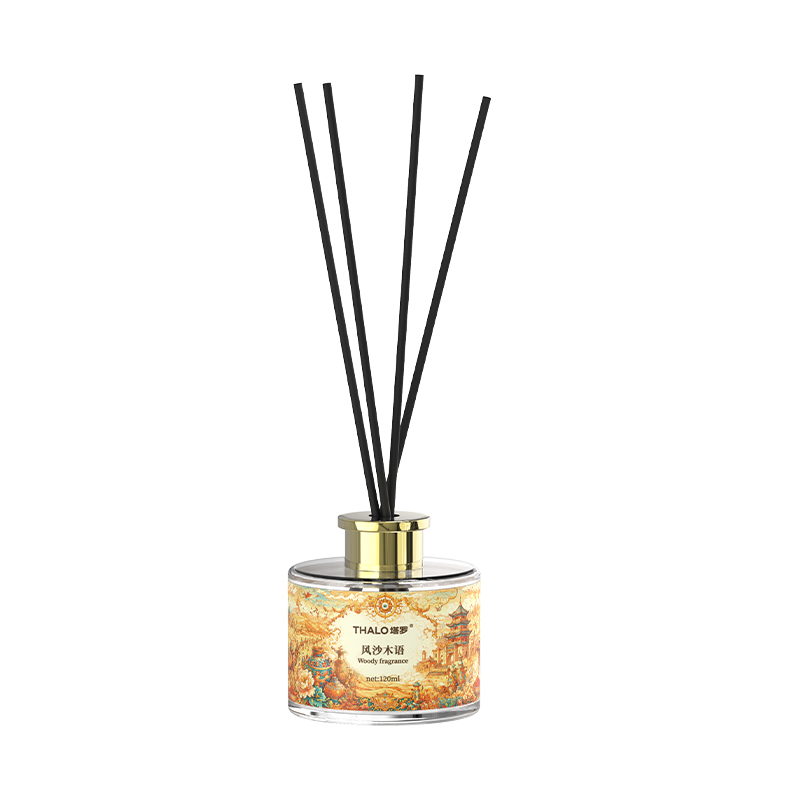
 Silk Road Flower LanguageA Fragrance Journey Along the Silk Road
Step into a world where ancient Silk Road culture meets modern home fragrance. Thalo Silk Road Reed Diffuser transforms your space with an elegant Oriental-inspired aroma, bringing warmth, sophistication and a sense of discovery to everyday moments.
Designed as a flameless home fragrance, it continuously releases fragrance through natural diffuser reeds, creating a calm and inviting atmosphere without fire or electricity. The artistic bottle and premium gift box make it a beautiful addition to bedrooms, entryways, living rooms, boutiques and hotels.
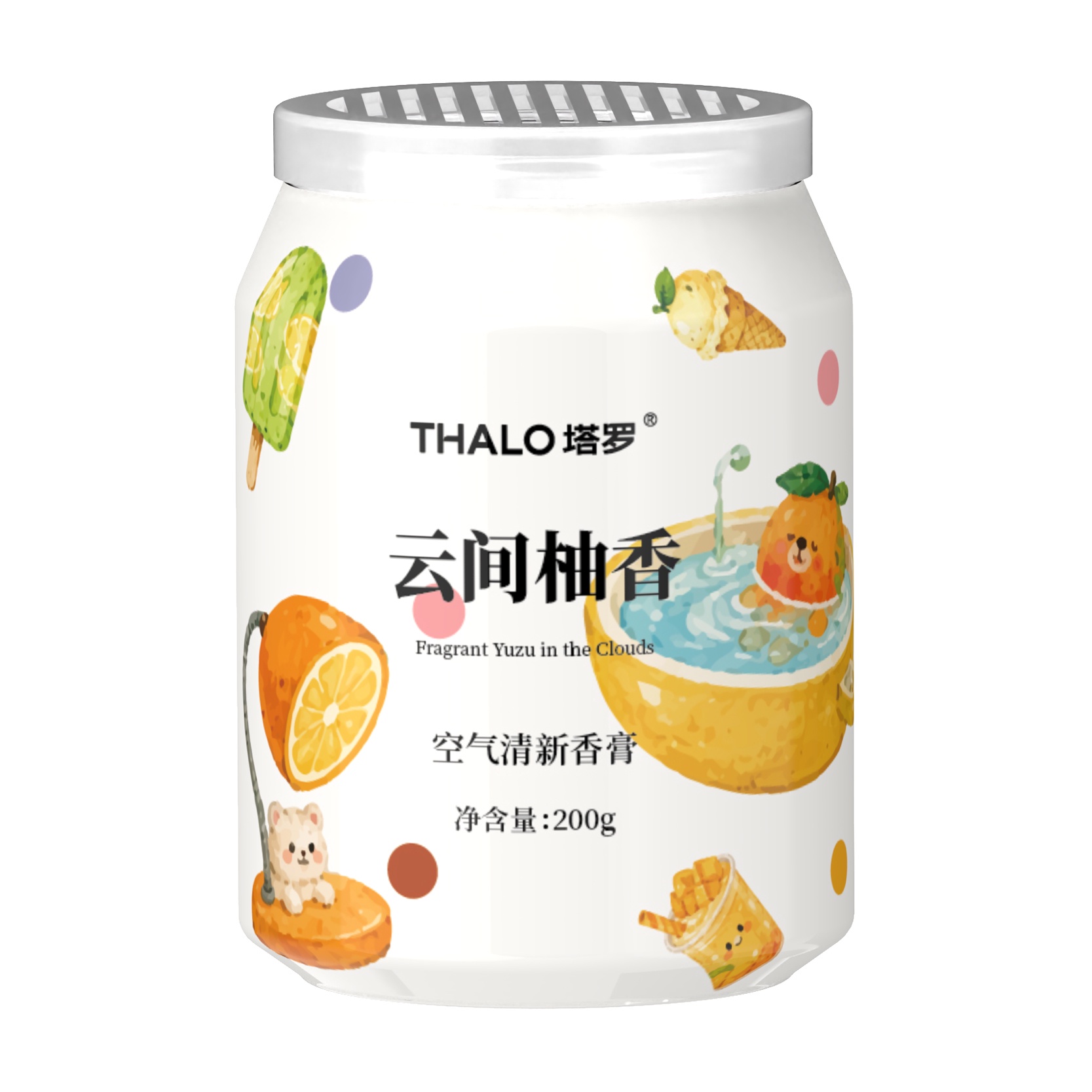
Let every breath become a journey through fragrance. GuoyangYour Car Deserves Better Than That "New Car Smell"
Ever step into your car and wish it smelled like a sunlit orchard instead of stale air.Meet THALO's Fruit Scent Collection — a solid car air freshener that turns every drive into a mini fruit paradise. No sprays, no plugs, no mess. Just unscrew the ventilated lid, and let the 200g fragrance gel slowly release pure, juicy aroma for weeks.
Pick your mood: White Peach in the Snow (soft, creamy, dreamy), Fragrant Yuzu in the Clouds (bright citrus that wakes you up), or Laurel Apple (warm apple-cinnamon comfort). Each jar is hand-illustrated with adorable fruit art that looks as good as it smells — a dopamine hit for your cup holder.
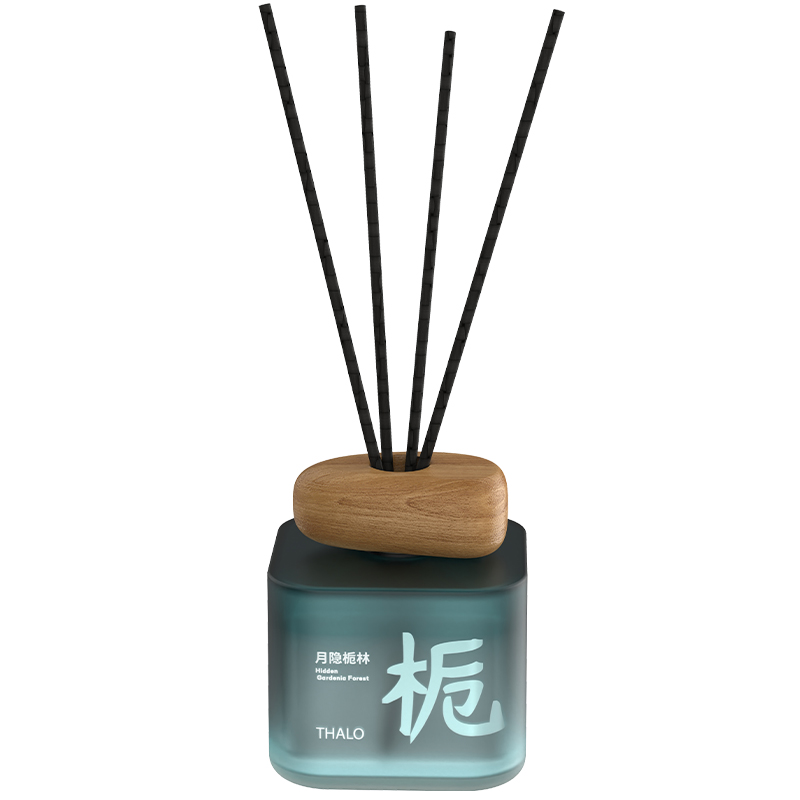
Safe for daily commutes, family trips, and long drives. Plant-based formula, IFRA-certified, crafted with Firmenich perfumers. Fresh air, one twist away. ZHICHUNLet Nature Fill Your Space With Fragrance,Turn an ordinary room into a peaceful fragrance retreat. Thalo “Spring Awakening” Reed Diffuser brings the beauty of Oriental-inspired scents into everyday life, creating a warm and elegant atmosphere without flame, smoke or electricity.
Inspired by nature, the 180ml Home Fragrance Collection features three distinctive scents: Moonlit Gardenia Forest, Wumu Gradually Becomes Spring, and Green Tea Reflection Spring. Each fragrance unfolds gently through high-density reed sticks, filling your space with a continuous and refined aroma.
The frosted glass bottle, wood-inspired cap and minimalist design add a sophisticated decorative touch to any interior. Perfect for bedrooms, living rooms, bathrooms, offices, boutiques and hotels, this Natural Reed Diffuser creates a relaxing fragrance experience while helping refresh indoor air.
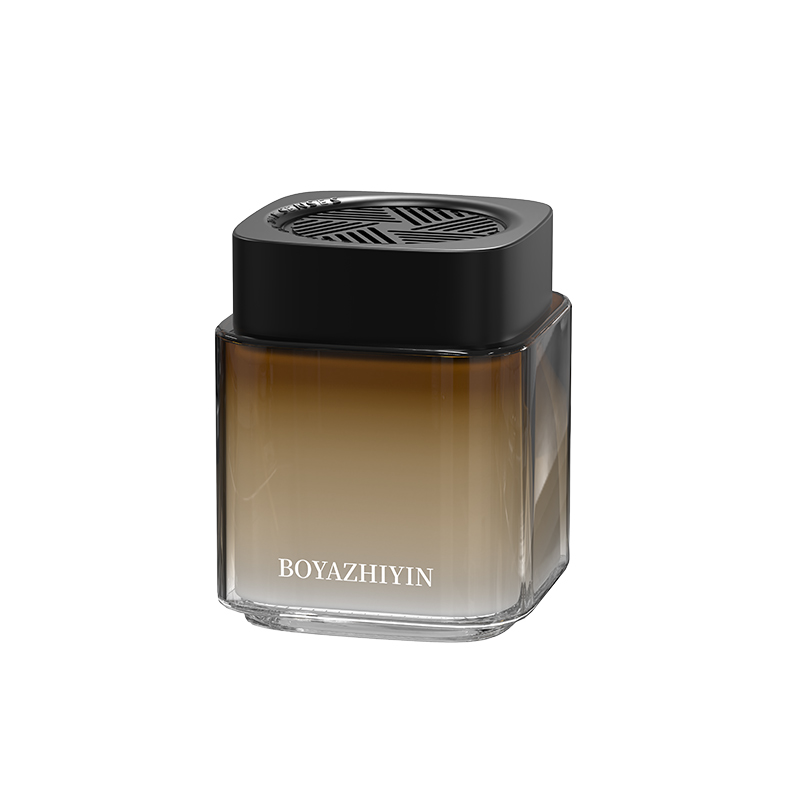
Bring a touch of spring, nature and tranquility into every moment with Thalo. XiaoxiangyuTitle: The Car Air Freshener That Keeps Every Mile Fresh
Every drive deserves a fresh, calming atmosphere. The BOYAZHIYIN car air freshener turns your car into a private sanctuary of natural scent. Crafted specifically for small spaces, this long lasting car air freshener delivers pure botanical fragrance without the dizzying intensity of ordinary car perfumes. Our solid gel formula releases scent steadily for weeks, keeping your cabin inviting from the first mile to the last. Each glass jar is built to impress, with a crystal-clear body and a striped diffusion lid that spreads fragrance evenly through every corner. Choose from four refined scents: Oud Rose, Wild Cologne, Dew Gardenia, or High Mountain White Tea. Made with plant essential oils, it is a natural car air freshener you can trust every single day. Breathe easier, drive happier, and enjoy a car that always smells as good as it looks.
Can't find what you're looking for ?
Leave a Message we will call you back quickly!
Professional Service
Interested? Leave your contact details.
Search Starts Here

