


Why does an air freshener for car lose scent so quickly?
A fading scent usually does not mean the product failed.
In most cases, the issue comes from heat, airflow, odor load, or unrealistic expectations about how long an air freshener for car should perform.
Many drivers notice a strong smell on day one.
Then the fragrance seems to vanish after a few days.
What often happens is simpler: your nose adapts fast, while the product keeps releasing fragrance at a lower, steadier level.
Car cabins also create a harsh environment.
Sunlight, parked heat, open windows, and air conditioning can all shorten the useful life of an air freshener for car.
If the cabin has smoke, food residue, damp mats, or pet odors, fragrance gets consumed masking those smells instead of staying bright and noticeable.
That is why lasting freshness depends on both the formula and the car environment.
Is placement really that important?
Yes, placement changes performance more than many people expect.
An air freshener for car placed in direct sun may smell stronger at first, but it often burns through fragrance faster.
A unit placed where airflow is too weak may last longer, yet feel ineffective.
The better approach is balanced airflow.
Vent clips, console placements, or cup-holder formats can work well when they avoid constant overheating.
Solid fragrance formats are often more stable than liquid-heavy options in high summer temperatures.
Some drivers prefer products designed to release fragrance evenly instead of in short bursts.
For example, Vitality Aromatherapy uses innovative solid-state slow-release technology and a 360 ° diffusion approach.
In practical use, that type of design may help reduce the “too strong, then suddenly gone” problem.
Could the real problem be odors already trapped inside the car?
Very often, yes.
A fresh scent cannot fully overcome old odor sources sitting in fabric, vents, and floor materials.
This is where many people misjudge an air freshener for car.
They replace the fragrance again and again, but never remove the cause.
More common odor sources include:
- spilled coffee or milk under seats
- wet umbrellas or damp trunk liners
- dirty cabin air filters
- smoke residue in upholstery
- food packaging left overnight
If these remain, even a premium air freshener for car will seem weak.
Better results come from cleaning first, then adding fragrance.
That is also why newer daily chemical brands focus on odor decomposition, not only perfume strength.
Companies with expanding washing and care production, including long-term manufacturers in Linyi with over 160 employees and multi-factory growth since 2015, tend to understand this balance well.
How can you tell whether your air freshener for car is the wrong type?
A quick comparison helps more than guesswork.
Different formats behave differently in hot, cold, dry, or odor-heavy cabins.
In other words, the wrong format can look like poor quality even when the product is functioning normally.
What habits make the scent last longer in daily use?
Small habits have a bigger effect than frequent replacement.
- Park in shade when possible, especially in summer.
- Remove trash and food containers the same day.
- Dry wet mats and clean fabric surfaces regularly.
- Run outside air through the cabin for a few minutes.
- Replace the cabin filter if the car smells dusty or stale.
If you drive often, choose an air freshener for car that combines fragrance with odor control.
That matters more than choosing the strongest perfume note.
Some products condense natural fragrance into a cream-like solid, helping fragrance release stay smoother over time.
Used correctly, Vitality Aromatherapy fits this preference by evenly dispersing fragrance while actively addressing odors inside the car.
When should you replace it, and when should you troubleshoot instead?
Replace the product when the material is clearly exhausted, dried out, or no longer releases scent after airflow and cleaning checks.
Troubleshoot first if the scent faded suddenly after a heat wave, after deep odors appeared, or after changing parking habits.
A practical checklist is useful:
- Check whether your nose has adapted by stepping out for a few minutes.
- Inspect the placement and sun exposure.
- Look for hidden odor sources under seats and in the trunk.
- Confirm whether the cabin filter needs replacement.
- Then decide whether a new air freshener for car is actually needed.
If the goal is longer-lasting freshness, focus on release method, odor control, and real driving conditions.
That gives a better result than chasing the strongest first impression.
A good next step is to compare your current format, placement, and cabin condition before switching products.
Once those three factors line up, an air freshener for car usually performs much closer to expectations.
Related Products
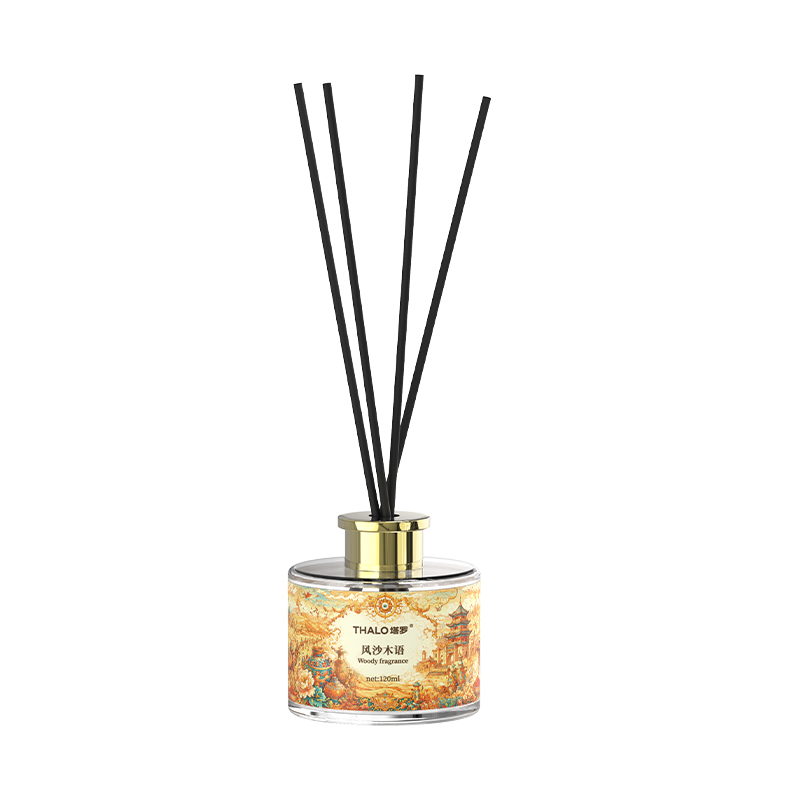
 Silk Road Flower LanguageA Fragrance Journey Along the Silk Road
Step into a world where ancient Silk Road culture meets modern home fragrance. Thalo Silk Road Reed Diffuser transforms your space with an elegant Oriental-inspired aroma, bringing warmth, sophistication and a sense of discovery to everyday moments.
Designed as a flameless home fragrance, it continuously releases fragrance through natural diffuser reeds, creating a calm and inviting atmosphere without fire or electricity. The artistic bottle and premium gift box make it a beautiful addition to bedrooms, entryways, living rooms, boutiques and hotels.
Let every breath become a journey through fragrance. GuoyangYour Car Deserves Better Than That "New Car Smell"
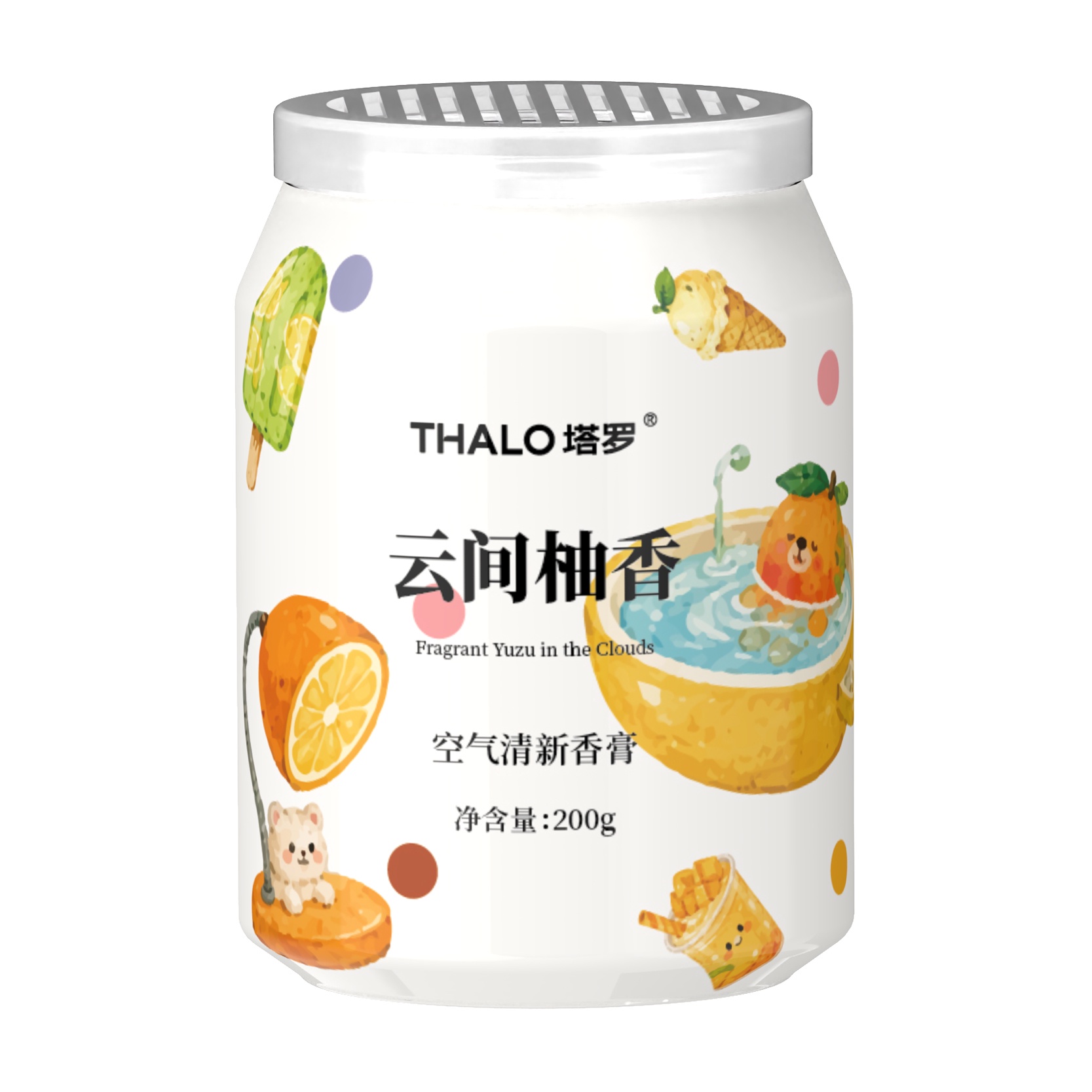
Ever step into your car and wish it smelled like a sunlit orchard instead of stale air.Meet THALO's Fruit Scent Collection — a solid car air freshener that turns every drive into a mini fruit paradise. No sprays, no plugs, no mess. Just unscrew the ventilated lid, and let the 200g fragrance gel slowly release pure, juicy aroma for weeks.
Pick your mood: White Peach in the Snow (soft, creamy, dreamy), Fragrant Yuzu in the Clouds (bright citrus that wakes you up), or Laurel Apple (warm apple-cinnamon comfort). Each jar is hand-illustrated with adorable fruit art that looks as good as it smells — a dopamine hit for your cup holder.
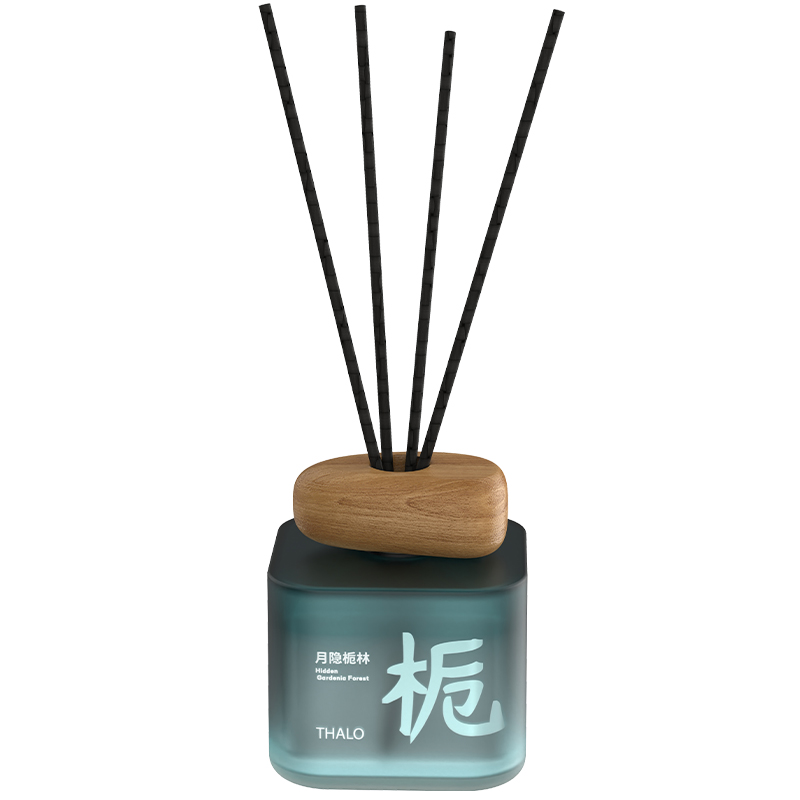
Safe for daily commutes, family trips, and long drives. Plant-based formula, IFRA-certified, crafted with Firmenich perfumers. Fresh air, one twist away. ZHICHUNLet Nature Fill Your Space With Fragrance,Turn an ordinary room into a peaceful fragrance retreat. Thalo “Spring Awakening” Reed Diffuser brings the beauty of Oriental-inspired scents into everyday life, creating a warm and elegant atmosphere without flame, smoke or electricity.
Inspired by nature, the 180ml Home Fragrance Collection features three distinctive scents: Moonlit Gardenia Forest, Wumu Gradually Becomes Spring, and Green Tea Reflection Spring. Each fragrance unfolds gently through high-density reed sticks, filling your space with a continuous and refined aroma.
The frosted glass bottle, wood-inspired cap and minimalist design add a sophisticated decorative touch to any interior. Perfect for bedrooms, living rooms, bathrooms, offices, boutiques and hotels, this Natural Reed Diffuser creates a relaxing fragrance experience while helping refresh indoor air.
Bring a touch of spring, nature and tranquility into every moment with Thalo. XiaoxiangyuTitle: The Car Air Freshener That Keeps Every Mile Fresh
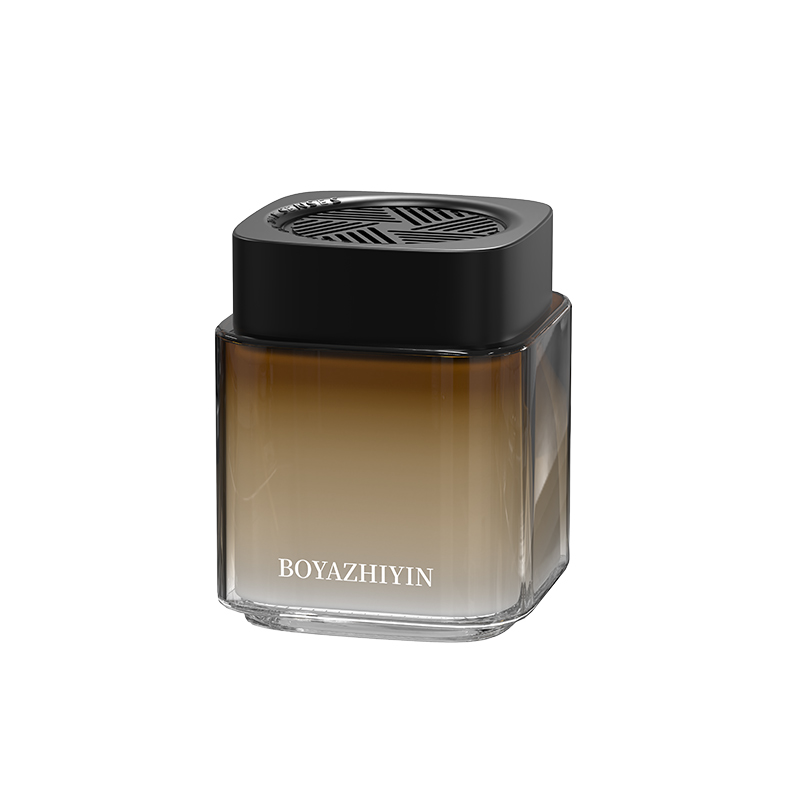
Every drive deserves a fresh, calming atmosphere. The BOYAZHIYIN car air freshener turns your car into a private sanctuary of natural scent. Crafted specifically for small spaces, this long lasting car air freshener delivers pure botanical fragrance without the dizzying intensity of ordinary car perfumes. Our solid gel formula releases scent steadily for weeks, keeping your cabin inviting from the first mile to the last. Each glass jar is built to impress, with a crystal-clear body and a striped diffusion lid that spreads fragrance evenly through every corner. Choose from four refined scents: Oud Rose, Wild Cologne, Dew Gardenia, or High Mountain White Tea. Made with plant essential oils, it is a natural car air freshener you can trust every single day. Breathe easier, drive happier, and enjoy a car that always smells as good as it looks.
Can't find what you're looking for ?
Leave a Message we will call you back quickly!
Professional Service
Interested? Leave your contact details.
Search Starts Here

