


News
Choosing the right Pet Deodorizer can make a big difference in keeping homes fresh and comfortable. From quick-use sprays to deep-cleaning enzyme formulas, each option works differently on odors, stains, and daily pet messes. This comparison will help information-seeking buyers understand the strengths, limitations, and best use cases of sprays, powders, foams, and enzyme solutions before making a practical choice.
What Searchers Usually Want to Know First
When people compare Pet Deodorizer types, they usually want a simple answer: which formula actually removes odor instead of just covering it up, and which one fits their daily cleaning needs.
The short answer is this: sprays are best for speed, powders help with carpets and moisture, foams work well for surface contact, and enzyme formulas are strongest for organic odor sources.
For information-focused readers, the real value is not in product hype but in knowing how each format performs on urine, dander, wet fur smell, litter box areas, and car travel accidents.
How Pet Odors Work and Why Product Type Matters
Pet odors are not all the same. Some come from hair, body oils, saliva, and litter, while others come from urine proteins, bacteria, or vomit embedded in fabrics and flooring.
That difference matters because a fragrance-based Pet Deodorizer may improve the air temporarily, but it may not break down the source causing the smell to return after a few hours.
Buyers often make the mistake of choosing by scent alone. A pleasant smell can improve comfort, but lasting odor control usually depends on whether the product neutralizes, absorbs, or decomposes odor molecules.
Sprays: Best for Fast, Everyday Odor Control
Sprays are one of the most common options because they are convenient, easy to apply, and suitable for quick use on pet beds, sofas, curtains, carriers, and room air.
They are a practical choice when the goal is to freshen up frequently used spaces after daily pet activity. For light odors, a spray can deliver immediate improvement with minimal effort.
However, not all sprays work the same way. Some mainly add fragrance, while others include odor neutralizers, mild disinfecting agents, or plant-based ingredients that help reduce unpleasant smells more effectively.
The main limitation of sprays is depth. If urine or other organic residue has soaked into carpet padding or upholstery, a surface spray may not reach the true odor source.
Sprays are best for maintenance rather than major cleanup. They fit homes that need fast refreshment and are especially useful for pet owners managing routine smells between deeper cleaning sessions.
Powders: Useful for Carpets, Rugs, and Moisture-Prone Areas
Powders are often chosen for soft surfaces because they can sit on carpets or rugs, absorb moisture, and help lift odors before vacuuming. This makes them popular in high-traffic pet areas.
They can be helpful where pets rest often, where fur collects, or where damp smells build up slowly over time. Powders may also leave the floor feeling fresher after vacuum removal.
Still, powders are not always ideal for every household. Some formulas can leave residue if overused, and very fine particles may be less convenient in homes with sensitive pets or frequent floor contact.
Another concern is that powders typically manage surface-level odor and absorption better than deep biological breakdown. They are effective as part of routine care, but less reliable for severe accident spots.
For shoppers comparing formats, powders are strongest when odor is linked to fabric freshness, foot traffic, and mild moisture rather than heavy, repeated pet staining.
Foams: Better Contact on Targeted Surfaces
Foam deodorizers offer a middle ground between quick sprays and deeper treatments. Their texture allows the product to stay in place longer, which can improve contact with the affected surface.
This makes foams useful for upholstery, pet crates, spot cleaning, and areas where runoff from a liquid spray would be less controlled. The visible application also helps users treat exact problem areas.
Foams can be effective for localized messes because they cling better and often assist with lifting dirt as well as odor. In some cases, they are easier to wipe away after treatment.
However, foams still vary widely by formula. If they are not enzyme-based or specifically designed for biological stains, they may clean the area without fully eliminating the root odor source.
For information-seeking buyers, foams are worth considering when precise application and better surface contact matter more than broad-area coverage.
Enzyme Formulas: Best for Urine, Vomit, and Organic Odor Sources
Enzyme formulas are usually the most effective choice for serious pet odor problems because they are designed to break down organic matter instead of only masking the smell.
This is especially important for urine accidents, old stains, vomit residue, and repeat-marking areas. When these residues remain in fibers or cracks, pets may continue to notice them even when humans do not.
A good enzyme Pet Deodorizer can reduce both the smell and the biological trigger that encourages pets to return to the same spot. That is a major advantage over fragrance-only solutions.
The tradeoff is speed and process. Enzyme products often need sufficient saturation, dwell time, and proper drying conditions to work well. They are not always the fastest option for a quick refresh.
They also require realistic expectations. Deep contamination in carpet padding or untreated old stains may need repeated applications or professional cleaning for full odor removal.
Even so, for buyers focused on real odor elimination rather than temporary fragrance, enzyme formulas usually offer the highest functional value.
Which Type Works Best in Different Real-Life Situations?
If the issue is a light everyday smell from pet bedding, room corners, or soft furnishings, sprays are often enough. They are practical, quick, and easy to keep on hand for regular use.
If the odor is concentrated in rugs or carpets and includes a stale or damp character, powders may help absorb and freshen those surfaces during routine vacuum-based maintenance.
If the mess is small but specific, such as a crate corner, cushion spot, or car seat area, foam can give better control and stronger contact where treatment needs to stay in place.
If the problem involves urine, repeat accidents, or deeply unpleasant biological odor, enzyme formulas are usually the most appropriate starting point because they target the source directly.
Many households benefit from using more than one format. A common strategy is enzyme treatment for accidents, followed by a spray for daily freshness and comfort in between deeper cleanings.
What Buyers Should Check Before Choosing a Pet Deodorizer
First, look at the odor source. Is it airborne, surface-level, fabric-based, or biological? The answer tells you more than scent description or packaging style ever will.
Second, check the application surface. Hard floors, upholstery, litter surroundings, pet carriers, and vehicles each require different handling, drying behavior, and residue control.
Third, consider safety and tolerance. Homes with pets, children, and enclosed spaces often need gentler fragrance profiles and carefully selected ingredients that support daily use comfort.
Some buyers also prefer plant-derived odor care for compact environments such as cars or decorated home spaces. In those cases, products like Greenwood may appeal because they combine steady fragrance with plant extract-based odor decomposition.
That kind of solution is not a replacement for enzyme cleanup after major accidents, but it can support fresher air in car travel or living spaces where elegant, low-space odor management is preferred.
Common Mistakes That Lead to Disappointment
One common mistake is expecting one product type to solve every odor problem. A fast freshening spray cannot always replace a deep-treatment enzyme cleaner, and a powder cannot fix soaked padding.
Another mistake is under-applying treatment to old stains. If the affected area below the surface is larger than what is visible, odor can remain and keep spreading back into the room.
Some users also switch products too quickly. Certain formulas, especially enzymes, need time to work. Judging them too early can lead to the false conclusion that they are ineffective.
Finally, buyers sometimes focus only on fragrance strength. Stronger perfume does not always mean better odor removal, and for many homes, a gentle, steady scent is the more practical choice.
Final Comparison: How to Make the Most Practical Choice
If your priority is speed and convenience, choose sprays. If your concern is carpet freshness and moisture absorption, powders are useful. If you want precise treatment, foams offer better control.
If your main goal is to eliminate organic odor at the source, enzyme formulas deserve the most serious consideration. They usually provide the best functional result for pet accidents and stubborn smells.
For most information-seeking buyers, the best decision is based on odor type, surface, and expected result rather than on format popularity alone. Matching the formula to the problem saves time and money.
In the end, the most effective Pet Deodorizer is not simply the one with the strongest scent or the broadest claims. It is the one designed for the real cause of the odor in your space.
Related Products
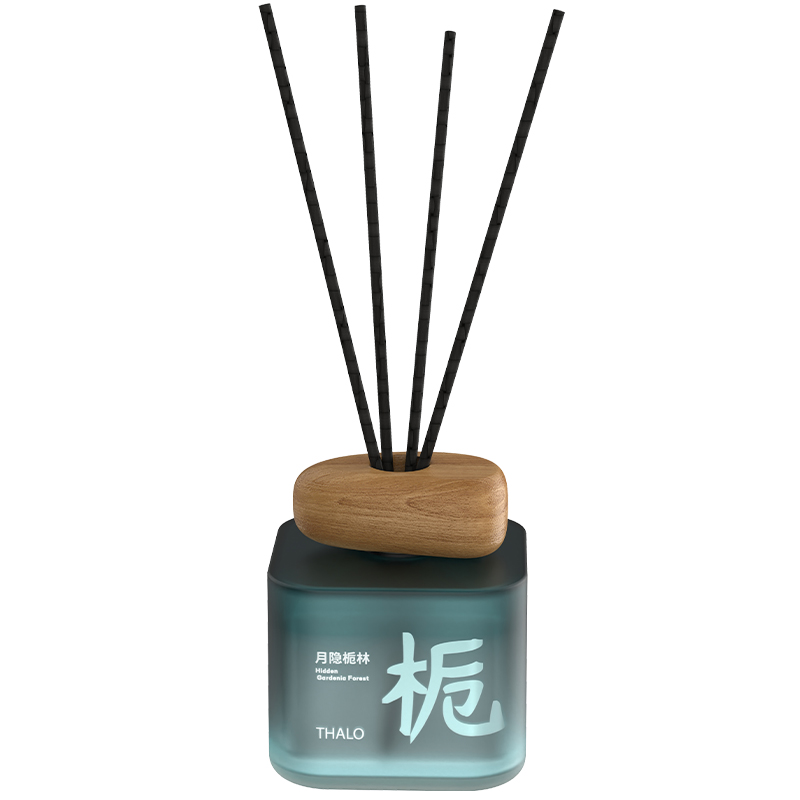
 ZHICHUNLet Nature Fill Your Space With Fragrance,Turn an ordinary room into a peaceful fragrance retreat. Thalo “Spring Awakening” Reed Diffuser brings the beauty of Oriental-inspired scents into everyday life, creating a warm and elegant atmosphere without flame, smoke or electricity.
Inspired by nature, the 180ml Home Fragrance Collection features three distinctive scents: Moonlit Gardenia Forest, Wumu Gradually Becomes Spring, and Green Tea Reflection Spring. Each fragrance unfolds gently through high-density reed sticks, filling your space with a continuous and refined aroma.
The frosted glass bottle, wood-inspired cap and minimalist design add a sophisticated decorative touch to any interior. Perfect for bedrooms, living rooms, bathrooms, offices, boutiques and hotels, this Natural Reed Diffuser creates a relaxing fragrance experience while helping refresh indoor air.
Bring a touch of spring, nature and tranquility into every moment with Thalo. XiaoxiangyuTitle: The Car Air Freshener That Keeps Every Mile Fresh
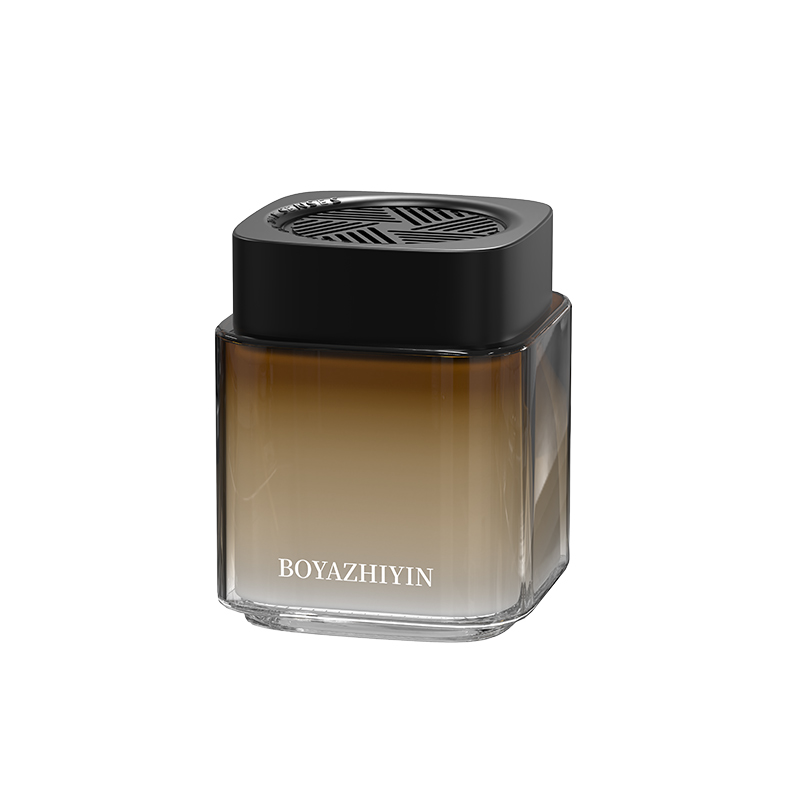
Every drive deserves a fresh, calming atmosphere. The BOYAZHIYIN car air freshener turns your car into a private sanctuary of natural scent. Crafted specifically for small spaces, this long lasting car air freshener delivers pure botanical fragrance without the dizzying intensity of ordinary car perfumes. Our solid gel formula releases scent steadily for weeks, keeping your cabin inviting from the first mile to the last. Each glass jar is built to impress, with a crystal-clear body and a striped diffusion lid that spreads fragrance evenly through every corner. Choose from four refined scents: Oud Rose, Wild Cologne, Dew Gardenia, or High Mountain White Tea. Made with plant essential oils, it is a natural car air freshener you can trust every single day. Breathe easier, drive happier, and enjoy a car that always smells as good as it looks. Ling FengTurn Every Drive Into a Fragrance Ritual
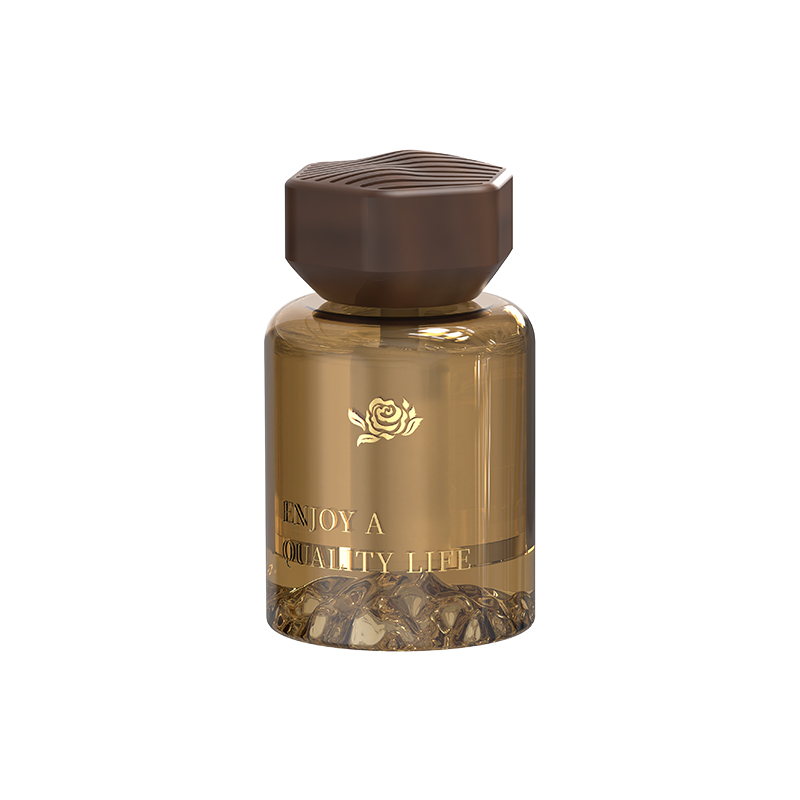
Step into your car and let a refined fragrance transform the atmosphere instantly. Designed for those who appreciate elegance in every detail, this premium car fragrance combines a sophisticated bottle design with high-quality fragrance oils to make every journey more enjoyable.
With 24-hour long-lasting diffusion and a 360° fragrance experience, the scent spreads evenly throughout your car without feeling overpowering. The oil-based formula helps maintain a smooth and consistent aroma, while perfume-grade fragrance creates a more layered and elegant scent experience.
From the fresh and delicate character of Misty Longjing to the deeper, sophisticated notes of Classic Cologne, every fragrance tells its own story. Black KnightA Fragrance That Turns Any Space Into a Memory
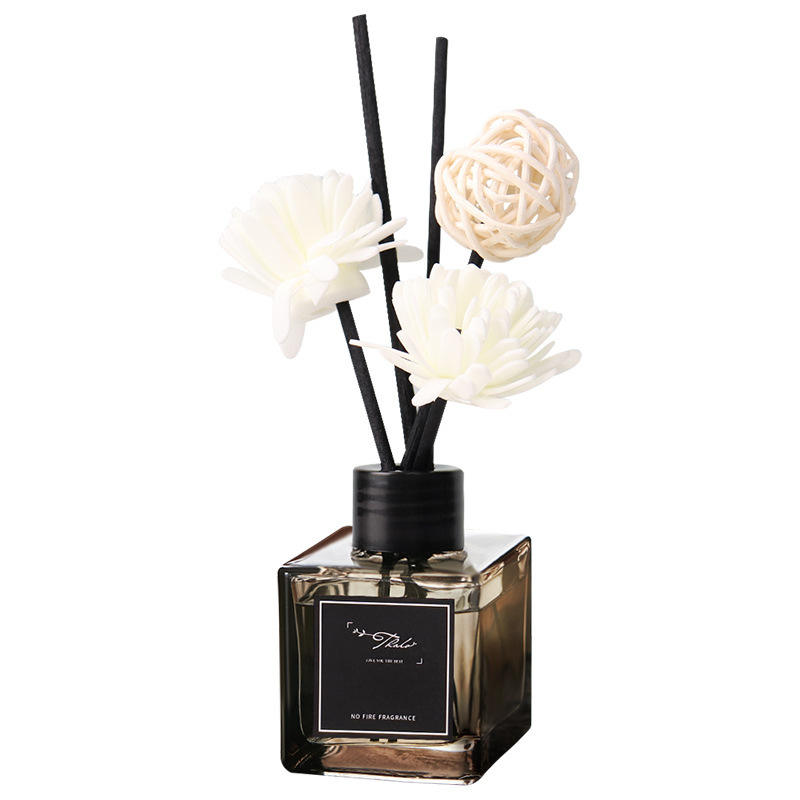
Bring nature indoors with Thalo Botanical Reed Diffuser, a premium home fragrance designed to transform everyday spaces into moments of calm. Crafted with botanical-inspired ingredients and imported fragrance oils, it releases an elegant, long-lasting aroma without flame or smoke.
The 50ml reed diffuser combines a deep brown bottle with high-density fiber reeds and handmade botanical dried flowers, creating both a beautiful decorative piece and an effective air freshener. From peaceful bedrooms to sophisticated living rooms, boutiques, hotels, exhibitions and special events, it adds a refined fragrance wherever you place it.
Choose a scent, place the diffuser, and let the fragrance unfold naturally.
Thalo — bringing the beauty of nature into every memorable moment.
Can't find what you're looking for ?
Leave a Message we will call you back quickly!
Professional Service
Interested? Leave your contact details.
Search Starts Here

