


News
How does a Pet Deodorizer actually remove odor instead of covering it?
A good Pet Deodorizer works at the source. It does not rely only on perfume to hide a bad smell for a few minutes.
Urine odor usually comes from ammonia, uric acid residues, and bacteria. Wet fur smell often comes from skin oils, moisture, and microbial growth. Litter box air is different again.
That is why one fragrance-heavy spray rarely solves every pet odor problem. Effective daily formulas use deodorizing agents, surfactants, and mild odor-neutralizing chemistry.
In practical use, the better products either bind odor molecules, break them down, or reduce the microbial activity that keeps smells returning.
This matters in pet care because repeated masking can leave fabrics, floors, and air feeling heavy. A cleaner-smelling room usually starts with chemical and physical odor control together.
Why is urine odor so persistent even after cleaning?
This is one of the most common questions around Pet Deodorizer use. The short answer is residue.
When urine dries, some compounds stay deep inside fibers, grout, or floor seams. Water alone may dilute the stain, but it often leaves odor-causing material behind.
If the area becomes humid again, the smell can reappear. That is why old accidents seem to “come back” on rainy days or after mopping.
A Pet Deodorizer designed for urine odor should do three things well:
- Reach into porous surfaces instead of sitting on top.
- Neutralize alkaline and acidic odor residues.
- Leave a mild finish without strong fragrance buildup.
Need a quick rule? If the smell fades for ten minutes and then returns, the formula probably masked the air but missed the residue.
What makes wet fur smell different from a floor accident?
Wet fur odor is not only “dirty pet smell.” It is usually a mix of skin oils, trapped moisture, environmental debris, and natural bacteria on the coat.
That means the treatment approach should be gentler. A Pet Deodorizer used around bedding, carriers, towels, or grooming spaces should avoid harshness.
Mildness matters because pet odor control is often a repeated daily task. Overly sharp formulas may reduce comfort in enclosed rooms.
Many modern daily chemical household products now balance neutral deodorization with softer scent design. That same logic appears in car air care.
For example, Green Meizu is positioned for automotive air care, using plant extract fragrance, odor capture, and a mild formula.
It is not a pet spray, but it reflects a useful formulation trend: deodorization should feel clean and balanced, not aggressively perfumed.
Litter box air: should you treat the box, the room, or both?
Usually both, but not in the same way.
The box itself holds the strongest source. The surrounding room holds drifting odor particles, dust, and stale air. Treating only one side gives partial results.
A more reliable method is to pair source cleaning with air management. Scoop often, wash the box on schedule, and use a Pet Deodorizer for nearby surfaces and ambient odor.
The table below helps separate common odor problems and the better response for each.
How do you tell whether a Pet Deodorizer is well formulated?
A simple test is performance over time. Does the odor stay down after the room settles, or does it rebound?
The better judgment method is broader. Look at the formula style, scent intensity, residue, and where it will be used.
- Choose neutral or mild fragrance over heavy perfume.
- Check whether it targets odor molecules, not just “freshens air.”
- Confirm compatibility with fabrics, floors, and enclosed spaces.
- Prefer formulas suitable for frequent use.
These expectations are easier to meet when development comes from an experienced daily care manufacturer.
Since 2015, the company behind this sector focus has expanded from an early 400-square-meter start to larger industrial operations in Linyi, Shandong.
With more than 160 employees, added home washing and care production, and a second factory, the background supports practical formulation and scale consistency.
What are the most common mistakes when using a Pet Deodorizer?
Most problems are not caused by the product alone. They come from using the right product in the wrong way.
The frequent mistakes include:
- Spraying too little on deep urine contamination.
- Using strong scent to judge cleaning success.
- Ignoring litter box washing while treating only the air.
- Applying one formula to every surface without checking suitability.
- Skipping repeat treatment on old stains.
A similar lesson appears in wider odor care categories. Products such as Green Meizu show that lasting freshness depends on steady release and odor capture together.
For pet spaces, consistency matters even more because odor sources are active, recurring, and often hidden in soft materials.
So what should you do next if odor control still feels inconsistent?
Start by identifying the odor type before changing products. Urine residue, damp textiles, and litter box air should not be treated as the same problem.
Then compare formulas based on odor-neutralizing action, mildness, repeat-use safety, and surface fit. That gives a more reliable standard than fragrance alone.
If a Pet Deodorizer performs well, the room should smell cleaner, not just stronger. The difference seems small at first, but it is usually the clearest sign of product quality.
A practical next step is to build a simple routine: source cleaning, targeted deodorization, airflow improvement, and periodic review of what odor keeps returning.
That approach helps turn odor control from a repeated frustration into a manageable daily care system.
Related Products
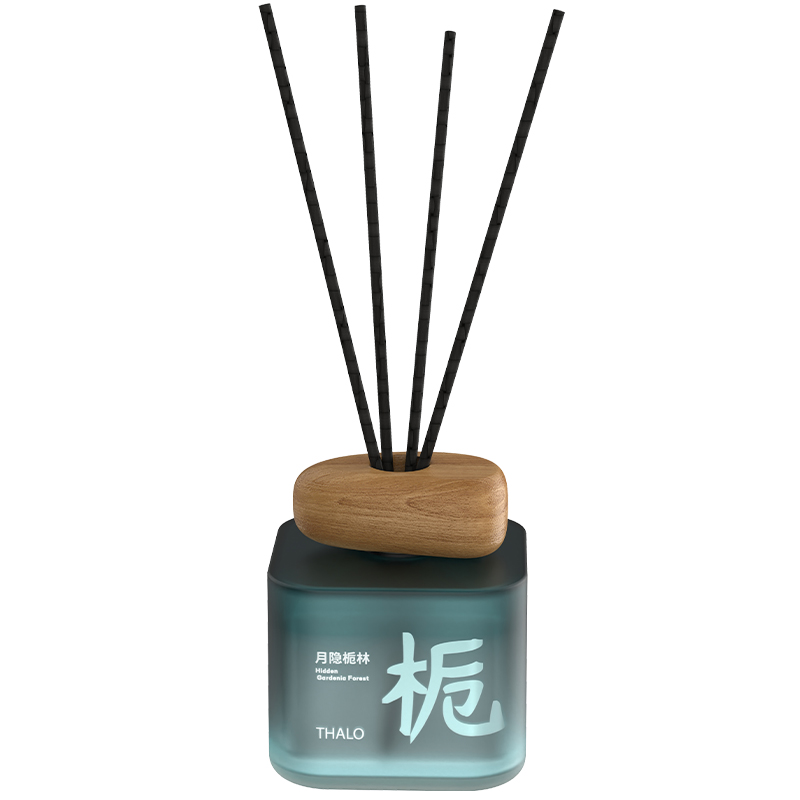
 ZHICHUNLet Nature Fill Your Space With Fragrance,Turn an ordinary room into a peaceful fragrance retreat. Thalo “Spring Awakening” Reed Diffuser brings the beauty of Oriental-inspired scents into everyday life, creating a warm and elegant atmosphere without flame, smoke or electricity.
Inspired by nature, the 180ml Home Fragrance Collection features three distinctive scents: Moonlit Gardenia Forest, Wumu Gradually Becomes Spring, and Green Tea Reflection Spring. Each fragrance unfolds gently through high-density reed sticks, filling your space with a continuous and refined aroma.
The frosted glass bottle, wood-inspired cap and minimalist design add a sophisticated decorative touch to any interior. Perfect for bedrooms, living rooms, bathrooms, offices, boutiques and hotels, this Natural Reed Diffuser creates a relaxing fragrance experience while helping refresh indoor air.
Bring a touch of spring, nature and tranquility into every moment with Thalo. XiaoxiangyuTitle: The Car Air Freshener That Keeps Every Mile Fresh
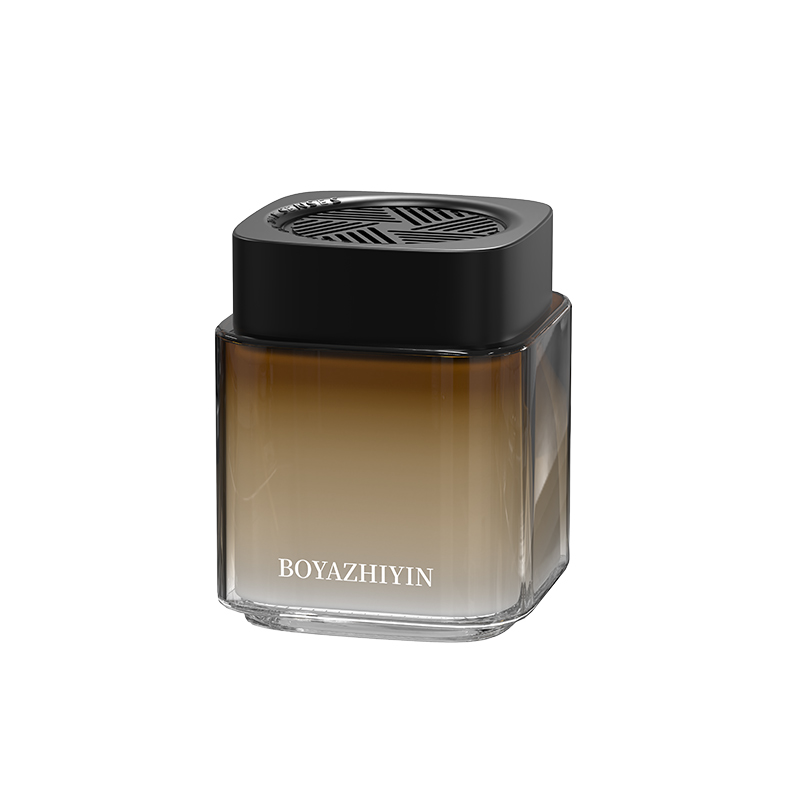
Every drive deserves a fresh, calming atmosphere. The BOYAZHIYIN car air freshener turns your car into a private sanctuary of natural scent. Crafted specifically for small spaces, this long lasting car air freshener delivers pure botanical fragrance without the dizzying intensity of ordinary car perfumes. Our solid gel formula releases scent steadily for weeks, keeping your cabin inviting from the first mile to the last. Each glass jar is built to impress, with a crystal-clear body and a striped diffusion lid that spreads fragrance evenly through every corner. Choose from four refined scents: Oud Rose, Wild Cologne, Dew Gardenia, or High Mountain White Tea. Made with plant essential oils, it is a natural car air freshener you can trust every single day. Breathe easier, drive happier, and enjoy a car that always smells as good as it looks. Ling FengTurn Every Drive Into a Fragrance Ritual
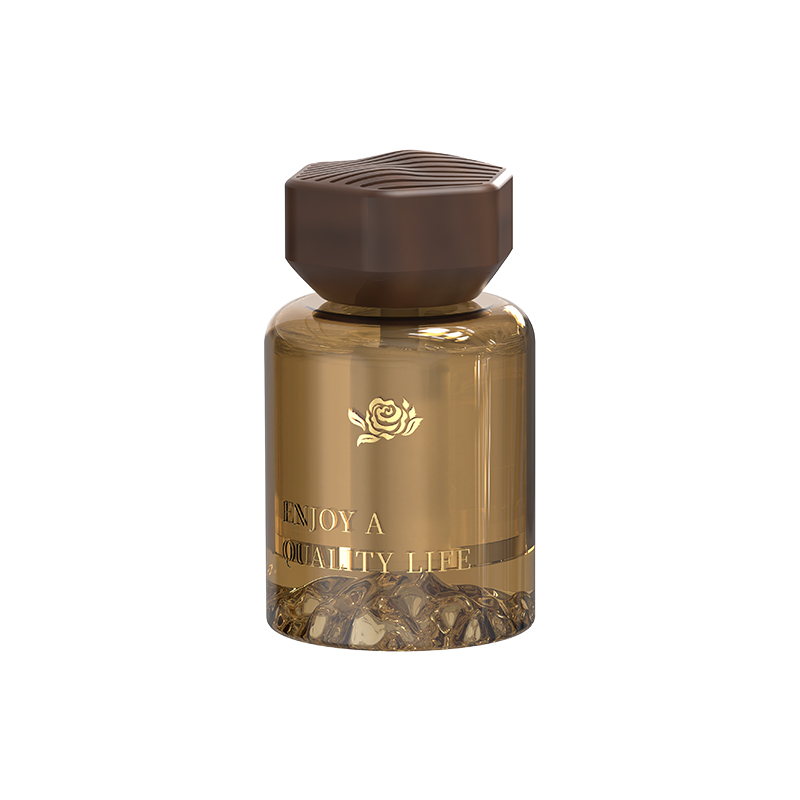
Step into your car and let a refined fragrance transform the atmosphere instantly. Designed for those who appreciate elegance in every detail, this premium car fragrance combines a sophisticated bottle design with high-quality fragrance oils to make every journey more enjoyable.
With 24-hour long-lasting diffusion and a 360° fragrance experience, the scent spreads evenly throughout your car without feeling overpowering. The oil-based formula helps maintain a smooth and consistent aroma, while perfume-grade fragrance creates a more layered and elegant scent experience.
From the fresh and delicate character of Misty Longjing to the deeper, sophisticated notes of Classic Cologne, every fragrance tells its own story. Black KnightA Fragrance That Turns Any Space Into a Memory
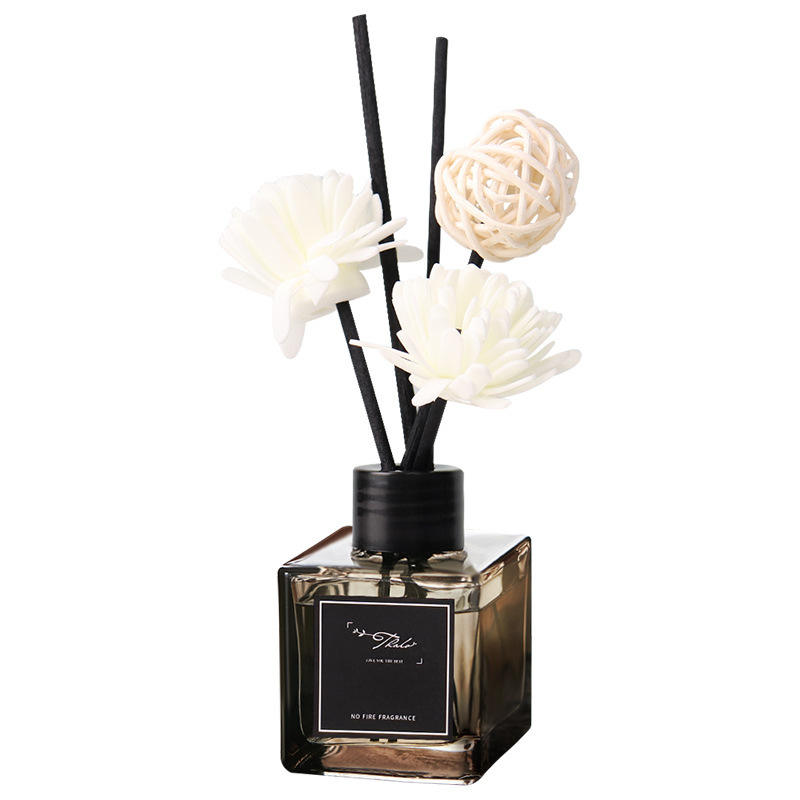
Bring nature indoors with Thalo Botanical Reed Diffuser, a premium home fragrance designed to transform everyday spaces into moments of calm. Crafted with botanical-inspired ingredients and imported fragrance oils, it releases an elegant, long-lasting aroma without flame or smoke.
The 50ml reed diffuser combines a deep brown bottle with high-density fiber reeds and handmade botanical dried flowers, creating both a beautiful decorative piece and an effective air freshener. From peaceful bedrooms to sophisticated living rooms, boutiques, hotels, exhibitions and special events, it adds a refined fragrance wherever you place it.
Choose a scent, place the diffuser, and let the fragrance unfold naturally.
Thalo — bringing the beauty of nature into every memorable moment.
Can't find what you're looking for ?
Leave a Message we will call you back quickly!
Professional Service
Interested? Leave your contact details.
Search Starts Here

