


News
Pet Deodorizer vs air freshener: what is the real difference?
If a room still smells like pets after one quick spray, the issue is usually not the scent strength. It is the product type.
A Pet Deodorizer is designed to reduce or break down odor sources. An air freshener mainly adds fragrance to the air.
That sounds simple, but in daily home care, this difference affects cleaning results, comfort, and repeat use.
In the household care industry, this distinction matters even more now. Product development has moved beyond perfume-heavy masking toward functional odor control.
That shift is visible in companies with expanded washing and care production, including established manufacturers in Linyi that grew from small facilities into multi-factory operations serving wider home care lines.
Why does an air freshener seem to work at first, then fail later?
Because the smell is often covered, not removed.
Pet odors come from urine residue, saliva, wet fur, litter boxes, bedding, and soft furniture. These odor molecules stay on surfaces.
An air freshener can temporarily make the room smell cleaner. But once the added fragrance fades, the original odor returns.
In some cases, the result is worse. Floral or fruity perfume mixing with pet odor can create a heavier, stale smell.
That is why many people think they need stronger fragrance, when they actually need better odor treatment.
So when does a Pet Deodorizer make more sense?
A Pet Deodorizer makes more sense when the smell has a clear source or keeps returning in the same area.
Typical examples include carpets near litter boxes, dog beds, sofas, carriers, car seats, and corners where moisture collects.
More effective formulas usually target odor molecules instead of just releasing scent. Some neutralize acids. Others use enzymes or active agents.
The key point is practical: if cleaning plus ventilation still leaves a pet smell, a Pet Deodorizer is usually the better tool.
For homes that also want a lighter ambient scent afterward, some people pair deodorizing with a low-profile diffuser such as Fireless Aromatherapy, rather than replacing odor treatment with perfume.
How can you tell whether a product removes odor or only masks it?
The label and performance clues usually tell the story faster than the fragrance name.
A quick test helps too. Treat one small area, wait several hours, then check again when the fragrance weakens.
If the smell is gone or much lower, the product is acting like a real Pet Deodorizer.
Are there common mistakes that make pet odor worse?
Yes, and they are very common in everyday cleaning.
- Spraying fragrance before cleaning the contaminated surface.
- Using too little product on absorbent materials like rugs and cushions.
- Ignoring repeat sources such as litter, drains, blankets, and damp corners.
- Choosing very strong perfume, which can irritate both people and pets.
- Assuming one product works for air, fabric, hard floors, and upholstery equally well.
More careful routines work better. Remove the mess first, wash when possible, apply odor treatment to the source, then ventilate.
If a home still feels stuffy afterward, a non-fire diffuser with rattan and natural dried flowers can add a softer background scent without relying on aggressive sprays.
What should you look for when choosing a Pet Deodorizer?
Start with the odor source, not the fragrance description.
For litter areas, look for formulas suited to ammonia-like smells. For fabrics, check compatibility with upholstery and bedding.
For homes with frequent accidents, consistency matters more than luxury fragrance. A practical Pet Deodorizer should be easy to apply and safe for repeated use.
It also helps to choose products from household care suppliers with stable production experience. In this category, manufacturing depth usually affects formula repeatability and quality control.
That is one reason expanding home washing and care factories have become more relevant in daily chemical products. Better process control often leads to more reliable odor performance.
A simple selection checklist
- Does it say eliminate or neutralize pet odors?
- Can it be used on your actual problem surface?
- Is the scent mild enough for everyday indoor use?
- Will the odor likely stay reduced after several hours?
Can you use both products together without wasting money?
Yes, but they should do different jobs.
Use a Pet Deodorizer first to handle the source. Then use a gentle room fragrance only if you want a more pleasant atmosphere.
That second step should support comfort, not hide a cleaning problem.
A calmer option is Fireless Aromatherapy. It releases aroma steadily through rattan, while dried flowers remain part of the room decor.
In actual use, this kind of non-fire home diffuser suits spaces that are already clean but need a softer finishing touch.
Final question: which one actually removes pet odors?
A Pet Deodorizer is the product more likely to remove pet odors. An air freshener usually changes how the room smells for a short time.
If the odor keeps coming back, do not upgrade to a stronger perfume first. Check the source, surface, and product function.
The better next step is practical: identify where the smell lives, compare labels carefully, and test one area before using any product across the whole home.
That approach saves time, lowers waste, and makes product selection much clearer.
Related Products
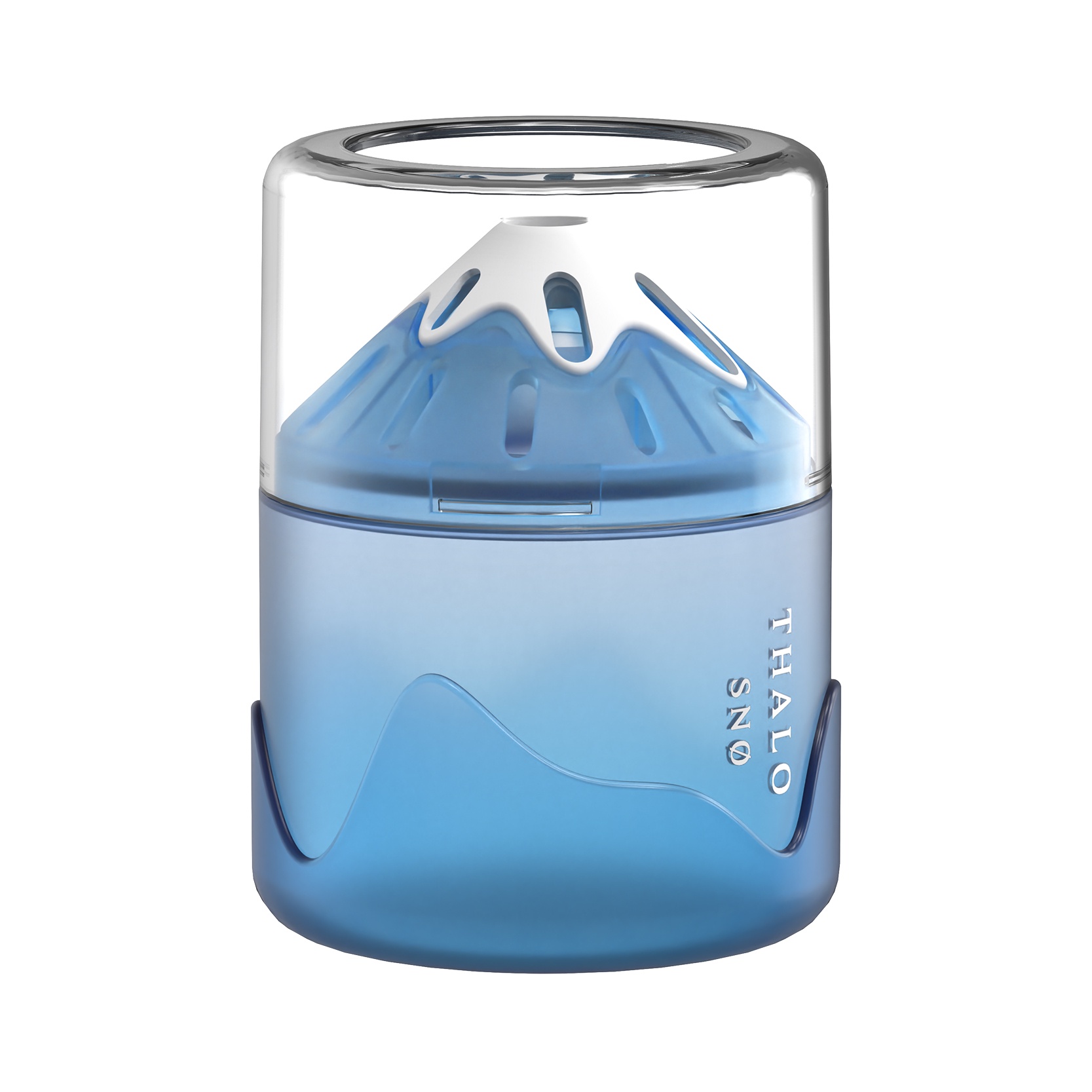
 KONGSHANDon't rush to leave as soon as you get on the car. Make a fresh atmosphere the first stop of every journey. The THALO mountain shaped car fragrance, with its unique mountain peak shape and transparent top cover, is placed in the dashboard or cup holder. It is not only an in car fragrance product, but also an exquisite decoration to enhance the cabin texture. To provide a more comfortable in car experience for daily commuting, weekend travel, and long-distance driving in response to odors and second-hand smoke. Blue, white, and gray colors are available for easy matching with different car interiors.
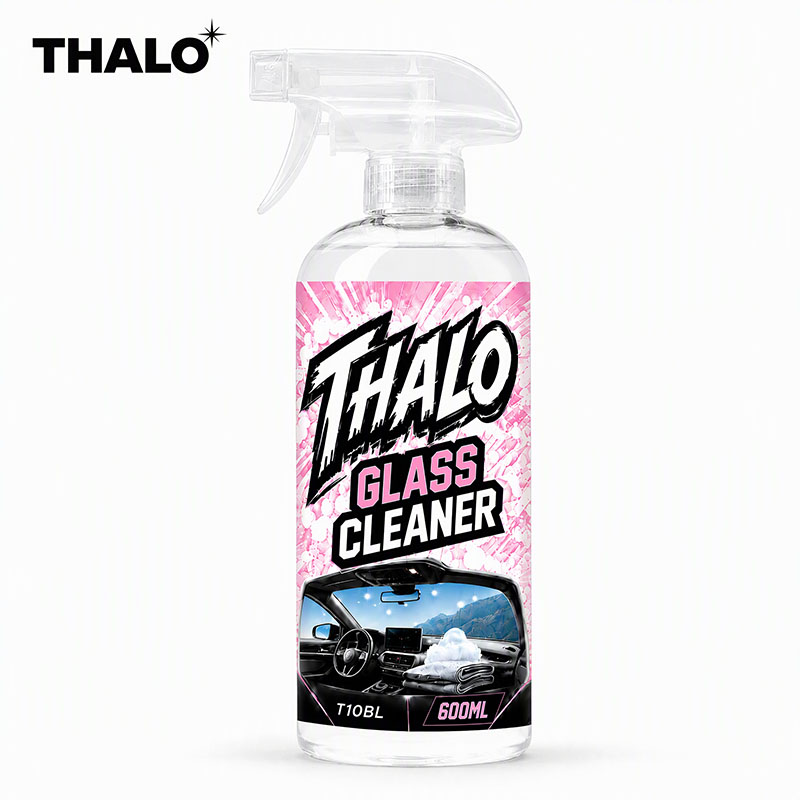
 Glass wiping solutionA clean view can change the feeling of every drive.
Dust, fingerprints and water marks can quickly build up on everyday car glass, making routine vehicle care feel like another chore. THALO Glass Cleaner Spray keeps the process simple: spray evenly, wipe with a cloth and refresh the look of your windshield, windows and mirrors.
The 600ml trigger bottle is easy to handle and fits naturally into a regular car-care routine at home, in the garage or before heading out. With its bold THALO design and practical spray format, it is a useful choice for drivers, detailing retailers and automotive-care collections.
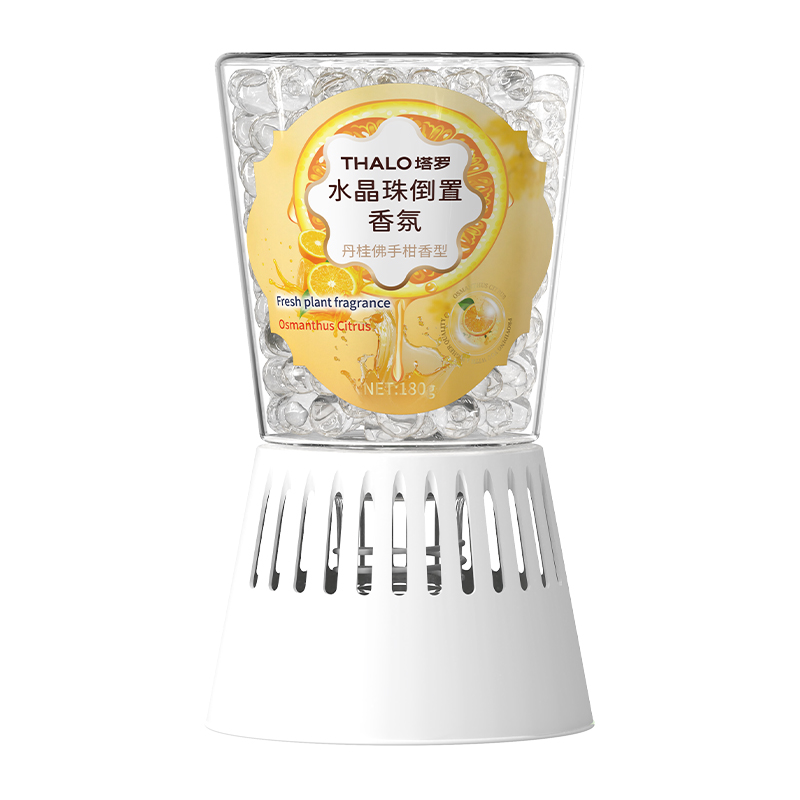
Keep THALO nearby whenever your car glass needs a quick everyday refresh. JINGXUInverted time, giving the home a natural breath, Tarot crystal beads reshape the flow of spatial fragrance. It utilizes natural gravity induction to achieve sustained and uniform fragrance spreading. Each translucent crystal bead contains the soul of the deep mountains and gardens. Dangui bergamot emits the warmth of a late autumn morning. The goddess of flowers, gardenia, awakens the fragrance of summer afternoon. Cedars and roses weave the tranquility and romance of the deep forest. This fragrance is a perfect blend of natural plant extracts and modern aesthetics. It not only eliminates odors but also decorates every corner of life. The long-lasting fragrance release allows the joyful mood to extend infinitely. It is the perfect choice for you to pursue a refined home life. This pure natural atmosphere is worth every family having.
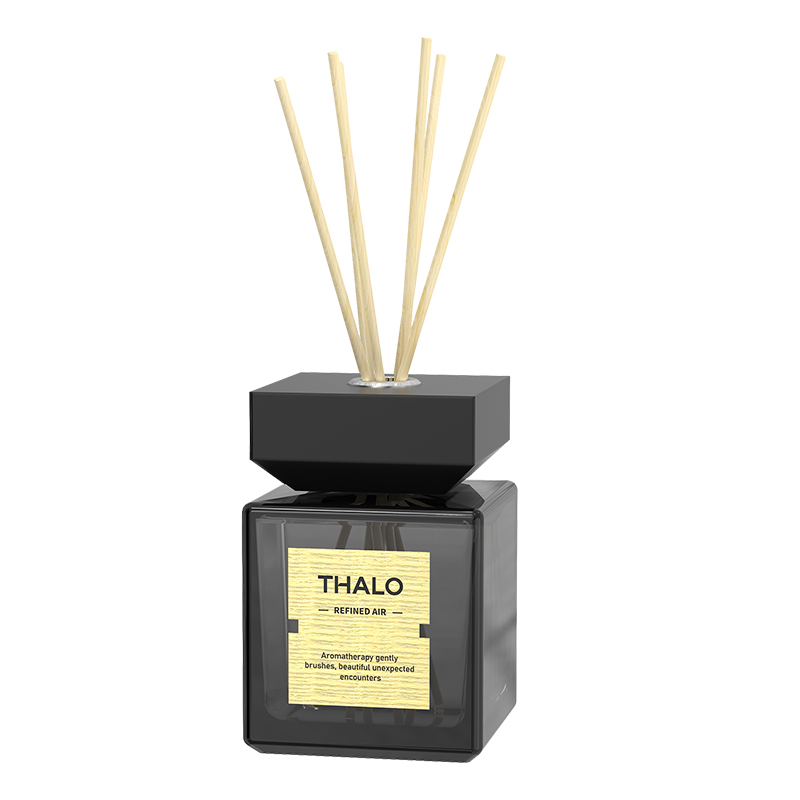
 CHUNSHUIStepping into your home now matches the experience of entering a world-class luxury hotel. The THALO experience turns this premium atmosphere into your daily reality. You now possess a masterpiece of scent that far outlasts fleeting fragrances. Our 500ml Luxury Reed Diffuser stands as a definitive statement of elegance for those who demand the finest environment.
The signature aroma captures the revitalizing essence of a hidden natural oasis. The minimalist square glass bottle serves as a centerpiece of modern decor, enhancing both private living rooms and professional hotel suites. Every guest feels the immediate impact of this elevated ambiance. Your environment is now a true sanctuary of calm. This is the new standard for long-lasting luxury.
Can't find what you're looking for ?
Leave a Message we will call you back quickly!
Professional Service
Interested? Leave your contact details.
Search Starts Here

