


News
How price-tier strategy is reshaping the home fragrance market
Building a strong home fragrance line is no longer about offering one pleasant scent in one package. The market has become more layered, and buyer expectations have become more precise.
What is changing most is the demand for clear price architecture. Entry products must move fast. Mid-range products must balance margin and repeat purchase. Premium products must justify higher pricing through scent quality, design, and story.
This matters because home fragrance now sits between daily care, interior lifestyle, and emotional consumption. A product line that ignores these layers often loses shelf efficiency and brand coherence at the same time.
In practice, successful home fragrance planning depends on three foundations: market positioning, stable manufacturing, and enough supply flexibility to adjust packaging, formulas, and pack sizes without disrupting delivery.
That is also why production background matters more than before. A business that expanded from a small 400-square-meter start in 2015 to multiple factories, category divisions, and more than 160 employees in Linyi has already lived through the shift from simple output to structured product development.
Why the home fragrance category is becoming more segmented
The old logic was simple: launch a diffuser, maybe a spray, then compete on appearance. That model still exists, but it no longer covers the full market.
From recent demand patterns, consumers are comparing fragrance longevity, ingredient gentleness, bottle design, gift value, and even room-specific usage. That comparison naturally creates different price bands.
- Budget tiers attract first-time buyers and high-volume channels.
- Mid tiers serve everyday home fragrance use with better packaging and more reliable scent performance.
- Premium tiers sell atmosphere, safety perception, and refined fragrance identity.
A more subtle signal is cross-scene consumption. Home fragrance thinking now influences car fragrance, wardrobe scenting, and light deodorizing solutions. The category is stretching beyond the living room.
The real driver is not price alone
Price tiers work only when each tier reflects a different value equation. Lower pricing without purpose weakens the range. Higher pricing without visible upgrades does the same.
The strongest product lines are built by changing several variables together. Formula, visual identity, bottle weight, and fragrance diffusion must all support the target retail position.
Manufacturing flexibility has become a competitive filter
Many home fragrance projects fail not at concept stage, but during scale-up. A line may look attractive on paper, yet become difficult once minimum order quantities, packaging lead times, and scent consistency enter the discussion.
This is where production evolution matters. Expansion into an industrial park, category development in online channels, and the later setup of a home washing and care factory suggest a capability shift toward coordinated daily chemical production rather than isolated items.
For a home fragrance portfolio, that means more than capacity. It means room to test different bottle forms, support seasonal launches, and align fragrance products with broader household care positioning.
More importantly, flexible factories can support tiered strategies without making every product look unrelated. Consistency across cartons, labels, scent families, and regulatory handling becomes easier.
Where product differentiation is becoming more convincing
The next phase of home fragrance competition is less about adding more scents and more about proving why one version belongs in one tier.
A useful example comes from adjacent fragrance applications. Some automotive fragrance products now emphasize zero-alcohol plant extraction formulas, deodorizing components, and long retention rather than only perfume intensity.
That shift is relevant to home fragrance too. Safety perception, odor removal, and mild formulas are becoming stronger selling points across indoor environments.
One product reference is LAN SHAN, which combines a crystal-clear heat-resistant glass bottle, three Eastern natural fragrances, and fragrance retention designed to last around one hundred days.
Used as a market signal rather than a direct template, this kind of specification shows where premium and upper-mid home fragrance expectations are moving: cleaner formula language, visible material quality, and performance that can be felt over time.
What to watch when building a home fragrance line by tier
A workable home fragrance strategy usually becomes clearer when each tier answers a different commercial question.
- Which SKU is meant to open new channels quickly?
- Which SKU is designed for stable reorders and broad appeal?
- Which SKU carries image value and stronger margin?
- Which scents can scale across seasons without heavy replacement cost?
- Which packaging elements truly raise perceived value, and which only add cost?
It also helps to avoid overdesigning the lower tier. In home fragrance, entry products should feel clean and dependable, not overloaded with premium cues that erode margin.
At the higher end, buyers usually notice details fast. Fragrance layering, bottle transparency, cap texture, and residue control can influence whether a premium home fragrance line feels credible.
The next move is to align scent, packaging, and channel logic
The most resilient home fragrance portfolios are not the widest ones. They are the clearest ones. Each price tier should have a defined role, visible product logic, and a supply plan that can absorb change.
That is especially important in daily chemical categories, where consumer taste shifts quickly but operational mistakes stay expensive. A good line architecture protects both margin and speed.
The practical next step is to review current SKUs through three lenses: scent performance, packaging cost efficiency, and channel fit. From there, it becomes easier to decide what belongs in entry, mid, and premium home fragrance development.
Continue tracking signals around formula gentleness, fragrance longevity, and scene expansion. Those areas are likely to shape how the next successful home fragrance range is built.
Related Products
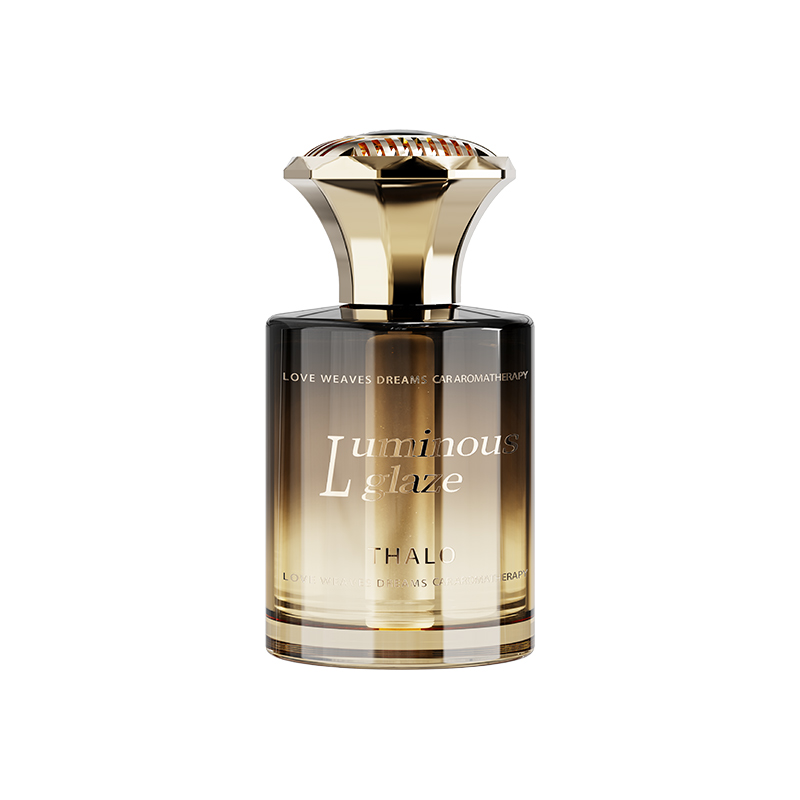
 Moon FrostTurn Your Car Into a Fragrance BoutiqueYour car takes you everywhere — work, road trips, weekend escapes. Now it can finally take you somewhere beautiful. BOYAZHIYIN Moon Glory is a car liquid fragrance that looks like designer perfume and smells like a private escape, resting right in your cup holder.Meet the collection. California Warm Sun wraps your cabin in sunshine citrus, jasmine and milky vanilla. Azure Waters carries a fresh ocean breeze of lemon and cedar. Berlin Rose layers Bulgarian rose over amber for pure romance. Every drive becomes a mood — sunny, fresh, or unforgettable.No cheap aerosol. No sticky residue. Just clear fragrance oil that slowly perfumes your car for up to 3 months, held in a weighted glass bottle that never tips on sharp turns. Your car deserves a signature scent — and Moon Glory delivers it, mile after mile.
 Liu Guang YearsTurn Every Breath Into a Moment of Escape.
Leave the noise of everyday life behind and step into a world of rich, elegant fragrance. Thalo Liu Guang Years Fragrance Diffuser brings a luxurious scent experience to your car and personal space, transforming ordinary moments into relaxing rituals.
Crafted with premium imported fragrance oils, this flameless aromatherapy diffuser releases a refined and lasting aroma without fire or electricity. Inspired by the timeless beauty of agarwood and sophisticated Oriental fragrance, it creates a warm, elegant atmosphere wherever you go.
Place it in your car before a busy day, or enjoy its fragrance at home during your quiet moments. With a sophisticated bottle design and approximately 60 days of fragrance diffusion, it combines premium car fragrance, long-lasting scent and elegant decoration in one beautiful product.
Thalo — fragrance that makes every moment feel extraordinary. Silk Road Flower LanguageA Fragrance Journey Along the Silk Road
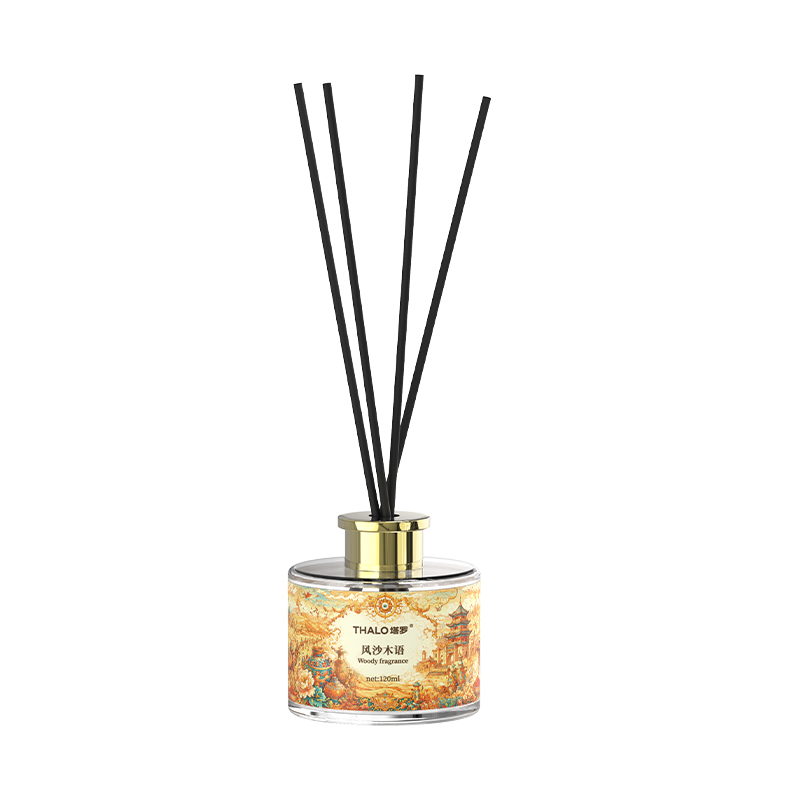
Step into a world where ancient Silk Road culture meets modern home fragrance. Thalo Silk Road Reed Diffuser transforms your space with an elegant Oriental-inspired aroma, bringing warmth, sophistication and a sense of discovery to everyday moments.
Designed as a flameless home fragrance, it continuously releases fragrance through natural diffuser reeds, creating a calm and inviting atmosphere without fire or electricity. The artistic bottle and premium gift box make it a beautiful addition to bedrooms, entryways, living rooms, boutiques and hotels.
Let every breath become a journey through fragrance. GuoyangYour Car Deserves Better Than That "New Car Smell"
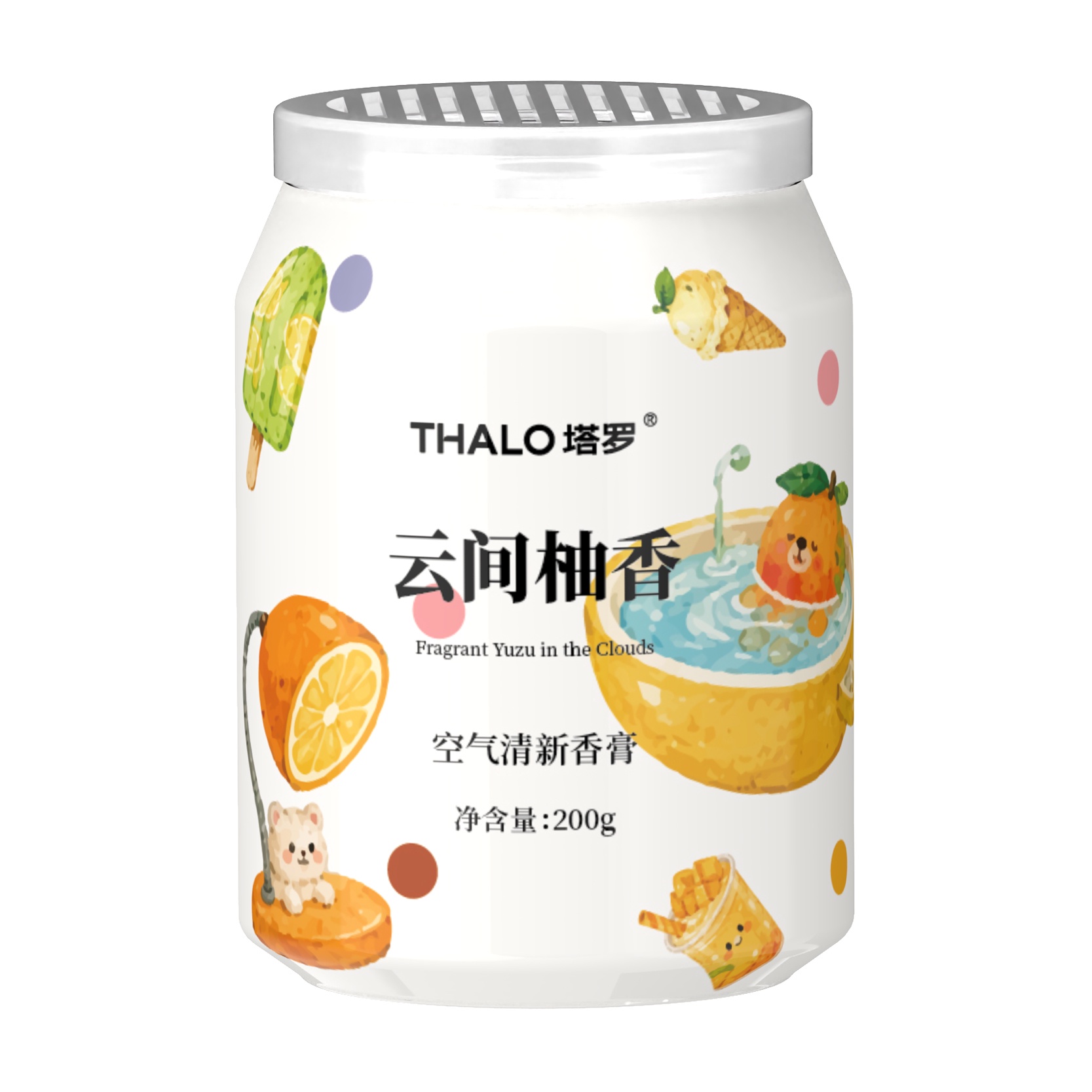
Ever step into your car and wish it smelled like a sunlit orchard instead of stale air.Meet THALO's Fruit Scent Collection — a solid car air freshener that turns every drive into a mini fruit paradise. No sprays, no plugs, no mess. Just unscrew the ventilated lid, and let the 200g fragrance gel slowly release pure, juicy aroma for weeks.
Pick your mood: White Peach in the Snow (soft, creamy, dreamy), Fragrant Yuzu in the Clouds (bright citrus that wakes you up), or Laurel Apple (warm apple-cinnamon comfort). Each jar is hand-illustrated with adorable fruit art that looks as good as it smells — a dopamine hit for your cup holder.
Safe for daily commutes, family trips, and long drives. Plant-based formula, IFRA-certified, crafted with Firmenich perfumers. Fresh air, one twist away.

Can't find what you're looking for ?
Leave a Message we will call you back quickly!
Professional Service
Interested? Leave your contact details.
Search Starts Here

