


A Pipe Cleaning Agent is often treated as a quick fix, yet its real value depends on matching the formula to the blockage, pipe material, and maintenance routine. In daily chemical care products, this matters because strong cleaning performance alone does not guarantee safe results. Grease, hair, soap residue, food waste, and scale behave differently inside drains, so understanding what a Pipe Cleaning Agent removes, where it works best, and how misuse creates risk leads to better cleaning outcomes and fewer pipe problems.
Why this category deserves closer attention
Drain care sits inside a practical part of the household and daily-use chemical market. It is not a glamorous product group, but it affects hygiene, odor control, maintenance costs, and routine operations.
That is why manufacturers with broader home care capacity continue to invest in this segment. A company that expanded from an early small-scale facility in 2015 to a larger industrial footprint, then added home washing and care production and a second factory, reflects how demand for dependable cleaning solutions has matured.
With more than 160 employees in Linyi, Shandong, and continued channel development, that business path also shows a simple market fact: buyers increasingly expect cleaning agents to be effective, safer to handle, and more suitable for specific scenarios.
What a Pipe Cleaning Agent actually removes
Not every blockage is the same, and no single Pipe Cleaning Agent solves all drain issues equally well. Most products are designed around one or more common obstruction types.
Typical residue types
- Grease and kitchen oils that cling to pipe walls and trap food particles.
- Hair buildup, especially in bathroom drains and floor traps.
- Soap scum that hardens over time and narrows water flow.
- Organic waste, including food residue and soft sludge.
- Light mineral deposits in areas with harder water.
Alkaline formulas often work well on grease and protein-based matter. Enzyme or bio-based options are usually slower, but can be useful for maintenance cleaning and odor control.
Acid-based products may cut through certain mineral deposits, but they also bring higher handling and material compatibility concerns. This is where misuse begins for many operators.
Where it works well and where caution is needed
A Pipe Cleaning Agent is most effective in partial clogs, slow drains, and recurring buildup near the opening or trap area. It performs best when the blockage is organic and still reachable by the liquid or gel.
A Pipe Cleaning Agent is less reliable when the line is fully blocked, when standing water prevents contact, or when the obstruction is a foreign object. In those cases, mechanical clearing is usually the better first step.
The most common misuse risks
The main problems do not come from the category itself. They come from incorrect concentration, wrong surface assumptions, or repeated use without diagnosing the cause.
- Overuse in old or damaged pipes can increase corrosion risk.
- Mixing different cleaners may release harmful fumes or trigger violent reactions.
- Applying product to completely blocked drains may leave active chemicals sitting too long.
- Ignoring label timing can reduce performance or damage nearby materials.
- Using the wrong formula on aluminum or certain plastic systems may shorten service life.
Odor is another area people often misread. A drain may smell cleaner after treatment, yet the root cause can remain deeper in the pipe or trap.
For that reason, some care programs pair functional cleaning with broader odor-control habits. In adjacent daily chemical categories, products such as LAN SHAN show how deodorizing technology and mild plant-based concepts are being valued across cleaning and air-care routines, even though drain treatment still requires a purpose-built formula.
How to judge a product more accurately
A good Pipe Cleaning Agent should be assessed by fit, not just speed. Fast reaction can be useful, but practical suitability matters more in repeated daily use.
Key points to compare
- Blockage type the formula is designed to dissolve.
- Compatibility with PVC, metal, and mixed household plumbing.
- Gel or liquid form, depending on vertical cling and contact time needs.
- Required waiting time and rinsing conditions.
- Safety instructions for storage, ventilation, and skin protection.
In practical operations, consistency also matters. Stable sourcing, scalable production, and category experience often make a difference in product reliability across batches.
That is one reason established home care factories tend to organize product development around scenario-based cleaning, instead of relying on one broad claim for every drain problem.
Using it as part of maintenance, not just emergency response
The strongest results usually come from preventive use. A Pipe Cleaning Agent can reduce recurring buildup when applied before slow drainage becomes a full blockage.
Kitchen lines benefit from grease control habits and periodic treatment. Bathroom drains benefit from hair capture, regular rinsing, and lighter maintenance cycles.
This shifts the product from being a rescue tool to part of a broader care routine. In the daily chemical industry, that shift is important because it aligns performance with safer, lower-frequency intervention.
What to do next
A Pipe Cleaning Agent is most useful when the blockage pattern, pipe condition, and formula type are evaluated together. That makes selection more accurate and reduces avoidable risk.
The next step is to sort drain problems by location, residue type, and frequency, then compare products against those conditions instead of choosing only by strength claims. That approach gives a clearer standard for routine maintenance, troubleshooting, and future product selection.
Related Products
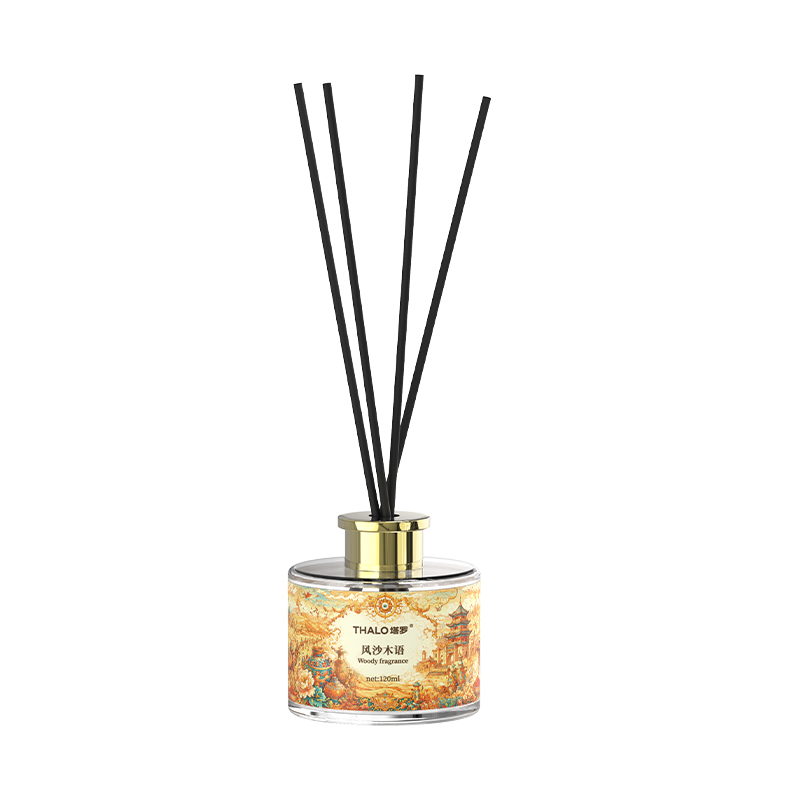
 Silk Road Flower LanguageA Fragrance Journey Along the Silk Road
Step into a world where ancient Silk Road culture meets modern home fragrance. Thalo Silk Road Reed Diffuser transforms your space with an elegant Oriental-inspired aroma, bringing warmth, sophistication and a sense of discovery to everyday moments.
Designed as a flameless home fragrance, it continuously releases fragrance through natural diffuser reeds, creating a calm and inviting atmosphere without fire or electricity. The artistic bottle and premium gift box make it a beautiful addition to bedrooms, entryways, living rooms, boutiques and hotels.
Let every breath become a journey through fragrance. GuoyangYour Car Deserves Better Than That "New Car Smell"
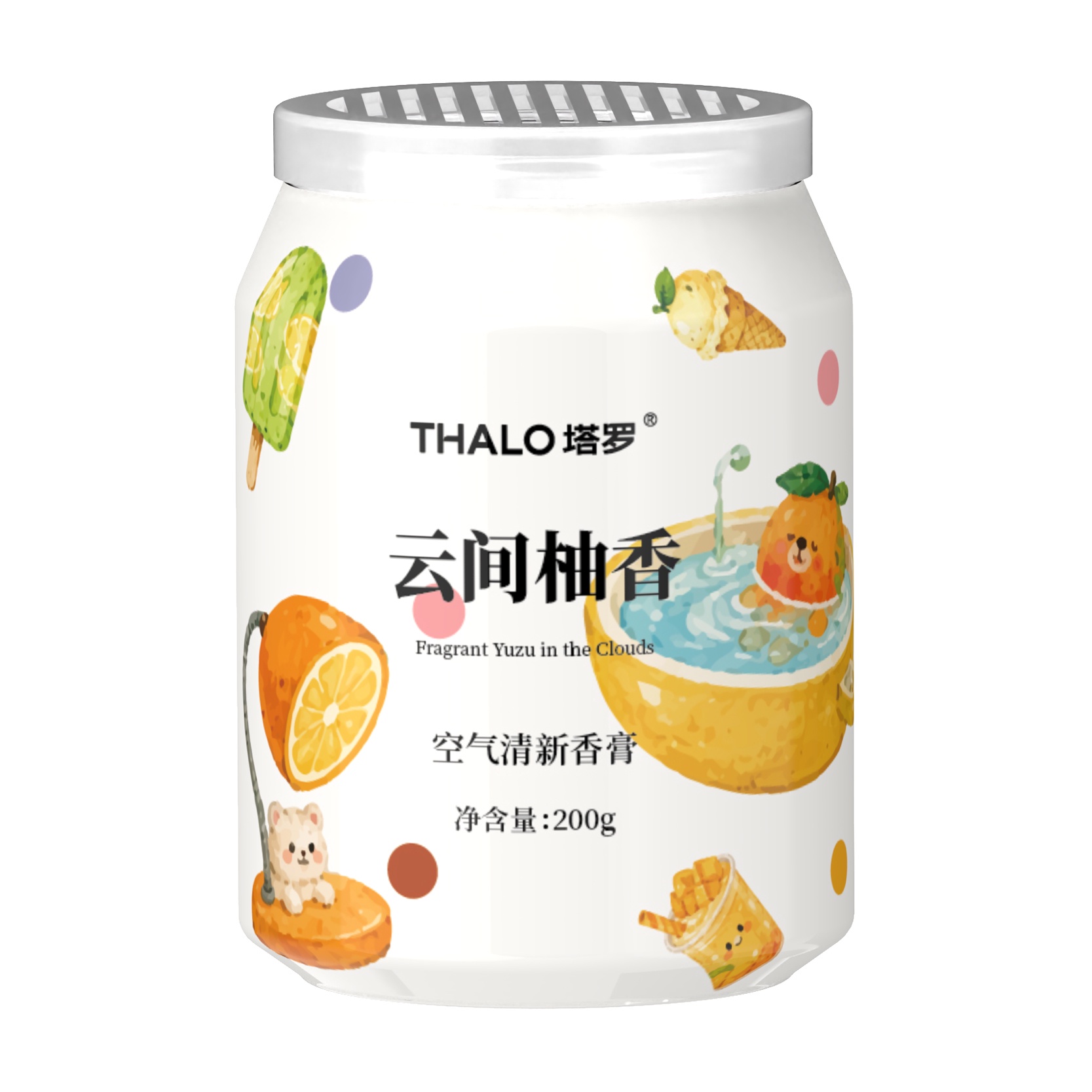
Ever step into your car and wish it smelled like a sunlit orchard instead of stale air.Meet THALO's Fruit Scent Collection — a solid car air freshener that turns every drive into a mini fruit paradise. No sprays, no plugs, no mess. Just unscrew the ventilated lid, and let the 200g fragrance gel slowly release pure, juicy aroma for weeks.
Pick your mood: White Peach in the Snow (soft, creamy, dreamy), Fragrant Yuzu in the Clouds (bright citrus that wakes you up), or Laurel Apple (warm apple-cinnamon comfort). Each jar is hand-illustrated with adorable fruit art that looks as good as it smells — a dopamine hit for your cup holder.
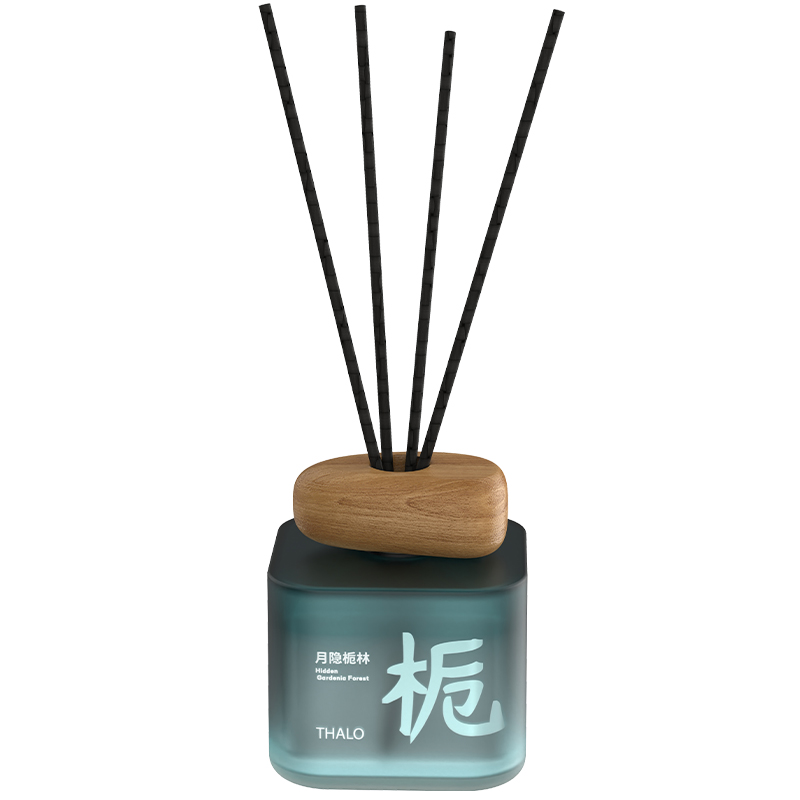
Safe for daily commutes, family trips, and long drives. Plant-based formula, IFRA-certified, crafted with Firmenich perfumers. Fresh air, one twist away. ZHICHUNLet Nature Fill Your Space With Fragrance,Turn an ordinary room into a peaceful fragrance retreat. Thalo “Spring Awakening” Reed Diffuser brings the beauty of Oriental-inspired scents into everyday life, creating a warm and elegant atmosphere without flame, smoke or electricity.
Inspired by nature, the 180ml Home Fragrance Collection features three distinctive scents: Moonlit Gardenia Forest, Wumu Gradually Becomes Spring, and Green Tea Reflection Spring. Each fragrance unfolds gently through high-density reed sticks, filling your space with a continuous and refined aroma.
The frosted glass bottle, wood-inspired cap and minimalist design add a sophisticated decorative touch to any interior. Perfect for bedrooms, living rooms, bathrooms, offices, boutiques and hotels, this Natural Reed Diffuser creates a relaxing fragrance experience while helping refresh indoor air.
Bring a touch of spring, nature and tranquility into every moment with Thalo. XiaoxiangyuTitle: The Car Air Freshener That Keeps Every Mile Fresh
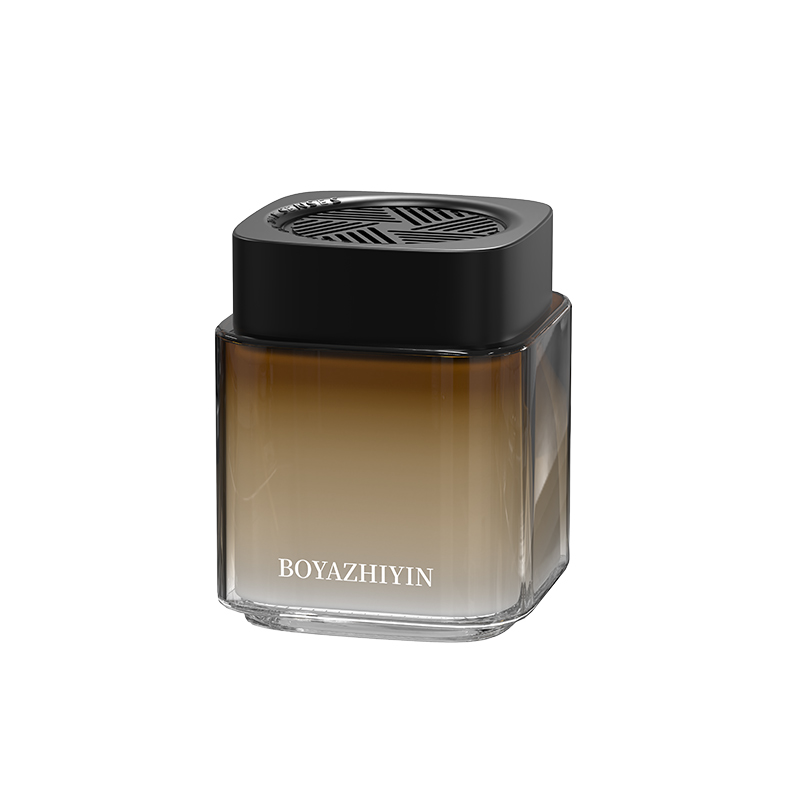
Every drive deserves a fresh, calming atmosphere. The BOYAZHIYIN car air freshener turns your car into a private sanctuary of natural scent. Crafted specifically for small spaces, this long lasting car air freshener delivers pure botanical fragrance without the dizzying intensity of ordinary car perfumes. Our solid gel formula releases scent steadily for weeks, keeping your cabin inviting from the first mile to the last. Each glass jar is built to impress, with a crystal-clear body and a striped diffusion lid that spreads fragrance evenly through every corner. Choose from four refined scents: Oud Rose, Wild Cologne, Dew Gardenia, or High Mountain White Tea. Made with plant essential oils, it is a natural car air freshener you can trust every single day. Breathe easier, drive happier, and enjoy a car that always smells as good as it looks.
Can't find what you're looking for ?
Leave a Message we will call you back quickly!
Professional Service
Interested? Leave your contact details.
Search Starts Here

