


Choosing a pet shampoo sounds simple until coat texture, skin sensitivity, and ingredient safety enter the picture. A formula that leaves one dog glossy may dry out another, while a pleasant scent can become a problem for a cat with reactive skin. In daily chemical care products, better selection starts with understanding what the bottle is designed to do, and what your pet actually needs.
Why pet shampoo deserves closer attention
Pet skin is different from human skin. Its pH balance, oil production, and barrier function respond differently to cleansers, fragrance, and preservatives.
That is why a pet shampoo should never be treated as a generic wash product. Coat appearance matters, but comfort after bathing matters more.
This has also become a practical focus in the household washing and care sector. As factories expand from basic production into specialized care, formulas are expected to be milder, more targeted, and more transparent.
That shift is visible in companies that have scaled steadily since 2015, from early workshop capacity to larger industrial facilities, home care manufacturing lines, and multi-platform operations.
With more than 160 employees in Linyi, Shandong, this kind of business background reflects a broader market change: consumers now compare pet shampoo like they compare skincare.
Start with coat type, not packaging
The first useful filter is coat type. Different fur structures hold oil, dirt, loose hair, and moisture in very different ways.
Short and smooth coats
These pets usually need a pet shampoo that cleans well without stripping natural oils. Heavy conditioners can leave residue and flatten the coat.
Long or silky coats
Tangling and static are common concerns. A pet shampoo with light conditioning support can improve slip and reduce breakage during brushing.
Curly or dense coats
These coats trap debris more easily. Look for a pet shampoo that rinses clean, lathers evenly, and does not leave buildup after frequent washing.
Double coats
Double-coated breeds need deep but gentle cleansing. Overly rich formulas can weigh down the undercoat and make drying take longer.
Sensitive skin changes the decision
If itching, redness, dandruff, or frequent licking appear after baths, the issue may be formula mismatch rather than poor hygiene.
A sensitive-skin pet shampoo should focus on low irritation. Fewer fragrance components and milder surfactants are usually better choices.
Oat-derived soothing agents, aloe, glycerin, and simple moisturizing systems can help. What matters is not a fashionable claim, but how the skin responds over time.
It is also worth watching the pet between washes. A shiny coat means little if scratching increases two days later.
Reading the ingredient checklist with more confidence
Labels can be vague, so a practical checklist helps narrow the options.
- Check the cleansing base. Mild surfactants are generally preferable for routine bathing.
- Review fragrance intensity. Strong perfume may smell fresh, but can irritate sensitive pets.
- Look for moisturizing support, especially for dry coats or flaky skin.
- Avoid unclear claims like “extra powerful” when no ingredient logic supports them.
- Be cautious with dyes and unnecessary additives in frequent-use products.
The same thinking appears across adjacent odor-care categories. Products such as Wilderness Mountain Plain highlight a professional odor cleansing formula, showing how consumers increasingly value targeted performance rather than scent alone.
For pet shampoo, that means deodorizing benefits should support cleanliness, not cover up poor formulation with a stronger fragrance.
Common bathing situations and better matches
Context often matters as much as ingredients. The best pet shampoo for a weekly city walk may not suit a muddy outdoor routine.
Frequent bathing
Choose a mild pet shampoo with simple cleansing and moisture support. The formula should rinse fast and leave minimal residue.
Strong odor after outdoor activity
Look for odor-control performance tied to cleansing action. A fresh smell alone is not enough.
Seasonal shedding
A pet shampoo that loosens dirt and rinses thoroughly can make brushing easier after drying.
Dry indoor environments
Pets exposed to heating or air conditioning may benefit from a pet shampoo with a lighter, non-greasy moisturizing profile.
How to judge value beyond the label
Price alone does not define quality. A better measure is how consistently the product performs across coat feel, rinse time, skin comfort, and odor control.
Production background also matters. In daily chemical goods, long-term investment in facilities, category expansion, and care-focused manufacturing usually supports more stable formulation standards.
That does not guarantee every pet shampoo will suit every animal, but it gives more context when comparing products that look similar online.
A practical next step
Before choosing a new pet shampoo, note three things: coat type, bathing frequency, and any skin reaction after the last wash.
Then compare ingredient lists with those observations, not with marketing language. A smaller, clearer checklist usually leads to a better decision.
When the formula matches the coat and the skin stays calm, pet shampoo stops being a trial-and-error purchase and becomes a dependable part of routine care.
Related Products
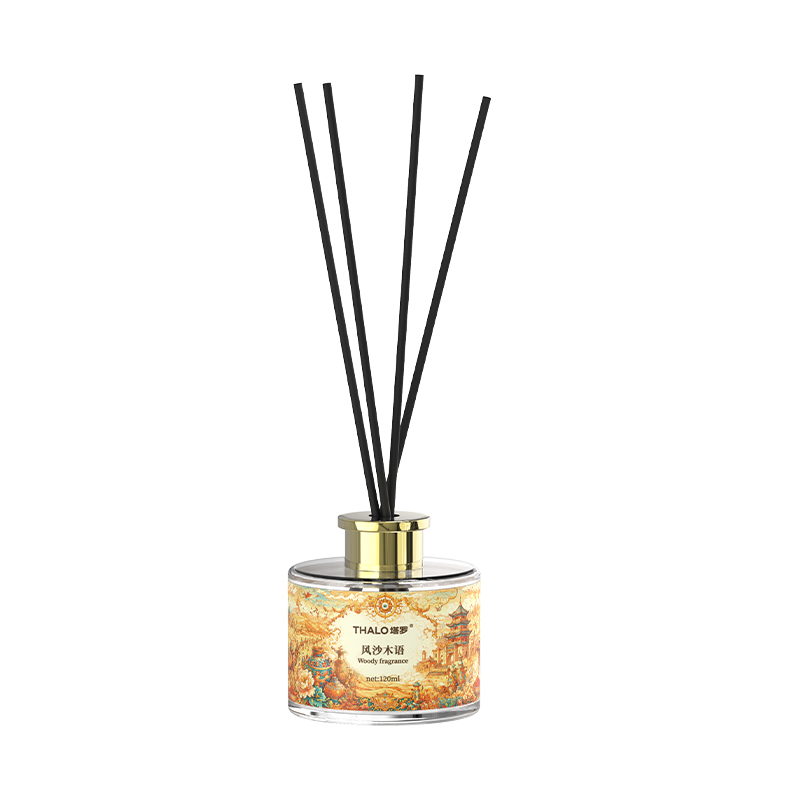
 Silk Road Flower LanguageA Fragrance Journey Along the Silk Road
Step into a world where ancient Silk Road culture meets modern home fragrance. Thalo Silk Road Reed Diffuser transforms your space with an elegant Oriental-inspired aroma, bringing warmth, sophistication and a sense of discovery to everyday moments.
Designed as a flameless home fragrance, it continuously releases fragrance through natural diffuser reeds, creating a calm and inviting atmosphere without fire or electricity. The artistic bottle and premium gift box make it a beautiful addition to bedrooms, entryways, living rooms, boutiques and hotels.
Let every breath become a journey through fragrance. GuoyangYour Car Deserves Better Than That "New Car Smell"
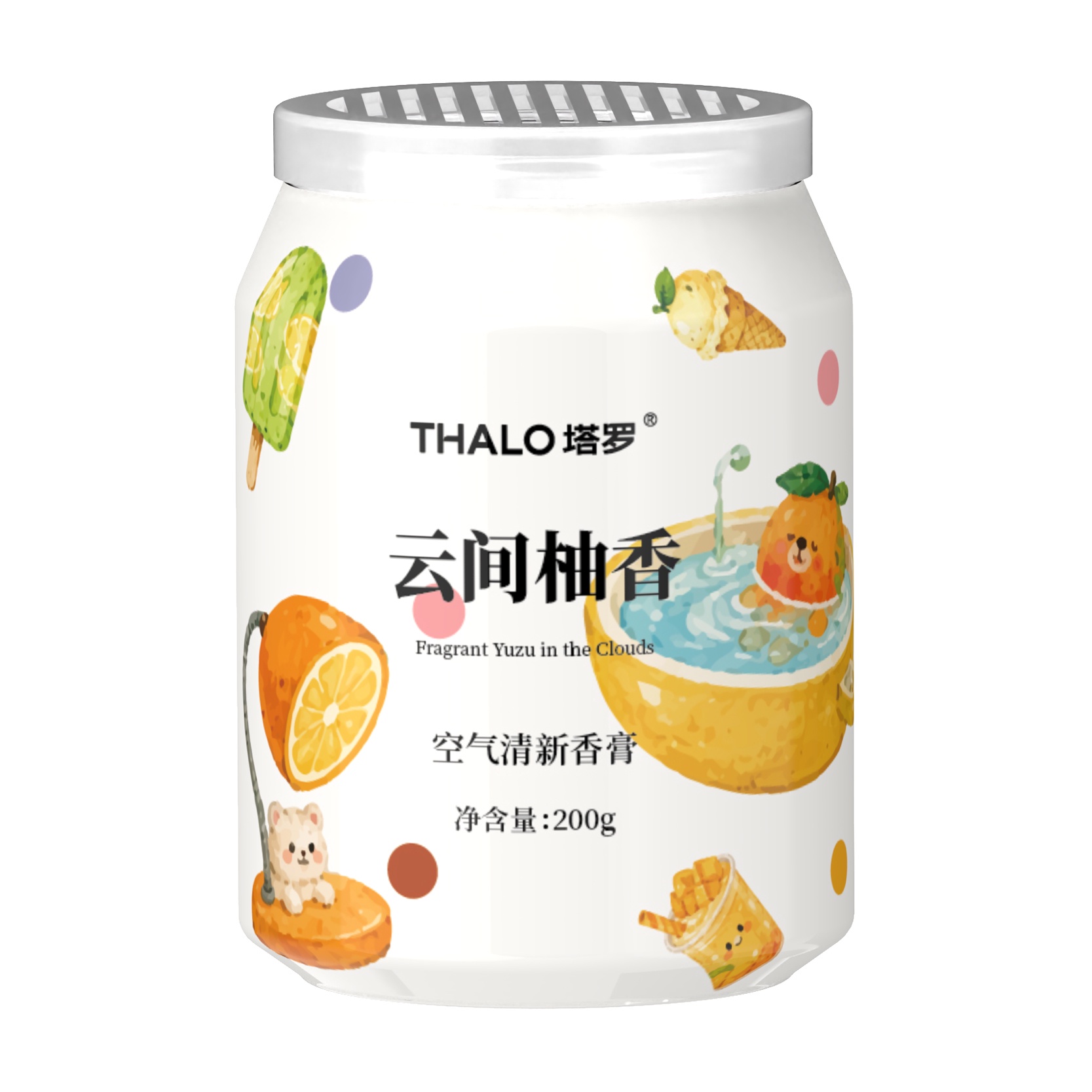
Ever step into your car and wish it smelled like a sunlit orchard instead of stale air.Meet THALO's Fruit Scent Collection — a solid car air freshener that turns every drive into a mini fruit paradise. No sprays, no plugs, no mess. Just unscrew the ventilated lid, and let the 200g fragrance gel slowly release pure, juicy aroma for weeks.
Pick your mood: White Peach in the Snow (soft, creamy, dreamy), Fragrant Yuzu in the Clouds (bright citrus that wakes you up), or Laurel Apple (warm apple-cinnamon comfort). Each jar is hand-illustrated with adorable fruit art that looks as good as it smells — a dopamine hit for your cup holder.
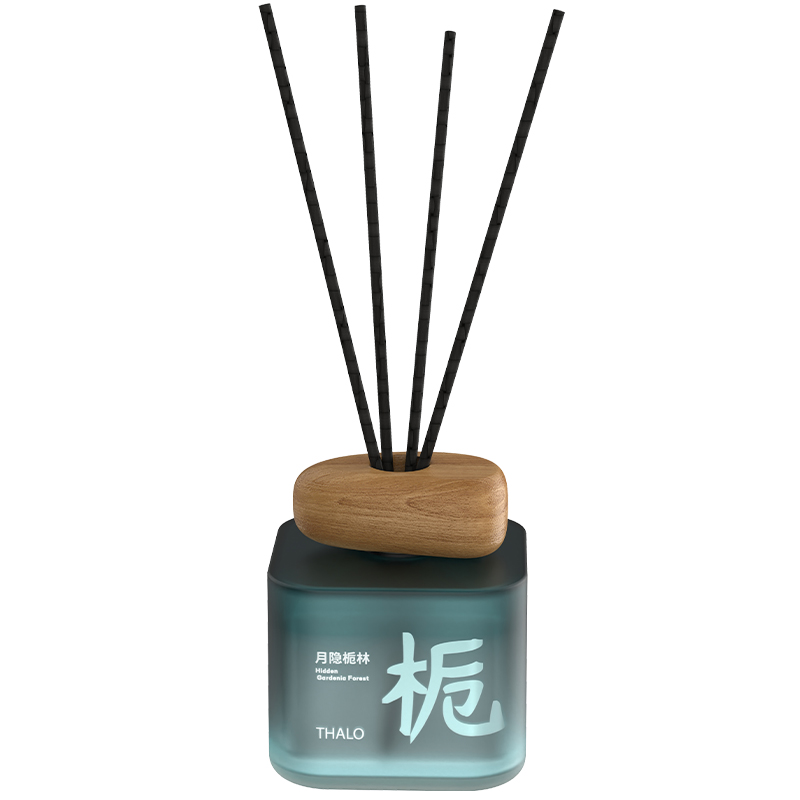
Safe for daily commutes, family trips, and long drives. Plant-based formula, IFRA-certified, crafted with Firmenich perfumers. Fresh air, one twist away. ZHICHUNLet Nature Fill Your Space With Fragrance,Turn an ordinary room into a peaceful fragrance retreat. Thalo “Spring Awakening” Reed Diffuser brings the beauty of Oriental-inspired scents into everyday life, creating a warm and elegant atmosphere without flame, smoke or electricity.
Inspired by nature, the 180ml Home Fragrance Collection features three distinctive scents: Moonlit Gardenia Forest, Wumu Gradually Becomes Spring, and Green Tea Reflection Spring. Each fragrance unfolds gently through high-density reed sticks, filling your space with a continuous and refined aroma.
The frosted glass bottle, wood-inspired cap and minimalist design add a sophisticated decorative touch to any interior. Perfect for bedrooms, living rooms, bathrooms, offices, boutiques and hotels, this Natural Reed Diffuser creates a relaxing fragrance experience while helping refresh indoor air.
Bring a touch of spring, nature and tranquility into every moment with Thalo. XiaoxiangyuTitle: The Car Air Freshener That Keeps Every Mile Fresh
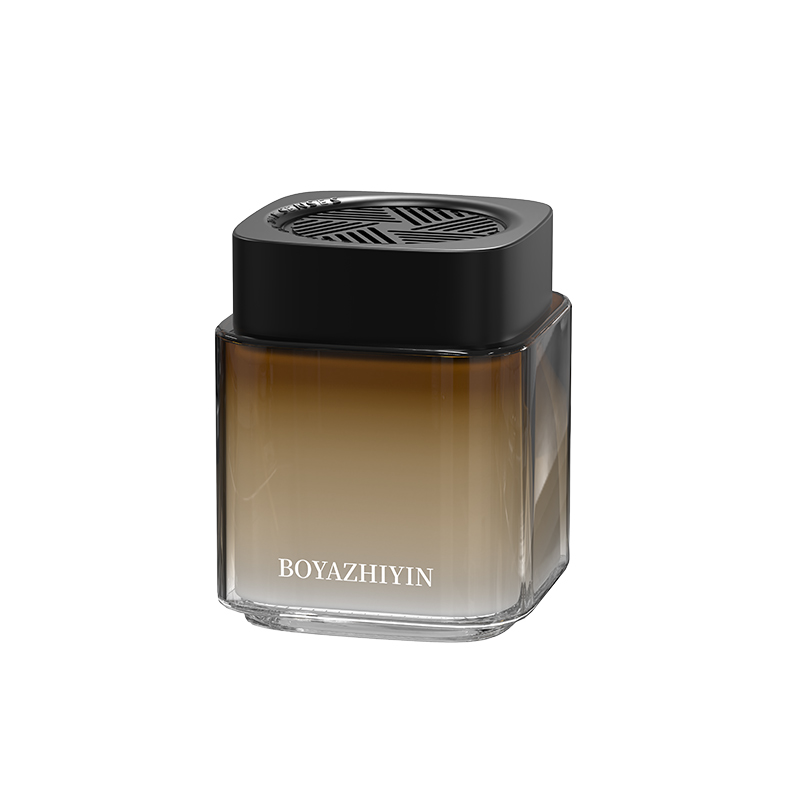
Every drive deserves a fresh, calming atmosphere. The BOYAZHIYIN car air freshener turns your car into a private sanctuary of natural scent. Crafted specifically for small spaces, this long lasting car air freshener delivers pure botanical fragrance without the dizzying intensity of ordinary car perfumes. Our solid gel formula releases scent steadily for weeks, keeping your cabin inviting from the first mile to the last. Each glass jar is built to impress, with a crystal-clear body and a striped diffusion lid that spreads fragrance evenly through every corner. Choose from four refined scents: Oud Rose, Wild Cologne, Dew Gardenia, or High Mountain White Tea. Made with plant essential oils, it is a natural car air freshener you can trust every single day. Breathe easier, drive happier, and enjoy a car that always smells as good as it looks.
Can't find what you're looking for ?
Leave a Message we will call you back quickly!
Professional Service
Interested? Leave your contact details.
Search Starts Here

