


News
Why do Pipe Cleaning Agent prices vary so much in repeat purchase plans?
For finance approvers evaluating repeat purchase plans, understanding Pipe Cleaning Agent cost factors is essential to balancing budget control with supply reliability.
Beyond unit price, total value depends on formula performance, packaging options, order volume, private label needs, and factory stability.
With a mature manufacturing background and scalable production capacity, suppliers can help buyers reduce long-term procurement risk while improving cost efficiency.
In daily chemical products, repeat orders often magnify small price differences into meaningful annual cost changes.
That is why Pipe Cleaning Agent sourcing should focus on lifetime value, not only the first quotation.
Price gaps usually come from formulation strength, raw material grade, filling format, compliance needs, and order complexity.
A low initial quote may hide weaker blockage removal, unstable supply, or higher complaint risk after sale.
What formula factors affect Pipe Cleaning Agent cost most?
The biggest cost driver is the formula itself.
A stronger formula can scientifically decompose blockages and quickly dissolve oil stains, organic matter, and impurities.
Products that also eliminate odors and protect pipeline health usually require more refined ingredient balancing.
That often increases production cost but may reduce dosage per use.
When comparing offers, check whether the formula works without physical disassembly.
That benefit improves user convenience and can justify a moderate premium.
Household applications also need a balance between cleaning power, odor control, and pipe compatibility.
Cheaper formulas may work slowly, require repeat use, or fail on grease-heavy drains.
Over time, the real cost per successful treatment becomes higher.
Key formula checkpoints
- Active ingredient concentration
- Speed of dissolving grease and residue
- Odor neutralization performance
- Stability during storage and transport
- Compatibility with household pipeline materials
How do packaging and private label options change total cost?
Packaging is another major factor in Pipe Cleaning Agent budgeting.
Bottle size, cap design, material thickness, carton strength, and label process all affect cost.
Small retail packs usually cost more per liter than larger economy formats.
Custom packaging can support branding, but it adds mold, artwork, and inventory complexity.
Private label projects may include design proofing, compliance text updates, and packaging trials.
These costs are easier to absorb when repeat purchase volume is stable.
A standard format often lowers risk for the first order.
Later, custom options can be introduced after sales data becomes predictable.
A practical example is Pipe cleaning agent solutions designed for household use.
When packaging matches product performance, it helps restore smooth water flow while improving shelf presentation.
Does order volume always lower Pipe Cleaning Agent procurement cost?
Usually yes, but not always in the simplest way.
Larger orders can reduce filling setup costs, material purchasing cost, and carton handling expenses.
However, very large orders may increase storage pressure and cash flow occupation.
The best repeat purchase plan often uses scheduled batches under an annual framework.
This method balances price advantage with stock freshness and budget timing.
Ask suppliers whether they can reserve production capacity for future releases.
That support can be more valuable than a slightly lower one-time price.
Volume planning tips
- Compare quarterly demand against annual rebate opportunities
- Check minimum order quantity for each bottle specification
- Confirm lead time during peak production months
- Review warehouse and transport costs together
Why does factory background matter in Pipe Cleaning Agent cost control?
Supplier stability influences long-term cost more than many buyers expect.
An established daily chemical factory can manage quality consistency, labor allocation, and procurement coordination better.
This company began operations in 2015 and expanded step by step through new facilities and business channels.
It later acquired Guangzhou Xiangperti Industrial Development Co., Ltd. in 2018.
In 2019, it developed Ali, Tmall, and Pinduoduo departments.
The home washing and care factory was established in 2020, followed by the second factory in 2021.
Located in Linyi, Shandong, the company now has more than 160 employees.
This growth path suggests scalable production and stronger continuity for repeat purchase plans.
Reliable capacity helps reduce urgent replenishment costs, delayed delivery losses, and reformulation risk.
What hidden costs should be checked before approving a repeat purchase plan?
Hidden costs often determine whether a Pipe Cleaning Agent program stays profitable.
Look beyond ex-factory price and review the full landed cost.
A slightly higher-quality formula may lower complaints and replacement rates.
That improves the economics of repeat Pipe Cleaning Agent purchasing.
How should a repeat purchase decision be made with confidence?
Start with a side-by-side comparison of formula strength, packaging cost, order volume, and supplier capacity.
Then estimate annual cost using realistic reorder frequency, not a single order assumption.
For household cleaning categories, reliable performance is especially important because user experience directly affects reorder stability.
The best Pipe Cleaning Agent plan is not simply the cheapest.
It is the option that combines effective blockage removal, manageable packaging cost, dependable supply, and acceptable margin protection.
Review samples, confirm specifications, and test how the product performs under normal household drain conditions.
A structured repeat purchase agreement can lock in value while limiting exposure to quality or delivery surprises.
If the goal is stable long-term procurement, compare total value first and negotiate price second.
Related Products
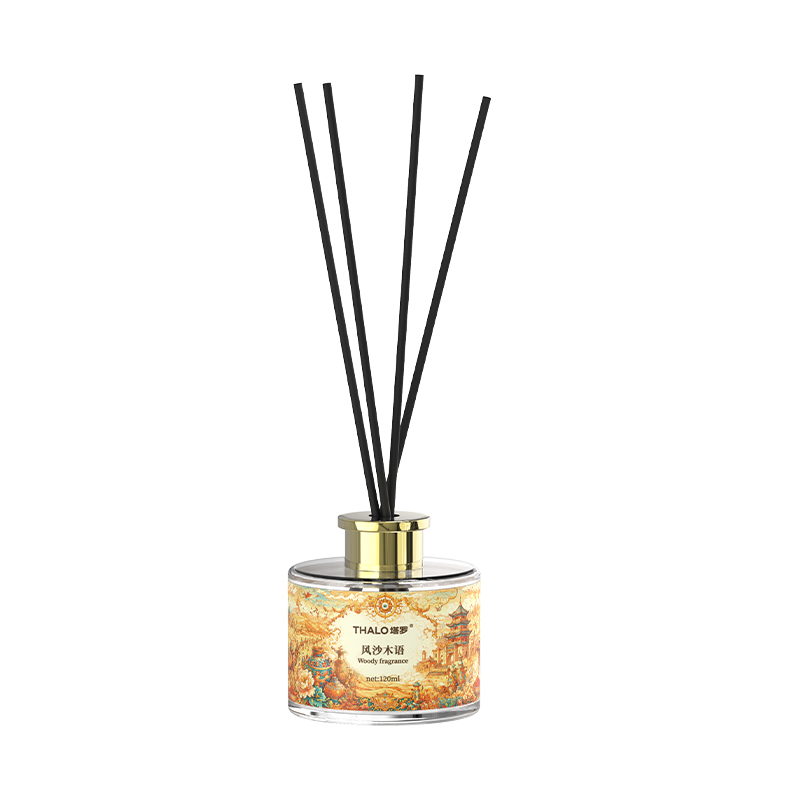
 Silk Road Flower LanguageA Fragrance Journey Along the Silk Road
Step into a world where ancient Silk Road culture meets modern home fragrance. Thalo Silk Road Reed Diffuser transforms your space with an elegant Oriental-inspired aroma, bringing warmth, sophistication and a sense of discovery to everyday moments.
Designed as a flameless home fragrance, it continuously releases fragrance through natural diffuser reeds, creating a calm and inviting atmosphere without fire or electricity. The artistic bottle and premium gift box make it a beautiful addition to bedrooms, entryways, living rooms, boutiques and hotels.
Let every breath become a journey through fragrance. GuoyangYour Car Deserves Better Than That "New Car Smell"
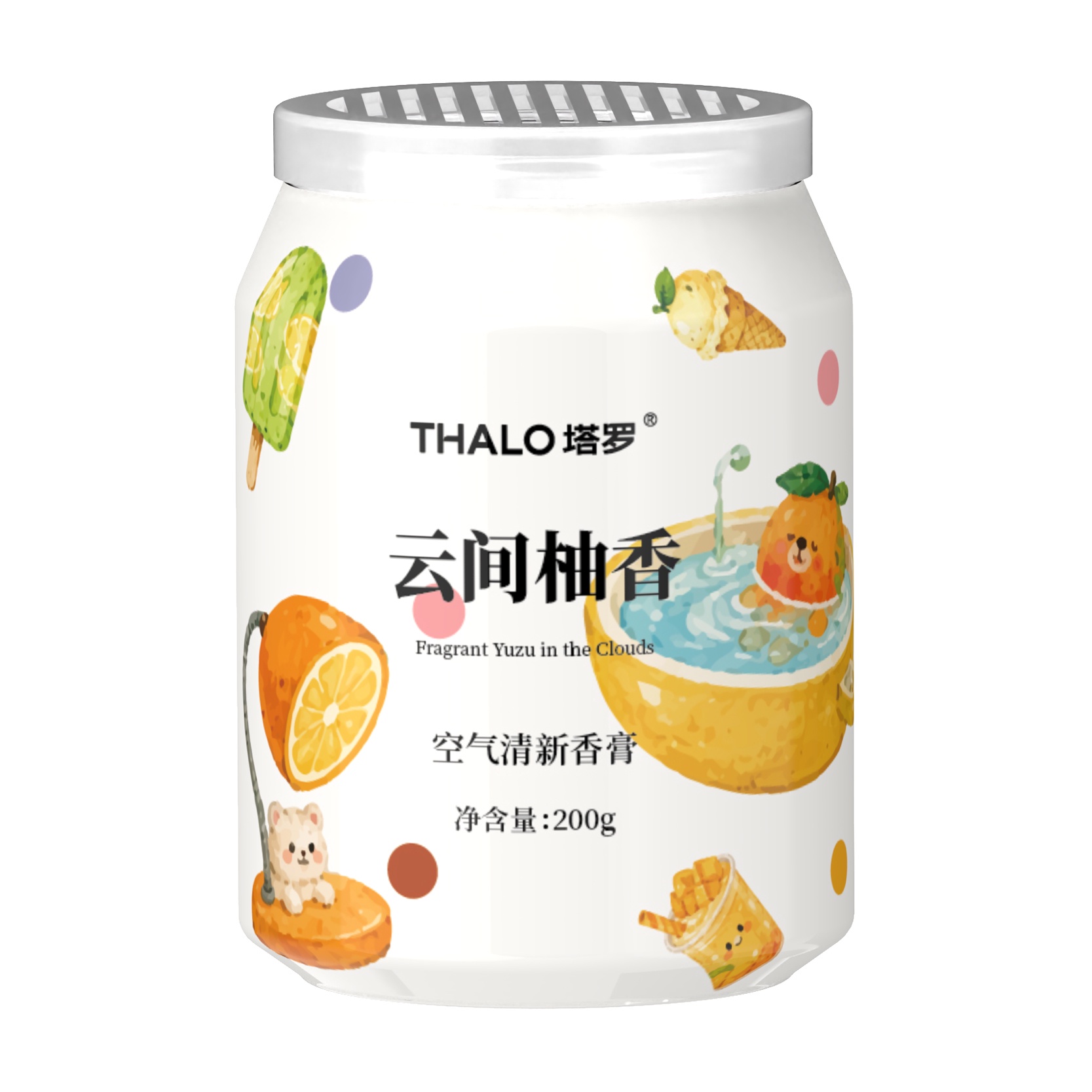
Ever step into your car and wish it smelled like a sunlit orchard instead of stale air.Meet THALO's Fruit Scent Collection — a solid car air freshener that turns every drive into a mini fruit paradise. No sprays, no plugs, no mess. Just unscrew the ventilated lid, and let the 200g fragrance gel slowly release pure, juicy aroma for weeks.
Pick your mood: White Peach in the Snow (soft, creamy, dreamy), Fragrant Yuzu in the Clouds (bright citrus that wakes you up), or Laurel Apple (warm apple-cinnamon comfort). Each jar is hand-illustrated with adorable fruit art that looks as good as it smells — a dopamine hit for your cup holder.
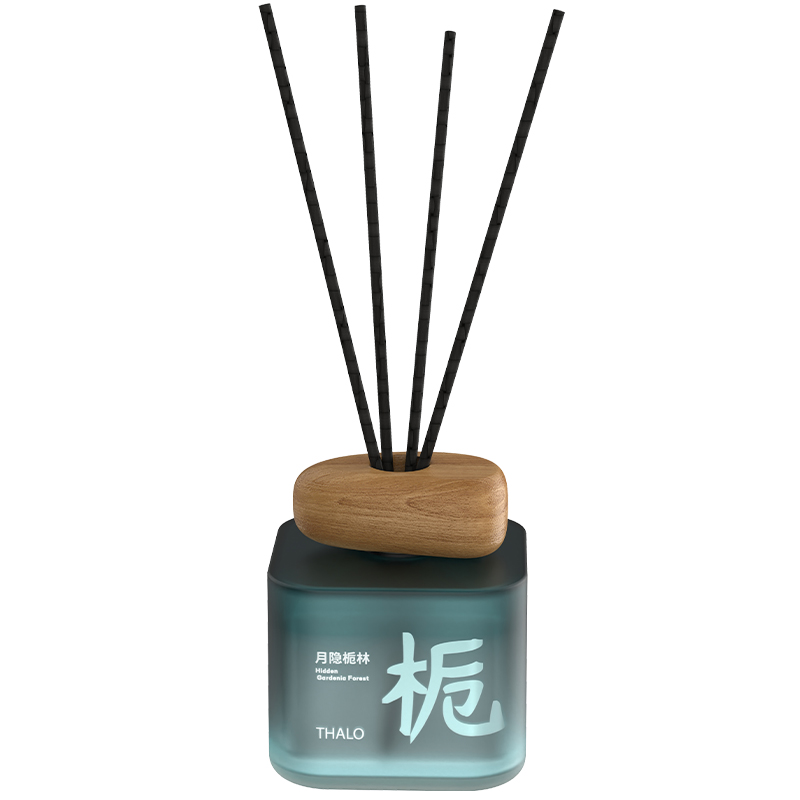
Safe for daily commutes, family trips, and long drives. Plant-based formula, IFRA-certified, crafted with Firmenich perfumers. Fresh air, one twist away. ZHICHUNLet Nature Fill Your Space With Fragrance,Turn an ordinary room into a peaceful fragrance retreat. Thalo “Spring Awakening” Reed Diffuser brings the beauty of Oriental-inspired scents into everyday life, creating a warm and elegant atmosphere without flame, smoke or electricity.
Inspired by nature, the 180ml Home Fragrance Collection features three distinctive scents: Moonlit Gardenia Forest, Wumu Gradually Becomes Spring, and Green Tea Reflection Spring. Each fragrance unfolds gently through high-density reed sticks, filling your space with a continuous and refined aroma.
The frosted glass bottle, wood-inspired cap and minimalist design add a sophisticated decorative touch to any interior. Perfect for bedrooms, living rooms, bathrooms, offices, boutiques and hotels, this Natural Reed Diffuser creates a relaxing fragrance experience while helping refresh indoor air.
Bring a touch of spring, nature and tranquility into every moment with Thalo. XiaoxiangyuTitle: The Car Air Freshener That Keeps Every Mile Fresh
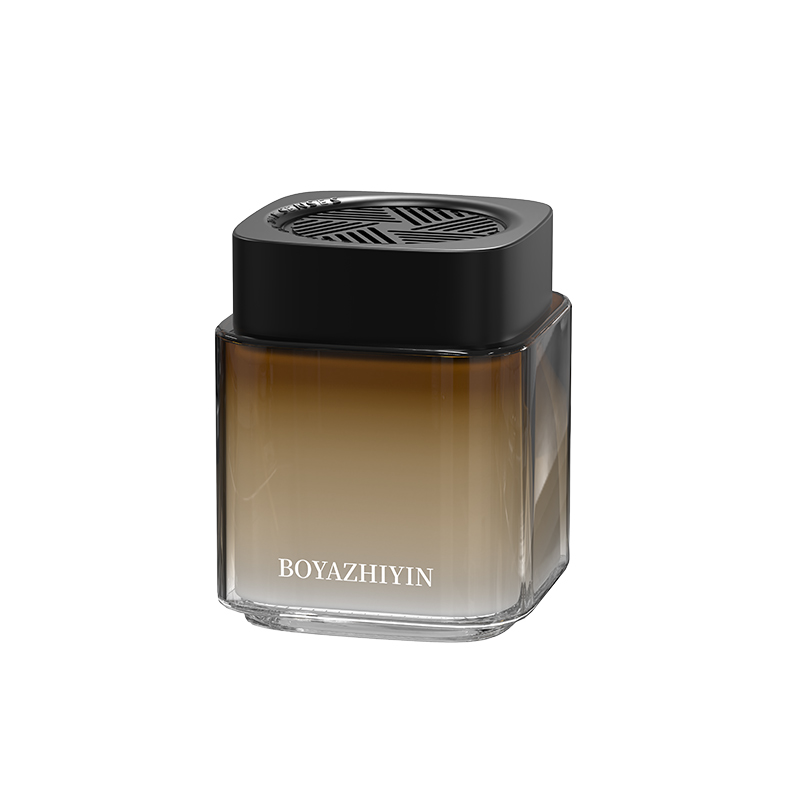
Every drive deserves a fresh, calming atmosphere. The BOYAZHIYIN car air freshener turns your car into a private sanctuary of natural scent. Crafted specifically for small spaces, this long lasting car air freshener delivers pure botanical fragrance without the dizzying intensity of ordinary car perfumes. Our solid gel formula releases scent steadily for weeks, keeping your cabin inviting from the first mile to the last. Each glass jar is built to impress, with a crystal-clear body and a striped diffusion lid that spreads fragrance evenly through every corner. Choose from four refined scents: Oud Rose, Wild Cologne, Dew Gardenia, or High Mountain White Tea. Made with plant essential oils, it is a natural car air freshener you can trust every single day. Breathe easier, drive happier, and enjoy a car that always smells as good as it looks.
Can't find what you're looking for ?
Leave a Message we will call you back quickly!
Professional Service
Interested? Leave your contact details.
Search Starts Here

