


News
Choosing the best Pipe Cleaning Agent for commercial kitchens requires more than strong unclogging power. Heavy grease, starch, protein buildup, and constant wastewater flow create a demanding environment.
A reliable Pipe Cleaning Agent should protect pipes, support routine maintenance, and reduce emergency downtime. Stable production capability also matters when long-term supply consistency affects cleaning plans and operating safety.
Built on steady expansion since 2015, with operations in Linyi, Shandong and more than 160 employees, the company has strengthened home washing and care production through factory growth, team expansion, and channel development.
Pipe Cleaning Agent Basics in Commercial Kitchen Maintenance
A Pipe Cleaning Agent is a formulated cleaning product used to remove grease, food debris, organic residue, and odor-causing buildup from drainage systems.
In commercial kitchens, drains work under higher pressure than residential systems. That means the selected Pipe Cleaning Agent must match pipe materials, blockage type, cleaning frequency, and discharge volume.
Common product forms include liquid cleaners, powder cleaners, gel formulas, enzyme-based solutions, and alkaline degreasers. Each Pipe Cleaning Agent type serves a different maintenance objective.
Main formulation categories
- Alkaline degreasers for heavy fat and oil deposits
- Enzyme or bacteria-based cleaners for ongoing organic waste control
- Oxidizing formulas for odor and residue breakdown
- Maintenance liquids for preventive drain care
Current Industry Focus and Selection Signals
The daily chemical sector now places more attention on performance consistency, safer raw material systems, and application-specific formulas. Drain care products are expected to work fast without increasing pipe corrosion risk.
For commercial kitchens, selection often depends on several practical signals rather than a single strength claim.
Why the Right Pipe Cleaning Agent Delivers Business Value
The right Pipe Cleaning Agent helps keep drainage lines open, reduces foul odor, and supports hygiene standards in busy food preparation environments.
It also lowers maintenance costs by reducing emergency service calls, downtime, and premature pipe replacement caused by inappropriate chemical use.
When used as part of a preventive program, a quality Pipe Cleaning Agent contributes to smoother kitchen workflows and more predictable cleaning schedules.
Environmental expectations are also changing. Many operations now prefer formulas that manage grease effectively while supporting safer handling and more controlled discharge practices.
Typical Pipe Cleaning Agent Options for Different Kitchen Conditions
Not every blockage calls for the same chemistry. The most suitable Pipe Cleaning Agent depends on the residue source and maintenance objective.
In broader cleaning environments, product design also influences user experience. For home space care, items such as Small Bird Cage show how liquid aromatherapy, silent purification, and refined design can support a cleaner atmosphere.
Practical Evaluation Points Before Final Selection
Before choosing a Pipe Cleaning Agent, review product documentation, formula positioning, and usage instructions. Stronger chemistry is not always the better answer.
Key checks
- Confirm whether the formula is designed for grease-heavy kitchen drains
- Check compatibility with existing pipe materials and grease traps
- Evaluate dosage efficiency per cleaning cycle
- Review odor level, residue behavior, and rinsing requirements
- Assess packaging options for storage and repeated use
- Verify stable production background and scalable supply support
A company with expanding factory capacity and category experience in home washing and care can offer stronger confidence in product continuity and process control.
Usage Guidance and Common Precautions
Even the best Pipe Cleaning Agent should be used within a planned maintenance routine. Irregular use limits performance and may allow grease layers to harden again.
- Remove standing water when possible before application.
- Apply the recommended amount only.
- Allow enough contact time for residue breakdown.
- Flush according to the product instruction.
- Track odor, flow speed, and recurrence frequency.
Avoid mixing one Pipe Cleaning Agent with unrelated chemicals unless the formula guidance clearly permits it. This helps reduce safety risk and prevents performance loss.
Routine inspections should still accompany chemical cleaning. Mechanical obstruction, damaged joints, or grease trap overload may require additional correction.
Next-Step Direction for Better Drainage Performance
The most effective Pipe Cleaning Agent strategy combines suitable chemistry, proper frequency, and dependable supply support. For commercial kitchens, that means choosing products based on residue type, pipe safety, and maintenance efficiency.
Start by reviewing the most common drain issues, then compare each Pipe Cleaning Agent option against actual operating conditions. A structured evaluation today can reduce blockage risk, protect drainage infrastructure, and support cleaner kitchen performance over time.
Related Products
 Liu Guang YearsTurn Every Breath Into a Moment of Escape.
Leave the noise of everyday life behind and step into a world of rich, elegant fragrance. Thalo Liu Guang Years Fragrance Diffuser brings a luxurious scent experience to your car and personal space, transforming ordinary moments into relaxing rituals.
Crafted with premium imported fragrance oils, this flameless aromatherapy diffuser releases a refined and lasting aroma without fire or electricity. Inspired by the timeless beauty of agarwood and sophisticated Oriental fragrance, it creates a warm, elegant atmosphere wherever you go.
Place it in your car before a busy day, or enjoy its fragrance at home during your quiet moments. With a sophisticated bottle design and approximately 60 days of fragrance diffusion, it combines premium car fragrance, long-lasting scent and elegant decoration in one beautiful product.
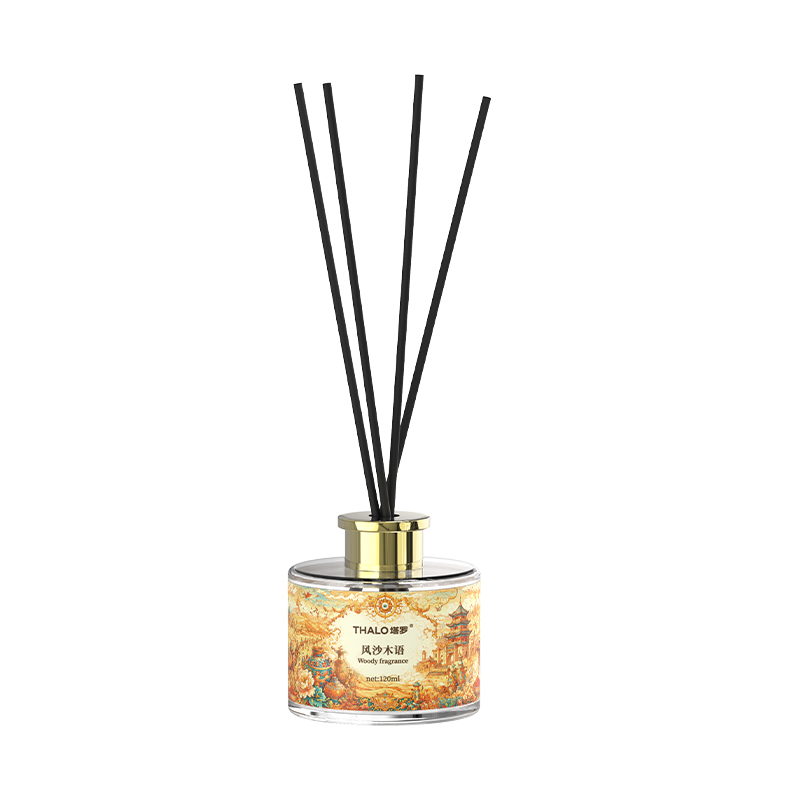
Thalo — fragrance that makes every moment feel extraordinary. Silk Road Flower LanguageA Fragrance Journey Along the Silk Road
Step into a world where ancient Silk Road culture meets modern home fragrance. Thalo Silk Road Reed Diffuser transforms your space with an elegant Oriental-inspired aroma, bringing warmth, sophistication and a sense of discovery to everyday moments.
Designed as a flameless home fragrance, it continuously releases fragrance through natural diffuser reeds, creating a calm and inviting atmosphere without fire or electricity. The artistic bottle and premium gift box make it a beautiful addition to bedrooms, entryways, living rooms, boutiques and hotels.
Let every breath become a journey through fragrance. GuoyangYour Car Deserves Better Than That "New Car Smell"
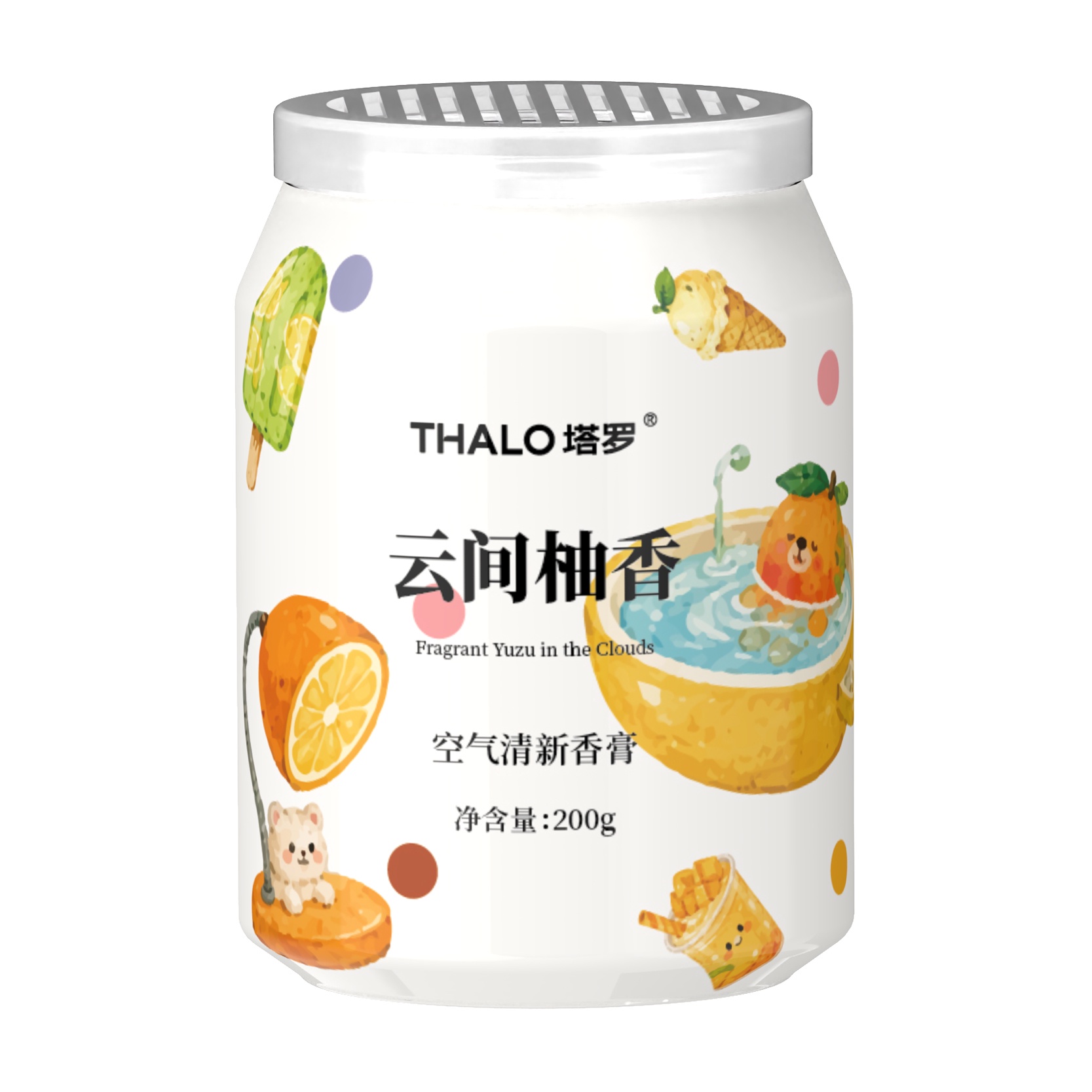
Ever step into your car and wish it smelled like a sunlit orchard instead of stale air.Meet THALO's Fruit Scent Collection — a solid car air freshener that turns every drive into a mini fruit paradise. No sprays, no plugs, no mess. Just unscrew the ventilated lid, and let the 200g fragrance gel slowly release pure, juicy aroma for weeks.
Pick your mood: White Peach in the Snow (soft, creamy, dreamy), Fragrant Yuzu in the Clouds (bright citrus that wakes you up), or Laurel Apple (warm apple-cinnamon comfort). Each jar is hand-illustrated with adorable fruit art that looks as good as it smells — a dopamine hit for your cup holder.
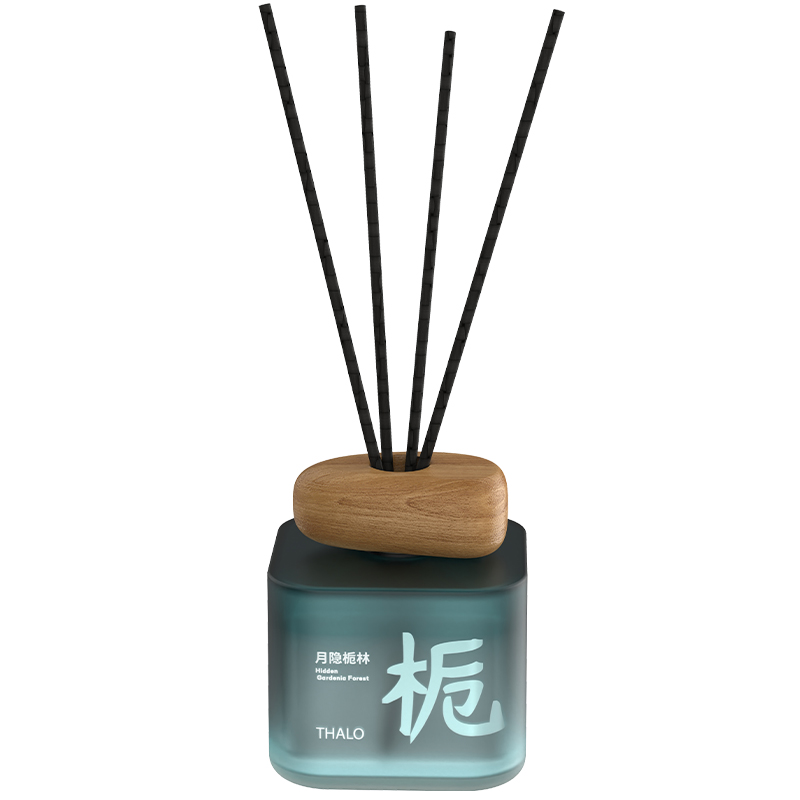
Safe for daily commutes, family trips, and long drives. Plant-based formula, IFRA-certified, crafted with Firmenich perfumers. Fresh air, one twist away. ZHICHUNLet Nature Fill Your Space With Fragrance,Turn an ordinary room into a peaceful fragrance retreat. Thalo “Spring Awakening” Reed Diffuser brings the beauty of Oriental-inspired scents into everyday life, creating a warm and elegant atmosphere without flame, smoke or electricity.
Inspired by nature, the 180ml Home Fragrance Collection features three distinctive scents: Moonlit Gardenia Forest, Wumu Gradually Becomes Spring, and Green Tea Reflection Spring. Each fragrance unfolds gently through high-density reed sticks, filling your space with a continuous and refined aroma.
The frosted glass bottle, wood-inspired cap and minimalist design add a sophisticated decorative touch to any interior. Perfect for bedrooms, living rooms, bathrooms, offices, boutiques and hotels, this Natural Reed Diffuser creates a relaxing fragrance experience while helping refresh indoor air.
Bring a touch of spring, nature and tranquility into every moment with Thalo.

Can't find what you're looking for ?
Leave a Message we will call you back quickly!
Professional Service
Interested? Leave your contact details.
Search Starts Here

