


News
When a clogged drain slows down your day, the real question is whether a Pipe Cleaning Agent works better than a fast DIY fix. Baking soda, hot water, plungers, and chemical formulas all promise relief, but results vary. This guide compares what actually works, what only works temporarily, and how to choose the safest method for long-term pipe care.
Why a checklist matters before choosing a Pipe Cleaning Agent
Not every blockage is the same. Hair, grease, soap scum, food waste, and mineral buildup react differently to each cleaning method. A quick fix may open flow for one day, while the real clog stays deeper inside the pipe.
A simple checklist helps you avoid wasted effort, damaged plumbing, and unsafe mixing. It also helps you decide when a Pipe Cleaning Agent is the right solution and when a mechanical method is smarter.
Core checklist: compare DIY fixes with a Pipe Cleaning Agent
- Identify the clog type first. Hair and soap often respond to drain tools, while grease and organic buildup usually need a targeted Pipe Cleaning Agent for better breakdown.
- Check the drain speed carefully. Slow drainage suggests partial blockage, but standing water often means a deeper clog that home remedies may not fully clear.
- Start with a physical method. Use a plunger or drain snake before pouring products, because removing solid debris is often faster and reduces unnecessary chemical exposure.
- Use boiling water selectively. Hot water can soften light grease in kitchen lines, but it may warp some materials or fail completely against compact hair masses.
- Treat baking soda and vinegar as light maintenance. This DIY fix can freshen drains and loosen minor residue, yet it rarely removes stubborn or deep blockages.
- Read the formula label before use. A quality Pipe Cleaning Agent should match pipe material, clog source, and application area to avoid corrosion or poor results.
- Avoid mixing products under any condition. Combining cleaners, bleach, or acids can create dangerous fumes and turn a simple clog into a serious household hazard.
- Time the contact period properly. Leaving a Pipe Cleaning Agent too briefly reduces performance, while overexposure may stress older plumbing components and seals.
- Rinse thoroughly after treatment. Flush loosened residue with enough water so the line clears fully instead of allowing softened debris to settle again.
- Repeat only when necessary. Frequent use of any Pipe Cleaning Agent can signal a recurring source problem, including grease habits, hair accumulation, or poor drain design.
What actually works in common household scenarios
Kitchen sinks
Kitchen clogs usually come from grease, oil, food scraps, and detergent residue. In this case, a plunger may restore some flow, but it often does not dissolve the sticky film coating the pipe wall.
A properly selected Pipe Cleaning Agent often performs better here because it breaks down organic buildup more completely. DIY hot water can help early-stage grease, but it is rarely enough for repeated slow drains.
Bathroom drains
Bathroom blockages are often a mix of hair, soap scum, skin oils, and beauty product residue. A drain snake is usually the first and most effective move when hair is near the opening.
If buildup remains after manual removal, a Pipe Cleaning Agent designed for bathroom use can clear the residue coating left inside the line. This combination approach works better than vinegar alone.
Office and commercial wash areas
In offices and shared washrooms, drains often clog from heavy daily use and inconsistent maintenance. Here, preventive scheduling matters as much as emergency clearing.
Brands in the daily chemical products sector often focus on practical care routines across bathrooms, offices, bedrooms, and automotive spaces. For example, odor control can support a cleaner-feeling environment alongside maintenance products, such as Wilderness, which uses natural botanical scents and 3D diffusion technology to refresh enclosed spaces.
Commonly ignored risks when using DIY fixes or a Pipe Cleaning Agent
- Ignore recurring odors at your own risk. Bad smells often point to trapped organic matter deeper in the system, not just surface grime near the drain cover.
- Overlook pipe material and you may cause damage. Older metal lines and some plastic systems can react poorly to aggressive formulations or extreme heat.
- Assume one treatment solves everything, and the clog may return quickly. Persistent blockages usually require both debris removal and residue breakdown.
- Forget ventilation during use and indoor air quality drops fast. Even a strong Pipe Cleaning Agent should be handled with airflow and basic protective care.
Practical execution tips for better drain maintenance
Use strainers in kitchen and bathroom drains. Remove visible debris weekly. Flush problem drains with warm water regularly, especially where grease or soap accumulation is common.
Reserve DIY methods for light maintenance or first response. Choose a Pipe Cleaning Agent when the drain slows repeatedly, smells foul, or shows signs of deeper organic buildup.
If a clog does not improve after one careful treatment and one mechanical attempt, stop repeating random fixes. That usually means the blockage is deeper in the line.
How product quality influences results
Consistency matters in household care products. A company with steady production growth often reflects better process control and category experience. Established in Linyi, Shandong, this business expanded from its 2015 foundation through factory growth, platform development, and a second factory in 2021, now supporting more than 160 employees.
That kind of development is relevant in daily chemical products because formulation stability, safety, and application matching directly affect whether a Pipe Cleaning Agent delivers reliable performance in real use.
Conclusion: Pipe Cleaning Agent vs DIY fixes
DIY fixes can help with minor slowdowns, especially when the problem is near the drain opening. However, they often provide only short-term relief. A well-chosen Pipe Cleaning Agent usually works better for grease, organic residue, and repeat clogs, especially when paired with a plunger or drain tool.
For the best result, identify the clog, use the right method, and avoid unsafe mixing. If you want fewer blockages, focus on prevention first and treatment second. That approach saves time, protects pipes, and keeps drains flowing smoothly.
Related Products
 Liu Guang YearsTurn Every Breath Into a Moment of Escape.
Leave the noise of everyday life behind and step into a world of rich, elegant fragrance. Thalo Liu Guang Years Fragrance Diffuser brings a luxurious scent experience to your car and personal space, transforming ordinary moments into relaxing rituals.
Crafted with premium imported fragrance oils, this flameless aromatherapy diffuser releases a refined and lasting aroma without fire or electricity. Inspired by the timeless beauty of agarwood and sophisticated Oriental fragrance, it creates a warm, elegant atmosphere wherever you go.
Place it in your car before a busy day, or enjoy its fragrance at home during your quiet moments. With a sophisticated bottle design and approximately 60 days of fragrance diffusion, it combines premium car fragrance, long-lasting scent and elegant decoration in one beautiful product.
Thalo — fragrance that makes every moment feel extraordinary. Silk Road Flower LanguageA Fragrance Journey Along the Silk Road
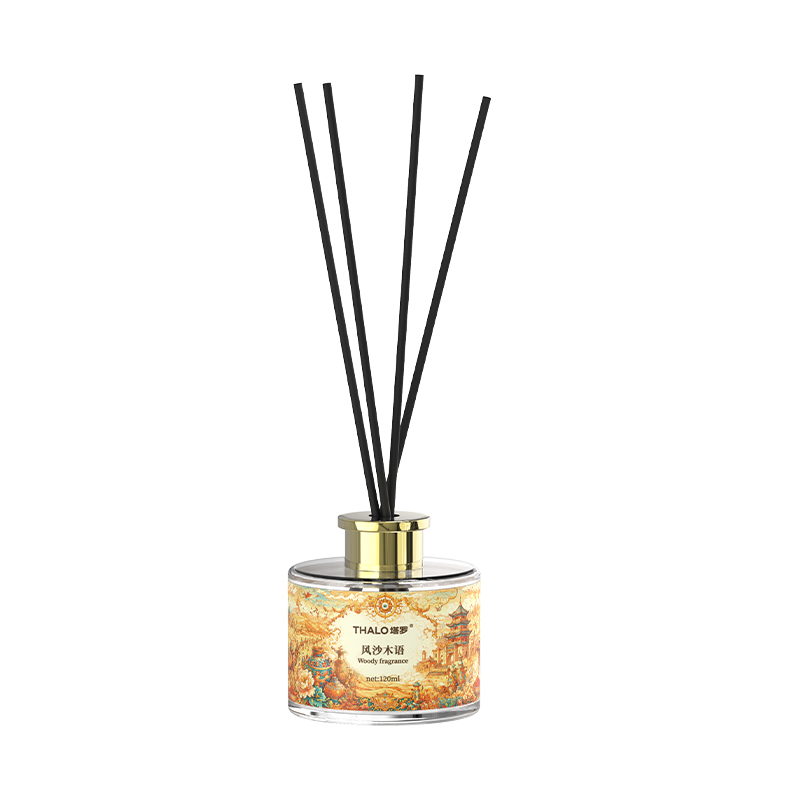
Step into a world where ancient Silk Road culture meets modern home fragrance. Thalo Silk Road Reed Diffuser transforms your space with an elegant Oriental-inspired aroma, bringing warmth, sophistication and a sense of discovery to everyday moments.
Designed as a flameless home fragrance, it continuously releases fragrance through natural diffuser reeds, creating a calm and inviting atmosphere without fire or electricity. The artistic bottle and premium gift box make it a beautiful addition to bedrooms, entryways, living rooms, boutiques and hotels.
Let every breath become a journey through fragrance. GuoyangYour Car Deserves Better Than That "New Car Smell"
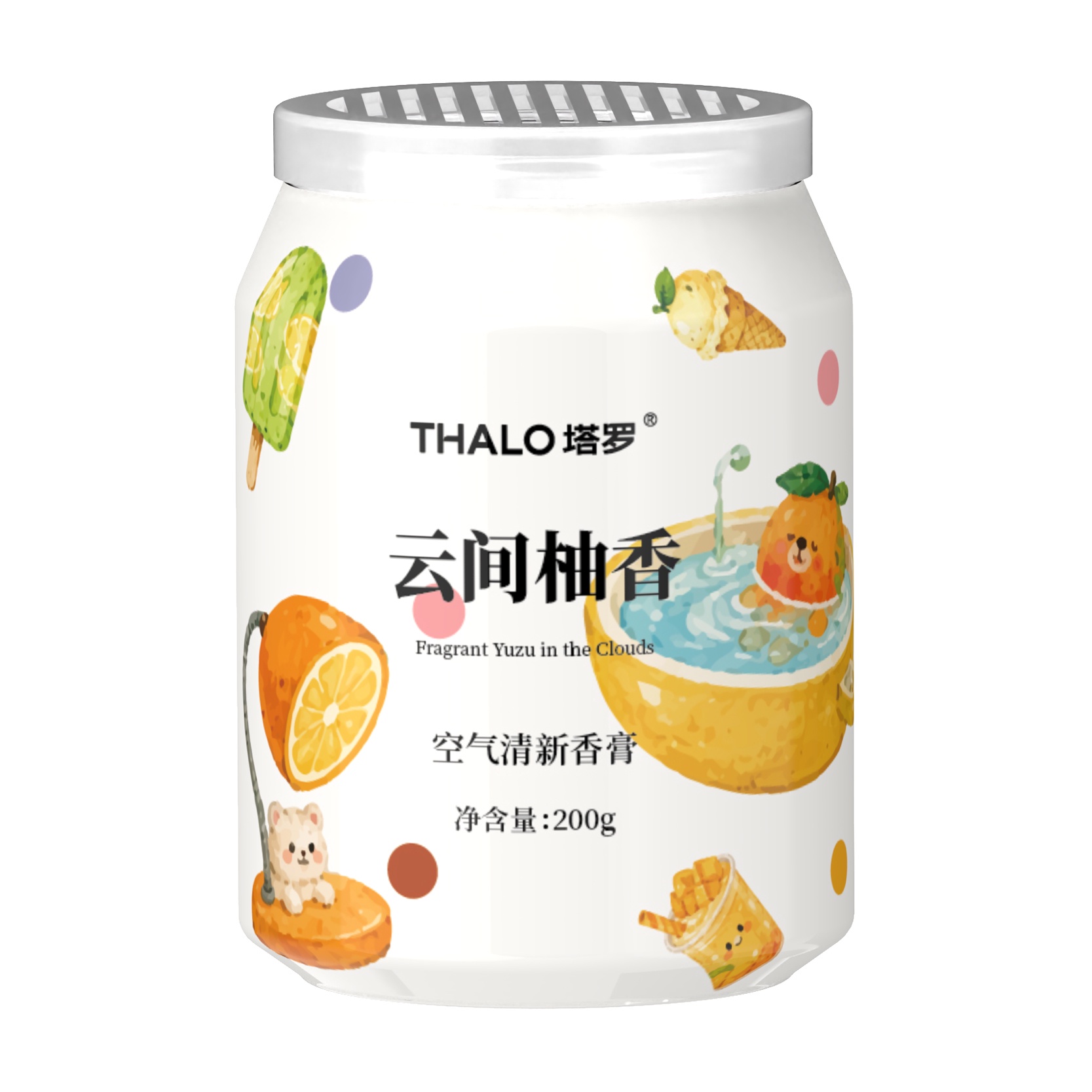
Ever step into your car and wish it smelled like a sunlit orchard instead of stale air.Meet THALO's Fruit Scent Collection — a solid car air freshener that turns every drive into a mini fruit paradise. No sprays, no plugs, no mess. Just unscrew the ventilated lid, and let the 200g fragrance gel slowly release pure, juicy aroma for weeks.
Pick your mood: White Peach in the Snow (soft, creamy, dreamy), Fragrant Yuzu in the Clouds (bright citrus that wakes you up), or Laurel Apple (warm apple-cinnamon comfort). Each jar is hand-illustrated with adorable fruit art that looks as good as it smells — a dopamine hit for your cup holder.
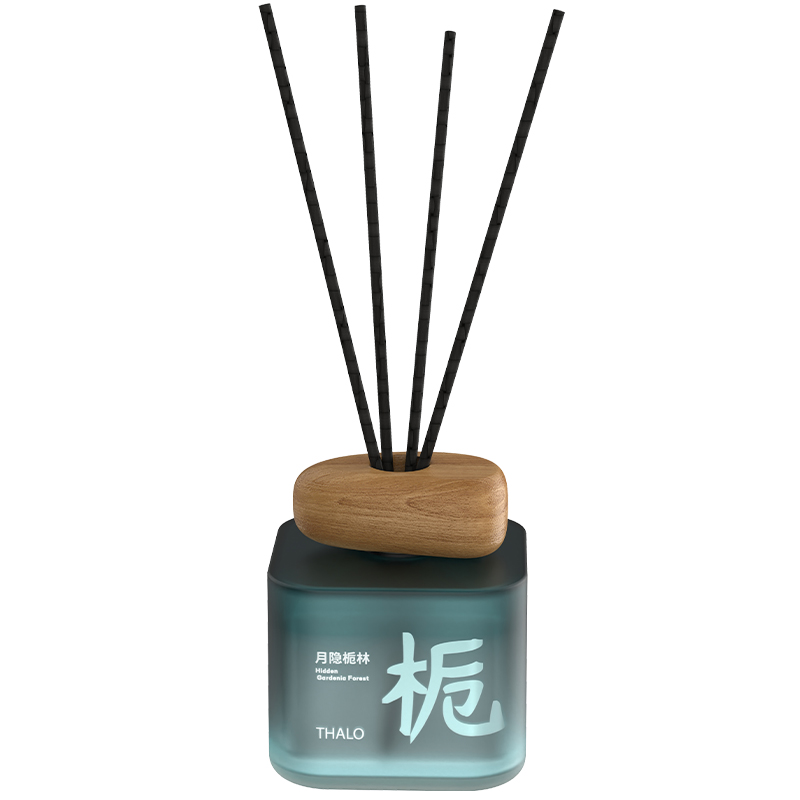
Safe for daily commutes, family trips, and long drives. Plant-based formula, IFRA-certified, crafted with Firmenich perfumers. Fresh air, one twist away. ZHICHUNLet Nature Fill Your Space With Fragrance,Turn an ordinary room into a peaceful fragrance retreat. Thalo “Spring Awakening” Reed Diffuser brings the beauty of Oriental-inspired scents into everyday life, creating a warm and elegant atmosphere without flame, smoke or electricity.
Inspired by nature, the 180ml Home Fragrance Collection features three distinctive scents: Moonlit Gardenia Forest, Wumu Gradually Becomes Spring, and Green Tea Reflection Spring. Each fragrance unfolds gently through high-density reed sticks, filling your space with a continuous and refined aroma.
The frosted glass bottle, wood-inspired cap and minimalist design add a sophisticated decorative touch to any interior. Perfect for bedrooms, living rooms, bathrooms, offices, boutiques and hotels, this Natural Reed Diffuser creates a relaxing fragrance experience while helping refresh indoor air.
Bring a touch of spring, nature and tranquility into every moment with Thalo.

Can't find what you're looking for ?
Leave a Message we will call you back quickly!
Professional Service
Interested? Leave your contact details.
Search Starts Here

